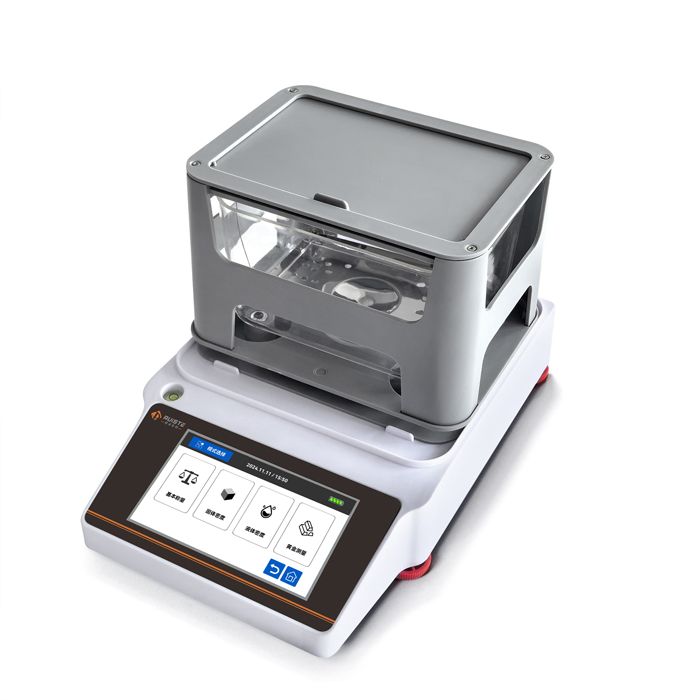
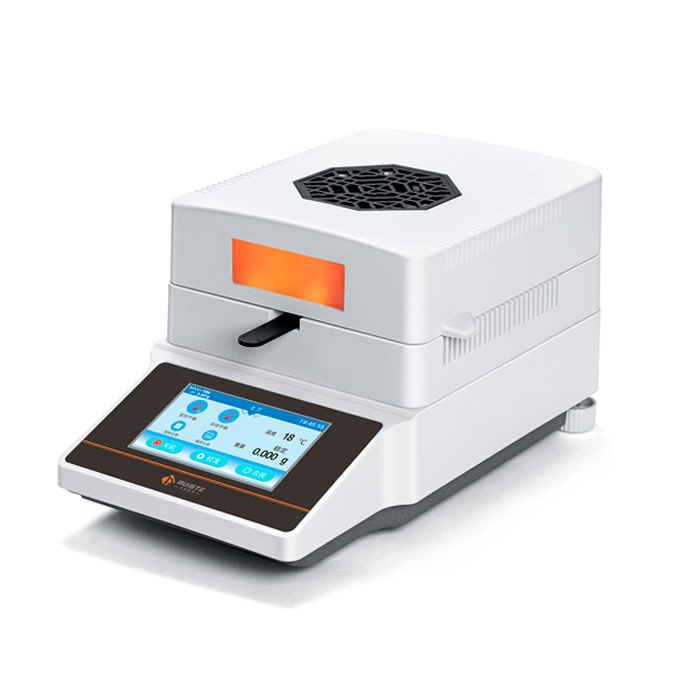
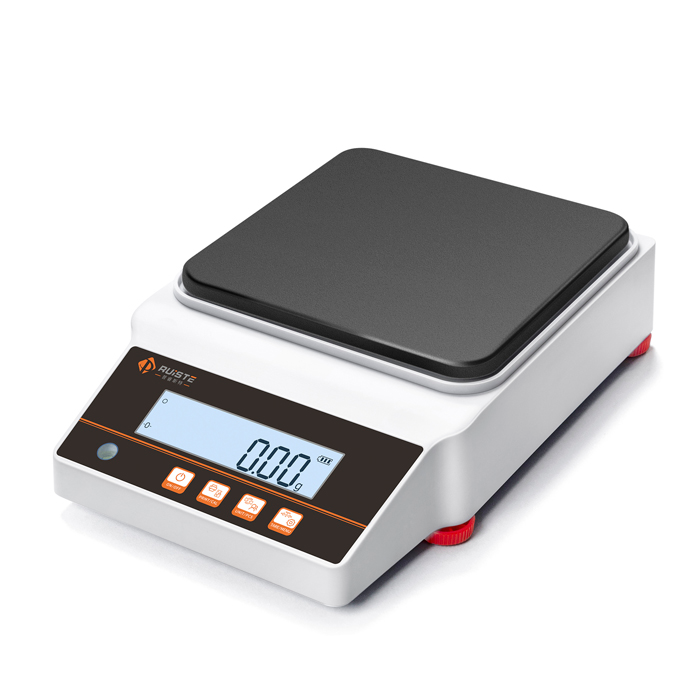
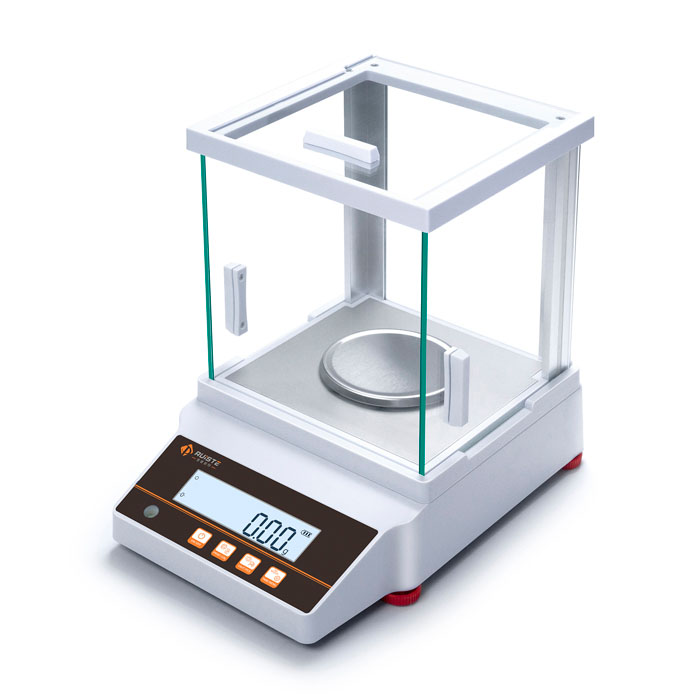
Compact Counting Scale
In modern material management and production processing, accurate quantity statistics of small items have become an indispensable part of daily operation. Many industries and daily business scenarios face the trouble of counting numerous tiny parts, granular goods and small accessories manually, which often consumes abundant labor time and leads to inevitable human errors. The compact counting scale emerges as a functional weighing and counting device to solve such practical problems, catering to the demand for portable, space-saving and high-precision counting work in various environments. Different from large industrial counting equipment that occupies extensive space and requires complex installation procedures, this type of counting scale features a compact body design, reasonable structural layout and convenient operation logic, making it adaptable to diversified usage scenarios ranging from small workshops and retail storage rooms to laboratory inspection spaces. It combines basic weight measurement technology with intelligent data calculation programs to convert the weight of bulk items into accurate quantity data, realizing efficient counting of homogeneous small items and filling the gap between manual counting and large-scale automated counting equipment.
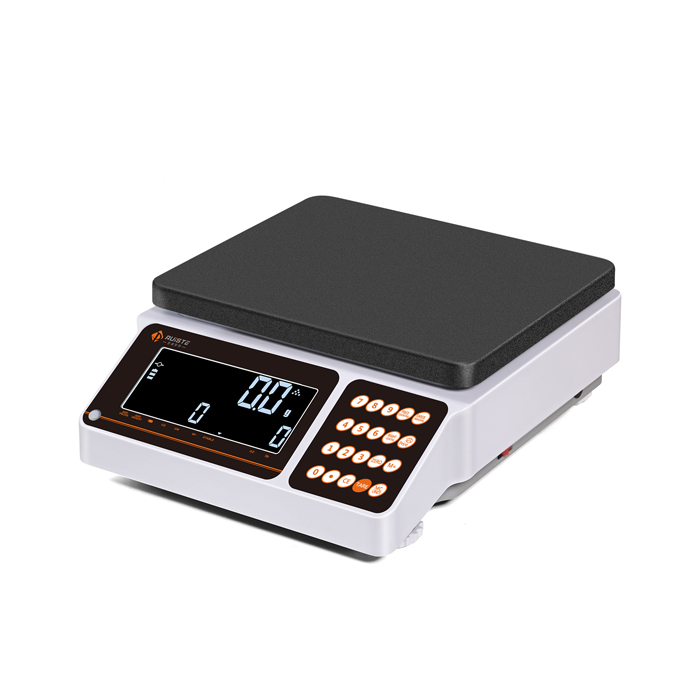
The internal working logic of a compact counting scale follows a simple and reliable physical calculation principle based on weight and unit mass correlation. Before formal counting work, users need to complete a simple sampling step to determine the average single weight of measured items. During the sampling process, a certain number of sample items are placed on the weighing platform, and the internal sensing components of the scale can quickly capture the accurate weight data of the samples. After the user confirms the sample quantity, the built-in calculation module automatically divides the total sample weight by the number of samples to obtain the average weight of a single item. Once the unit weight data is calibrated and stored, the scale can continuously weigh bulk stacked items and divide the real-time total weight by the preset single item weight, so as to instantly display the specific quantity of items on the display screen. This working mode avoids repetitive manual counting actions and reduces the error probability caused by visual fatigue and subjective judgment of human beings. The high-sensitivity sensing parts equipped in compact counting scales can capture subtle weight changes, which ensures stable detection even for items with ultra-light single weight, such as tiny hardware accessories, plastic particles and electronic components.
The structural design of compact counting scale focuses on practicality and space optimization to adapt to various placement environments. The overall body adopts an integrated and streamlined structure with moderate volume, which can be stably placed on ordinary desks, operating countertops and storage workbenches without occupying excessive working space. The weighing platform is usually made of smooth and durable metal materials, featuring anti-corrosion and anti-wear properties. It is easy to clean surface stains and residual debris generated during item weighing, effectively maintaining the hygiene and cleanliness of the equipment during long-term use. The external control area is simplified into intuitive physical keys and a high-definition display screen. The keys are designed with clear identification and moderate pressing resistance, which is convenient for operators to complete sampling, zeroing, data clearing and parameter setting operations in a short time. The display screen can clearly present real-time weight, calculated quantity and preset unit weight data, with moderate font size and soft light to adapt to long-time viewing operation in different light environments. In addition, the bottom of the equipment is equipped with non-slip buffer pads to enhance the stability of the scale during operation, preventing data deviation caused by slight sliding or vibration of the equipment in the weighing process.
Compact counting scales have a wide range of application coverage, penetrating into multiple industries and daily business links that require precise counting. In the hardware processing industry, manufacturers often need to count screws, nuts, gaskets and other small metal parts. These parts are small in size and large in quantity, and manual counting is not only time-consuming but also prone to quantity discrepancies. The compact counting scale can complete rapid counting of such homogeneous hardware parts, assisting workers in finished product sorting, packaging and inventory statistics. In the electronic processing field, tiny electronic accessories such as resistors, capacitors and connectors have high requirements for counting accuracy. Missing quantity or quantity mismatch will affect the assembly progress of electronic products. The stable sensing performance of the compact counting scale can meet the accurate counting demand of these lightweight electronic components, supporting daily production and quality inspection work of electronic processing enterprises.
In the commodity circulation and retail industry, many bulk packaged goods need fixed-quantity packaging and quantity inspection. Small daily necessities, hardware accessories and stationery supplies are often counted in batches before packaging to ensure consistent quantity in each package. The compact counting scale can complete efficient counting and auxiliary packaging work in small packaging workshops, optimizing the packaging process and unifying product specifications. For warehouse management departments, regular inventory checking of spare parts and bulk materials is an essential daily task. Traditional manual inventory consumes a lot of manpower and time, while the compact counting scale can quickly complete quantity statistics of stored items, shorten inventory cycle, and help managers grasp real-time material reserves. Laboratories and research institutions also apply such equipment to count granular experimental samples, ensuring the consistency of sample quantity in each experimental group and improving the accuracy of experimental data.
Compared with traditional manual counting and large automated counting machines, compact counting scales possess unique application advantages that adapt to current lightweight production and office modes. First of all, the equipment has low operation difficulty, and workers can master the complete operation process after simple guidance. No professional technical training or complex debugging steps are required, which reduces the threshold for equipment use. Secondly, the portable and compact structure enables flexible movement of the scale. It can be freely transferred among different working stations according to daily work demands, realizing multi-scene cyclic utilization. In terms of counting stability, the intelligent data calibration function of the scale can eliminate minor interference caused by external environmental factors such as slight air flow and desktop vibration, maintaining stable weighing and counting data within conventional working environments. Moreover, the equipment has low energy consumption in daily operation, which can adapt to long-term continuous working state and meet the high-frequency counting demand of daily batch operation.
In actual use, reasonable operation habits and regular maintenance can effectively extend the service life of compact counting scales and maintain stable counting accuracy. Before starting the equipment every day, users should place the scale on a horizontal and stable desktop to avoid tilting placement affecting the balance of internal sensing components. It is necessary to perform zeroing operation before weighing to eliminate the influence of residual impurities on the weighing platform on data detection. During the counting process, heavy items exceeding the bearing range of the equipment should not be placed on the weighing platform to prevent permanent damage to internal sensors. After daily work is completed, the surface of the weighing platform should be cleaned with soft cleaning tools to remove dust and residual particles, and the equipment should be placed in a dry and ventilated storage space to avoid moisture corrosion of internal circuits. In addition, regular sampling calibration is required according to the frequency of use. Re-calibrating the unit weight of items can offset minor data errors generated by long-term operation and ensure the long-term stable and accurate working state of the equipment.
With the continuous development of lightweight manufacturing and refined management concepts in various industries, the market demand for small precision counting equipment is steadily increasing. The compact counting scale, as a practical auxiliary tool for quantity management, is constantly optimized in functional details to adapt to more diverse usage demands. Some upgraded versions are equipped with data storage functions, which can record daily counting data for users to query and summarize, facilitating subsequent production data sorting and work analysis. The optimized anti-interference structure enables the equipment to adapt to complex working environments such as processing workshops with slight vibration and dust. The humanized operation interface is further simplified to reduce misoperation probability caused by human factors. These iterative optimizations make compact counting scales more in line with the efficient and convenient operation needs of modern small and medium-sized enterprises and individual merchants.
In conclusion, the compact counting scale bridges the gap between inefficient manual counting and high-cost large-scale counting equipment. Its compact structure, simple operation, stable performance and wide applicability make it an essential auxiliary tool in many production, storage and inspection scenarios. It not only saves human labor cost and time cost for quantity statistics, but also improves the uniformity and accuracy of item counting, providing reliable data support for refined material management. As various industries continue to pursue refined operation and cost optimization, this type of portable counting equipment will gain broader application space. Constant structural optimization and functional upgrading will further enhance its environmental adaptability and operation convenience, bringing more efficient and convenient counting solutions for diversified small-batch item counting work in the future.
Compact Counting Scale
https://www.pruiste.com/counting-scale.html
Post Date: May 7, 2026
https://www.supplier-manufacturer.com/counting-scale/compact-counting-scale.html

![Analytical Balance Supplier]()
Analytical Balance Supplier
The global laboratory instrumentation sector maintains steady expansion driven by growing demands from scientific research, industrial manufacturing, and quality inspectio…![Precision Balance Exporter]()
Precision Balance Exporter
In the interconnected global industrial system, precision measuring instruments serve as fundamental supports for technological progress and industrial upgrading, among wh…![Precision Balance Vender In China]()
Precision Balance Vender In China
The global demand for precision weighing equipment has maintained steady growth amid the continuous advancement of industrial modernization and scientific research develop…![Electronic Balance Factory]()
Electronic Balance Factory
Within the intricate framework of modern manufacturing and scientific research infrastructure, electronic balance factories occupy an irreplaceable foundational position, …![Explosion-proof Electronic Balance]()
Explosion-proof Electronic Balance
In modern industrial production and laboratory research, accurate weight measurement constitutes one of the fundamental links to ensure product quality and experimental cr…