Veidt Weighing
![Universal Calibration Weight For All Types Of Weighing Scales]()
Universal Calibration Weight For All Types Of Weighing Scales
Aug 14, 2026Universal calibration weights serve as indispensable precision tools tailored to accommodate the calibration and accuracy verification of all types of weighing scales, spanning compact laboratory balances, commercial retail scales, industrial platform scales, and heavy-duty industrial weighing systems. Designed to eliminate compatibility barriers that plague traditional specialized calibration tools, these universal weights deliver consistent, reliable mass reference data for diverse weighing equipment across multiple scenarios. In every field that relies on accurate mass measurement, from scientific research and pharmaceutical production to daily commercial transactions and industrial manufacturing, minor weighing deviations can lead to flawed experimental results, unqualified products, or unfair trade outcomes. These universal calibration weights address this core pain point by featuring adaptive structural design, stable physical properties, and versatile applicability, enabling efficient and accurate calibration of any weighing device. They maintain long-term measurement stability under various environmental conditions, laying a solid foundation for standardized, precise, and trustworthy weighing operations in both professional and general usage scenarios.![Stainless Steel Test Weight Sets]()
Stainless Steel Test Weight Sets
Aug 14, 2026Stainless steel test weight sets are essential precision measuring tools widely adopted in laboratory analysis, industrial production, and daily weighing equipment calibration. Crafted from premium stainless steel materials, these weight sets stand out for their outstanding physical stability and environmental adaptability, serving as a reliable benchmark for verifying the accuracy and consistency of various weighing instruments. Different from traditional cast iron weights, stainless steel test weights feature superior corrosion resistance, smooth surface finish, and minimal mass variation over long-term use, effectively avoiding measurement errors caused by rust, oxidation, or surface wear. Each complete set covers diversified weight specifications to meet the calibration and testing demands of micro-precision electronic balances and large-scale industrial weighing devices. With exquisite craftsmanship and stable performance, they have become indispensable tools for ensuring measurement accuracy in multiple industries, supporting standardized and reliable weighing operations across scenarios.![Durable Cast Iron Weight]()
Durable Cast Iron Weight
Aug 14, 2026Durable cast iron weights stand out as a staple tool across industrial, commercial, and daily functional scenarios, renowned for their exceptional structural stability, reliable performance, and long service lifespan. Crafted from high-density cast iron materials with refined internal molecular structure, these weights deliver consistent mass accuracy and outstanding mechanical resilience that outperforms many lightweight alloy and plastic alternatives. Their core advantages lie in superior wear resistance, strong compression tolerance, and excellent environmental adaptability, enabling them to sustain stable working performance under repeated handling, frequent stacking, and diverse harsh conditions. Widely applied in equipment calibration, mechanical counterbalancing, fitness training, and industrial testing, durable cast iron weights require minimal routine maintenance while maintaining stable structural integrity and precise mass standards over years of use.![Rust Proof Standard Weight]()
Rust Proof Standard Weight
Aug 14, 2026Rust proof standard weight represents a specialized material configuration that balances consistent structural weight distribution and reliable anti-corrosion performance, widely adopted in industrial manufacturing, structural engineering, and daily hardware production. Unlike ordinary metal materials that suffer from uneven weight deviation and vulnerable rusting issues, this optimized material solution integrates precise weight control technology and effective rust resistance treatment to maintain stable physical properties and long-term surface integrity in diverse working environments. Its core advantages lie in standardized weight uniformity across all finished products and durable protection against oxidation, moisture erosion, and environmental corrosion. This dual optimization not only simplifies subsequent processing, assembly, and quality inspection procedures but also significantly extends the service life of metal components. With the growing demand for high-stability and low-maintenance metal materials in modern industries, rust proof standard weight materials have become a fundamental guarantee for product consistency, operational safety, and cost reduction in mass production and long-term equipment operation.![Small Gram Size Laboratory Standard Test Weight]()
Small Gram Size Laboratory Standard Test Weight
Aug 14, 2026Small gram size laboratory standard test weights are essential precision tools designed to deliver accurate mass reference values for microscopic and fine-scale weighing operations in diverse laboratory environments. Tailored for ultra-light mass verification, these miniature weights serve as the foundational benchmark for calibrating high-sensitivity analytical balances, micro-scales, and precision weighing instruments that handle milligram and gram-level sample measurements. Unlike conventional large-scale test weights, their compact gram-scale specification caters exclusively to fine laboratory testing scenarios where even minor mass deviations can compromise experimental validity and data accuracy. These precision mass references underpin the reliability of quantitative experiments across scientific research, chemical analysis, pharmaceutical formulation, and material testing fields. By providing stable, consistent, and verifiable mass references, they eliminate systematic errors in weighing equipment, ensure repeatable experimental results, and support the rigorous precision demands of modern laboratory quantitative analysis work throughout all testing procedures.![Stainless Steel Standard Weight For Weighing Instrument Verification]()
Stainless Steel Standard Weight For Weighing Instrument Verification
Aug 14, 2026Stainless steel standard weights serve as fundamental precision tools for the verification and calibration of all types of weighing instruments, laying a solid foundation for accurate and consistent mass measurement across diverse industrial, laboratory, and commercial scenarios. Unlike ordinary counterweights, these professional weights are crafted with refined material formulas and rigorous manufacturing processes, featuring exceptional physical stability that enables them to deliver reliable reference mass values for long-term instrument testing. They are universally applied to verify the accuracy, repeatability, and linearity of weighing equipment, ranging from high-precision analytical balances in research laboratories to medium and large-scale weighing devices used in industrial production and commodity detection. By eliminating measurement deviations caused by equipment aging, environmental interference, or operational wear, stainless steel standard weights ensure that all weighing data meets consistent precision requirements, supporting standardized production, scientific research experiments, and quality inspection work in various fields.![Stainless Steel Test Weight For Metrology Institute Inspection]()
Stainless Steel Test Weight For Metrology Institute Inspection
Aug 14, 2026Stainless steel test weights serve as core precision tools for daily inspection, calibration and verification work carried out by professional metrology institutes, laying a solid foundation for the accuracy and consistency of all weighing measurement activities. Differing from ordinary metal counterweights, these specialized weights are fabricated with refined material formulas and sophisticated manufacturing techniques, featuring stable physical properties, excellent environmental adaptability and long-term mass retention capacity. Metrology institutions rely heavily on these weights to test and calibrate various weighing instruments ranging from high-precision analytical balances to industrial weighing scales, eliminating measurement deviations caused by equipment aging, environmental interference or operational errors. As a key carrier of mass value transmission, they ensure that measurement data from laboratories, industrial production lines and commercial detection scenarios maintains uniform and credible standards. Their unique advantages in corrosion resistance, low magnetism and structural stability make them the preferred choice for professional metrology inspection, supporting standardized and rigorous measurement supervision work across all industries.![Stainless Steel Calibration Weight For School Laboratory Teaching]()
Stainless Steel Calibration Weight For School Laboratory Teaching
Aug 14, 2026Stainless steel calibration weights are fundamental teaching tools tailored for school laboratory science courses, covering physics, chemistry, and general science experimental teaching at all educational stages. Designed to provide stable and accurate mass references, these specialized weights lay a solid foundation for students’ hands-on learning of mass measurement, experimental data verification, and basic physical principle exploration. Different from ordinary metal weights, stainless steel calibration weights stand out for their excellent material stability, wear resistance, and corrosion resistance, which can adapt to long-term repeated use in school laboratory environments. They serve two core teaching purposes: calibrating various laboratory weighing equipment to ensure measurement accuracy and helping teachers intuitively demonstrate abstract mass and force principles. As an indispensable basic laboratory accessory, they effectively bridge theoretical classroom knowledge and practical experimental operation, cultivating students' rigorous scientific measurement habits and improving their experimental operation abilities.![Heavy Duty Stainless Steel Large Industrial Test Weight]()
Heavy Duty Stainless Steel Large Industrial Test Weight
Aug 14, 2026Heavy duty stainless steel large industrial test weights are essential precision components tailored for heavy-load industrial calibration and load testing scenarios, serving as a core reference tool for ensuring the accuracy and stability of large-scale weighing and mechanical equipment. Crafted from premium stainless steel materials, these heavy-duty weights feature robust structural integrity, exceptional environmental adaptability, and long-term dimensional and weight stability, distinguishing them from ordinary small test weights. Engineered specifically for high-intensity industrial operations, they are designed to withstand frequent handling, heavy load superimposition, and harsh working conditions that would degrade conventional weights. Widely applicable to the calibration of large floor scales, truck scales, crane load testers, and industrial mechanical load-bearing equipment, they eliminate weighing deviations caused by material aging, corrosion, or structural deformation. With meticulous surface treatment and integrated molding craftsmanship, these weights maintain consistent performance over prolonged service life, providing reliable data support for industrial production quality control, equipment maintenance, and operational safety verification across diverse heavy industrial sectors.![Light Weight Stainless Steel Small Calibration Weight]()
Light Weight Stainless Steel Small Calibration Weight
Aug 14, 2026Light weight stainless steel small calibration weights are essential precision measuring accessories widely adopted in precision measurement, laboratory testing, and daily weighing calibration scenarios. Designed for miniature and low-mass calibration demands, these delicate weights feature compact dimensions, lightweight properties, and exceptional material stability, distinguishing them from conventional heavy calibration weights. Crafted from high-quality stainless steel alloys, they integrate superior corrosion resistance, smooth surface finish, and consistent mass uniformity, laying a solid foundation for accurate weighing verification. Their lightweight structure enables flexible operation for fine-scale calibration, perfectly matching the high-precision working requirements of analytical balances, portable electronic scales, and miniature weighing devices. With excellent anti-oxidation and anti-wear performance, these small calibration weights maintain stable mass parameters during long-term repeated use, effectively eliminating measurement errors caused by material aging or surface damage. They serve as a reliable guarantee for the accuracy and consistency of daily and industrial micro-weighing work, covering diverse fine calibration needs across multiple professional fields.![Stainless Steel Flat Test Weight For Platform Scale Calibration]()
Stainless Steel Flat Test Weight For Platform Scale Calibration
Aug 14, 2026Stainless steel flat test weights serve as essential precision tools for the routine calibration and accuracy verification of platform scales across diverse industrial and commercial scenarios. Unlike traditional cast iron weights, these flat-structured stainless steel units feature a compact, flat profile that fits perfectly on the flat weighing surface of platform scales, enabling stable placement and uniform pressure distribution during calibration procedures. Crafted from premium stainless steel materials, they boast outstanding resistance to corrosion, oxidation, and environmental wear, maintaining consistent mass stability over long-term use even in humid, dusty, or mildly corrosive working environments. As a core component of weighing equipment maintenance, these test weights effectively eliminate measurement deviations caused by long-term scale operation, mechanical vibration, and environmental changes. They support full-range calibration of platform scales from small desktop models to large industrial floor platforms, ensuring all weighing data remains reliable, consistent, and trustworthy for daily production, logistics detection, and quality inspection work.![Stainless Steel Weight For Digital Scale Regular Calibration]()
Stainless Steel Weight For Digital Scale Regular Calibration
Jul 25, 2026In the modern era of precision measurement, digital scales have become indispensable tools across countless industries and daily applications, ranging from laboratory scientific research and pharmaceutical production to food processing, manufacturing quality control, and commercial retail weighing. Unlike traditional mechanical scales that rely on spring tension and mechanical lever balance, digital scales operate through high-sensitivity sensor induction and electronic data conversion, delivering rapid, intuitive, and high-precision weighing results. However, the accuracy and stability of digital scales do not remain permanent with long-term use. Frequent vibration, environmental temperature and humidity changes, long-term load bearing, mechanical wear, and even minor dust accumulation can cause subtle deviations in sensor sensitivity and internal data algorithms, leading to inaccurate weighing readings. This gradual drift in measurement accuracy not only affects the consistency of experimental data and product quality but also may trigger operational risks and economic losses in standardized production and commercial transactions. To eliminate such errors and maintain the long-term reliability of digital scale performance, regular calibration with professional stainless steel calibration weights has become a core and essential maintenance procedure, serving as the fundamental guarantee for standardized and accurate weighing work.![Laboratory Traceable Calibration Weight For Analytical Lab]()
Laboratory Traceable Calibration Weight For Analytical Lab
Jul 25, 2026In modern analytical laboratories, the accuracy and reliability of quantitative experimental data serve as the fundamental foundation for all scientific research, material testing, and chemical analysis work. Every numerical result obtained from weighing experiments, component content detection, and precision sample formulation is closely dependent on the stable performance and accurate calibration of laboratory weighing instruments. Among all auxiliary laboratory equipment, traceable calibration weights stand out as the most critical standard reference tools, undertaking the core function of transferring mass values and correcting instrument deviations. Unlike ordinary experimental weights that only meet basic weighing auxiliary needs, traceable calibration weights are manufactured, tested, and certified in strict accordance with international metrology standards, with complete traceability chains of mass values, making them an indispensable core component of quality control systems in standardized analytical laboratories across pharmaceutical, chemical, environmental testing, food safety, and scientific research fields.![Standard Weight For Hanging Scales]()
Standard Weight For Hanging Scales
Jul 25, 2026Standard weights for hanging scales are fundamental metrological reference tools that underpin the accuracy, consistency, and reliability of suspended weighing operations across countless industrial, commercial, and daily application scenarios. Unlike conventional standard weights designed for bench scales, floor scales, and other bottom-supported weighing equipment, standard weights dedicated to hanging scales are uniquely engineered to adapt to vertical suspension weighing principles, featuring specialized structural design, stable physical properties, and standardized metrological performance to match the working characteristics of hanging scales. As hanging scales operate by sensing vertical gravitational tension generated by suspended loads, their calibration and accuracy verification rely entirely on qualified standard hanging weights, making these weights an indispensable core component of standardized weighing management and metrological traceability systems.![Standard Weight For Crane Scales]()
Standard Weight For Crane Scales
Jul 25, 2026In modern industrial production, logistics transportation, engineering construction and material detection fields, crane scales have become indispensable core weighing equipment, undertaking the important task of real-time weight measurement of suspended loads. As the core benchmark to ensure the accuracy, stability and consistency of crane scale measurement data, standard weights for crane scales run through the entire life cycle of equipment production, calibration, daily use and regular maintenance. The scientific selection, standardized use and strict management of standard weights directly determine the credibility of crane scale weighing results, and further affect the operational safety, production efficiency and compliance of industrial production activities. Unlike ordinary weighing standard weights, crane scale standard weights are specially designed for suspended weighing scenarios, featuring high structural stability, strong load-bearing capacity, good anti-interference performance and strict dimensional accuracy, which can adapt to complex working environments such as high-altitude suspension, dynamic hoisting and on-site vibration of industrial cranes. Understanding the professional attributes, technical specifications, classification standards and application norms of crane scale standard weights is the key to realizing precise weighing and safe operation of crane scale equipment.![Standard Weight For Counting Scales]()
Standard Weight For Counting Scales
Jul 25, 2026In modern industrial production, inventory management, and precision manufacturing, counting scales have become indispensable tools for quantifying bulk small parts, components, and finished products with high efficiency and accuracy. Unlike ordinary weighing scales that only measure total mass, counting scales specialize in calculating the exact number of identical items by analyzing the correlation between single-piece weight and total batch weight. At the core of maintaining the long-term stability and measurement credibility of counting scales lies standard weights, which serve as the universal reference benchmark for calibrating, verifying, and correcting the operational accuracy of counting scale systems. Without qualified and properly applied standard weights, even high-grade counting scales will gradually deviate from accurate measurement standards, resulting in counting errors that may seem trivial in small-batch operations but evolve into substantial losses in large-scale industrial and inventory scenarios.![Standard Weight For Bench Scales]()
Standard Weight For Bench Scales
Jul 25, 2026Bench scales serve as fundamental weighing instruments across industrial production, laboratory testing, commercial transactions, and quality inspection fields, delivering accurate mass measurement data to support standardized operational processes and reliable result output. At the core of maintaining the long-term accuracy and stability of bench scales lies standard weights, which are precision-manufactured mass standards designed to calibrate, verify, and correct the measurement deviation of bench scales. As a traceable reference benchmark for weighing data, standard weights eliminate systematic errors caused by equipment aging, environmental changes, and long-term operation, ensuring that every weighing result of bench scales complies with international and national metrology specifications. In modern precision weighing systems, the rational selection, correct use, and scientific maintenance of standard weights are indispensable links to guarantee the credibility of weighing data, and their professional application directly determines the operational quality and service life of bench scales.![Standard Weight For Floor Scales]()
Standard Weight For Floor Scales
Jul 25, 2026Floor scales serve as the foundational weighing equipment in industrial, logistics, manufacturing, and warehousing environments, delivering reliable weight measurement for heavy loads ranging from small pallet goods to large bulk materials. To ensure the long-term accuracy, stability, and compliance of these weighing devices, standard weights stand as the most critical reference tool, acting as the benchmark for scale calibration, error verification, and performance validation. A comprehensive understanding of standard weights for floor scales, including their classification, technical specifications, application principles, and usage protocols, is essential for maintaining consistent weighing results, meeting industry regulatory requirements, and avoiding operational losses caused by measurement inaccuracies. Unlike ordinary auxiliary weights, standard weights for floor scales are strictly manufactured, tested, and certified in accordance with international and national metrological standards, with fixed precision grades, material requirements, and tolerance ranges tailored to the heavy-duty working characteristics of floor scales.![Standard Weight For Platform Scales]()
Standard Weight For Platform Scales
Jul 25, 2026In industrial production, commercial trading, logistics warehousing, and quality inspection industries, platform scales serve as one of the most fundamental and indispensable weighing devices, undertaking the core task of accurately measuring the mass of various goods, materials, and products. The accuracy, stability, and reliability of platform scale measurements are not only related to the standardized operation of enterprise production and business activities but also directly affect the fairness of market transactions, the authenticity of product quality detection data, and the compliance of industrial measurement processes. Among all the factors that determine the weighing performance of platform scales, standard weights stand out as the most critical benchmark tool, which is the core basis for scale calibration, error detection, and performance verification. Without qualified and standardized standard weights, all weighing data obtained by platform scales will lack credibility and traceability, and the entire measurement system will lose its scientific and standardized foundation.![Standard Weight For Industrial Scales]()
Standard Weight For Industrial Scales
Jul 25, 2026In modern industrial production, commercial trade, and quality inspection systems, the accuracy and stability of weighing measurements serve as the fundamental guarantee for standardized operational procedures and reliable product quality. Industrial scales, as core weighing equipment widely used in manufacturing plants, logistics warehouses, chemical processing facilities, and metallurgical workshops, cannot maintain long-term measurement accuracy without the support of standard weights. Standard weights for industrial scales are specialized metrological artifacts designed for calibration, verification, and error correction of various industrial weighing devices, functioning as the physical benchmark for unifying mass measurement values in industrial scenarios. Unlike laboratory precision weights that focus on ultra-high precision for scientific research, industrial standard weights are engineered to adapt to complex on-site working environments, balancing precision requirements with durability, anti-corrosion performance, and operational convenience, making them an indispensable basic component of industrial metrology systems worldwide.![Standard Weight For Precision Scales]()
Standard Weight For Precision Scales
Jul 25, 2026In the realm of precision measurement, standard weights stand as the foundational benchmark that upholds the accuracy, reliability, and traceability of all precision scale readings. Every precise weighing result obtained from laboratory balances, analytical scales, and industrial precision weighing instruments ultimately relies on the quality and stability of standard weights, making them an indispensable core component of modern metrology systems. Unlike ordinary counterweights used for rough weighing, standard weights for precision scales are manufactured, tested, and maintained under extremely rigorous technical specifications, with strict control over mass deviation, surface finish, material stability, and environmental adaptability. Their core function is to serve as a fixed mass reference, calibrating precision weighing equipment, verifying measurement accuracy, and eliminating systematic errors generated by instrument operation and environmental changes, thereby ensuring the consistency and credibility of weighing data in scientific research, industrial production, pharmaceutical manufacturing, and quality inspection fields.![Standard Weight For Analytical Balances]()
Standard Weight For Analytical Balances
Jul 25, 2026In precision laboratory measurement, analytical balances stand as foundational instruments that deliver highly accurate mass readings for chemical analysis, pharmaceutical research, material testing, and environmental monitoring. Unlike ordinary weighing devices, analytical balances are engineered to detect minute mass variations, typically featuring a readability ranging from 0.01 milligrams to 0.1 milligrams, which demands corresponding standard weights with extreme precision to verify instrument accuracy, calibrate measurement deviations, and ensure the traceability of experimental data. Standard weights for analytical balances, also universally referred to as calibration weights or reference weights, are specialized mass standards manufactured and verified in strict accordance with international and national metrological regulations. They serve as the fundamental benchmark for translating physical mass quantities into reliable numerical data, forming the critical link between laboratory measurement results and global unified mass standards. Without qualified standard weights, even the most sophisticated analytical balance cannot produce credible, repeatable, and internationally recognized measurement data, making these weights an indispensable core component of standardized laboratory quality control systems.![Standard Weight For Digital Scales]()
Standard Weight For Digital Scales
Jul 25, 2026Digital scales have become indispensable precision measuring tools across civilian, commercial, industrial, and scientific research fields, valued for their high sensitivity, intuitive readouts, and stable operational performance. Unlike traditional mechanical scales that rely on lever balance principles, digital scales convert gravity signals into electronic data through internal sensors, circuit systems, and signal processing modules, delivering fast and accurate weighing results. However, the long-term accuracy and reliability of digital scale measurements cannot be maintained by the device itself alone. Standard weights, as the core metrological standard for digital scale calibration and verification, play an irreplaceable foundational role in unifying weighing standards, eliminating systematic errors, and ensuring traceable measurement data. Every precise reading from a digital scale is essentially a comparison result between the measured object and the standardized mass of standard weights, making the scientific selection, correct use, and standardized maintenance of standard weights the key premise for valid digital scale measurement work.![Standard Weight For Laboratory Balances]()
Standard Weight For Laboratory Balances
Jul 25, 2026In modern laboratory scientific research, industrial detection, and analytical testing, the accuracy and reliability of weighing data serve as the fundamental guarantee for experimental validity and test result repeatability. Laboratory balances, as core precision weighing instruments, cannot maintain long-term stable measurement performance solely through internal system calibration. Standard weights, as traceable reference mass standards, are indispensable auxiliary tools for verifying, calibrating, and testing laboratory balances. They provide a unified mass reference benchmark for all weighing operations, eliminate systematic errors caused by instrument aging, environmental interference, and operational deviation, and ensure that all weighing data conforms to international metrological specifications. Understanding the professional attributes, classification standards, application norms, and maintenance requirements of standard weights is essential for every laboratory practitioner to standardize experimental operations and improve data accuracy.![Stackable Cast Iron Weight]()
Stackable Cast Iron Weight
Jul 25, 2026Stackable cast iron weights stand as a foundational and versatile tool across industrial, commercial, and residential functional scenarios, earning long-standing popularity for their exceptional durability, stable physical properties, and flexible modular design. Crafted from high-purity cast iron through precision casting and rigorous finishing processes, these weighted components are engineered to deliver consistent, reliable mass performance that adapts to diverse weighting, balancing, and stabilization needs. Unlike disposable or lightweight synthetic weights, cast iron-based stackable variants boast inherent structural solidity, resisting deformation, wear, and environmental erosion over long-term use, making them a cost-effective and dependable choice for both daily practical applications and professional operational requirements.![Analytical Balance Test Weight]()
Analytical Balance Test Weight
Jul 25, 2026In the realm of precision laboratory measurement, analytical balance test weights stand as the most fundamental and indispensable reference standard, underpinning the accuracy, reliability, and traceability of all high-precision weighing operations. Unlike ordinary weighing tools used for direct sample measurement, these specially fabricated mass standards are engineered exclusively for calibrating, verifying, and validating the performance of analytical balances, which are widely applied in chemical analysis, pharmaceutical research, material science, environmental monitoring, and metrology certification. Every quantitative experimental result derived from analytical balance measurements relies on the precise and stable physical properties of test weights, making them an invisible cornerstone of modern laboratory precision testing and scientific data credibility. Even the slightest deviation in the mass or surface condition of a test weight can trigger cascading errors in experimental data, industrial testing, and quality inspection, highlighting the irreplaceable value of standardized test weight application and management in laboratory operations.![Calibration Weight For Laboratory Instrument Factory Calibration Use]()
Calibration Weight For Laboratory Instrument Factory Calibration Use
Jul 25, 2026In the rigorous operational system of modern laboratory instrument manufacturing and daily calibration practices, calibration weights stand as one of the most fundamental and indispensable metrological standard tools, undertaking the core responsibility of ensuring the accuracy, consistency, and traceability of various weighing and measuring instruments. As a key benchmark for quantitative measurement in laboratory and industrial inspection scenarios, calibration weights are not ordinary metal accessories but precision metrological artifacts formulated in strict accordance with international and national metrological specifications. Their performance stability, dimensional accuracy, and surface finish directly determine the reliability of instrument detection data, the qualification rate of factory instrument calibration, and even the credibility of subsequent experimental research and industrial production detection results. In laboratory instrument factories, the application of calibration weights runs through the entire production, debugging, finished product inspection, and after-sales calibration link of weighing instruments, covering analytical balances, precision electronic scales, mechanical weighing instruments, and various special measuring equipment used in scientific research, chemical analysis, pharmaceutical testing, and material detection fields.![Oiml Calibration Weight Set]()
Oiml Calibration Weight Set
Jun 19, 2026In the field of precision measurement and industrial metrology, accurate mass reference serves as the fundamental foundation for all quantitative weighing operations, and OIML calibration weight sets stand out as essential standard tools to maintain the uniformity and reliability of weighing data across diverse scenarios. Designed to align with unified international metrological specifications, these weight sets are engineered to provide stable, repeatable mass references for calibrating, testing, and verifying various weighing instruments, covering applications from high-precision laboratory analysis to conventional industrial production and commercial weighing checks. As a core component of modern metrological systems, they eliminate mass measurement discrepancies caused by inconsistent manufacturing standards of weighing equipment, ensuring that all weighing results obtained from different devices and environments maintain consistent reference benchmarks.![Precision Calibration Weight For Weighing Scale]()
Precision Calibration Weight For Weighing Scale
Jun 19, 2026In every industry and laboratory setting that relies on accurate mass measurement, precision calibration weights serve as foundational tools to sustain the functional reliability of weighing scales. Weighing scales, whether compact desktop digital models for laboratory analysis or large platform devices for industrial bulk measurement, gradually develop subtle measurement deviations during long-term operation. These deviations stem from multiple uncontrollable factors, including continuous mechanical vibration, minor component wear, ambient temperature and humidity fluctuations, and even subtle electromagnetic interference in the working environment. Without regular calibration and verification, these tiny errors will accumulate over time, leading to inconsistent measurement data, flawed experimental results, or inaccurate product quality inspection, which can ultimately affect production processes, research conclusions, and operational standardization. Precision calibration weights address this core demand by providing stable, known mass references, enabling users to detect, adjust, and eliminate scale measurement deviations effectively and maintain long-term weighing consistency.![Oiml F2 Calibration Standard Weight]()
Oiml F2 Calibration Standard Weight
Jun 19, 2026Mass measurement forms the foundational backbone of all quantitative scientific research, industrial production, and commercial transaction activities. Every data result obtained from weighing instruments, whether in laboratory analysis or industrial quality inspection, relies on consistent and traceable mass references to maintain credibility and uniformity. Oiml F2 calibration standard weights serve as critical intermediate mass references in the global mass measurement system, occupying a vital transitional position between high-level reference mass tools and daily working weighing equipment. These standard mass tools are engineered to deliver stable and accurate mass output, bridging the gap between ultra-precision primary measurement standards and conventional weighing devices used in routine operational scenarios, thereby ensuring the overall consistency and dependability of mass measurement data across diverse fields.![Laboratory Calibration Weight Kit]()
Laboratory Calibration Weight Kit
Jun 19, 2026Laboratory calibration weight kits serve as foundational metrological tools in all sectors that rely on precise mass measurement, forming an indispensable part of daily laboratory operation, experimental verification, and quality control workflows. Designed to provide standardized mass references, these kits consist of a series of precisely fabricated metal masses of varying specifications, paired with dedicated storage and handling accessories, to support the calibration, verification, and performance testing of various weighing instruments. In any environment where accurate mass data is required, from scientific research laboratories and educational institutions to industrial testing and pharmaceutical analysis settings, the consistent application of calibration weight kits helps stabilize measurement accuracy, reduce systematic errors, and ensure the reproducibility and credibility of all weighing-related experimental and production data.![Forklift Scale Calibration Standard Weight]()
Forklift Scale Calibration Standard Weight
Jun 19, 2026Forklift scale calibration with standard weights serves as a core operational practice in industrial logistics, manufacturing, and warehouse management, ensuring that onboard weighing systems mounted on forklifts deliver consistent, reliable, and accurate weight readings for daily material handling, inventory recording, and load monitoring. Unlike fixed platform scales, forklift scales operate in dynamic working environments, with frequent mechanical movement, vibration, load changes, and position adjustments that gradually alter the sensitivity and measurement accuracy of internal sensing components over time. Minor deviations in weighing data may seem insignificant in short-term operations, but cumulative errors can lead to inconsistent inventory statistics, inaccurate load judgment, and improper load distribution during forklift operation, which may affect operational efficiency and daily management standardization. The application of standard weight calibration provides a stable and unified measurement reference, eliminating systematic errors caused by equipment fatigue, environmental interference, and mechanical displacement, and maintaining the stability of forklift scale measurement performance in long-term continuous use.![F1 Class Calibration Weight]()
F1 Class Calibration Weight
Jun 19, 2026Precision mass measurement forms the foundational pillar of modern scientific research, industrial manufacturing, quality control, and material testing, where even minor deviations in weighing data can trigger cascading errors in experimental results, product quality assessments, and process parameter adjustments. In the entire weighing and calibration system, calibration weights serve as physical mass references that unify measurement standards and maintain data consistency across diverse working scenarios. Among all common mass reference grades, F1 class calibration weights occupy a critical middle-to-high precision position, bridging ultra-high precision reference masses and routine industrial calibration tools, and have become a staple measuring accessory in professional laboratories and standardized production environments worldwide. These weights are meticulously engineered to deliver stable, repeatable mass output, adapting to rigorous daily calibration and verification work while balancing practical usability and precise metrological performance for universal application in multiple technical fields.![Digital Scale Calibration Weight]()
Digital Scale Calibration Weight
Jun 19, 2026In all fields that rely on precise mass measurement, digital scale calibration weights serve as fundamental auxiliary tools that underpin consistent and reliable weighing results. Digital scales have become indispensable in daily operations, ranging from fine laboratory testing and industrial component detection to craft production and daily precision weighing tasks. However, the internal sensing systems of digital scales are susceptible to subtle changes caused by external environments and long-term operation, leading to gradual deviations in measurement data. Calibration weights act as standardized mass references, helping correct these deviations, unify measurement benchmarks, and ensure every weighing output stays consistent with actual physical mass values. Understanding the working logic, usage norms, and maintenance skills of calibration weights is essential for every user who pursues stable and accurate weighing performance.![Calibration Weight For Mechanical Balance Scale]()
Calibration Weight For Mechanical Balance Scale
Jun 19, 2026Mechanical balance scales remain a foundational tool in precision weighing operations across laboratories, industrial workshops, educational institutions, and quality inspection environments, relying on pure mechanical lever principles to achieve mass comparison without reliance on electronic components or power sources. At the core of maintaining their stable and reliable weighing performance lies the rational application and regular verification of calibration weights, which serve as standardized mass references to eliminate systematic deviations and ensure every weighing result aligns with consistent measurement benchmarks. Unlike electronic weighing devices that require frequent digital calibration and sensor correction, mechanical balance scales depend entirely on the accuracy of physical mass references, making calibration weights an indispensable supporting component for their long-term normal operation and accurate data output.![Calibration Weight For Laboratory Balance]()
Calibration Weight For Laboratory Balance
Jun 19, 2026In every modern laboratory that relies on quantitative measurement, consistent and reliable weighing data forms the foundation of credible experimental results, industrial testing, and academic research. Laboratory balances, whether precision analytical balances or general-purpose top-loading balances, serve as core weighing equipment, yet their measurement accuracy cannot remain stable indefinitely during long-term use. Mechanical component wear, subtle electronic parameter drift, fluctuations in ambient temperature and humidity, and minor external vibration interference can all cause gradual deviations in weighing readings. Calibration weights for laboratory balances act as standardized mass references that eliminate such deviations, correct instrument errors, and unify the benchmark of mass measurement in all experimental and testing processes. As an indispensable auxiliary tool for laboratory weighing systems, these precision weights underpin the authenticity, repeatability, and traceability of all mass-related measurement data, making them fundamental to standardized laboratory operations across diverse scientific and industrial fields.![Calibration Weight For Electric Forklift Weighing Calibration Use]()
Calibration Weight For Electric Forklift Weighing Calibration Use
Jun 19, 2026In modern industrial material handling scenarios, electric forklifts have become indispensable equipment for warehouse storage, cargo handling, and logistics distribution due to their stable operation, low noise, and environmentally friendly performance. Most electric forklifts are equipped with integrated weighing systems, which enable real-time weight detection of goods during handling operations, effectively improving the efficiency of cargo counting, inventory checking, and loading management. The accuracy of these built-in weighing systems directly affects the authenticity of operational data, the standardization of cargo measurement, and the controllability of on-site operation quality. To maintain long-term stable and accurate weighing performance of electric forklift weighing systems, regular calibration with professional calibration weights is an essential and core link in daily equipment maintenance and operational standardization.![Analytical Balance Calibration Weight]()
Analytical Balance Calibration Weight
Jun 19, 2026Analytical balance calibration weights serve as fundamental reference tools in precision weighing operations, forming the core foundation for maintaining the accuracy and reliability of analytical balance measurements across laboratory, pharmaceutical, chemical, and material science research environments. Analytical balances are highly sensitive measuring instruments designed to detect minor mass variations in tiny samples, and their long-term operational stability is prone to subtle deviations influenced by environmental changes, mechanical wear, and continuous use. Calibration weights act as standardized mass references to correct these deviations, ensuring that all weighing data generated by analytical balances remains consistent, traceable, and credible for experimental analysis, quality testing, and academic research. Unlike ordinary weighing tools, these specialized weights are engineered with strict dimensional precision, stable physical properties, and uniform mass consistency, making them uniquely suited to match the high sensitivity requirements of analytical balance systems.![Astm Standard Calibration Weight]()
Astm Standard Calibration Weight
Jun 19, 2026Precision mass measurement serves as a foundational pillar across scientific research, industrial production, pharmaceutical manufacturing, and material testing industries, where consistent and reliable weighing results directly determine the validity of experimental data, product quality stability, and production standardization. ASTM standard calibration weights stand as core metrological tools formulated to unify mass measurement benchmarks, standardize weighing instrument verification processes, and eliminate measurement deviations caused by inconsistent reference standards in different usage scenarios. These standardized mass artifacts are designed to provide traceable mass references for various weighing equipment, covering high-precision laboratory balances, routine analytical scales, and industrial weighing devices used in production lines, forming an indispensable part of modern metrological guarantee systems.![500g Calibration Weight For Balance Scale]()
500g Calibration Weight For Balance Scale
Jun 19, 2026In every industry and research field that relies on accurate mass measurement, maintaining the reliability of balance scales is a fundamental prerequisite for consistent and credible results. A 500g calibration weight serves as a practical and essential tool for routine scale verification and calibration, acting as a stable mass reference to align balance scale readings with standardized mass values. Unlike casual weighing accessories, this precision tool is engineered to deliver steady and repeatable reference mass performance, making it a staple device for correcting minor measurement deviations and stabilizing the operational accuracy of various balance scales in daily use. Its moderate mass capacity makes it highly versatile, compatible with a wide range of desktop and bench-top balance scales used in laboratory, manufacturing, educational, and quality inspection environments.![25kg Oiml Standard Calibration Weight Crane Scale Test]()
25kg Oiml Standard Calibration Weight Crane Scale Test
Jun 19, 2026Industrial weighing operations rely heavily on the stable and consistent performance of crane scales, which undertake weight measurement tasks for suspended loads in manufacturing, logistics, construction, and material handling scenarios. The accuracy and repeatability of crane scale readings directly affect operational efficiency, load safety management, and data consistency in daily industrial workflows. Regular performance testing with standard calibration weights serves as a fundamental and effective method to maintain reliable scale operation, and the 25kg standard calibration weight has become a widely applicable testing tool for medium-range load verification of general-purpose crane scales. This article elaborates on the practical application, complete testing procedures, key control points, result evaluation methods, and daily application considerations of 25kg standard calibration weights in crane scale testing, providing systematic guidance for on-site weighing verification and routine equipment maintenance.![20kg M1 Heavy Duty Calibration Weight Weighbridge Use]()
20kg M1 Heavy Duty Calibration Weight Weighbridge Use
Jun 19, 2026Weighbridges serve as core weighing equipment in industrial production, logistics transportation, material trading, and resource statistical accounting, undertaking the critical task of converting physical mass data into standardized numerical readings. The accuracy and stability of weighbridge measurements directly affect the fairness of commercial transactions, the precision of production parameter control, and the compliance of industrial quality management systems. To maintain consistent measurement performance of weighbridges during long-term continuous operation, regular calibration with standard calibration weights becomes an indispensable operational link. The 20kg M1 heavy duty calibration weight stands out as a practical and widely adopted standard measuring tool, perfectly matching the daily calibration, periodic verification, and error correction needs of various medium and large-scale weighbridge equipment in industrial scenarios.![200g F2 Precision Calibration Weight Quality Control Lab]()
200g F2 Precision Calibration Weight Quality Control Lab
Jun 19, 2026In modern quality control laboratory operations, accurate and repeatable mass measurement serves as the foundational pillar of reliable experimental data, product testing, and industrial quality verification. Every quantitative test involving mass parameters relies on the stability and precision of weighing equipment, and regular calibration of such equipment is essential to eliminate systematic errors and maintain consistent measurement performance. The 200g F2 precision calibration weight stands as a core standard tool in daily laboratory calibration work, tailored to meet the medium-to-high precision weighing demands of conventional analytical balances and precision weighing instruments commonly deployed in quality control scenarios. Its stable physical properties, standardized mass deviation range, and strong environmental adaptability make it a staple device for maintaining the accuracy traceability system of laboratory mass measurement, supporting the stable operation of various testing and quality inspection procedures across pharmaceutical, chemical, food, material, and electronic manufacturing industries.![20g Stainless Steel Calibration Weight School Experiment]()
20g Stainless Steel Calibration Weight School Experiment
Jun 19, 2026In school science laboratories, accurate mass measurement serves as the fundamental foundation for countless physics and chemistry experiments, laying the groundwork for students to understand basic scientific principles and cultivate rigorous experimental thinking. Among the essential laboratory tools for mass calibration and verification, the 20g stainless steel calibration weight stands out as a practical and widely used instrument tailored for middle and high school experimental teaching scenarios. Designed to provide a stable and consistent standard mass value, this precision tool helps students eliminate measurement errors caused by instrument deviation, standardize experimental operations, and build a correct cognition of mass measurement accuracy in basic scientific research. Unlike ordinary daily objects with unstable mass and inconsistent specifications, the stainless steel calibration weight is manufactured with standardized production processes, ensuring uniform density, stable physical properties, and consistent mass performance for long-term repeated use in daily teaching experiments.![200kg Cast Iron Lock Calibration Weight Truck Scale Test]()
200kg Cast Iron Lock Calibration Weight Truck Scale Test
Jun 19, 2026Truck scales serve as fundamental weighing equipment for industrial logistics, material settlement, and cargo measurement, providing core data support for daily operational metering work. The long-term continuous load bearing, frequent vehicle rolling, and changes in on-site environmental conditions will gradually cause subtle deviations in truck scale measurement performance, making regular calibration and testing an essential part of maintaining stable and reliable weighing data. The 200kg cast iron lock calibration weight is a commonly used standard mass tool for truck scale routine testing and fine calibration, featuring stable physical properties, standardized structural design, and good adaptability to on-site industrial environments. Scientific and standardized testing operations with this weight can effectively check the metering accuracy, load response performance, and structural stability of truck scales, ensuring that the equipment maintains consistent working conditions in long-term use.![100g Calibration Weight For Pocket Scale Calibration]()
100g Calibration Weight For Pocket Scale Calibration
Jun 19, 2026Pocket scales have become indispensable tools in countless daily and professional scenarios, favored for their compact size, portability, and ability to deliver fine weight readings for small objects. From measuring delicate jewelry pieces and crafting materials to portioning fine ingredients for precise cooking and testing small laboratory samples, these lightweight weighing devices support accurate quantification in many meticulous tasks. However, like all precision measuring instruments, pocket scales are susceptible to subtle deviations in readings over time, triggered by various external and internal factors. Minor shifts in ambient temperature, repeated mechanical pressure from daily use, slight vibrations during transportation, or even minor surface unevenness during placement can gradually compromise the consistency of their measurement results. This is where regular calibration with a standard 100g calibration weight emerges as a fundamental practice to sustain the weighing accuracy and operational reliability of pocket scales.![1000kg Large Calibration Weight Port Weighbridge Use]()
1000kg Large Calibration Weight Port Weighbridge Use
Jun 19, 2026In modern port logistics and cargo management, accurate weight measurement serves as the fundamental foundation for efficient cargo circulation, safe shipping operation, and standardized freight settlement. Weighbridges, as core weighing equipment for port bulk cargo and vehicle weight detection, require stable and reliable calibration support to maintain consistent measurement accuracy during long-term daily operation. The 1000kg large calibration weight has become a vital auxiliary tool for port weighbridge calibration, adapting to the high-intensity, high-frequency working environment of ports and effectively ensuring the authenticity and stability of weighbridge measurement data throughout all operational cycles. Unlike small calibration weights used for precision instrument debugging in laboratory environments, large calibration weights of 1000kg are designed to match the heavy-load working characteristics of port weighbridges, covering the mainstream weighing range of port vehicle and cargo weighing scenarios, and filling the gap in large-range standard weight verification for outdoor industrial weighing equipment.![100kg Stainless Steel Calibration Weight Logistics Scale]()
100kg Stainless Steel Calibration Weight Logistics Scale
Jun 19, 2026In modern logistics and industrial operation systems, accurate weight measurement serves as a fundamental foundation for standardized operation, cost accounting, inventory management, and cargo transportation safety. All types of logistics weighing equipment that undertake daily weight detection of goods, pallets, and bulk materials will experience subtle measurement deviation after long-term mechanical vibration, frequent load bearing, and environmental changes. Regular calibration with professional standard weights is essential to maintain the stability and consistency of weighing data. The 100kg stainless steel calibration weight stands out as a practical and widely applicable standard measuring tool, perfectly matching the conventional weighing range of mainstream logistics scales, and plays an indispensable role in daily calibration and error correction of logistics weighing equipment across warehousing, distribution, freight forwarding, and industrial outbound scenarios.![2000kg Industrial Calibration Weight Heavy Industry Scale]()
2000kg Industrial Calibration Weight Heavy Industry Scale
Jun 19, 2026In modern heavy industrial production and commercial measurement operations, consistent and accurate weighing data serves as a fundamental foundation for standardized production, quality control, and safe operational management. The 2000kg industrial calibration weight stands as a core reference mass tool tailored for heavy-duty scale verification and calibration, widely applied in scenarios that require high-stability mass reference for large-capacity weighing equipment. Unlike small-scale calibration weights used in laboratory environments, this heavy-duty mass tool is engineered to adapt to harsh industrial operating conditions, providing reliable mass benchmark support for various large weighing systems and mechanical load testing equipment, and effectively maintaining the uniformity and accuracy of industrial weighing data across daily operational cycles.![Custom Calibration Weight]()
Custom Calibration Weight
Jun 19, 2026In the field of precision measurement, consistent and reliable weighing results form the foundation of industrial production, laboratory research, quality inspection and daily operational testing. All weighing instruments, from high-sensitivity analytical balances in research laboratories to heavy-duty platform scales in manufacturing workshops, are prone to minor measurement deviations after long-term use, frequent vibration, environmental changes and daily wear. These subtle deviations can gradually accumulate and evolve into noticeable errors, affecting the consistency of experimental data, the stability of product quality and the validity of inspection results. Custom calibration weights emerge as a practical and targeted solution to address the limitations of standard calibration tools, providing personalized mass reference standards for non-conventional weighing scenarios and specialized equipment calibration. Unlike universal standard weights that follow fixed specifications, custom calibration weights are designed and manufactured according to specific usage scenarios, equipment parameters and environmental conditions, filling the gap that general calibration tools cannot cover in complex and differentiated measurement environments.![Jewelry Standard Weight]()
Jewelry Standard Weight
Jun 7, 2026Weight stands as one of the most fundamental and consistent benchmarks in the creation, evaluation, and circulation of jewelry, serving as a universal language that connects craftspeople, traders, and consumers across regions and cultural backgrounds. Unlike visual aesthetics, which can be shaped by personal preference and stylistic trends, standard weight follows unified, systematic measurement rules that bring stability and credibility to the entire jewelry industry. Every piece of fine jewelry, whether crafted from polished precious metals or embedded with natural gemstones, relies on standardized weight calibration to maintain consistent production quality, transparent transaction norms, and reliable long-term preservation value. The establishment and implementation of jewelry standard weight have gone through centuries of exploration, revision, and unification, evolving from scattered regional measurement habits into a mature global system that adapts to modern industrial production and market circulation.![Rectangular Weight]()
Rectangular Weight
Jun 7, 2026Rectangular weight stands as a fundamental geometric weight component widely utilized in industrial production, physical measurement, fitness training, structural engineering and daily auxiliary operation scenarios. Distinguished from irregular and circular weight structures, its regular rectangular geometric configuration endows it with unique structural stability, space adaptability and operational convenience, making it a common basic component that integrates practicality and versatility in multiple professional fields. The core design logic of rectangular weight lies in the unified coordination of geometric dimension and material mass, which realizes standardized mass distribution and stable placement effect through regular rectangular outlines, and meets the diverse functional demands of different scenarios for counterweight, calibration, load-bearing and balance assistance.![Square Standard Weight]()
Square Standard Weight
Jun 7, 2026Square standard weight serves as a fundamental measuring and balancing component widely adopted in industrial production, physical training, experimental testing, and daily precision measurement scenarios. Its unique square structural design and unified weight calibration standards distinguish it from irregular and round weight bodies, delivering stable performance, convenient operation, and consistent measurement effects in long-term use. Unlike traditional weight designs that prioritize simple mass bearing, square standard weight integrates structural rationality and numerical standardization, forming a mature weight calibration system that adapts to diverse modern application demands. The core value of this type of weight lies in its ability to unify mass reference standards in different scenarios, eliminate measurement deviations caused by structural differences, and provide reliable data support for standardized operation in various industries and daily practice.![Cylindrical Standard Weight]()
Cylindrical Standard Weight
Jun 7, 2026Cylindrical standard weights are fundamental mass measurement tools widely adopted in metrology laboratories, industrial production lines, quality inspection procedures, and daily weighing calibration scenarios. Featuring a regular cylindrical geometric structure and smooth, rounded edge design, these weights deliver stable physical performance and convenient operational experience, laying a solid foundation for consistent and reliable mass measurement across diverse fields. Unlike irregular weight structures, the uniform cylindrical shape effectively optimizes contact stress distribution during placement and handling, reducing mechanical wear and deformation caused by uneven force, which helps maintain stable mass performance during long-term repeated use.![Hooked Standard Weight]()
Hooked Standard Weight
Jun 7, 2026Hooked standard weights are essential foundational tools widely utilized in experimental research, teaching demonstrations, and routine mechanical calibration scenarios. Designed with a specialized hooked structure integrated with standard mass specifications, these weights stand out from ordinary flat weights due to their unique structural advantages and stable physical properties. They have become indispensable auxiliary equipment in physics teaching, laboratory testing, and mechanical debugging work, offering stable and consistent mass reference support for various force measurement and balance calibration tasks. The core value of hooked standard weights lies in their standardized mass attributes and flexible structural design, which can adapt to diverse experimental operation modes and meet the basic precision requirements of conventional scientific research and teaching activities.![Heavy Duty Standard Weight]()
Heavy Duty Standard Weight
Jun 7, 2026In industrial production, daily operational work, and various professional application scenarios, the definition and application of heavy duty standard weight have always served as a core foundational element to maintain operational stability and structural balance. Unlike ordinary conventional weight accessories that adapt to light-load and short-term use environments, heavy duty standard weight is designed and manufactured to meet the demands of high-load, long-duration, and high-stability working conditions, focusing on consistent structural performance, reliable bearing capacity, and standardized dimensional specifications. It is a functional component that integrates practicality, durability and universal adaptability, and plays an indispensable role in balancing stress distribution, stabilizing mechanical operation, calibrating structural balance, and maintaining the overall stability of equipment and facilities in multiple fields.![High Precision Weight]()
High Precision Weight
Jun 7, 2026High precision weight serves as a fundamental foundational component in modern industrial manufacturing, scientific research, experimental testing, and precision mechanical calibration, undertaking the core function of balancing force, correcting mechanical deviation, stabilizing operating status, and ensuring the consistency of operational parameters. Unlike conventional ordinary weight components that only meet basic load and balance needs, high precision weight focuses on subtle dimensional accuracy, uniform material density, stable structural performance, and consistent mass distribution, which can adapt to complex and rigorous working environments and high-standard operational requirements in various professional fields. The development of modern precision manufacturing industry is inseparable from the iteration and optimization of high precision weight technology, as tiny mass errors and balance deviations will be amplified in high-speed operation, high-precision testing and fine processing scenarios, leading to unstable equipment operation, inaccurate experimental data, reduced product yield and shortened service life of mechanical equipment.![Precision Balance Weight]()
Precision Balance Weight
Jun 7, 2026Precision balance weights are essential auxiliary components for high-accuracy mass measurement systems, serving as fundamental reference objects to calibrate, test, and verify the operational stability of precision weighing equipment. In all scenarios that require accurate mass data output, these weights act as a reliable mass benchmark, bridging the gap between theoretical mass values and practical measurement results. Unlike ordinary counterweights used for rough balancing, precision balance weights are manufactured with strict dimensional tolerance, uniform material density, and stable structural performance, which enables them to maintain consistent mass states under conventional environmental changes and long-term usage cycles. Their core value lies in providing standardized mass references to eliminate systematic errors in weighing equipment and ensure the authenticity and consistency of various measurement data in scientific research, industrial production, and quality inspection fields.![Analytical Balance Weight]()
Analytical Balance Weight
Jun 7, 2026Analytical balance weight measurement stands as a foundational practice in modern laboratory science, serving as the backbone of quantitative analysis across chemistry, biology, pharmaceutical research, material science, and environmental testing. Unlike conventional weighing tools designed for rough mass estimation, analytical balances are engineered to capture minute mass variations, enabling researchers and technicians to obtain consistent, repeatable, and reliable weight data for microscopic sample quantities. This specialized weighing process goes beyond simple mass reading, encompassing strict operational standards, environmental adaptation, mechanical stability, and standardized maintenance protocols that collectively define the quality of every measurement result. Understanding the core logic, operational nuances, and influencing factors of analytical balance weighing is essential for anyone engaged in precise laboratory experimental work and quantitative data recording.![Balance Standard Weight]()
Balance Standard Weight
Jun 7, 2026In every field that relies on quantitative measurement, the coordination between balance equipment and standard weight serves as the fundamental foundation of accurate data acquisition, supporting the orderly operation of scientific research, industrial production, experimental analysis and daily measurement work. The core value of balance standard weight lies in providing a unified, stable and reliable reference benchmark for mass measurement, eliminating the errors caused by environmental changes, equipment differences and manual operation, and maintaining the consistency and credibility of measurement results in different time and space scenarios. Unlike intuitive weight detection tools that simply sense gravity, the combination of balance and standard weight realizes mass comparison based on the principle of force equilibrium, which makes measurement results more stable and adaptable to complex application environments.![Digital Scale Standard Weight]()
Digital Scale Standard Weight
Jun 7, 2026Digital scales have become indispensable measuring tools in daily life, commercial transactions, industrial production, and scientific research, relying on precise electronic sensing and signal processing technology to deliver intuitive and consistent weight readouts. To maintain the stable performance and reliable measuring capability of digital scales over long-term use, standard weights serve as an essential auxiliary tool that cannot be replaced. These standardized mass objects act as a unified reference benchmark for weight detection and calibration, ensuring that digital scale measurements stay consistent with physical mass standards and eliminating systematic errors caused by equipment aging, environmental changes, or frequent operational wear. Understanding the functional logic, application methods, and maintenance norms of standard weights is fundamental to maximizing the measuring accuracy of digital scales and standardizing weighing operations in all scenarios.![Specifications of Standard Weight]()
Specifications of Standard Weight
Jun 7, 2026Standard weight serves as a fundamental reference tool in the field of metrology, laying a solid foundation for accurate weight measurement and consistent data comparison across various industrial, laboratory, and daily measurement scenarios. Its complete specification system covers multiple dimensional attributes, physical characteristics, and manufacturing requirements, all of which are formulated to ensure stable physical properties, uniform measurement performance, and reliable repeatability during long-term use. Every detailed specification parameter is designed to eliminate measurement errors caused by material changes, structural defects, or external environmental interference, enabling standard weights to maintain consistent reference value in different usage spaces and time cycles.![Cast Iron Weight For Bench Scales]()
Cast Iron Weight For Bench Scales
Jun 7, 2026Cast iron weights serve as fundamental auxiliary components for bench scale operation, playing an indispensable role in daily weighing verification, scale debugging, and measurement consistency maintenance across commercial and industrial scenarios. As traditional yet highly practical weighing accessories, these weights are tailored to match the structural and functional characteristics of bench scales, adapting to the conventional working modes of both mechanical and electronic bench scales. Their stable physical properties and adaptable structural design make them a common choice for regular weighing calibration and load testing in various production, trading, and inspection environments. Unlike high-precision specialized weighing accessories designed for extreme laboratory conditions, cast iron bench scale weights focus on balancing practicality, durability, and stable mass performance, perfectly fitting the frequent and routine use needs of bench scales in general working scenarios.![Precision Balance Test Weight]()
Precision Balance Test Weight
Jun 7, 2026Precision balance test weights serve as fundamental reference tools in the field of mass measurement, forming the cornerstone of accurate and consistent weighing operations across diverse industrial, laboratory, and research scenarios. These standardized mass artifacts are designed to deliver stable and known mass values, enabling operators to verify, adjust, and maintain the measurement performance of precision balances, analytical scales, and other high-sensitivity weighing devices. In all quantitative measurement work that relies on mass data, the reliability of final results hinges heavily on the consistency and accuracy of these test weights, making them an indispensable part of daily measurement quality control and instrument maintenance. Unlike ordinary weighing accessories, precision balance test weights are manufactured with rigorous dimensional and mass tolerance control, with uniform density distribution and smooth surface finishes that minimize external interference during use. Their core function lies in providing a fixed, traceable mass reference, bridging the gap between instrument mechanical performance and accurate data output, and effectively reducing systematic errors in weighing processes.![Forklift Scale Test Weight]()
Forklift Scale Test Weight
Jun 7, 2026Forklift scale test weight serves as a fundamental auxiliary medium for verifying the operational stability and measurement precision of onboard forklift weighing systems in industrial material handling scenarios. In modern warehousing, logistics distribution, factory material turnover, and port cargo handling processes, forklift-mounted weighing devices have become essential functional equipment that integrates cargo transportation and weight measurement. Unlike traditional fixed floor scales that require independent weighing stations and separate material handling procedures, forklift scales complete weight data collection synchronously during cargo lifting and moving, effectively simplifying operational workflows and improving overall handling efficiency. To ensure the consistency and dependability of weighing data in long-term cyclic operation, regular calibration and performance verification with standardized test weights become indispensable daily management work for industrial weighing systems.![Cast Iron Test Weight Kits]()
Cast Iron Test Weight Kits
Jun 7, 2026Cast iron test weight kits serve as fundamental and practical measuring accessories widely adopted across industrial production, commercial weighing, equipment debugging, and daily metering verification scenarios. Engineered to provide standardized mass references, these kits consist of multiple individual cast iron weights of different specifications, assembled as a complete set to meet diverse weighing calibration and load testing demands. The inherent physical properties of cast iron, paired with refined structural design and standardized manufacturing processes, enable these weight kits to maintain stable mass performance in complex working environments, making them a reliable auxiliary tool for ensuring the accuracy and consistency of various weighing and load-bearing equipment.![1kg Astm Calibration Weight For Warehouse Scale]()
1kg Astm Calibration Weight For Warehouse Scale
Jun 7, 2026In modern warehouse operation systems, accurate weight measurement serves as a core foundation for orderly inventory management, smooth cargo circulation, and standardized logistics settlement. Warehouse scales, as the most widely used weighing equipment in storage and distribution scenarios, undertake the daily weighing work of incoming goods inspection, outgoing goods verification, inventory counting, and cargo load recording. Long-term continuous use, frequent mechanical vibration, subtle changes in ambient temperature and humidity, and accidental external impact will all cause gradual deviation in the weighing performance of warehouse scales. Such subtle measurement errors may not be obvious in short-term single weighing, but they will accumulate continuously with the increase of daily operation volume, bringing hidden troubles to inventory data statistics, cargo quantity accounting, and enterprise operation cost control. The 1kg ASTM calibration weight has become an essential auxiliary tool for daily maintenance and accuracy verification of warehouse scales in various storage and logistics environments, relying on its stable physical properties, standardized mass parameters and high adaptability to conventional warehouse weighing equipment.![Calibration Weight Exporter]()
Calibration Weight Exporter
Jun 7, 2026In the intricate ecosystem of global industrial manufacturing, scientific research, and commercial trade, consistent and accurate weight measurement serves as a fundamental pillar of operational reliability and standardized production. Calibration weights, as essential reference mass standards, underpin the accuracy of all types of weighing equipment, from high-sensitivity laboratory balances to heavy-duty industrial floor scales. Professional calibration weight exporters play a vital role in bridging manufacturing resources with global market demand, delivering standardized, high-stability mass reference tools to diverse industries and regions worldwide. These specialized exporters focus on the full-cycle supply of well-crafted calibration weights, covering raw material selection, precision processing, dimensional finishing, stability testing, and standardized global delivery, ensuring that every batch of products adapts to diverse application environments and meets universal measurement consistency requirements across different countries and industrial scenarios.![Calibration Weight Factory]()
Calibration Weight Factory
Jun 7, 2026In the intricate system of modern industrial manufacturing, scientific research, and commercial trade, accurate mass measurement serves as a fundamental pillar that supports the consistency and credibility of all quantitative data. Calibration weights, as essential reference tools for verifying and adjusting various weighing instruments, undertake the core task of unifying mass measurement standards across diverse scenarios. A professional calibration weight factory acts as a key link in the entire measurement industry chain, focusing on the refined production, precise processing, and stable optimization of standard mass objects, providing reliable basic tools for laboratories, production enterprises, quality inspection institutions, and scientific research teams worldwide. Every batch of calibration weights produced by standardized manufacturing procedures carries the responsibility of maintaining measurement accuracy, avoiding data deviation caused by instrument drift, and ensuring the smooth progress of production testing, experimental research, and commodity transaction settlement.![20kg Cast Iron Calibration Weight For Truck Scale]()
20kg Cast Iron Calibration Weight For Truck Scale
Jun 7, 2026Truck scales serve as essential measuring equipment in logistics, transportation, industrial production, and commercial trading sectors, undertaking the critical task of accurately weighing heavy vehicles and their loads. The long-term operation of truck scales in complex working environments, including frequent vehicle rolling, vibration impact, and exposure to variable temperature and humidity conditions, can gradually cause minor deviations in weighing accuracy. Regular calibration with standard weights is a fundamental method to maintain the stable and reliable performance of truck scales, and 20kg cast iron calibration weights have become a widely adopted standard tool for daily calibration and routine testing of truck scales due to their stable physical properties, practical structural design, and adaptable application characteristics.![Cattle Scales]()
Cattle Scales
Jun 7, 2026The development of modern animal husbandry has shifted extensively from traditional extensive breeding to refined and scientific management, and the standardized breeding mode has gradually replaced the past experience-dependent feeding method. In the daily operation of cattle farms, the collection and analysis of animal growth data has become a core link affecting breeding efficiency, herd quality and sustainable development. As a professional weighing device designed for cattle breeding scenarios, cattle scales have become an indispensable basic equipment in modern livestock production. It provides accurate and real-time weight data of cattle herds, laying a solid data foundation for farmers to carry out feeding management, health monitoring, herd optimization and market arrangement. Unlike traditional manual estimation methods that rely on breeding experience, cattle scales can quantify the growth status of each cattle, eliminate the errors caused by subjective judgment, and make the whole breeding process more standardized and data-driven.![Wheelchair Scales]()
Wheelchair Scales
Jun 7, 2026Weight measurement serves as one of the most fundamental and routine health assessment methods in daily care and clinical medical work, offering intuitive data support for physical condition monitoring, disease diagnosis, and rehabilitation evaluation. For individuals with limited mobility, including the elderly with impaired movement, postoperative rehabilitation patients, and people with physical disabilities, traditional weighing tools and methods often bring obvious inconveniences and potential safety risks. Most conventional scales require users to stand stably on the weighing platform, which is difficult or even impossible for those who rely on wheelchairs for daily travel. Frequent transfer between wheelchairs and weighing equipment not only consumes substantial physical strength and caregiver energy but also increases the risk of falls, collisions, and physical discomfort. In response to this practical demand, wheelchair scales have emerged as a specialized weighing solution tailored for mobility-impaired groups, filling the gap of safe, convenient, and accurate weight measurement for non-ambulatory individuals in various living and medical scenarios.![Axle Scales]()
Axle Scales
Jun 7, 2026In modern transportation, logistics, and industrial operation management, accurate vehicle weight measurement serves as a fundamental link to ensure road safety, standardize cargo transportation, and optimize operational efficiency. As a practical and adaptable weighing device, axle scales have gradually become an essential tool in weight detection scenarios, differing from traditional integral vehicle weighing equipment in structural design and working logic. This type of equipment completes weight statistics by measuring the load of each vehicle axle separately and then accumulating data, forming a flexible and efficient weighing mode that adapts to diverse complex usage environments. With the continuous development of industrial informatization and standardized transportation management, the application scope of axle scales keeps expanding, and their functional maturity and operational stability are continuously improved, providing reliable data support for the standardized operation of multiple industries.![Truck Scales]()
Truck Scales
Jun 7, 2026In modern industrial production, logistics transportation, and resource management, accurate weight measurement of large vehicles and their loaded materials serves as a fundamental link for standardized operation and efficient management. A truck scale, widely recognized as a reliable weighing system for heavy-duty vehicles, has become an essential piece of infrastructure across numerous industrial and commercial sectors. It is specially designed to measure the gross weight, tare weight, and net load weight of various trucks and cargo vehicles, providing credible weight data support for material settlement, inventory statistics, transportation supervision, and production process control. As industrial scale continues to expand and logistics operation procedures become increasingly standardized, the role of truck scales in optimizing operational efficiency and regulating industrial behaviors has grown increasingly prominent, making them an indispensable part of modern industrial and logistics systems.![Pallet Scales]()
Pallet Scales
Jun 7, 2026Pallet scales have become a fundamental piece of auxiliary equipment in modern industrial logistics, warehousing, and cargo handling operations, serving as a practical solution for weighing palletized goods efficiently and conveniently. Unlike traditional weighing devices that require goods to be unloaded and placed flat for measurement, this type of weighing equipment is designed specifically for pallet-based cargo transportation and storage scenarios, enabling seamless integration of weighing and handling processes. Its core design concept focuses on simplifying the heavy-load weighing workflow, reducing redundant operational steps, and improving the overall efficiency of cargo management in various commercial and industrial environments. Adaptable to standard pallet sizes commonly used in global logistics, the equipment fits perfectly into daily cargo turnover work, making it a staple tool for enterprises involved in raw material warehousing, finished product delivery, and cargo transit statistics.![Crane Scales]()
Crane Scales
Jun 7, 2026In modern industrial production and material handling processes, accurate weight measurement serves as a fundamental guarantee for operational standardization, safety management and cost control. Among various weighing devices, crane scales stand out as a unique and practical overhead weighing solution, widely applied in scenarios where heavy-duty, suspended and dynamic weight detection is required. Different from traditional platform scales that rely on flat bearing surfaces, crane scales are designed for suspended weighing, perfectly matching the working mode of cranes, hoists and other lifting equipment, filling the gap of weight measurement in overhead handling operations. This kind of weighing equipment has gradually become an indispensable auxiliary tool in heavy manufacturing, port logistics, energy development and agricultural production, bringing standardized and efficient weighing support for complex industrial scenarios.![Floor Scales]()
Floor Scales
Jun 7, 2026Floor scales have become indispensable foundational equipment in modern industrial production, commercial logistics, and daily operational management, serving as reliable tools for weight detection of heavy and bulky goods across diverse scenarios. Unlike desktop weighing devices designed for small and lightweight items, floor scales are engineered to adapt to large-volume, heavy-load weighing demands, featuring sturdy structural design and flexible application forms that fit seamlessly into factory floors, warehouse spaces, and processing workshops. Their core value lies in converting physical load pressure into accurate weight data, providing credible numerical support for production scheduling, inventory management, cargo settlement, and quality control, making them a vital part of standardized operational workflows in various industries.![Platform Scales]()
Platform Scales
Jun 7, 2026The modern business landscape has undergone a fundamental transformation over the past two decades, shifting from linear operational frameworks to interconnected ecosystem-driven structures centered on platform scale. Unlike traditional business models that rely on internal resource expansion, asset accumulation, and hierarchical management to achieve growth, platform scale represents a unique growth logic that leverages network interaction, resource integration, and ecological collaboration to drive continuous business expansion. This form of scale growth has redefined the boundaries of industrial operation, reshaped the way value is created, circulated, and realized, and become a core driving force for the sustainable development of modern commercial organizations across diverse industries. Understanding the essence, operational logic, and developmental rules of platform scale is essential for businesses seeking to adapt to evolving market dynamics and maintain long-term operational vitality in an increasingly interconnected global economy.![Industrial Scales]()
Industrial Scales
Jun 7, 2026Industrial scale represents the fundamental transformation of human manufacturing and production activities, marking the shift from scattered, manual, small-batch handicraft production to systematic, mechanized, and large-volume industrial operation. It is not merely an increase in production quantity but a comprehensive upgrade of production logic, organizational modes, resource allocation, and social industrial value. For centuries, human production relied on individual craftsmanship and small workshop cooperation, where production output was limited, product consistency was unstable, and production efficiency was constrained by manual capabilities and experience. With the iterative progress of industrial technology and social demand expansion, industrial scale has gradually become the core form of modern economic operation, reshaping the entire system of material production and social supply.![Weighing Scales]()
Weighing Scales
Jun 7, 2026A weighing scale stands as one of the most practical and widely used measuring tools in human daily life and industrial activities, serving as a reliable medium for people to grasp the weight information of various objects. From trivial household scenarios to precise operational links in commercial transactions and production processing, this simple yet sophisticated device integrates basic physical principles and user-oriented design, bringing convenience and accuracy to countless scenes of life and work. Unlike professional measuring instruments that are limited to specific fields, the weighing scale features strong universality, adaptable to diverse usage environments and measurement demands of different accuracy levels, making it an indispensable part of modern life.![Counting Scales]()
Counting Scales
Jun 7, 2026In modern industrial production, warehouse management, commercial retail, and laboratory operations, the accurate counting of small and uniform items has always been a core link that affects operational efficiency and management quality. Traditional manual counting methods rely on human vision and hands-on sorting, which are prone to inherent problems such as human error, low speed, and high labor consumption. Long-term repetitive counting work can also cause visual fatigue and operational burnout among staff, further increasing the probability of counting discrepancies. To solve these practical pain points, counting scales have become a widely adopted auxiliary device in various industries, realizing fast and precise quantity statistics through the combination of weight measurement and intelligent data calculation, and bringing standardized and efficient solutions for batch item counting work.![Waterproof Scales]()
Waterproof Scales
Jun 7, 2026In daily life and various industrial operation scenarios, weighing equipment often faces harsh environmental challenges that traditional weighing tools cannot cope with. Ordinary electronic and mechanical scales are vulnerable to moisture, water splashes, humid air and dust contamination during use, which can gradually damage internal electronic components, interfere with sensor sensitivity, and lead to unstable weighing data or shortened service life. Waterproof scales have emerged as a practical and reliable solution to these pain points, redefining the applicability of weighing equipment in wet, humid and easily contaminated working environments through optimized structural design and high-quality material selection. Different from common weighing devices that only adapt to dry and clean indoor conditions, this type of weighing tool is specially engineered to resist the invasion of moisture and fine particles, maintaining stable working performance in complex scenarios where liquid splashes, surface cleaning and long-term humidity exposure are frequent.![Dial Spring Scales]()
Dial Spring Scales
Jun 7, 2026A dial spring scale is a traditional mechanical measuring instrument designed to gauge weight and tensile force through the physical properties of elastic components and mechanical transmission structures. Rooted in the fundamental physical rule that the deformation of an elastic body is proportional to the applied external force, this tool has maintained stable practical value in various measurement scenarios despite the rapid development of modern electronic measuring equipment. Its unique mechanical working mode, simple structural design and convenient operation process make it a common measuring tool in daily life, laboratory research, industrial production and agricultural measurement, adapting to diverse basic measurement needs with reliable and stable performance.![Printer Scales]()
Printer Scales
Jun 7, 2026A printer scale represents a sophisticated integrated device that merges electronic weighing technology with embedded printing functionality, serving as a fundamental tool for quantitative measurement and data documentation in modern commercial and industrial operations. Unlike traditional standalone weighing devices that only display numerical weight data on a screen, this integrated unit captures physical weight readings and generates tangible printed records on-site, creating a seamless connection between physical measurement and data archiving. The core design logic of the device focuses on operational efficiency and data standardization, solving the disconnection between weighing detection and record keeping that exists in conventional manual operation modes, and adapting to the standardized management needs of various industries for transaction data, inventory statistics, and quality inspection records.![Cash Register Scales]()
Cash Register Scales
Jun 7, 2026In modern commercial retail operations, the integration of weighing and settlement functions has become an indispensable part of daily business workflows, and cash register scales have emerged as a core functional device to meet this market demand. Designed for scenarios where goods are sold by weight, this type of equipment combines precision weighing technology with intelligent data processing and settlement functions, effectively connecting product weighing, unit price matching, total amount calculation, transaction record storage and receipt output into a complete operational process. It has gradually replaced traditional separate weighing tools and manual accounting methods, bringing standardized and streamlined management to various physical retail industries. Unlike professional industrial weighing devices that focus solely on weight detection accuracy, cash register scales are developed centered on commercial transaction scenarios, taking both weighing stability and settlement efficiency into account, and adapting to the fast-paced, high-frequency operation needs of frontline retail counters.![Price Computing Scales]()
Price Computing Scales
Jun 7, 2026In modern commercial circulation and daily retail transactions, efficient and accurate weighing and pricing tools form the basic support for smooth business operations. The price computing scale, as a specialized intelligent weighing device, has gradually become an indispensable piece of equipment in various weight-based trading scenarios by integrating precise weight detection and automatic price calculation functions. Different from traditional weighing tools that only provide single weight data, this type of equipment can complete the linkage calculation between weight parameters and unit prices in real time, presenting standardized transaction data for both merchants and consumers, and effectively optimizing the whole process of bulk commodity trading. With the continuous upgrading of commercial operation modes and the increasing standardization of retail transactions, the practical value and application scope of price computing scales have been continuously expanded, covering offline physical stores, community service stalls, and modern supply chain links, becoming an important auxiliary tool for standardized commercial transactions.![Commercial Scales]()
Commercial Scales
Jun 7, 2026Commercial scale represents the critical transition from experimental, small-batch, or prototype-based production to systematic, market-oriented operation that meets steady social and market demand. It is not merely an expansion of production volume, but a comprehensive upgrade of operational logic, resource allocation, process management, and value delivery across the entire industrial chain. Many innovative technologies and product concepts achieve desirable effects in laboratory environments or small-scale trials, yet fail to gain stable market viability due to the lack of mature commercial scale operation mechanisms. This gap between preliminary research and industrial landing has long been a core obstacle restricting industrial iteration and economic development, making the exploration of commercial scale rules and practices essential for sustainable industrial progress.![Pet Scales]()
Pet Scales
Jun 7, 2026Caring for companion animals is a delicate and ongoing journey that blends daily routine, careful observation, and responsive adjustment to an animal’s physical and emotional needs. Among the many simple yet practical tools that support responsible pet care, weighing devices designed specifically for animals stand out as a quiet powerhouse of health management. Unlike general household scales created for human use, these specialized weighing tools are engineered to accommodate the unique behaviors, body shapes, and comfort levels of pets, making regular weight tracking a stress-free part of daily life for both animals and their owners. Weight is one of the most intuitive and objective indicators of an animal’s physical condition, reflecting changes in growth rhythm, dietary absorption, metabolic status, and even potential hidden health issues that may not show obvious external symptoms. Integrating regular weight monitoring into pet care routines helps animal lovers build a scientific, data-driven care system, moving beyond subjective observation to achieve more precise and thoughtful companion animal management.![Baby Scales]()
Baby Scales
Jun 7, 2026Welcoming a new life into the family brings endless joy, along with a host of careful responsibilities that shape the daily lives of caregivers. Among the many subtle yet vital tasks of infant care, monitoring a baby’s physical growth stands out as a core part of safeguarding early childhood health, and a baby scale serves as an indispensable tool in this gentle and precise process. Unlike ordinary weighing tools made for adults, this specialized device is tailored entirely to the physical characteristics and behavioral traits of infants, filling the gap between casual daily observation and professional growth tracking, and bringing scientific and standardized care to every stage of a baby’s early growth.![Luggage Scales]()
Luggage Scales
Jun 7, 2026Traveling, whether for business, leisure, or long-distance relocation, always comes with the hassle of managing luggage weight. Many travelers have experienced the awkward moment of standing at airport check-in counters, only to find their suitcases exceed the allowed weight limit. This unexpected situation often leads to tedious adjustments, last-minute item repacking, or additional fees that ruin the initial good mood of a trip. A luggage scale, as a portable and practical travel accessory, perfectly solves this common travel dilemma, bringing convenience and peace of mind to every journey. It has gradually become an essential item for frequent travelers, backpackers, and anyone who often takes long-distance trips.![Height Weight Scales]()
Height Weight Scales
Jun 7, 2026In modern daily life and public health management, the height weight scale stands as a fundamental and indispensable measuring device, serving as a basic tool for people to understand physical conditions and track health changes. Different from single-function measuring equipment, this integrated device combines height detection and weight measurement in one compact structure, realizing synchronous or independent detection of two core physical indicators that reflect human growth status and physical condition. It has gradually moved beyond professional medical and fitness scenarios, becoming a common health auxiliary device in families, schools, communities, and various public service spaces, providing reliable data support for daily health monitoring of people of all age groups.![Mechanical Body Scales]()
Mechanical Body Scales
Jun 7, 2026In an era dominated by various electronic smart devices for daily health monitoring, mechanical body scales remain a steady and essential presence in households, fitness spaces, and daily health management scenarios. Rooted in classic physical principles and refined through decades of structural optimization, these weighing instruments deliver stable and reliable body weight measurement through pure mechanical operation, free from the constraints of modern electronic accessories and power supply systems. Their enduring popularity stems from a combination of simple structural design, convenient operation, stable performance, and low maintenance requirements, making them a practical choice for people of all age groups to track daily physical changes and maintain regular health awareness.![Body Fat Scales]()
Body Fat Scales
Jun 7, 2026In the modern era where people pay increasing attention to physical health and body management, daily health monitoring has gradually become an indispensable part of ordinary life. More individuals are no longer satisfied with understanding only their body weight, but hope to gain a comprehensive and in-depth insight into their physical conditions, so as to formulate more scientific diet, exercise and rest plans. A body fat scale, as a common and practical household health monitoring device, has become a popular tool for daily body condition tracking, helping people break the single cognitive limitation of traditional weight measurement and build a more three-dimensional and accurate understanding of their physical state.![Bathroom Scales]()
Bathroom Scales
Jun 7, 2026A bathroom scale is one of the most understated yet essential fixtures in modern daily life, quietly standing in the corner of bathrooms and accompanying people through every stage of physical condition management and healthy lifestyle exploration. Unlike eye-catching home decorations or high-tech electronic devices that grab immediate attention, this simple household tool delivers steady and practical value, integrating seamlessly into the trivial daily routines that shape our physical awareness and living habits. It is not merely a tool for numerical measurement, but a subtle reminder of self-care, a silent witness to personal health changes, and a reliable partner for those who pursue a regular and disciplined life rhythm.![Pocket Scales]()
Pocket Scales
Jun 7, 2026In an era where portability and precision have become essential elements of modern life, compact weighing devices have emerged as practical tools that bridge the gap between professional measurement standards and daily usability. A pocket scale, as a lightweight and miniaturized weighing instrument, redefines the way people measure small items, breaking the limitations of traditional bulky weighing equipment. It integrates delicate structural design, stable sensing technology and humanized functional settings, making accurate weight measurement accessible anytime and anywhere. Whether for daily household use, hobby creation, fine industry inspection or academic experimental activities, this portable device can deliver reliable measurement results, bringing convenience and accuracy to various scenarios that require fine weight control.![Jewelry Scales]()
Jewelry Scales
Jun 7, 2026In the intricate world of precious metal and gemstone craftsmanship and trading, subtle numerical differences carry profound practical meaning, and accurate weight measurement stands as one of the most fundamental and reliable standards for evaluating precious items. Jewelry scales, as specialized weighing tools tailored for fine and high-value ornaments, have become an indispensable auxiliary tool throughout the entire industrial chain, covering jewelry design and production, craft polishing, market trading, collection management and daily identification. Unlike ordinary weighing tools used for daily necessities, jewelry scales are designed to capture extremely tiny weight changes, adapting to the lightweight and high-value characteristics of gold, silver, platinum, diamonds and various colored gemstones, bringing standardized and orderly operational logic to the delicate jewelry industry. Every weighing data recorded by these tools is not just a simple numerical value, but a core basis for maintaining craft consistency, transaction fairness and asset authenticity.![Tea Scales]()
Tea Scales
Jun 7, 2026The art of tea brewing is a delicate balance of tradition and subtle precision, a practice that has evolved over thousands of years from casual ritual to a refined craft rooted in mindful observation. For generations, tea lovers relied on intuition, visual judgment, and accumulated experience to portion tea leaves and match them with water volumes, trusting years of sensory practice to shape each brew. Yet as people deepen their understanding of tea flavors, textures, and brewing logic, the subtle inconsistencies of guesswork become increasingly apparent. Minor variations in leaf quantity can shift the entire character of a cup, altering its aroma intensity, mouthfeel thickness, and lingering sweetness, turning a potentially harmonious brew into one that feels thin, bitter, or unbalanced. It is in this quiet gap between intuition and stability that the tea scale finds its meaningful place in modern tea practice, serving as a gentle, unassuming tool that elevates ordinary brewing into a consistent, intentional ritual.![Coffee Scales]()
Coffee Scales
Jun 7, 2026For anyone who has delved into the craft of homemade coffee brewing, the subtle gap between an ordinary cup and a satisfying, well-balanced brew often lies not in expensive brewing tools or rare coffee beans, but in a simple precision instrument: the coffee scale. Many casual coffee lovers rely on visual estimation or habitual experience to measure coffee grounds and water during brewing, unaware that minor deviations in proportion can completely alter the flavor profile of coffee. Slight excess of coffee grounds leads to over-extraction, bringing bitter and astringent tastes that overpower the delicate aroma of beans, while insufficient grounds result in under-extraction, leaving the coffee thin, watery, and lacking in layered flavors. A coffee scale eliminates the uncertainty of subjective judgment, turning empirical brewing into a standardized, repeatable process, making stable and flavorful homemade coffee accessible to every brewing enthusiast.![Spoon Scales]()
Spoon Scales
Jun 7, 2026In daily cooking, baking, and ingredient preparation, the accuracy of ingredient measurement often determines the final quality of food and beverage. Many people rely on traditional volume-based measuring tools for daily ingredient portioning, yet these conventional methods often bring subtle deviations that affect taste, texture, and consistency. A spoon scale emerges as a thoughtful and functional tool that bridges the gap between rough volume estimation and precise weight measurement, bringing convenience and accuracy to ordinary daily ingredient handling scenarios. Different from fixed-size measuring spoons that only judge portions by volume, this integrated tool combines the basic structure of a measuring spoon with sensitive weighing sensing technology, enabling users to directly obtain accurate weight data while scooping ingredients, which greatly optimizes the whole process of small-dose ingredient measurement.![Kitchen Scales]()
Kitchen Scales
Jun 7, 2026Cooking is often described as a blend of art and science, where creative intuition meets precise measurement to craft meals that delight the senses and nourish the body. Many home cooks rely on visual judgment and traditional spoons or cups to gauge ingredients, yet these casual methods often bring subtle inconsistencies that alter the taste, texture, and overall quality of finished dishes. A kitchen scale stands as one of the most understated yet transformative tools in any home culinary space, turning vague estimations into accurate measurements and bringing stability to everyday cooking and baking routines. Far from being a specialized tool only for professional chefs or avid bakers, it is a practical household accessory that elevates the standard of daily meals, making consistent, well-balanced cooking accessible to everyone regardless of skill level.
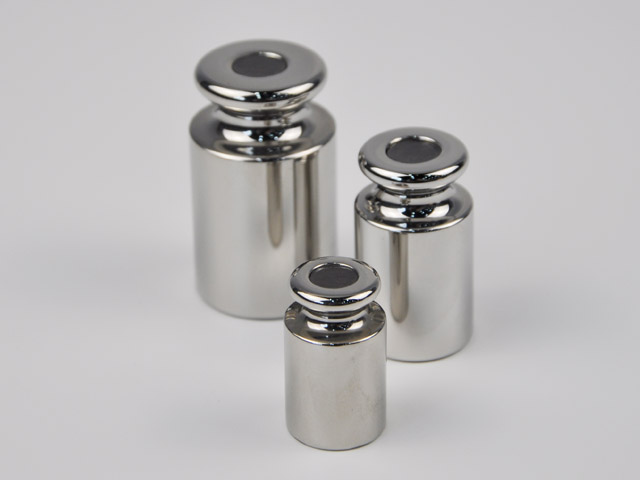
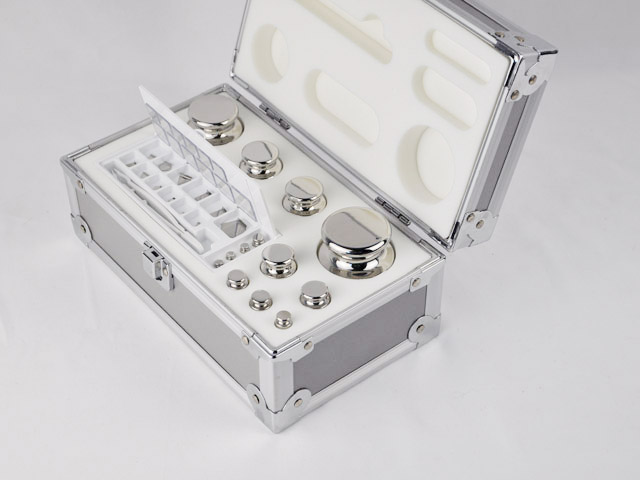
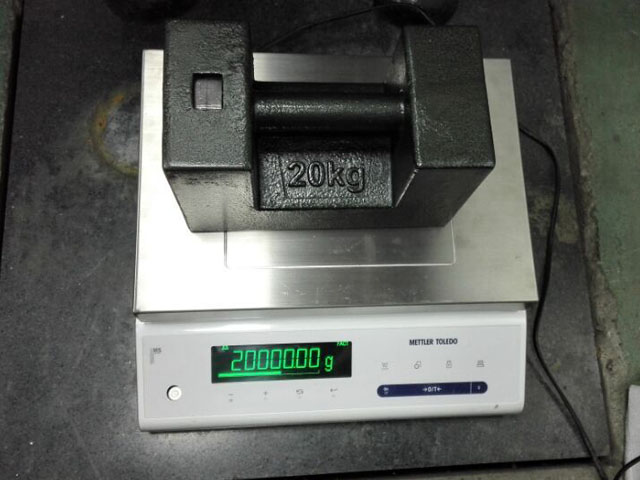

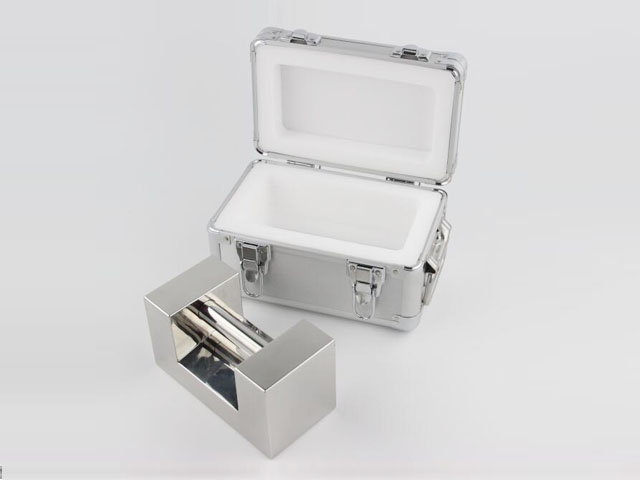
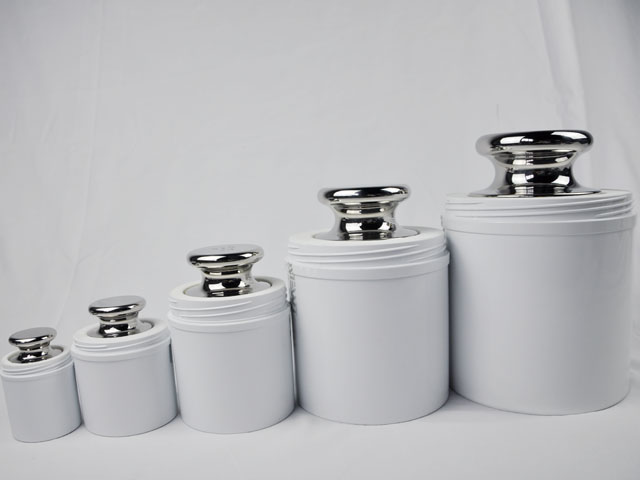
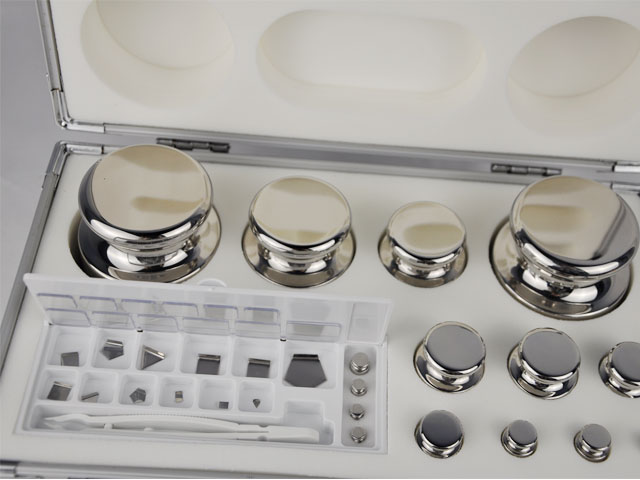
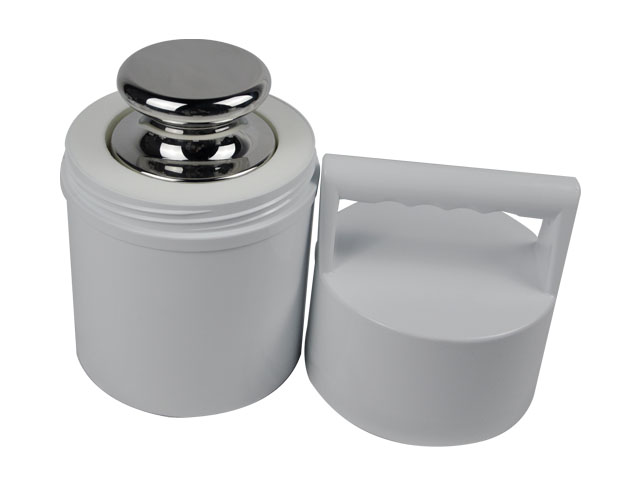
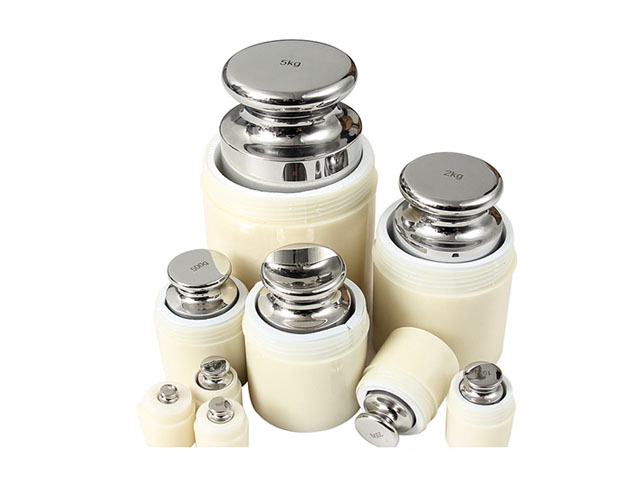
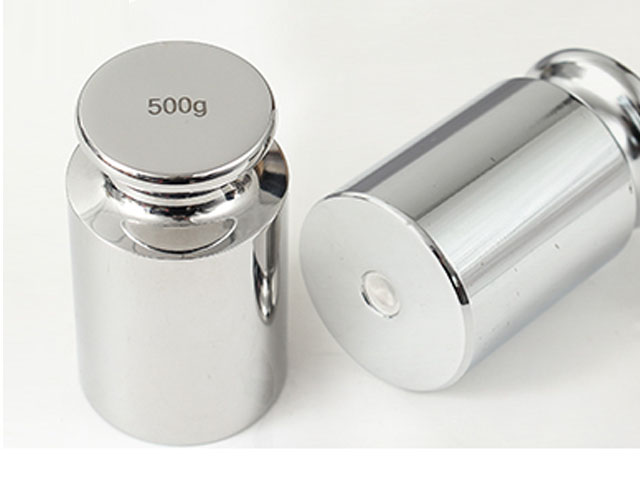
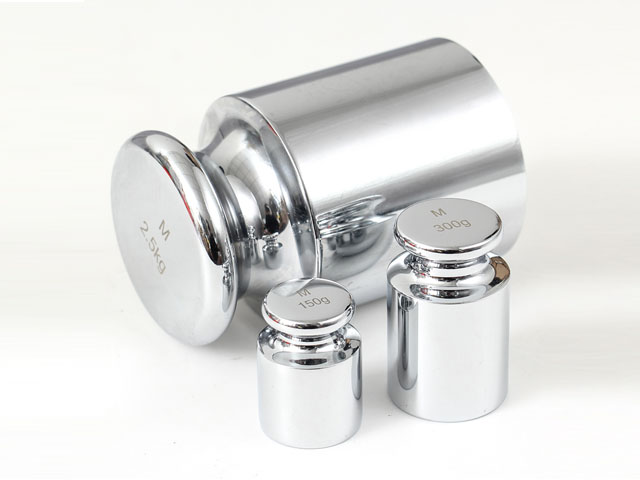
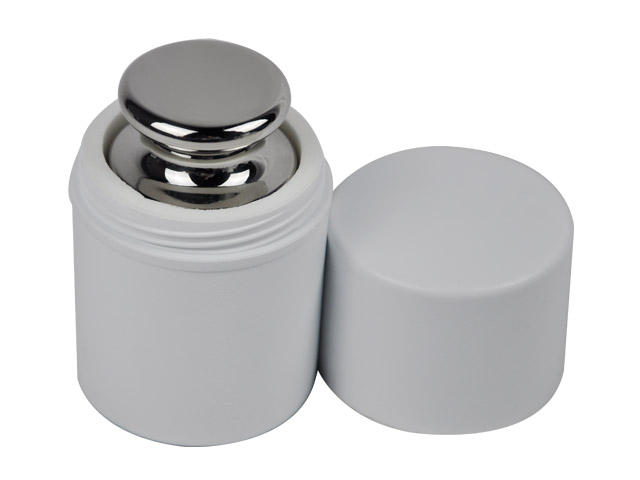
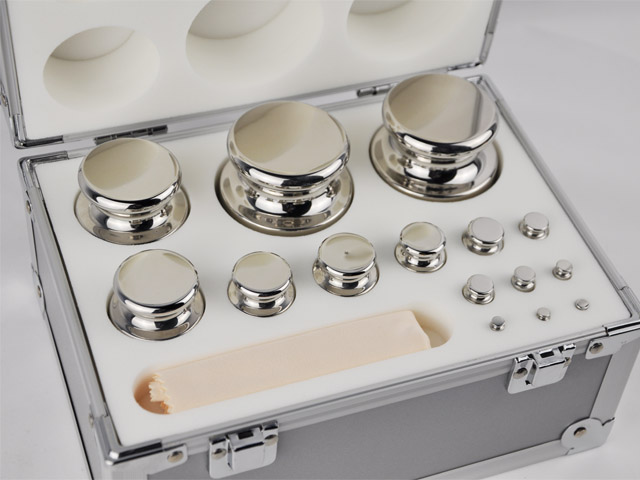
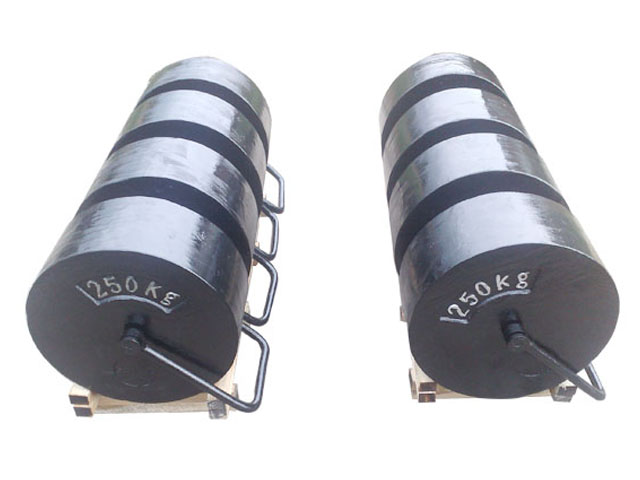
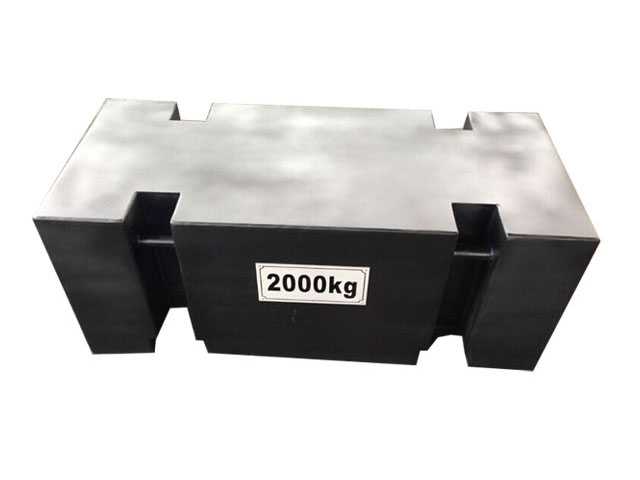
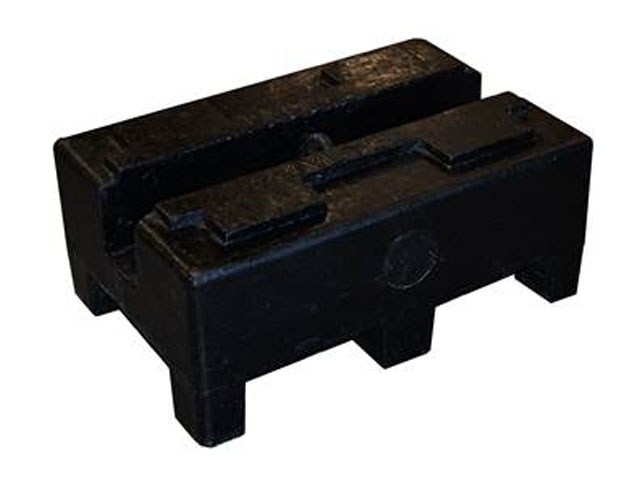
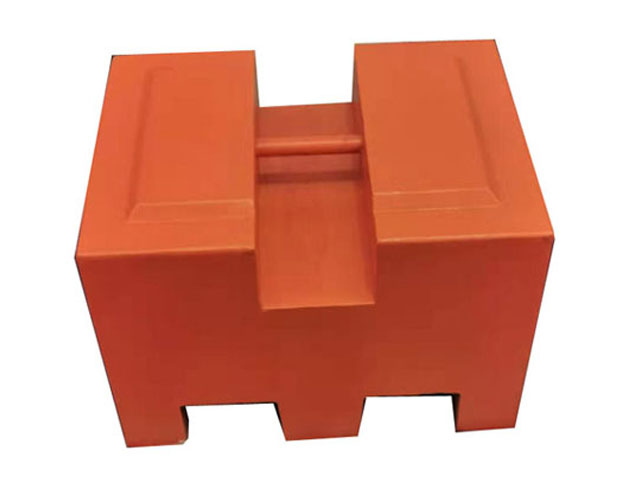
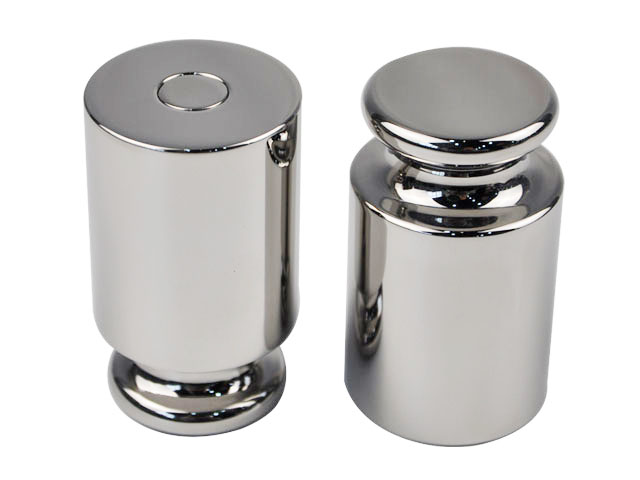
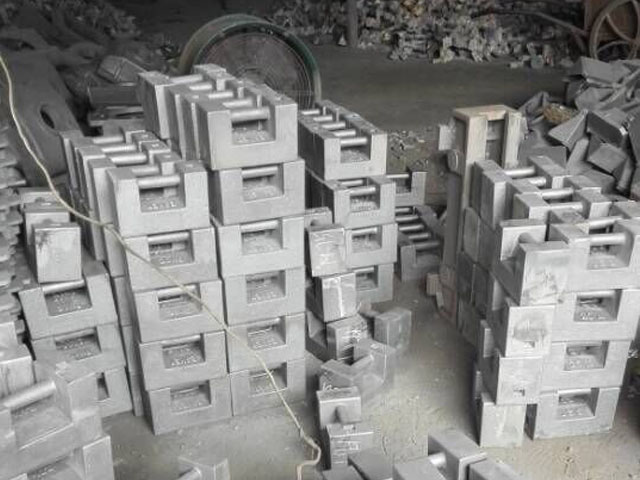
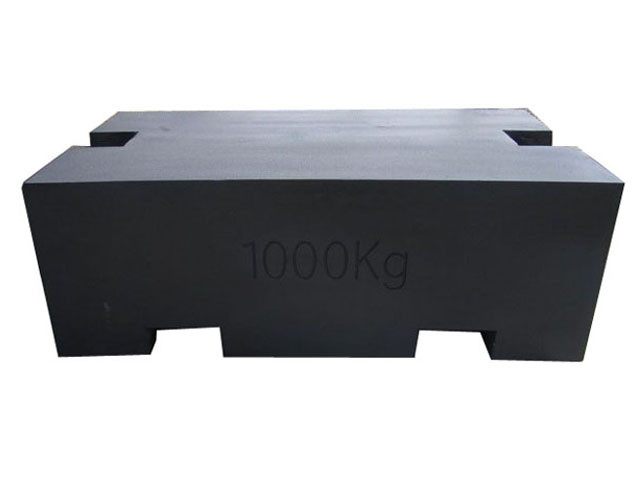
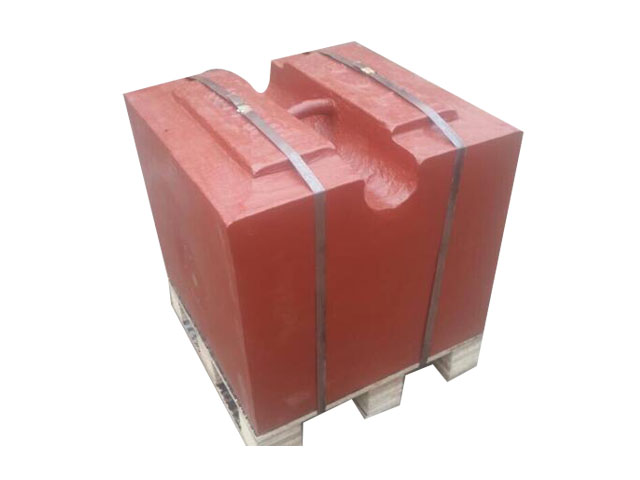
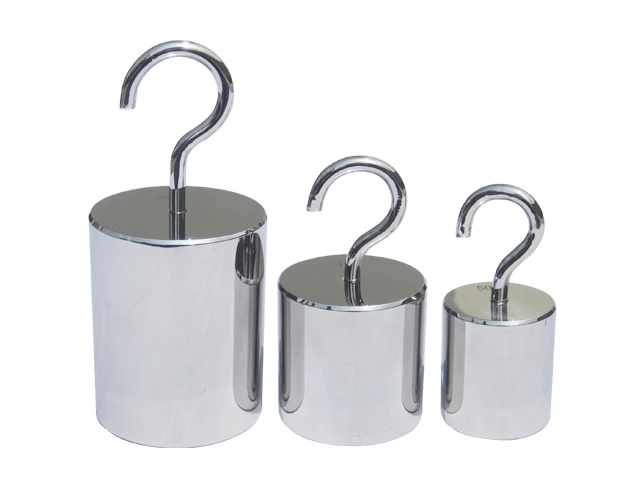
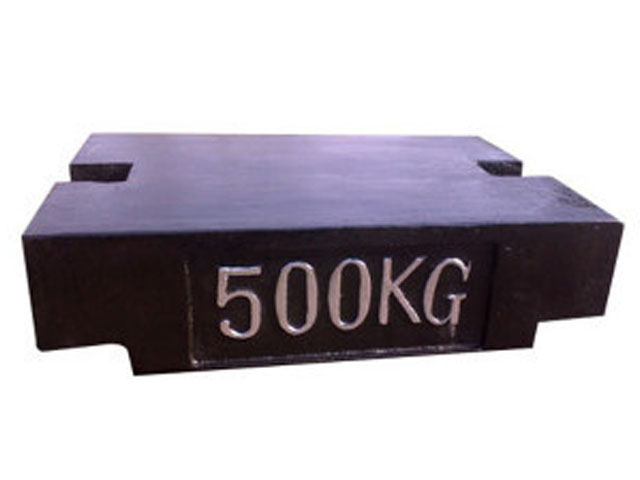
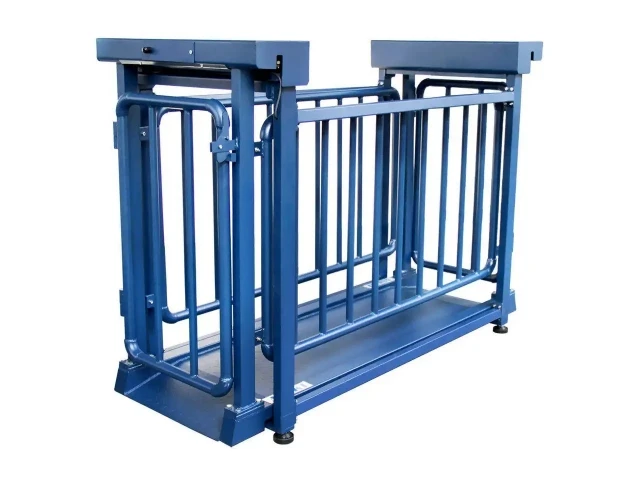
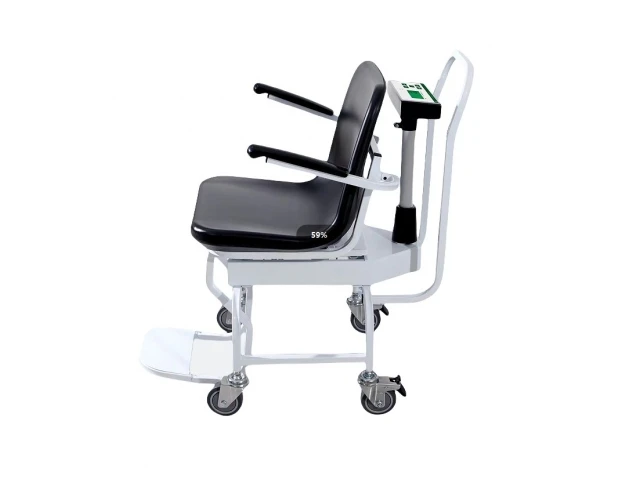
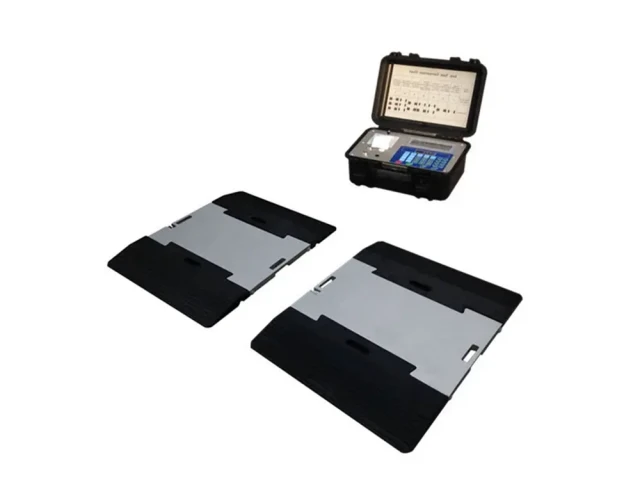
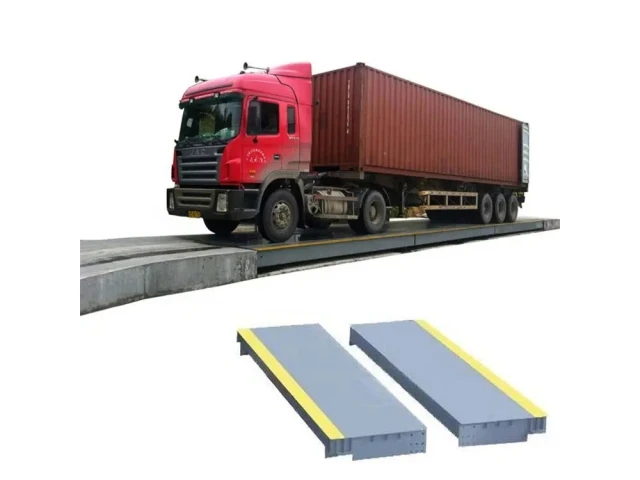
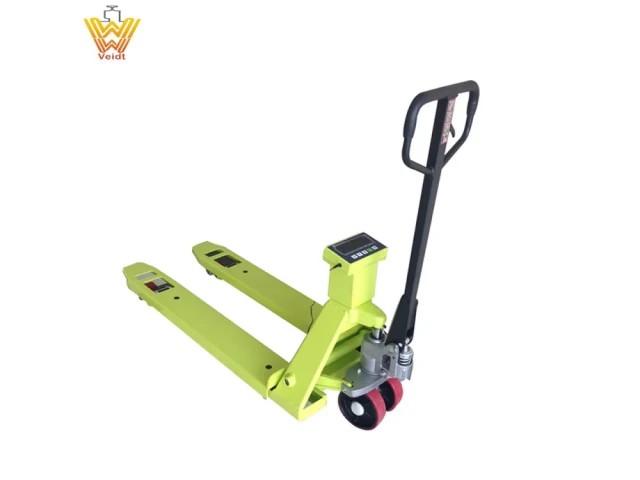
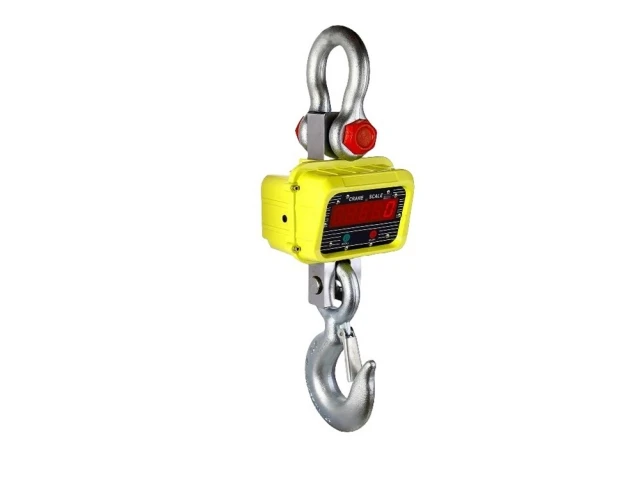
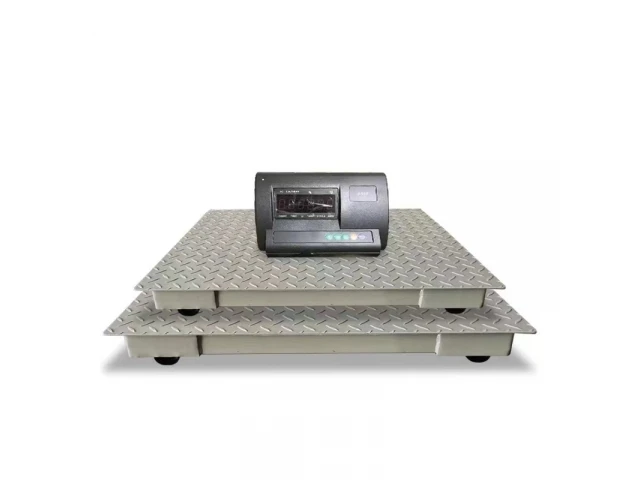
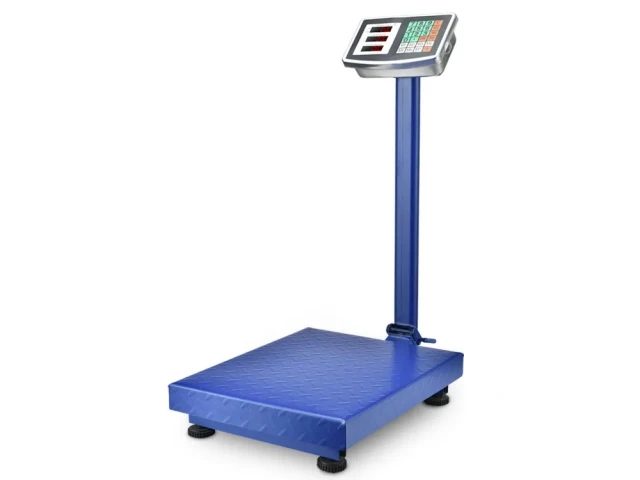
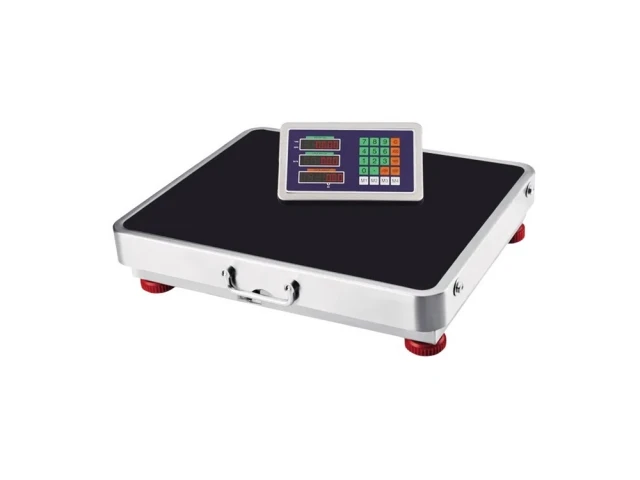
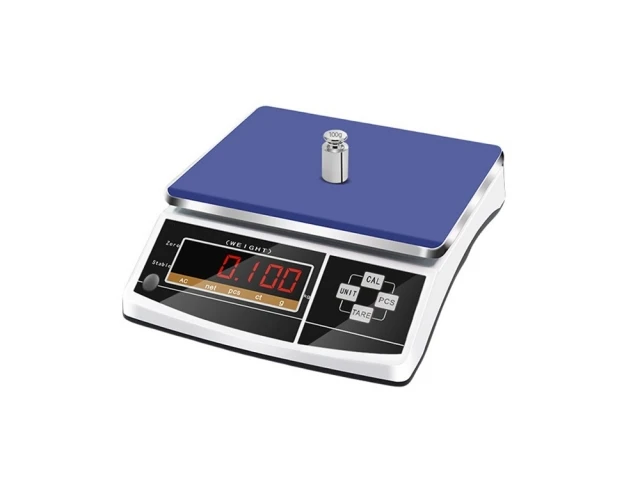
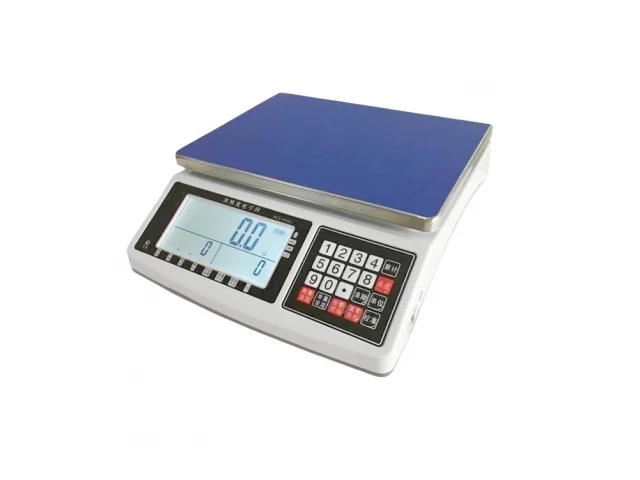
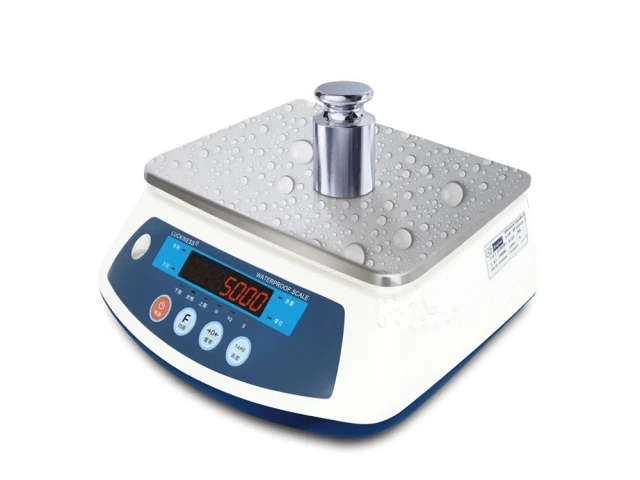
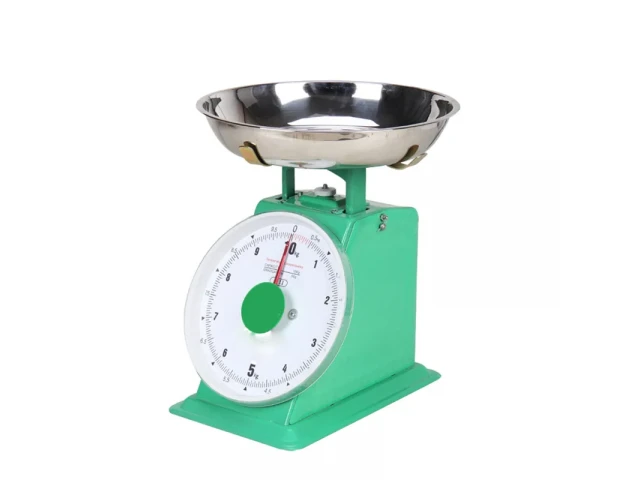
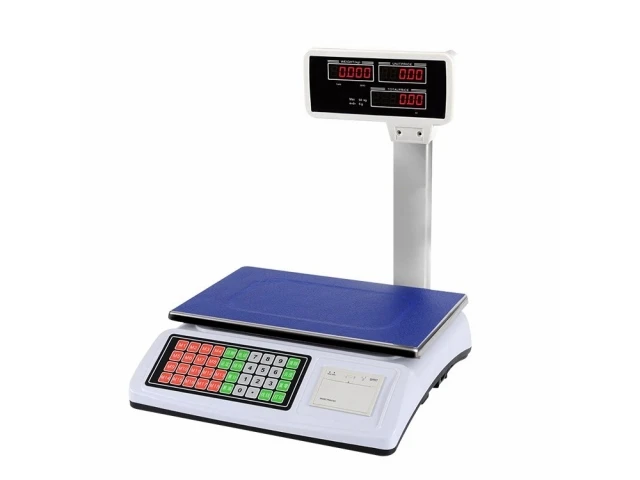
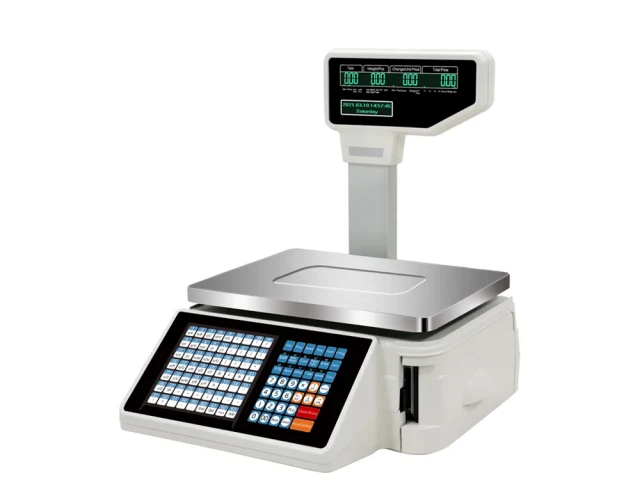
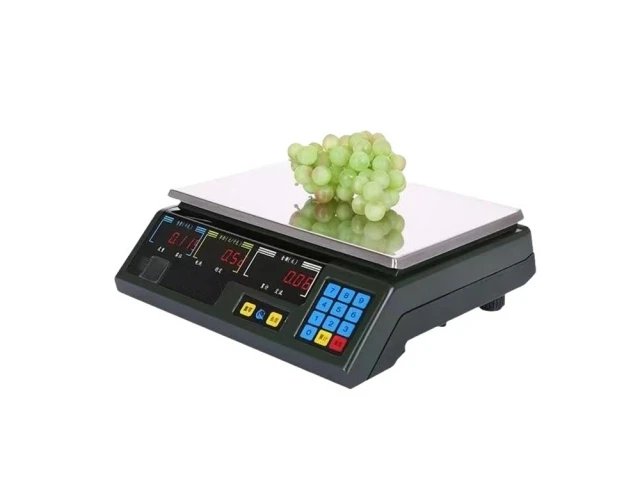
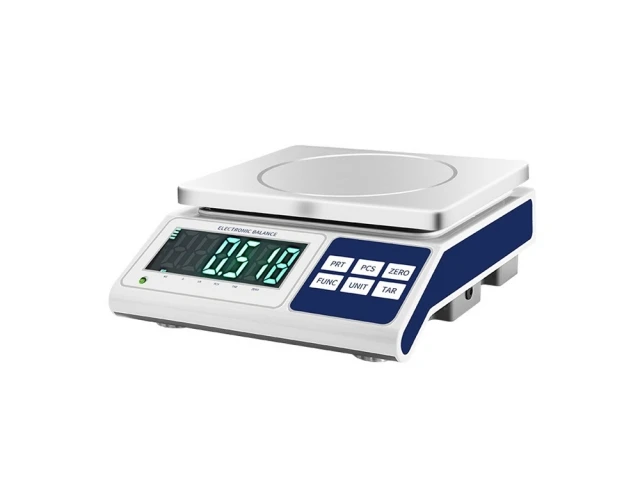

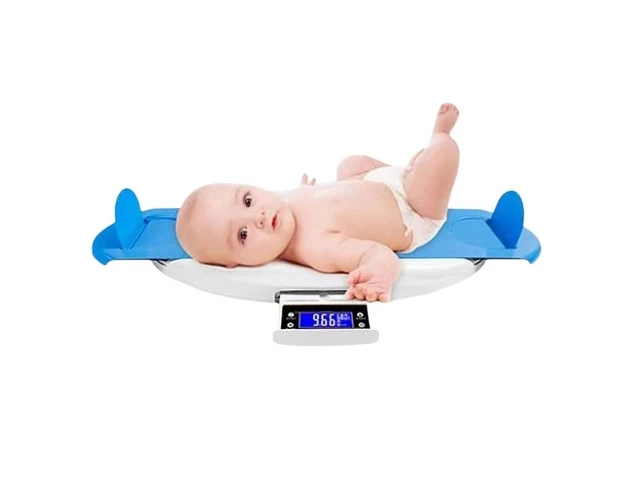

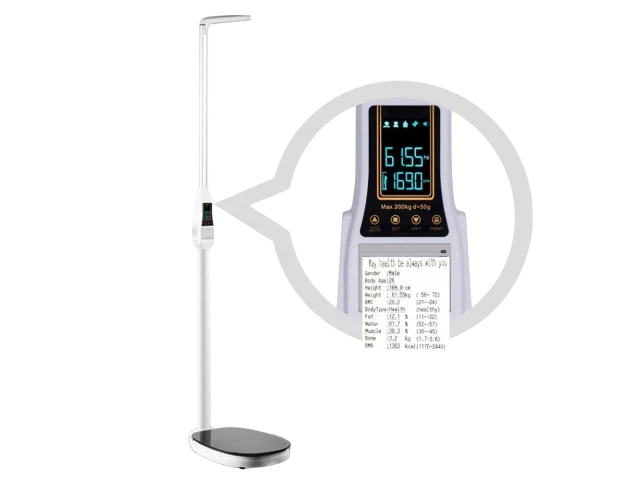
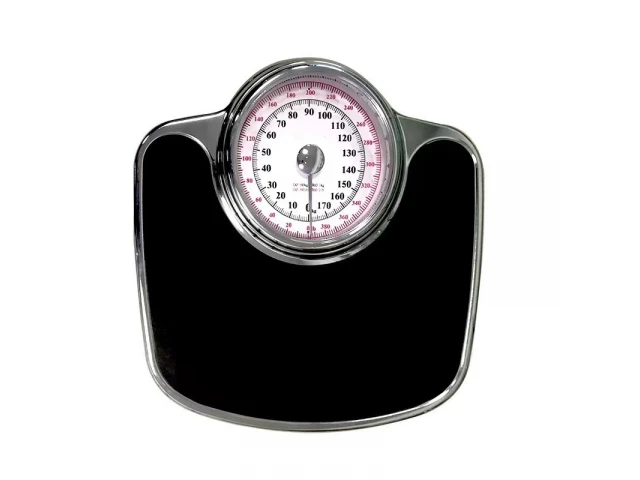
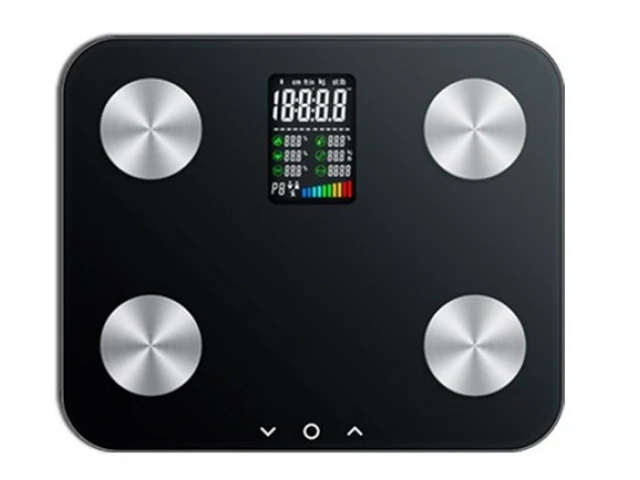
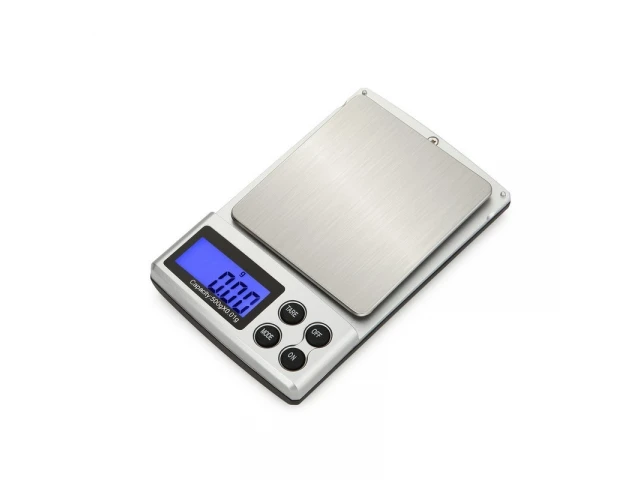
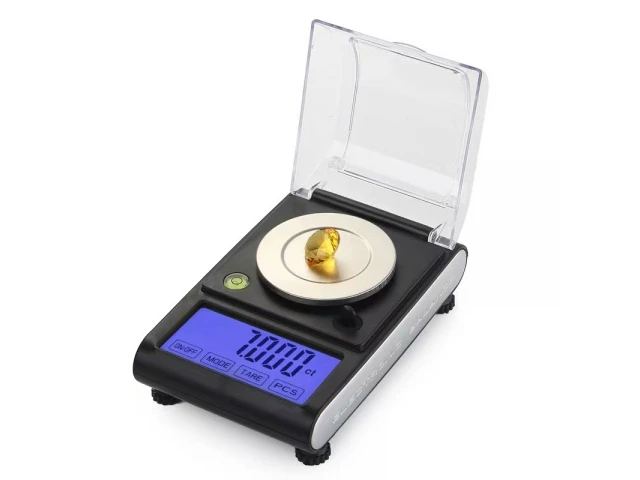



Changzhou Veidt Weighing Co., Ltd. sells various weights and related balances. The designed and manufactured goods include 0ML weights, ASTM weights, large-mass weights, right-protection weights, weight accessories, balances, etc.