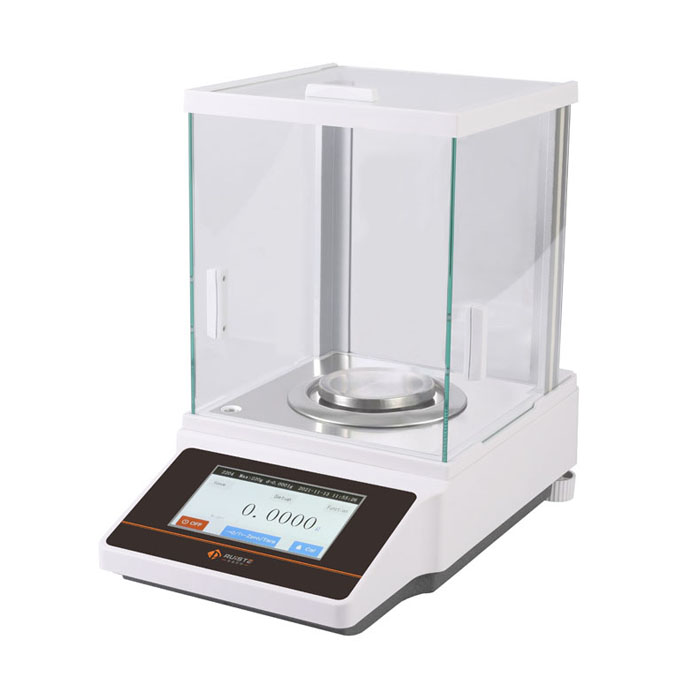
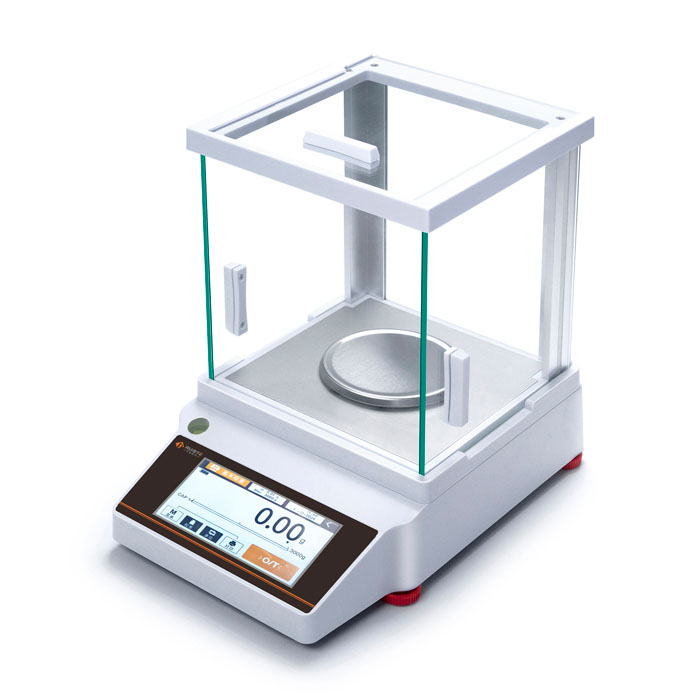
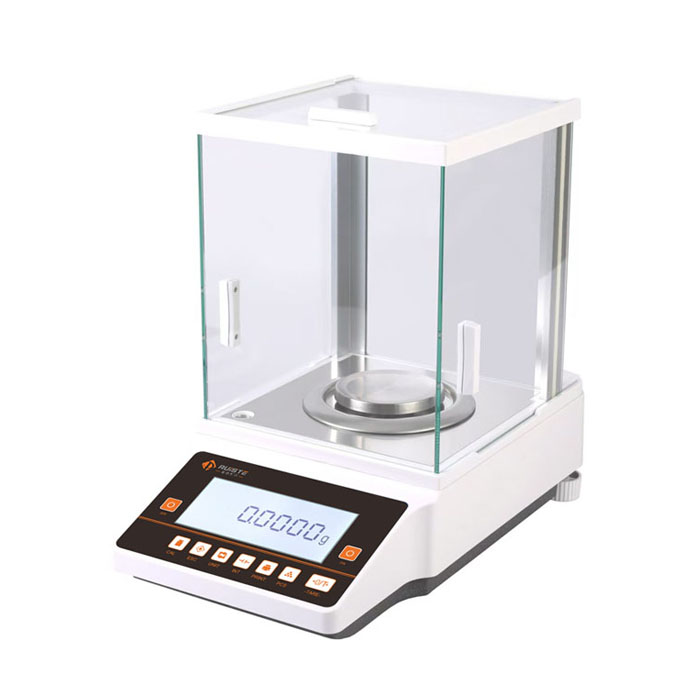
Counting Scale Wholesale
The wholesale trade of counting scales has gradually become an indispensable segment within the global weighing instrument industry, catering to diverse operational demands across commercial, industrial, and small-scale business sectors. Counting scales stand out from conventional weighing devices due to their unique functional design that combines precise weight detection with intelligent quantity calculation, making them practical auxiliary tools for businesses that need to count bulk small items with consistent specifications. In the modern commercial circulation system, wholesale channels serve as a vital bridge connecting production factories and terminal buyers, optimizing the circulation process of counting scales and enabling enterprises of varying scales to access suitable weighing equipment in a convenient manner. With the continuous advancement of global industrialization and commercialization, the market demand for counting scales maintains a steady upward trend, further driving the standardized and diversified development of the wholesale industry.
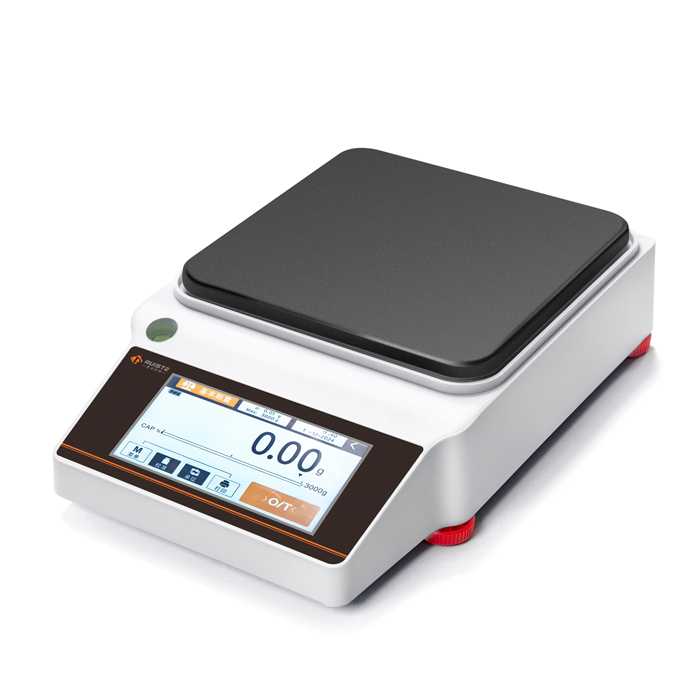
To understand the value of counting scale wholesale, it is essential to clarify the core working principles and basic application characteristics of counting scales. Unlike regular weighing scales that only measure the total mass of goods, counting scales are programmed to calculate the number of items through unit weight analysis. Users can place a small number of sample items on the scale to obtain the single-piece weight, and the equipment will automatically compute the total quantity of bulk goods based on the overall weight. This operational logic simplifies the counting process for small parts such as hardware accessories, electronic components, plastic parts, and metal screws. Most counting scales available in the current market adopt mature sensing technology, ensuring stable data output and subtle sensitivity to weight changes. Such functional attributes make counting scales applicable in multiple scenarios where manual counting is inefficient and error-prone, laying a solid foundation for the sustained development of wholesale transactions.
The application scenarios of counting scales cover a wide range of industries, which constitutes the fundamental driving force for the prosperity of the wholesale market. In the manufacturing industry, especially in electronic processing and hardware production workshops, counting scales are used to count semi-finished parts and finished products, facilitating inventory statistics and production quantity verification. Many processing factories need to sort and package small accessories in batches, and counting scales effectively reduce the error rate caused by manual counting, improving the overall production efficiency. In the warehousing and logistics sector, counting scales assist warehouse managers in sorting bulk packaged goods, conducting regular inventory checks, and maintaining accurate data of goods storage. This helps logistics enterprises optimize inventory management procedures and avoid resource waste caused by inaccurate quantity records. Retail and wholesale trading enterprises also rely on counting scales to sort and distribute small commodities, realizing standardized packaging and unified quantity management of goods.
Additionally, small-scale processing workshops, handicraft production studios, and laboratory sample statistics departments also have stable demand for medium and small-sized counting scales. These terminal buyers usually do not require high-end industrial equipment, but prioritize stable basic performance and simple operation procedures. The diversified demand from different industries enriches the product categories in the counting scale wholesale market. Wholesale suppliers usually classify products according to weighing range, sensing accuracy, body material, and functional configuration to meet the differentiated procurement needs of various buyers. This categorized supply mode not only improves the matching degree between products and user demands but also reduces the procurement selection cost for terminal enterprises.
The operational logic of the counting scale wholesale industry differs from retail sales, with obvious characteristics of batch transactions and long-term cooperation. Wholesale purchasers are mostly enterprise users, including production factories, trading companies, chain stores, and procurement service agencies. These buyers usually purchase products in batches to meet the daily operational needs of their enterprises, and they pay more attention to product stability, batch consistency, and after-sales service support compared with individual consumers. For wholesale suppliers, the core of business operation lies in establishing stable cooperative relationships with manufacturers, optimizing the supply chain system, and ensuring the continuous supply of qualified products. A complete wholesale supply chain includes raw material procurement for scale production, standardized assembly, centralized quality inspection, bulk transportation, and regional distribution links. Each link needs to maintain strict management standards to guarantee that the products delivered to terminal users have consistent performance.
In terms of regional market distribution, the counting scale wholesale industry presents a pattern of coordinated development between emerging markets and mature markets. In economically mature regions, the market demand tends to be saturated, and buyers prefer upgraded products with intelligent functions, such as counting scales with data storage and connection ports for external devices. These regions have high requirements for product appearance manufacturing precision and intelligent configuration, promoting the iterative upgrading of high-end wholesale products. In emerging industrial regions, the market demand is mainly concentrated on cost-effective basic counting scales. Local processing and manufacturing industries are in the stage of rapid development, and a large number of small and medium-sized enterprises need economical weighing and counting equipment to support daily production. This regional demand difference urges wholesale suppliers to formulate differentiated product allocation strategies according to regional industrial characteristics, so as to adapt to the market environment of different regions.
Product quality control is the core competitive factor in the counting scale wholesale industry. Since most wholesale products flow into industrial and commercial production links, unstable product performance will directly affect the production efficiency and data accuracy of buyer enterprises. Formal wholesale suppliers will conduct repeated sampling inspections on batches of counting scales before leaving the warehouse, focusing on detecting weighing sensitivity, data stability, zero reset performance, and surface durability of the equipment. For counting scales used in industrial environments, suppliers will also test the anti-interference ability of the equipment to cope with complex working conditions such as vibration and dust in the production workshop. Strict quality control procedures reduce the failure rate of products after delivery, effectively maintaining the long-term cooperative relationship between suppliers and buyers.
Service capability also occupies an important position in the competition of the counting scale wholesale market. Different from one-time retail transactions, wholesale business emphasizes long-term service interaction. Excellent wholesale suppliers can provide targeted procurement suggestions according to the production scenarios and usage frequency of buyer enterprises. For example, suppliers will recommend durable metal-shell counting scales for factories with frequent use and harsh environments, while recommending lightweight plastic-shell products for offices and laboratories with mild usage conditions. In addition, standardized after-sales support, including equipment operation guidance, daily maintenance tips, and convenient maintenance channels, can help buyers reduce equipment usage costs. Many wholesale suppliers have established professional customer service teams to answer daily consultation questions from buyers and solve common equipment operation problems in a timely manner.
In recent years, technological progress has brought obvious optimization changes to counting scale products and the wholesale industry. Traditional counting scales have single functions and relatively bulky structures, which are only suitable for simple counting work. With the popularization of intelligent electronic technology, modern counting scales are equipped with clearer display screens, sensitive sensing components, and simpler operation panels. Some optimized models support data clearing, cumulative counting, and unit conversion functions, which further expand the application scope of the equipment. At the same time, the production process of counting scales has been continuously optimized, and the standardized assembly mode of production lines reduces the production cost of single equipment, enabling wholesale suppliers to provide more cost-effective products for terminal buyers. The progress of packaging and transportation technology also reduces the damage rate of counting scales during long-distance transportation, improving the overall circulation efficiency of wholesale products.
The counting scale wholesale industry also faces multiple challenges in the development process. The market has a large number of small-scale wholesale merchants, and the uneven product quality leads to irregular market competition. Some merchants cut production costs by using inferior raw materials, resulting in unstable weighing accuracy and short service life of low-priced products. Such non-standard products not only affect the usage experience of buyers but also disrupt the benign competition order of the industry. In addition, the homogenization of conventional counting scale products is prominent. Most basic models have similar functional configurations and appearance designs, which increases the difficulty of market differentiation competition for wholesale suppliers. Fluctuations in raw material prices of electronic components and metal shells will also affect the overall cost control of wholesale enterprises, bringing certain operational pressure to the industry.
To cope with the existing industry challenges, high-quality wholesale suppliers have begun to formulate long-term optimization strategies. On the product side, suppliers actively cooperate with production factories to carry out differentiated product research and development, launching customized counting scales for specific industries, such as anti-static models for electronic component counting and waterproof models for food accessory statistics. Differentiated products can effectively avoid homogeneous price competition and improve the added value of wholesale products. In terms of supply chain management, suppliers optimize the warehousing and distribution system, classify and store different types of counting scales, and adopt scientific packaging methods to reduce product loss. Meanwhile, many wholesale merchants pay attention to brand reputation building, regulate product sales procedures, and establish complete product inspection records to gain the trust of long-term cooperative buyers.
Looking into the future, the counting scale wholesale industry will maintain a stable development trend with multiple optimization directions. The continuous growth of the global small commodity processing industry and the expansion of refined inventory management demands will keep driving the market demand for counting scales. Product intelligence will become an important development direction, and more counting scales will be compatible with data management systems to realize real-time data upload and statistical analysis, meeting the intelligent management needs of modern enterprises. In terms of industry circulation, the combination of online wholesale platforms and offline physical warehouses will become a mainstream operation mode. Online channels facilitate buyers to quickly inquire about product parameters and place batch orders, while offline warehouses support rapid product delivery and on-site equipment debugging, jointly improving the convenience of wholesale transactions.
Moreover, the industry will gradually form a more standardized supervision system. Relevant industry organizations will continuously improve the production and inspection standards of counting scales, and eliminate low-quality and unqualified products from the market. The awareness of product quality and service among wholesale suppliers will continue to increase, promoting the industry to transform from extensive price competition to high-quality service competition. For terminal buyers, the standardized development of the wholesale market means more reliable product selection channels and more perfect after-sales protection, which helps reduce the procurement risk of enterprises and optimize the daily operation management system.
In conclusion, the counting scale wholesale industry is an important supporting part of the global weighing instrument circulation field. It connects professional production resources and diversified terminal application demands, providing convenient and reliable equipment procurement solutions for various industries. Driven by technological progress, market demand upgrading, and industrial standardization construction, the industry will continuously optimize product quality, service system, and supply chain mode. Although the current market still has problems such as homogeneous competition and irregular product quality, the overall development prospect remains positive. With the continuous expansion of global commercial and industrial production scale, counting scales, as efficient and convenient counting tools, will maintain stable market demand, and the wholesale industry will also achieve more mature and standardized development in the continuous adaptation to market changes, bringing stable value output to the entire industrial chain of weighing instruments.
Counting Scale Wholesale
https://www.pruiste.com/counting-scale.html
Post Date: May 13, 2026
https://www.supplier-manufacturer.com/counting-scale/counting-scale-wholesale.html

![Waterproof Counting Scale]()
Waterproof Counting Scale
In modern industrial production, commercial circulation and daily batch material management, counting and weighing equipment has become an indispensable auxiliary tool for…![Bench Weighing Scale]()
Bench Weighing Scale
Bench weighing scales stand as one of the most essential and widely used measuring instruments across diverse commercial, industrial, and daily operational environments, s…![Precision Counting Scale]()
Precision Counting Scale
In modern production operations, small batch processing, laboratory research work, and daily material management routines, the need to quantify small items with consistent…![Digital Laboratory Balance]()
Digital Laboratory Balance
In every modern scientific research laboratory, analytical testing center, and industrial quality control laboratory, accurate mass measurement stands as one of the most f…![Electronic Analytical Balance]()
Electronic Analytical Balance
In every modern laboratory setting that relies on reliable mass determination and quantitative experimental data, the electronic analytical balance stands as an indispensa…