Electronic Analytical Balance
In every modern laboratory setting that relies on reliable mass determination and quantitative experimental data, the electronic analytical balance stands as an indispensable foundational instrument, serving as a steady and precise cornerstone for countless scientific research, industrial testing, and academic analytical work. Unlike ordinary weighing devices designed for rough mass estimation and daily bulk weighing scenarios, this type of precision measuring instrument is engineered to deliver consistent, repeatable, and highly accurate mass readings for small sample quantities, meeting the rigorous demands of qualitative and quantitative analysis across diverse professional fields. Its widespread application spans chemical component quantification, biological sample preparation, pharmaceutical formulation research, new material performance testing, environmental pollutant detection, and food ingredient analysis, with every subsequent experimental conclusion, data recording, and product quality evaluation closely tied to the stable and accurate performance of the electronic analytical balance during daily operation. The evolution of weighing technology has long moved past the era of traditional mechanical analytical balances that relied on manual weight addition and subtraction and visual scale reading, as electronic analytical balances adopt advanced internal sensing and electronic feedback control systems, effectively simplifying the overall weighing operation process, shortening the time required for stable reading output, and reducing human-induced measurement deviations that were common in traditional weighing methods. This progress in both structural design and working mechanism not only optimizes the daily use experience for laboratory operators but also lays a solid technical foundation for maintaining the uniformity and comparability of experimental data in long-term continuous analytical work.
The core working mechanism of the electronic analytical balance is based on the electromagnetic force balance compensation principle, a mature and stable physical sensing technology that realizes the accurate conversion between the gravity of the measured sample and controllable electromagnetic force, and finally converts the balanced physical state into intuitive digital mass data for display. When the instrument is in an idle standby state with no sample placed on the weighing pan, the internal load-bearing structure, connected sensing components, and coil devices suspended in the magnetic field remain in a natural horizontal equilibrium position, with the internal displacement detection sensor maintaining a stable initial signal state and no additional current input required for electromagnetic force adjustment. Once a sample to be measured is gently placed on the central area of the weighing pan, the gravity generated by the sample mass acts directly on the rigidly connected internal support and load-bearing components, causing an extremely tiny and almost imperceptible downward displacement of the overall load-bearing system. This subtle positional change cannot be identified by the human eye, but the high-sensitivity displacement detection unit inside the balance can instantly capture the slight deviation from the equilibrium position and immediately transmit the collected displacement signal to the built-in microprocessor for real-time signal processing and analysis.
After receiving the displacement signal, the microprocessor quickly calculates the magnitude of the electromagnetic force needed to counteract the sample’s gravity and restore the load-bearing system to its original balanced position, then automatically adjusts the current intensity transmitted to the internal coil installed in the permanent magnetic field. As current flows through the coil, a stable electromagnetic force matching the sample’s gravity is generated under the action of the magnetic field, gradually offsetting the downward pressure caused by the sample and pulling the displaced load-bearing structure back to the initial equilibrium state. The entire regulation process forms a closed-loop automatic feedback control system, with signal collection, data calculation, current adjustment, and force balance completion all accomplished in a very short time without any manual intervention from operators. Once the internal mechanical structure returns to the preset equilibrium position and the displacement sensor outputs a stable and unchanged signal, the microprocessor converts the current intensity data, which has a strict proportional relationship with the sample mass, into standard mass numerical information through a precise digital-to-analog conversion program, and finally presents the clear and accurate weighing result on the external digital display screen. This working mode relying on electromagnetic force balance compensation ensures that each weighing process follows consistent physical rules, avoiding systematic errors caused by mechanical friction and manual operation differences, and ensuring the stability and reliability of each measurement result.
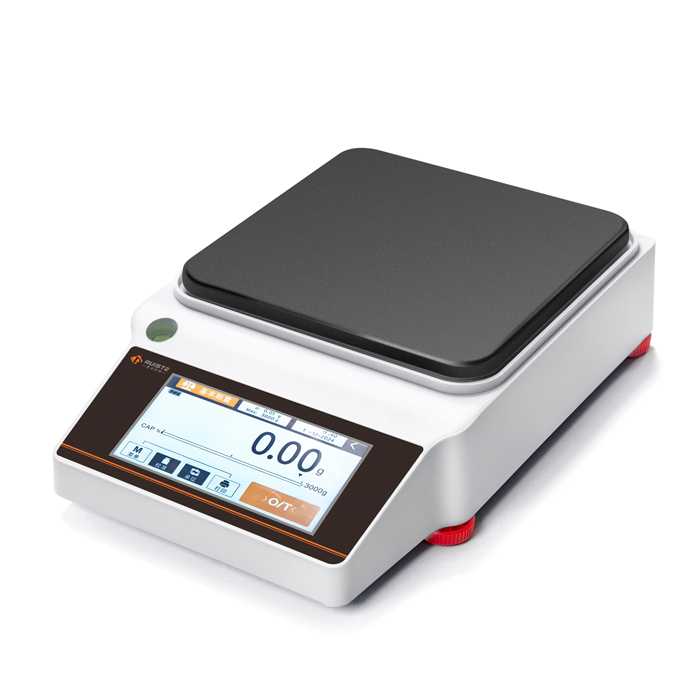
The internal structural configuration of the electronic analytical balance is carefully designed and optimized around precision measurement and anti-interference performance, with each core component playing a vital role in ensuring weighing accuracy and long-term stable operation. The external protective windshield is one of the most intuitive and important structural parts, composed of transparent and corrosion-resistant light-transmitting materials, effectively isolating the internal weighing chamber from the external complex laboratory environment. Air flow in the laboratory, subtle personnel activities, and tiny temperature changes can all easily interfere with the tiny load-bearing balance state required for high-precision weighing, and the closed windshield structure can effectively block these external interfering factors, ensuring that the weighing pan and measured sample remain in a relatively stable and static internal environment during the weighing process. The weighing pan, usually made of high-strength, corrosion-resistant, and deformation-resistant metal materials, adopts a flat and smooth structural design to ensure uniform force on the placed sample, avoiding local stress concentration and pan deformation that could affect weighing accuracy after long-term use. Beneath the weighing pan is a precision mechanical connection and buffer structure, which can evenly transmit the gravity of the sample to the internal electromagnetic sensing unit while reducing subtle vibration conduction and preventing external slight vibration from affecting the internal balance state.
The core sensing component, the electromagnetic force balance sensor, is the key device determining the weighing performance of the electronic analytical balance, with its internal coil, permanent magnet group, and high-precision displacement detector all manufactured and assembled with extremely high precision standards. The supporting base of the entire instrument is equipped with adjustable horizontal foot pads and a built-in horizontal bubble indicator, allowing operators to fine-tune the level state of the balance before each use. Keeping the instrument in a strict horizontal working state is a basic prerequisite for accurate weighing, as any tilt of the balance body will cause the load-bearing structure to bear uneven force, resulting in unavoidable systematic deviations in weighing results. The internal circuit control module and data processing unit are professionally shielded to prevent external electromagnetic signal interference from affecting signal transmission and current regulation accuracy, ensuring that the feedback regulation process of the closed-loop system is always accurate and effective. All internal components are tightly and stably installed inside the balance body shell, with good dustproof and anti-corrosion protection, reducing the impact of long-term dust accumulation and humid environment on component performance and extending the stable service life of the entire instrument.
Standardized and standardized operating procedures are essential prerequisites to ensure that the electronic analytical balance maintains accurate measurement performance and stable working condition for a long time, and any irregular operation may lead to inaccurate weighing data and even potential damage to internal precision components. Before starting the formal weighing work every day, operators need to complete a series of necessary pre-operation preparation steps to create a suitable working environment for the balance. First, it is necessary to check the placement state of the instrument, carefully observing the horizontal bubble indicator to ensure the balance is placed in a strict horizontal position, and adjusting the adjustable foot pads in time if slight deviation occurs to correct the horizontal state. Next, the external power supply of the balance should be connected in advance to preheat the instrument for a reasonable period of time; sufficient preheating allows the internal circuit system, sensing components, and microprocessor to reach a stable working temperature state, avoiding temporary signal instability and data floating caused by temperature changes of internal electronic components immediately after power-on. During the preheating period, operators can clean the weighing pan and the internal space of the windshield with a soft, clean and lint-free cloth to remove residual sample dust, debris and other dirt left by previous use, preventing residual impurities from affecting the contact state between the sample and the weighing pan and interfering with the accuracy of subsequent weighing results.
After completing the preheating and cleaning work, the zero-setting operation of the balance needs to be carried out. Under the condition of no sample on the weighing pan and the windshield closed, the one-key zero-setting function is used to calibrate the initial balance state of the instrument, eliminating the slight weight influence of the weighing pan itself and the residual pressure of the internal structure, ensuring that the initial reading of the balance is in a zero stable state. For weighing work requiring higher data accuracy, a regular calibration step can be added before formal sample weighing; calibration uses standard mass objects with stable and accurate mass values to correct the internal weighing parameters of the balance, offsetting subtle performance changes caused by long-term use, environmental changes and other factors, and keeping the weighing sensitivity and accuracy of the instrument in a good state all the time. When formally weighing samples, operators need to handle samples and weighing containers gently, avoiding violent placement, collision with the weighing pan or impact on the balance body, as excessive impact force may cause slight deformation of internal precision components and affect long-term measurement stability. Samples should be placed in the center of the weighing pan as much as possible to ensure uniform force on the load-bearing structure and avoid eccentric placement leading to unbalanced force and weighing deviation. During the weighing process, the windshield doors on all sides should be kept closed to prevent indoor air flow from blowing the weighing pan and sample, causing continuous fluctuation of readings and inability to obtain stable and accurate data.
In addition to standardized operation, good environmental management is crucial to maintaining the measurement performance of the electronic analytical balance, as high-precision weighing work is extremely sensitive to changes in the external working environment. Temperature, humidity, air flow, vibration and electromagnetic interference in the laboratory will all have varying degrees of impact on the weighing results and the working state of the balance. The most suitable working environment for the electronic analytical balance requires a stable room temperature state, avoiding rapid and frequent temperature rise and fall; drastic temperature changes will cause thermal expansion and contraction of internal mechanical components and electronic parts, leading to subtle changes in component size and performance, affecting the accuracy of electromagnetic force balance regulation and signal conversion. The ambient humidity should also be kept within a moderate and stable range; excessive humidity will easily cause moisture adhesion inside the balance, leading to corrosion of metal components and short circuit of circuit parts, while too dry air may generate static electricity, affecting the stability of signal transmission and the placement state of light samples.
The placement position of the balance should be selected in a stable corner of the laboratory, away from doors and windows, air outlets, and experimental operation areas with frequent personnel movement, to avoid air flow impact and ground vibration caused by walking and mechanical equipment operation. Long-term vibration will keep the internal load-bearing structure in a shaking state, making it impossible to stabilize the balance point and resulting in unstable and fluctuating weighing readings. At the same time, the balance should be kept away from large electromagnetic equipment and high-power electrical instruments to prevent external electromagnetic fields from interfering with the work of the internal electromagnetic sensor and circuit control module, ensuring that the electromagnetic force regulation and signal processing processes are not affected by external interference. Keeping the surrounding environment of the balance clean and tidy and avoiding dust accumulation and chemical volatile gas corrosion can effectively reduce the aging speed of internal components and maintain the long-term stable working performance of the instrument.
The electronic analytical balance has extremely wide and irreplaceable application value in multiple professional fields, providing reliable mass data support for various experimental research and industrial detection work. In chemical laboratory analytical work, it is mainly used for the accurate weighing of standard reagents, raw material samples and prepared solution solutes, and the accurate preparation of standard solutions required for titration analysis, spectral detection and chemical reaction experiments. The accuracy of solute mass directly affects the concentration accuracy of prepared solutions, and further determines the authenticity and effectiveness of subsequent chemical reaction data and component detection results; any slight weighing error may lead to deviation of experimental data and affect the correctness of chemical analysis conclusions. In pharmaceutical research and pharmaceutical production testing links, the electronic analytical balance is used for the precise proportioning of pharmaceutical raw materials, the weighing of effective pharmaceutical ingredients and the quality inspection of finished pharmaceutical products, ensuring that the proportion of each component in pharmaceutical formulations meets experimental research and production specifications, and guaranteeing the safety and effectiveness of pharmaceutical products.
In biological research and biochemical experimental work, the balance is responsible for the accurate weighing of biological samples, culture medium raw materials, microbial culture reagents and experimental additives, providing accurate basic data for microbial culture, biological component extraction, gene research and biochemical reaction experiments. In the field of new material research and development and industrial material performance testing, researchers need to accurately weigh small batches of new material raw materials, modified additives and test samples to explore the relationship between material component proportion and material performance, and the accurate mass data provided by the electronic analytical balance is an important basis for material formula optimization and performance improvement. In environmental monitoring and food safety testing, it is used for the weighing of environmental sediment samples, food detection samples and detection reagents, supporting the accurate detection of harmful substances and nutrient content, and providing data support for environmental governance and food safety supervision. In university and scientific research institution teaching and experimental training, the electronic analytical balance is also a necessary teaching and experimental instrument, helping students and researchers master standardized precision weighing operation methods and cultivate rigorous experimental operation habits and scientific research thinking.
Daily maintenance and regular maintenance work are important measures to prolong the service life of the electronic analytical balance and maintain its long-term accurate measurement performance, and scientific maintenance can effectively reduce instrument failure rates and avoid frequent performance calibration and component replacement. After each daily use, operators should timely clean the weighing pan and the internal space of the windshield, carefully wiping off sample residues, dust and liquid stains with a soft dry cloth; for stubborn dirt that is not easy to clean, a small amount of neutral cleaning solution can be used for gentle wiping, and drying treatment should be done in time to prevent liquid from penetrating into the inside of the balance and corroding internal components. It is forbidden to use corrosive cleaning agents and hard cleaning tools to avoid scratching the surface of the weighing pan and damaging the internal precision structure. When the balance is not used for a long time, the power supply should be cut off in time, and the dust cover should be used to cover the entire instrument to prevent long-term dust accumulation from affecting the flexibility of mechanical components and the sensitivity of sensing parts.
Regular comprehensive inspection and maintenance should be arranged every certain period of time, including checking the flexibility of the windshield switch, the stability of the weighing pan placement, the sensitivity of the horizontal adjustment structure, and whether the power supply circuit connection is loose or aging. For the internal sensing components and circuit systems that cannot be disassembled by themselves, professional maintenance personnel can be arranged for regular inspection and debugging to ensure that all parts work normally. During daily use, it is forbidden to place overweight samples beyond the weighing range on the balance, and avoid weighing corrosive, volatile and strong adsorptive samples directly on the weighing pan; such samples should be placed in sealed and stable weighing containers first to prevent sample corrosion and volatilization from damaging the balance and affecting weighing accuracy. Good maintenance habits can keep the electronic analytical balance in a stable working state for a long time, ensure the consistency and repeatability of each weighing work, and provide continuous and reliable precision measurement support for long-term laboratory scientific research and analytical detection work.
Electronic Analytical Balance
https://www.pruiste.com/analytical-balance.html
Post Date: May 5, 2026
https://www.supplier-manufacturer.com/analytical-balance/electronic-analytical-balance.html

![Digital Viscometer Exporter]()
Digital Viscometer Exporter
Viscosity stands as one of the most fundamental physical properties of fluid materials, reflecting the internal friction and flow resistance of substances during movement.…![Digital Viscometer For Sale]()
Digital Viscometer For Sale
Viscosity serves as one of the most fundamental physical properties of fluid substances, reflecting the internal friction and flow resistance of liquids during movement. I…![Industrial Digital Viscometer]()
Industrial Digital Viscometer
Viscosity stands as one of the most critical physical properties of fluid materials, reflecting the internal frictional resistance that occurs when a fluid undergoes flow …![Gravimetric Moisture Analyzer]()
Gravimetric Moisture Analyzer
Moisture content stands as one of the most critical physical parameters that define the quality, stability, and processing performance of diverse materials across industri…![Automatic Moisture Analyzer]()
Automatic Moisture Analyzer
Moisture content stands as one of the most critical physical indicators that determine the quality, stability and practical performance of various raw materials and finish…