Ultra-micro Analytical Balance
In the sophisticated ecosystem of modern experimental science, precise mass measurement serves as an indispensable foundation for data acquisition and experimental deduction. The ultra-micro analytical balance stands out as a refined weighing instrument engineered to detect extremely subtle mass variations of tiny samples, catering to the rigorous measurement demands of high-precision scientific research and industrial testing. Different from conventional weighing devices that focus on macroscopic mass measurement, this type of instrument is tailored for microscale samples, with the capability to capture minimal mass changes that are undetectable by ordinary analytical balances. Its unique structural design and operating principles enable stable and accurate quantification of trace substances, making it a fundamental piece of equipment in numerous advanced research fields. With the continuous advancement of experimental technology and the growing stringent requirements for data accuracy, the application scope of ultra-micro analytical balances keeps expanding, covering diverse sectors from chemical analysis and biomedical research to material science and environmental monitoring.
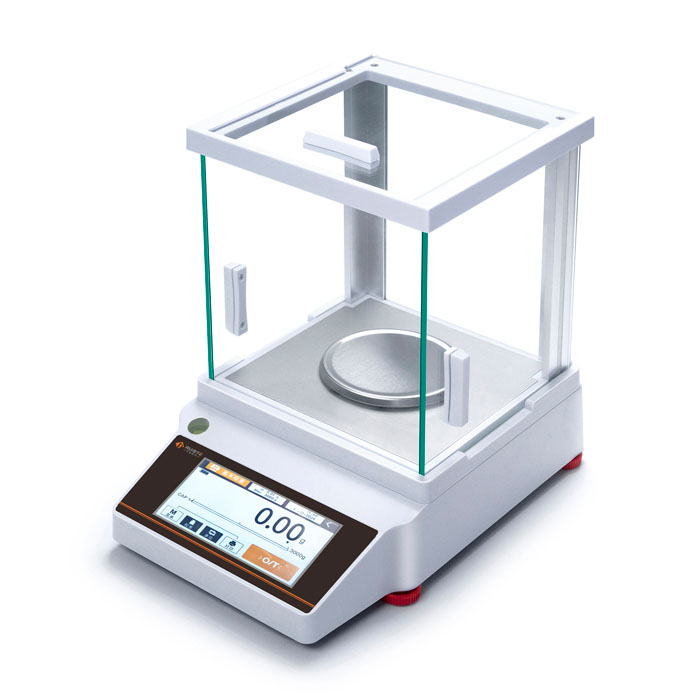
The core working mechanism of ultra-micro analytical balances relies on the electromagnetic force compensation principle, a mature and reliable sensing technology widely adopted in high-precision weighing equipment. When a tiny sample is placed on the weighing pan, the subtle gravitational force generated by the sample triggers a slight displacement of the internal mechanical transmission structure. The built-in displacement sensor promptly captures this micro displacement signal and converts it into an electrical signal, which is then transmitted to the internal control circuit system. The intelligent circuit adjusts the current intensity of the electromagnetic coil in real time, generating an electromagnetic force that counteracts the gravitational force of the sample. This closed-loop regulation system continuously corrects the force balance state to push the mechanical structure back to its initial equilibrium position. Throughout this process, the current passing through the coil maintains a stable positive correlation with the mass of the loaded sample. By calibrating the current-mass conversion relationship in advance, the internal data processing module can accurately calculate and display the mass value of the sample. Compared with traditional mechanical balancing structures, the electromagnetic force compensation structure reduces mechanical friction interference, lowers signal delay, and delivers superior stability during long-term continuous measurement.
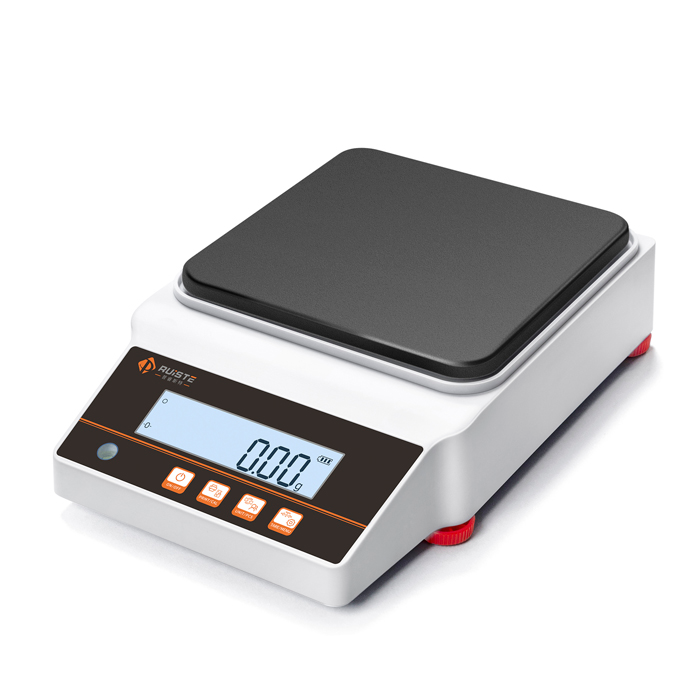
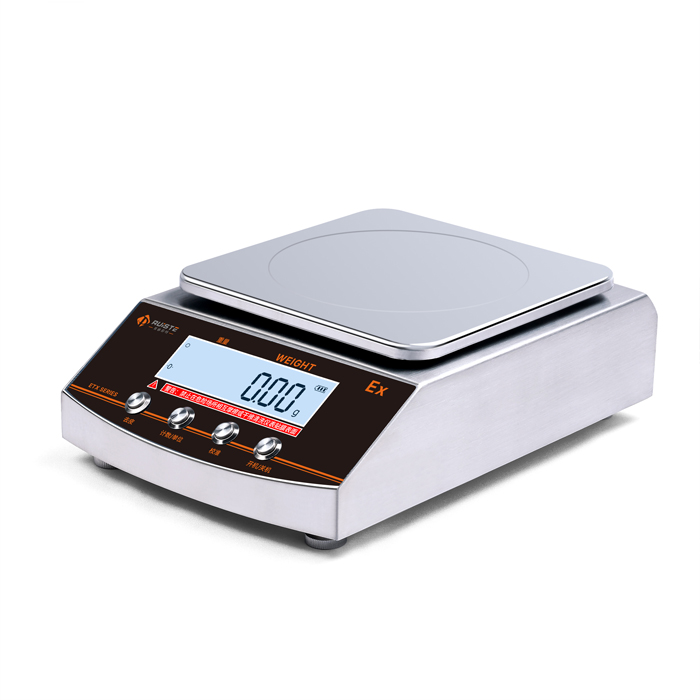
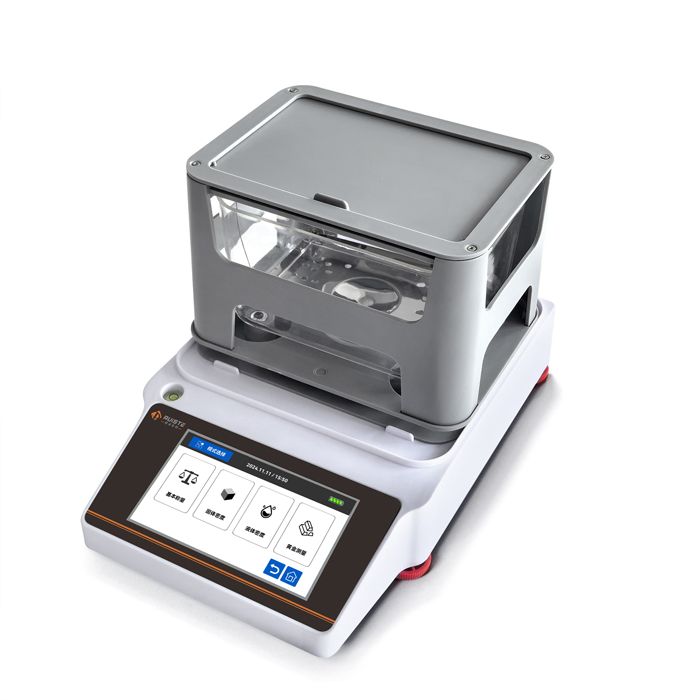
The overall structural configuration of ultra-micro analytical balances is meticulously optimized to adapt to ultra-high sensitivity measurement requirements. The external shell is made of high-density inert materials, which can effectively isolate external electromagnetic interference and reduce the impact of ambient temperature changes on internal components. A fully enclosed transparent wind shield is equipped on the outer layer of the weighing area, composed of multiple detachable glass or transparent resin plates. This enclosed design blocks tiny airflow fluctuations in the surrounding environment, as even faint air convection can cause data deviation in micro-sample weighing. The internal weighing pan adopts a lightweight and corrosion-resistant metal material with a smooth and flat surface, which ensures uniform stress on the sample and avoids mass measurement errors caused by sample adhesion. Beneath the weighing platform, a shock-absorbing base structure is installed, paired with adjustable horizontal supporting feet. This design can offset subtle vibration interference transmitted through the ground, maintaining the horizontal balance of the instrument during operation. In addition, the internal sensing components are sealed in a dry and dust-proof cavity to prevent fine dust, moisture and other impurities from adhering to precision parts, which helps sustain long-term measurement performance of the equipment.
Environmental control constitutes a critical prerequisite for ensuring the measuring accuracy of ultra-micro analytical balances. Due to their extremely high sensitivity, these instruments are highly susceptible to fluctuations in external environmental conditions. The applicable ambient temperature range for normal operation is relatively narrow, and abrupt temperature swings must be avoided during use. Drastic temperature changes can cause thermal expansion and contraction of internal metal components, altering the stress state of the sensing structure and resulting in measurement drift. Ambient humidity also needs to be strictly controlled; excessive humidity may lead to moisture condensation on internal circuits and metal parts, triggering oxidation or short-circuit risks, while overly dry air tends to generate static electricity, which can adsorb tiny powder samples and interfere with weighing results. Moreover, the placement environment should stay away from strong electromagnetic radiation sources such as high-power electrical equipment, as electromagnetic radiation can disrupt the stable operation of the internal electromagnetic coil and sensor signal transmission. It is generally recommended to place the instrument in an independent closed laboratory space with stable temperature and humidity, equipped with vibration isolation platforms to further eliminate external interference factors.
Standardized operating procedures are essential to maximize the performance of ultra-micro analytical balances and extend their service life. Before conducting formal measurement, operators need to inspect the instrument status comprehensively, including checking the horizontal level of the equipment, the tightness of the wind shield, and the cleanliness of the weighing pan. A preheating process is required after startup, allowing the internal circuit and sensing components to reach a stable working state and reduce systematic errors caused by temperature changes of electronic parts. For sample loading, specialized non-stick sampling tools should be used to avoid direct contact between hands and the weighing pan, as skin grease and sweat residues may leave subtle contaminants and affect subsequent measurement accuracy. When placing samples, gentle and slow movements are necessary to prevent instantaneous impact force from causing structural vibration and data fluctuation. After the instrument displays stable numerical values, the mass data can be recorded. It is worth noting that frequent opening of the wind shield during measurement should be reduced to minimize airflow disturbance. After completing the measurement task, operators need to clean the weighing pan and the internal wind shield cavity, remove residual sample debris, and cut off the power supply after confirming the instrument returns to a static standby state.
Ultra-micro analytical balances have profound application value in multiple scientific and industrial fields. In chemical analytical experiments, they are used for the precise weighing of trace reagents, high-purity crystalline powders and microscale solutes, providing accurate mass data for the configuration of ultra-low concentration solutions and the quantitative analysis of chemical reactions. In biomedical research, the instrument is applied to the weighing of biological micro-samples such as cell particles, biological enzymes and microbial cultures, supporting the exploration of microbial growth mechanisms and biological component ratio analysis. In the field of new material research, researchers utilize this equipment to measure ultra-fine nanomaterials, high-purity alloy particles and composite material micro-components, analyzing the mass change characteristics of materials under different environmental conditions to optimize material formulation and preparation processes. Environmental monitoring departments rely on it to detect trace pollutants in air dust, water sediments and soil micro-samples, realizing quantitative analysis of harmful substances and providing data support for environmental pollution assessment and governance. In addition, it also plays a vital role in pharmaceutical research, forensic detection and geological mineral analysis, meeting the refined measurement needs of various professional scenarios.
Reasonable daily maintenance and fault prevention measures are conducive to maintaining the long-term stable operation of ultra-micro analytical balances. Daily cleaning work should focus on dust removal and decontamination; soft dust-free cloths and neutral volatile cleaning agents can be used to wipe the weighing pan and wind shield, and corrosive chemical cleaners are prohibited to avoid damaging the surface protective layer of components. The instrument should be kept in a dry and dust-free storage environment when not in use, and a moisture-proof desiccant can be placed around the placement area to prevent moisture erosion. Regular horizontal calibration and blank calibration are required to eliminate cumulative errors generated by long-term use and ensure the consistency of measurement data. Operators should avoid overloading the instrument; although the internal structure has certain pressure resistance, long-term overload bearing will cause irreversible fatigue deformation of the sensing components and reduce measurement sensitivity. In case of abnormal data fluctuation or unresponsive display during operation, the power supply should be cut off in time for static inspection, and professional maintenance personnel should be contacted for debugging instead of disassembling internal parts without authorization.
With the continuous progress of precision manufacturing technology and intelligent control algorithms, ultra-micro analytical balances are evolving toward more optimized structural design, faster response speed and stronger anti-interference capability. Modern optimized models integrate intelligent data recording functions, which can automatically store measurement data, record operation time and sample information, reducing manual recording errors and facilitating experimental data traceability. Some improved structures adopt integrated one-piece sensing components, which simplify the internal transmission structure, lower mechanical failure probability, and further enhance the stability of micro-signal capture. While maintaining high measurement accuracy, the human-computer interaction interface is continuously optimized to simplify operation steps and lower the technical threshold for operators. In the future, with the deepening of microscale research in various disciplines, the demand for ultra-micro precision weighing will continue to rise, driving the continuous technological iteration of ultra-micro analytical balances. These instruments will serve as crucial technical supports for exploring microcosmic material characteristics, promoting the innovative development of scientific research and industrial manufacturing industries.
Throughout the entire application process of ultra-micro analytical balances, the coordination of structural performance, environmental conditions and standardized operation determines the quality of measurement results. Its unique electromagnetic force balancing mechanism, refined anti-interference structure and sensitive signal recognition capability make it an essential tool for micro-sample mass measurement. From basic scientific research to industrial refined detection, this instrument provides reliable data guarantees for various high-precision experimental activities. By mastering its working principles, standard operating specifications and daily maintenance methods, users can effectively exert the instrumental performance, reduce measurement errors, and ensure the authenticity and repeatability of experimental data. As an important carrier of modern precision measurement technology, ultra-micro analytical balances will always occupy an irreplaceable position in the field of microscale detection and continuously empower the innovative development of various professional research fields.
Ultra-micro Analytical Balance
https://www.pruiste.com/analytical-balance.html
Post Date: May 19, 2026
https://www.supplier-manufacturer.com/analytical-balance/ultra-micro-analytical-balance.html

![Digital Analytical Balance]()
Digital Analytical Balance
In the modern landscape of scientific research, industrial production, and material quality inspection, precise mass measurement stands as an indispensable foundational li…![Digital Electronic Balance]()
Digital Electronic Balance
In the modern landscape of precision measurement and industrial production, the digital electronic balance has evolved into an indispensable foundational device that bridg…![What is Analytical Balance]()
What is Analytical Balance
In the fields of precision experimental testing, sophisticated production processing, and scientific research and development, accurate mass weighing is the primary prereq…![Weighing Balance RSB-W SERIES]()
Weighing Balance RSB-W SERIES
The RSB-W series adopts high-definition keys, which is economical. The entire series of balances adopt Nuosheng sensors, brand sensors, and aluminum alloy structure to ens…![Specifications of Digital Viscometer]()
Specifications of Digital Viscometer
Digital viscometers are essential analytical instruments designed to quantify the viscosity characteristics of various liquid substances, serving as core testing equipment…