What is Counting Scale
In many fields such as industrial production, warehousing and logistics, hardware processing, and daily material management, the accurate counting of small materials and the quantity verification of bulk goods are basic and essential links. Manual counting is not only time-consuming and labor-intensive, but also prone to counting errors due to visual fatigue and human negligence, which affects the efficiency of production preparation, inbound and outbound management, and material accounting. As a special measuring instrument that realizes accurate piece counting through weight conversion, a counting scale solves the problem of counting tiny items, batch parts and standardized small bulk goods relying on the dual collaborative advantages of weighing and counting. It replaces the extensive manual counting with scientific measurement logic and has become an indispensable basic weighing equipment in refined material management scenarios. Different from ordinary weighing scales, the core working principle of counting scales is to first calculate the average weight of a single item through sample weighing, and then convert the total quantity of materials accurately based on the total weight. It balances weighing accuracy and counting efficiency, adapting to the diverse counting needs of different working conditions and various specifications of materials.
Scientific Classification of Counting Scales for Differentiated Operation Needs
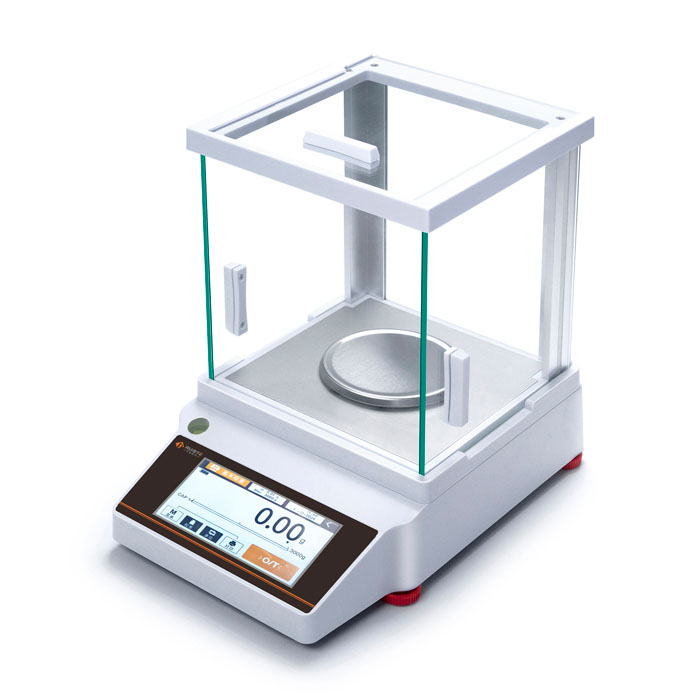
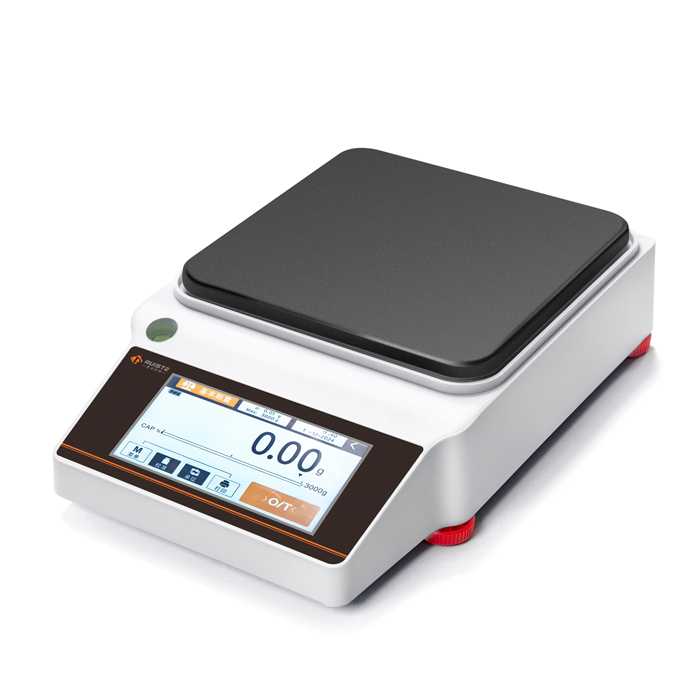
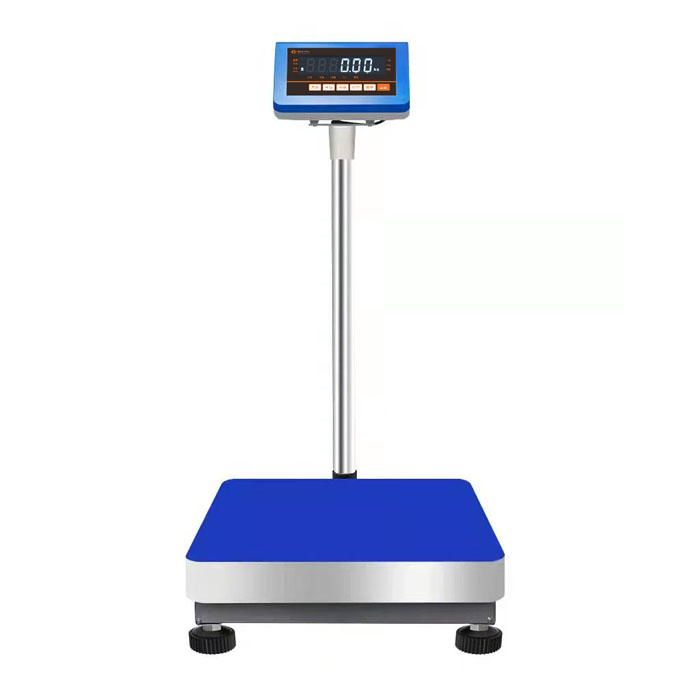
The classification of counting scales follows three core principles: working condition adaptation, weighing range and application form. Equipment under different classification dimensions has its own focus on applicable scenarios and operating capabilities, which can accurately meet the full-range counting requirements from high-precision counting of light small parts to bulk counting of heavy-duty materials. Divided by application form, counting scales are mainly categorized into tabletop, floor-standing and portable types. Tabletop counting scales are compact in size, neat in platform, easy to place, with a small weighing range and high measurement accuracy. They are mainly suitable for refined small-part counting at desktop workstations, ideal for counting small hardware parts, electronic components, miniature plastic accessories and other tiny materials. Floor-standing counting scales feature a stable body and strong load-bearing capacity. Their base is placed on the ground without shaking, with a greatly increased weighing range. They can handle the counting of bulk materials in boxes and baskets, suitable for heavy-duty operations such as large-scale production inventory in factory workshops and bulk goods verification in warehouses. Portable counting scales have a compact structure and light weight, support dual AC and DC power supply, and can be moved freely, adapting to mobile operations such as mobile inspection, temporary outdoor inventory and alternating counting at multiple workstations.
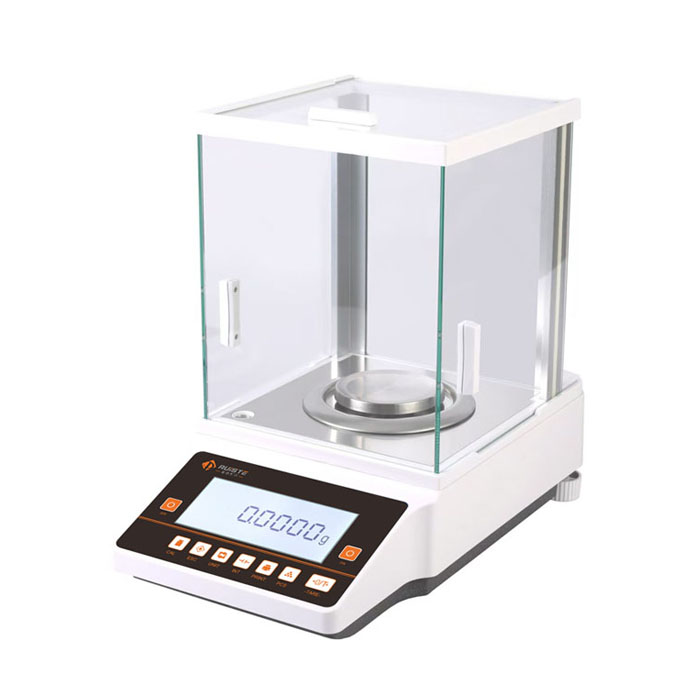
Divided by measurement accuracy and operation grade, counting scales include high-precision precision models and general industrial standard models. High-precision counting scales are equipped with high-sensitivity sensing cores with fine division values and extremely low errors in single-piece weight measurement. They are suitable for accurate counting of tiny precision parts, micro electronic components, precision hardware accessories and other materials with minimal weight differences, avoiding quantity statistical errors caused by slight weight deviations. General industrial counting scales have accuracy meeting conventional material management needs and strong anti-interference performance. They maintain high stability when counting standard small items, packaged goods and conventional parts, with outstanding practicality. They are widely used in basic operations such as daily material inventory and inbound and outbound verification for small and medium-sized enterprises.
Core Functional Features Balancing Accuracy and Practicality
The core advantage of counting scales compared with ordinary weighing scales is the integration of weighing measurement, intelligent conversion, data management and working condition adaptation. The functional design fits actual operation pain points, balancing easy operation and counting accuracy to adapt to continuous operation in various complex working environments. Firstly, it has the core functions of intelligent average single weight calculation and automatic counting. There is no need for manual manual calculation of single weight. Users only need to place a small number of sample materials for sampling weighing, and the equipment will automatically calculate the average single weight. After placing bulk materials, it synchronously displays three core data: total weight, single piece weight and total material quantity in real time. The values are intuitive and clear, eliminating manual calculation and conversion and greatly reducing counting time.
Secondly, it is equipped with multiple basic calibration and adaptive adjustment functions, including automatic power-on zero setting, real-time zero tracking and automatic tare subtraction, which can effectively eliminate measurement errors caused by tray weight, material residue and slight platform shaking. Meanwhile, it has adjustable filtering and stability parameters to adjust the weighing response speed according to on-site vibrations and air flow interference, balancing counting response efficiency and numerical stability. Thirdly, it supports data accumulation and quantitative management auxiliary functions, which can automatically accumulate the total count of multiple batches of materials and summarize batch operation data. Some models have quantity reminder functions to alert users when the material quantity reaches the preset standard, suitable for refined management operations such as quantitative batching, fixed-quantity stock preparation and batch sorting. In addition, the equipment has a simple operation logic with a concise button layout and clear display screen. New operators can get started quickly without professional training, suitable for regular use by operators in various positions.
Main Manufacturing Materials Balancing Durability and Working Condition Adaptation
The material selection of counting scales is based on four core requirements: corrosion resistance, wear resistance, impact resistance and rust prevention. Different parts are made of matching materials to balance service life, operation stability and later maintenance convenience, adapting to complex industrial environments with humidity, dust and minor collisions. The weighing platform, as the core load-bearing contact part, is mainly made of stainless steel. Its surface is smooth and not easy to adhere to dust and sundries, easy to clean and maintain. It has excellent corrosion and rust resistance, resisting humid workshop environments, dusty working conditions and slight friction loss of materials. It will not deform or rust after long-term use, keeping the weighing contact surface flat and stable to ensure counting accuracy at the hardware level.
The equipment shell is integrally injection-molded with high-strength engineering plastic, which is tough, drop and pressure resistant, with good insulation and anti-interference properties. It can withstand minor collisions and impacts during daily operation and effectively isolate workshop static electricity, power fluctuations and external interference, protecting the internal circuit and sensing core for stable operation. The internal support frame adopts thickened metal structure with professional overload protection design, which can withstand continuous load-bearing within the rated range, avoiding body deformation and damage to core sensing components during heavy weighing, and improving overall structural stability and durability. The bottom is equipped with anti-slip and wear-resistant foot pads made of flexible anti-slip materials, which can be firmly attached to the operating surface to prevent sliding and offset during operation and buffer slight vibrations to further enhance counting stability.
Core Structural Composition: Foundation for Accurate Counting
Counting scales adopt a compact and reasonably arranged overall structure. All core components cooperate closely to ensure stable operation of the whole process of weight sensing, data conversion and numerical display. The whole machine consists of five major parts: load-bearing mechanism, induction sensing mechanism, data operation control mechanism, display and operation mechanism, and power supply adaptation mechanism. The load-bearing mechanism, including the stainless steel weighing tray and bottom anti-slip foot pads, is the basic load-bearing part, used to stably place materials, evenly transmit material weight to sensing components, and keep the equipment stable without offset to avoid measurement accuracy affected by external shaking.
The induction sensing mechanism is the core of accurate counting, built-in high-precision strain sensors as the key part for weight signal collection. It can accurately capture subtle weight changes in real time, convert physical weight signals into electrical signals and transmit them to the control core with sensitive and stable signal transmission and minimal errors, providing core data support for accurate quantity conversion. The data operation control mechanism serves as the operation center, equipped with dedicated data processing chips and solidified programs. It receives weight signals from the sensing mechanism, completes sample single weight calculation, total quantity conversion, data accumulation and parameter calibration, and transmits processed data to the display terminal in real time. The display and operation mechanism includes a high-definition display and function buttons. The screen synchronously shows total weight, single weight and quantity, while the buttons support zero setting, tare subtraction, sampling, accumulation and unit switching for convenient human-computer interaction. The power supply adaptation mechanism includes an external power interface and built-in rechargeable battery, supporting dual AC and DC power supply. It can work continuously after power off, adapting to long-term fixed-station use and temporary mobile counting scenarios.
Diverse Application Scenarios Covering Industry-wide Refined Counting Needs
With the advantages of accurate counting, strong adaptability, simple operation and reliable durability, counting scales are widely used in industrial production, warehousing and logistics, electronic manufacturing, hardware processing, light industry manufacturing and material management, serving as core equipment for refined counting management of bulk small materials. In the electronic component manufacturing industry, it is mainly used for batch counting of resistors, capacitors, chips, small connectors and other micro precision electronic parts, ensuring accurate quantity in production batching, finished product packaging and material outbound, and avoiding assembly production impacts caused by quantity deviations of precision small parts. In the hardware processing industry, it is suitable for counting screws, nuts, gaskets, small stamping parts, standard fasteners and other small hardware accessories, meeting quantity verification needs in production preparation, batch sorting, warehousing and order delivery, and improving operation efficiency instead of manual counting.
In warehousing logistics and supply chain management, it is used for inbound and outbound inventory and regular stock checking of standardized small goods, packaging accessories and bulk materials, quickly completing total quantity statistics and checking the difference between accounts and actual inventory to improve the refinement level of warehouse material management. In light industry and plastic products industry, it adapts to counting small plastic parts, toy components, packaging auxiliary materials and textile small parts, supporting assembly line batching control, finished product packaging and factory quantity verification. In addition, it is also applicable to small-scale operation scenarios such as small processing workshops, supermarket supporting material management and precision accessory after-sales stock preparation. It balances operation flexibility and counting accuracy, fully meeting the efficient counting and management needs of bulk small materials for enterprises of all scales and various industries.
What is Counting Scale
https://www.pruiste.com/counting-scale.html
Post Date: May 5, 2026
https://www.supplier-manufacturer.com/counting-scale/what-is-counting-scale.html

![Precision Counting Scale]()
Precision Counting Scale
In modern production operations, small batch processing, laboratory research work, and daily material management routines, the need to quantify small items with consistent…![Digital Laboratory Balance]()
Digital Laboratory Balance
In every modern scientific research laboratory, analytical testing center, and industrial quality control laboratory, accurate mass measurement stands as one of the most f…![Electronic Analytical Balance]()
Electronic Analytical Balance
In every modern laboratory setting that relies on reliable mass determination and quantitative experimental data, the electronic analytical balance stands as an indispensa…![Floor Electronic Balance]()
Floor Electronic Balance
Floor electronic balance has become an indispensable weighing equipment in modern industrial production, scientific research experiments, agricultural detection, food proc…![What is Laboratory Balance]()
What is Laboratory Balance
Mass weighing is the fundamental core link in scientific research testing, sample preparation and data calibration in various laboratories. As basic measuring instruments …