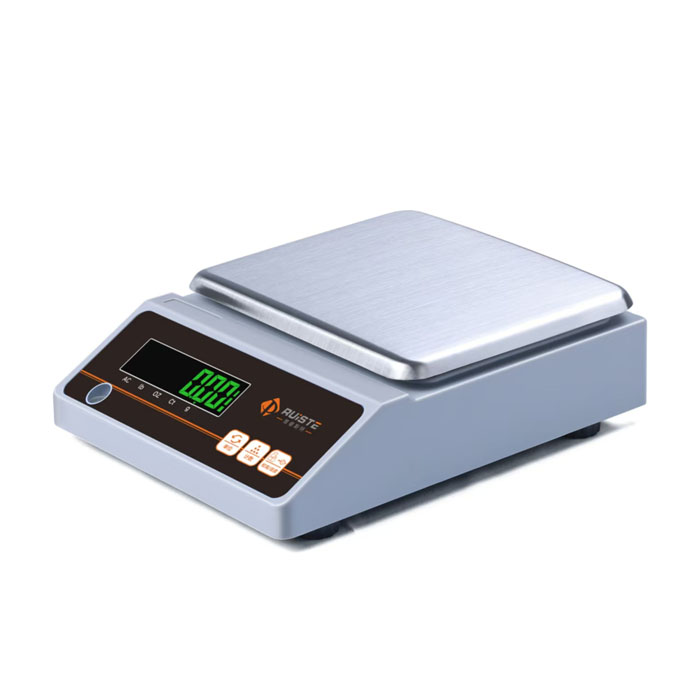
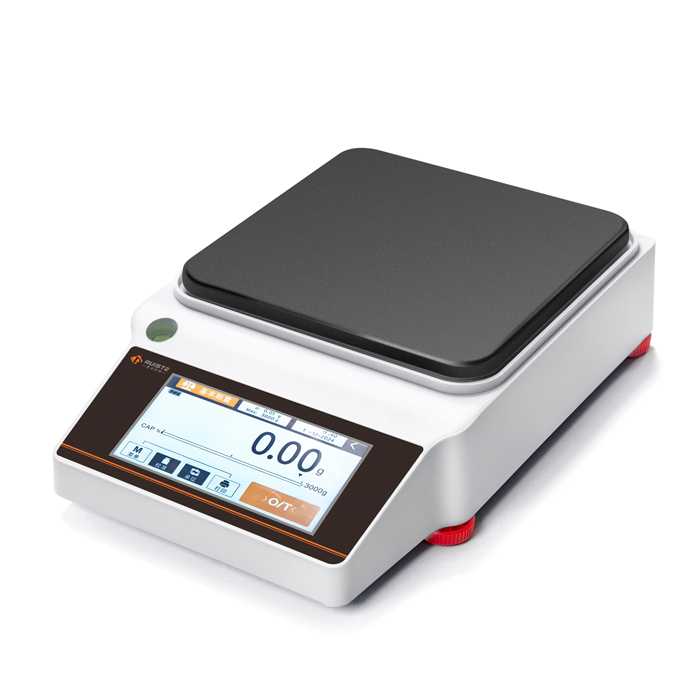
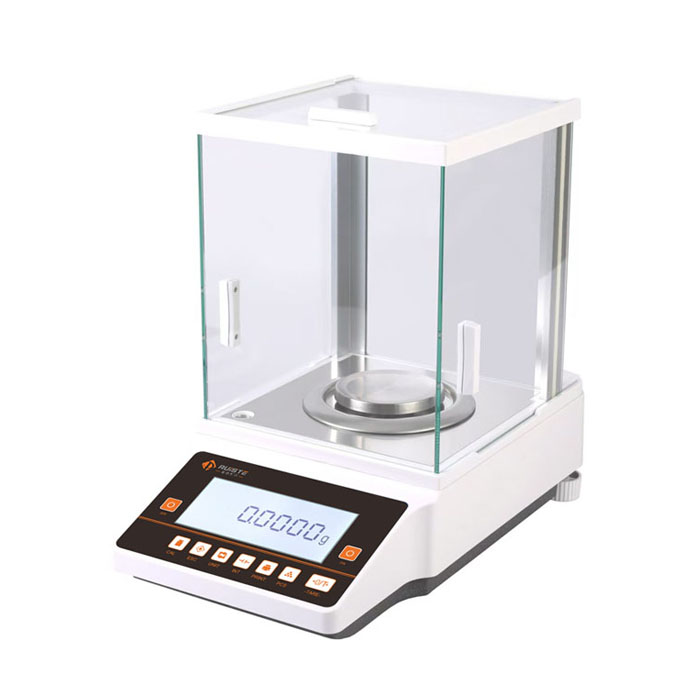
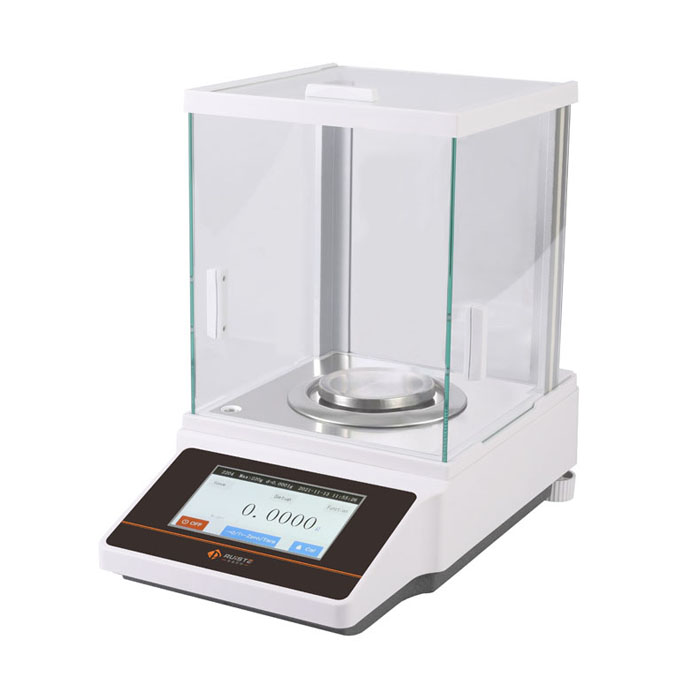
Digital Moisture Analyzer
Moisture content stands as one of the most critical physical indicators that determine the quality, stability, and usability of various raw materials and finished products across modern industrial production, laboratory research, and agricultural processing. Uncontrolled moisture levels can trigger a series of undesirable changes in materials, including microbial growth, chemical composition alteration, physical property degradation, and shortened storage cycles, all of which may disrupt production consistency and product usability. In response to the growing demand for precise, efficient, and standardized moisture detection in diverse industries, digital moisture analyzers have become essential testing equipment that replaces traditional manual detection methods. These devices integrate modern sensing technology, intelligent data processing, and precise temperature control systems to deliver stable and repeatable moisture measurement results, adapting to the detection requirements of solid, granular, powdery, and partial colloidal materials. Compared with conventional drying oven testing methods that rely on manual weighing and long-time baking, digital moisture analyzers optimize the entire detection workflow, reducing manual intervention while improving the efficiency and stability of moisture testing in daily production and research scenarios.
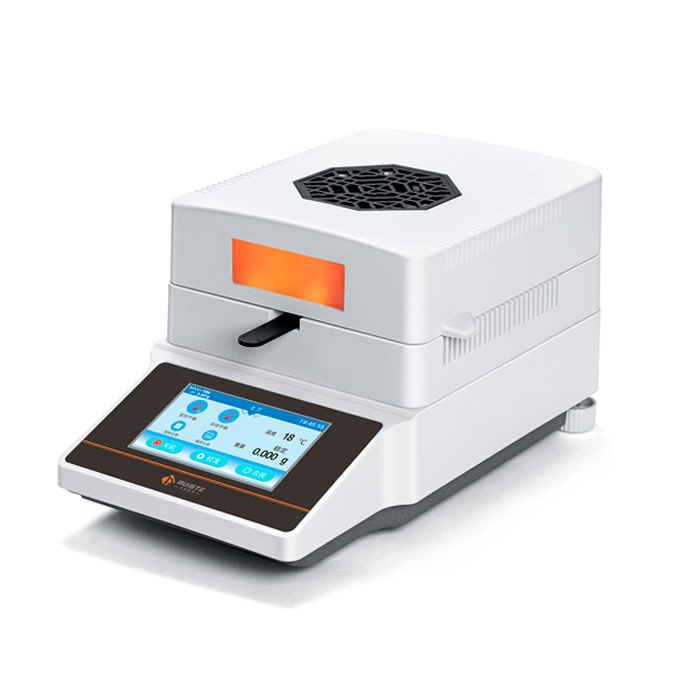
The core working logic of digital moisture analyzers is built on the classic loss-on-drying principle, a universally recognized detection mechanism for moisture quantification. All materials contain a certain amount of free water and bound water, and free water is the primary factor affecting material stability and quality. The device works by accurately weighing an initial sample of a fixed mass, then applying controllable and uniform heating to evaporate all free moisture from the sample completely. After the drying process is completed, the internal precision weighing module measures the final mass of the dried sample automatically. The system then calculates the moisture content ratio through the mass difference between the initial and dried sample states, converting physical weight changes into intuitive digital moisture percentage data. What distinguishes digital moisture analyzers from traditional drying equipment is their integrated intelligent control system, which realizes real-time monitoring of sample weight changes and temperature fluctuations throughout the drying process, avoiding data errors caused by manual timing, weighing deviations, or inconsistent heating conditions.
A complete digital moisture analyzer consists of several core functional modules that coordinate with each other to ensure accurate and efficient detection. The precision weighing unit serves as the foundation of data acquisition, featuring high-sensitivity sensors that capture tiny mass changes of the sample during drying. This module maintains stable detection accuracy even under continuous temperature changes, effectively avoiding data drift caused by environmental interference. The heating unit is a key component that determines drying efficiency and uniformity, adopting uniform heating structures to form a stable temperature field in the detection cavity. This design ensures that each part of the sample receives consistent heat, preventing local overheating that may cause sample decomposition or incomplete moisture evaporation, which could distort test results. Equipped with an intelligent temperature control system, the device can set and maintain specific drying temperatures according to the physical and chemical characteristics of different samples, adapting to the drying requirements of materials with varying moisture volatility and heat resistance.
In addition to weighing and heating modules, digital moisture analyzers are equipped with real-time data acquisition and processing systems and intuitive display modules. During the entire drying process, the device continuously collects sample weight data, temperature data, and drying duration data, and automatically sorts and calculates effective data through internal algorithms. Unstable data generated in the early stage of heating or the fluctuating stage of sample water evaporation is automatically filtered to ensure the authenticity and effectiveness of final test results. The built-in data storage function can record multiple groups of test data, facilitating subsequent data sorting, comparison, and traceability for production quality control and experimental research. The humanized operation interface simplifies parameter setting and data viewing processes, allowing operators to complete sample placement, temperature adjustment, and program starting through simple operations, lowering the technical threshold for daily detection work.
The standardized operation process further guarantees the consistency of test results for digital moisture analyzers. Before formal detection, routine preparation work includes checking the stability of the instrument placement environment, ensuring the device is placed on a horizontal and stable platform away from strong airflow, direct sunlight, and corrosive gas interference, as these environmental factors may affect weighing accuracy and drying uniformity. Operators need to conduct blank calibration of the weighing system before sampling to eliminate residual impurities in the sample tray and zero drift of the instrument. After calibration, an appropriate amount of sample is taken and spread evenly on the dedicated sample tray to avoid excessive sample accumulation, which may lead to poor internal heat conduction and incomplete moisture evaporation. For granular and block materials, appropriate crushing and spreading treatment helps accelerate moisture volatilization and improve detection efficiency.
After placing the sample, operators set targeted drying parameters based on material attributes. For heat-sensitive materials such as food raw materials and pharmaceutical intermediates, low-temperature gradient drying parameters are selected to prevent high-temperature decomposition of effective components and ensure only moisture is evaporated during the test. For heat-resistant materials such as chemical raw materials and building materials, conventional temperature parameters can be used to improve detection speed. Once the program starts, the instrument operates automatically, with the system monitoring weight changes in real time. When the sample weight stabilizes within a set range for a certain period, the system judges that moisture evaporation is complete, automatically stops the drying program, and calculates and displays the final moisture content value. The entire process requires no manual timing or repeated weighing, effectively reducing human-induced operational errors.
Digital moisture analyzers have extensive application scenarios covering food processing, agricultural storage, chemical production, pharmaceutical manufacturing, building materials testing, and textile industry production, becoming an indispensable quality control tool in industrial and research fields. In the food and agricultural sector, moisture content directly affects the storage safety and edible quality of products. Grain, flour, starch, dried fruits, spices, and various snack foods all require strict moisture monitoring. Excess moisture in grains can lead to mildew, insect infestation, and nutrient loss during long-term storage, while abnormal moisture in processed food may affect taste, texture, and shelf stability. Digital moisture analyzers support rapid batch detection of agricultural and food samples, helping production and storage enterprises screen unqualified raw materials in a timely manner and formulate scientific storage and processing plans to ensure product quality stability.
In the chemical and new material industry, moisture control is crucial for the production and application of polymer materials, resins, plastic raw materials, and chemical additives. Trace moisture in chemical raw materials may affect the polymerization reaction efficiency of products, lead to unstable product performance, and even cause quality defects such as cracking and deformation of finished materials. In the production process of fine chemicals, standardized moisture detection of raw materials and semi-finished products can effectively control production reaction conditions and improve the consistency of finished product performance. Digital moisture analyzers adapt to the detection of powdery, granular, and flaky chemical materials, providing accurate data support for enterprise production process optimization and quality stability control.
The pharmaceutical industry puts forward high requirements for the stability and accuracy of moisture detection, as the moisture content of pharmaceutical raw materials, auxiliary materials, and finished preparations is closely related to the efficacy stability and storage cycle of drugs. Excessive moisture may cause drug deterioration, microbial contamination, and component failure, while too low moisture may affect the molding and usability of pharmaceutical preparations. Digital moisture analyzers provide precise and repeatable detection results for pharmaceutical testing, meeting the daily quality inspection needs of pharmaceutical enterprises and helping enterprises maintain standardized production levels.
In the building materials industry, materials such as cement, gypsum, sand, and aggregate have strict moisture control standards before use. Moisture in building materials affects the mixing ratio of building mortar and concrete, further influencing the strength, adhesion, and durability of building structures. Real-time moisture detection of building raw materials through digital moisture analyzers can guide construction personnel to adjust material proportioning schemes, avoid engineering quality problems caused by unqualified material moisture, and ensure the stability of construction engineering quality. In addition, the textile and paper industry also relies on this equipment for moisture detection; fiber materials and paper products with appropriate moisture content have better flexibility and tensile strength, effectively reducing product breakage and deformation during processing and use.
The practical application advantages of digital moisture analyzers are prominent compared with traditional detection methods. Traditional drying oven detection requires long-time baking and multiple manual weighing, with a long detection cycle and low efficiency, making it difficult to adapt to batch rapid detection scenarios in industrial production. In contrast, digital moisture analyzers complete the entire detection process in a short time, greatly improving detection efficiency and meeting the real-time monitoring needs of production lines. In terms of data accuracy, the intelligent algorithm and high-precision sensing system of digital devices avoid systematic errors caused by manual reading and operation, with more stable and repeatable detection data, which is conducive to the standardized management of enterprise quality data.
Moreover, the compact and integrated structural design of digital moisture analyzers makes them suitable for multiple use environments. They can be placed in professional laboratory environments for precise experimental detection and also deployed in production workshops, warehousing centers, and field detection sites for rapid sampling testing, with strong environmental adaptability. The simple and intuitive operation mode reduces operator training costs, and the automatic data recording function realizes traceable detection data, providing complete data support for enterprise quality inspection reports, production process optimization, and problem analysis. For small and medium-sized production enterprises and conventional laboratory research scenarios, this type of equipment balances detection accuracy and use cost, with high practical application value.
To maintain the long-term stable operation and detection accuracy of digital moisture analyzers, standardized daily maintenance and management are essential. In daily use, the instrument should be kept clean and dry, with residual sample powder and impurities in the heating cavity and sample tray cleaned in a timely manner after each detection to avoid residual materials affecting subsequent test results and causing corrosion or aging of internal components. The instrument needs regular calibration of the weighing system to ensure the accuracy of mass data collection; regular inspection of the heating system can avoid abnormal temperature fluctuations and uneven heating. In terms of storage and use environment, avoiding long-term exposure to high temperature, high humidity, and corrosive gas environments can effectively extend the service life of the equipment and maintain stable detection performance.
It is also necessary to select appropriate detection parameters and sample processing methods according to material characteristics in practical use. For materials with volatile components other than water, optimized temperature parameters should be adopted to prevent non-aqueous volatile substances from being evaporated and affecting the authenticity of moisture detection data. For samples with uneven moisture distribution, multiple sampling and parallel testing can be carried out to reduce detection errors and improve the representativeness of test data. Standardized operation and scientific maintenance can maximize the performance advantages of digital moisture analyzers and ensure long-term stable and reliable detection results.
With the continuous upgrading of industrial production standards and the increasing emphasis on product quality control in various industries, the demand for efficient, accurate, and intelligent moisture detection equipment continues to grow. Digital moisture analyzers, as mature and practical detection equipment, perfectly adapt to the development trend of modern industrial standardized and intelligent detection by virtue of their reliable working principle, efficient detection efficiency, and wide application adaptability. In the future, with the continuous innovation of sensing technology and intelligent algorithm technology, digital moisture analyzers will further optimize detection accuracy, shorten detection cycles, and expand applicable material types, providing more comprehensive and precise technical support for quality control, process optimization, and safety production in various industries. As a basic testing tool in modern production and scientific research, it will continue to play an irreplaceable role in promoting the standardized development of various industrial fields.
Digital Moisture Analyzer
https://www.pruiste.com/moisture-analyzer.html
Post Date: May 23, 2026
https://www.supplier-manufacturer.com/moisture-analyzer/digital-moisture-analyzer.html

![Material of Precision Balance]()
Material of Precision Balance
A precision balance stands as an essential measuring instrument widely applied in laboratory analysis, industrial production, pharmaceutical research, and chemical testing…![Micro Precision Balance]()
Micro Precision Balance
Micro precision balance stands as an essential measuring instrument designed for detecting subtle mass variations of tiny substances, serving as a fundamental tool in nume…![Precision Balance Manufacturer]()
Precision Balance Manufacturer
Precision balances stand as indispensable measuring instruments across numerous industrial, scientific, and research sectors, serving as fundamental tools for obtaining re…![Types of Electronic Balance]()
Types of Electronic Balance
Electronic balances have become indispensable weighing instruments in modern industrial production, scientific research, and daily analytical work, relying on electronic s…![Tablet Electronic Balance]()
Tablet Electronic Balance
In the modern metering industry, precise weighing equipment has become an indispensable basic tool for various professional scenarios, and tablet electronic balance stands…