Axle Weighing Scale
Axle weighing scale has become an indispensable piece of weighing equipment in modern transportation management, industrial production and logistics operation, focusing on measuring the individual axle weight of vehicles rather than merely calculating the total gross weight of transported goods and vehicles. Unlike traditional bulk weighing devices that only provide overall mass data, this type of weighing equipment captures pressure data generated by each axle during the contact process between vehicle tires and weighing platforms, realizing refined weight detection for vehicle structures. With the continuous expansion of road transportation scale and the improvement of industrial detection standards, the rational application of axle weighing technology has effectively optimized traffic management efficiency, standardized cargo loading modes, and reduced potential safety hazards caused by unreasonable vehicle load distribution. The inherent structural design and working logic of axle weighing scale make it adaptable to diverse usage environments, ranging from fixed detection stations on arterial roads to temporary detection points in construction sites and logistics parks, presenting strong environmental compatibility and functional practicability.

The working mechanism of axle weighing scale is based on physical pressure induction and digital signal processing, adopting a mature and stable technical logic to ensure the stability of data collection. When a vehicle drives onto the weighing platform, the pressure generated by each tire acts uniformly on the built-in sensing components of the equipment. These sensing components can capture subtle pressure changes and convert mechanical pressure signals into continuous electrical signals. The strength of the electrical signals maintains a stable proportional relationship with the actual pressure borne by the platform, which lays a reliable data foundation for subsequent weight calculation. After the electrical signals are amplified by auxiliary circuit structures, they are converted into recognizable digital signals through analog-to-digital conversion modules. The built-in data processing unit analyzes and sorts the digital signals, independently calculating the weight borne by each axle, and then completes the cumulative calculation of the total vehicle weight according to the axle combination structure. In order to adapt to complex driving states of vehicles, most axle weighing devices are equipped with dynamic compensation systems, which can correct data deviations caused by driving speed, acceleration changes and ambient temperature fluctuations during vehicle passing. This compensation design effectively reduces data errors caused by external interference and keeps the weighing result within a reasonable and stable fluctuation range.
The structural composition of axle weighing scale follows the design concept of simplifying operation and strengthening durability, mainly including weighing platforms, sensing assemblies, data processing modules and auxiliary identification components. The weighing platform is the direct bearing part of the equipment, usually made of high-strength metal materials with excellent compression resistance and deformation resistance. It can withstand long-term rolling and impact of heavy vehicles without structural deformation, maintaining the flatness of the bearing surface to ensure uniform stress on tires. The sensing assembly is the core component for data collection, and different types of sensing structures can be selected according to usage scenarios. Some sensors use piezoelectric effect to perceive pressure changes, featuring low temperature drift and stable long-term operation performance; others adopt pressure sensing structures matched with bearing platforms, which are more suitable for low-speed static detection scenarios. The data processing module is responsible for signal sorting, calculation and storage, with efficient data operation capability to complete axle weight identification and data feedback in a short time. Auxiliary identification components such as infrared sensing structures and coil induction devices can accurately record the entry and exit time of vehicles, effectively avoid data confusion caused by continuous vehicle traffic, and ensure the independence and accuracy of detection data for each vehicle.
Axle weighing scales can be divided into two mainstream types according to detection modes: static weighing equipment and dynamic weighing equipment, which have clear application boundaries in different usage scenarios. Static axle weighing equipment requires vehicles to keep a stable static state on the weighing platform for data collection. The detection process is stable and the data fluctuation range is small, making it suitable for scenarios requiring high data accuracy such as vehicle performance detection and cargo loading inspection in factories. Dynamic axle weighing equipment allows vehicles to pass through the weighing platform at a stable low or medium speed, realizing non-stop continuous detection. This mode has high detection efficiency and can adapt to high-traffic sections such as highway entrances and freight distribution hubs. Although the data fluctuation of dynamic detection is slightly higher than that of static detection, it can meet the daily supervision needs of traffic management through algorithm compensation and repeated calibration. In addition, some portable axle weighing structures are designed for mobile detection needs. These lightweight and easy-to-disassemble devices can be quickly arranged on temporary detection roads, making up for the coverage blank of fixed weighing stations and improving the flexibility of law enforcement detection.
Road traffic supervision is the most extensive application field of axle weighing scale, which provides core data support for standardizing vehicle driving behaviors and protecting road infrastructure. Long-term overloading of single axles is one of the main causes of road surface damage, as excessive local pressure will accelerate pavement cracking, rutting and structural aging. By detecting the weight of each axle, management personnel can accurately judge whether the vehicle has uneven loading or excessive single-axis load, and formulate standardized loading management plans. For freight vehicles with multi-axle structures, the independent detection data of each axle can effectively identify modified vehicles with hidden loading structures, avoiding the safety risks brought by illegal refitting to road traffic. In daily traffic inspection, axle weighing equipment can complete rapid screening of passing vehicles, quickly screen out vehicles with abnormal load data, and reduce the time cost of manual inspection. The long-term application of this weighing technology has reduced the damage rate of public roads, prolonged the service life of traffic infrastructure, and created stable road operation conditions for freight transportation.
The industrial manufacturing and logistics industries also rely heavily on axle weighing scales to optimize production and operation processes. In automobile manufacturing plants, axle weighing data is an important indicator for testing vehicle performance. Engineers analyze the load distribution of each axle to judge the rationality of vehicle chassis design, suspension matching and body stress structure, providing data reference for vehicle performance optimization and structural improvement. For special engineering vehicles and large transport vehicles, axle weight detection is a necessary link before leaving the factory to ensure that the load-bearing capacity of each axle matches the vehicle design parameters and avoid potential mechanical failures during subsequent operation. In logistics parks and cargo distribution centers, staff use axle weighing equipment to check cargo loading status, balance the load of each axle by adjusting cargo placement positions, prevent vehicle rollover risks caused by uneven weight distribution during driving, and improve the safety of long-distance transportation. Ports and large storage yards also apply this weighing technology to complete load inspection of haulage vehicles, realizing standardized management of cargo inbound and outbound transportation.
Compared with traditional integral weighing equipment, axle weighing scale has unique technical advantages in structural design and data dimension. Traditional weighing devices can only feedback the total weight of vehicles and goods, which cannot reflect the internal load distribution state of vehicles, making it difficult to identify hidden overload problems of single axles. Axle weighing technology breaks through this limitation by splitting and detecting each axle, realizing comprehensive monitoring of vehicle load status. In terms of space utilization, most axle weighing platforms occupy a small area, and some embedded structures can be directly installed on the road surface without large-scale infrastructure transformation, reducing site occupation cost. In terms of use efficiency, dynamic axle weighing equipment does not require vehicles to stop for detection, which improves traffic passing efficiency and avoids road congestion caused by weighing inspection. Moreover, the equipment has strong environmental adaptability, maintaining stable working performance in different temperature
Axle Weighing Scale
https://www.pruiste.com/weighing-scale.html
Post Date: May 13, 2026
https://www.supplier-manufacturer.com/weighing-scale/axle-weighing-scale.html

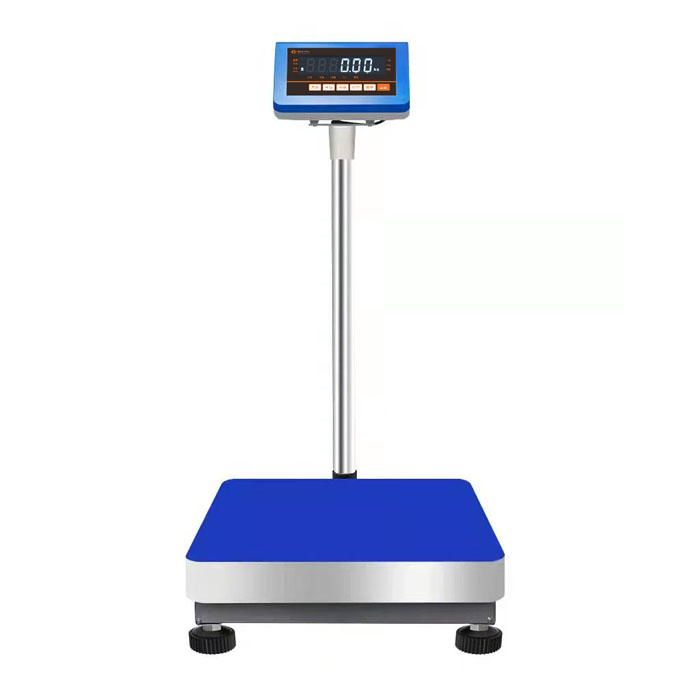
![Floor Electronic Balance]()
Floor Electronic Balance
Floor electronic balance has become an indispensable weighing equipment in modern industrial production, scientific research experiments, agricultural detection, food proc…![What is Laboratory Balance]()
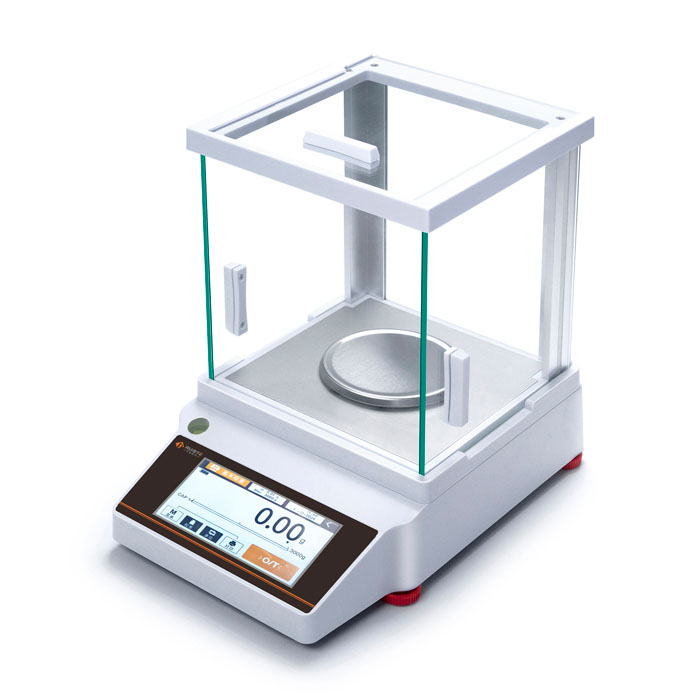
What is Laboratory Balance
Mass weighing is the fundamental core link in scientific research testing, sample preparation and data calibration in various laboratories. As basic measuring instruments …![Counting Balance RSB-C SERIES]()
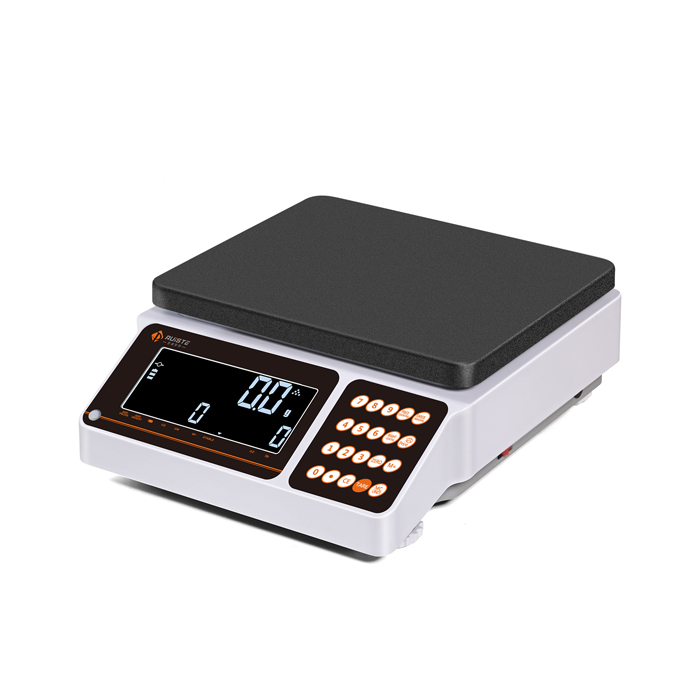
Counting Balance RSB-C SERIES
The RSB-C series adopts high-definition keys, which is economical. The entire series of balances adopt Nuosheng sensors, brand sensors, and aluminum alloy structure to ens…![Digital Viscometer Price]()
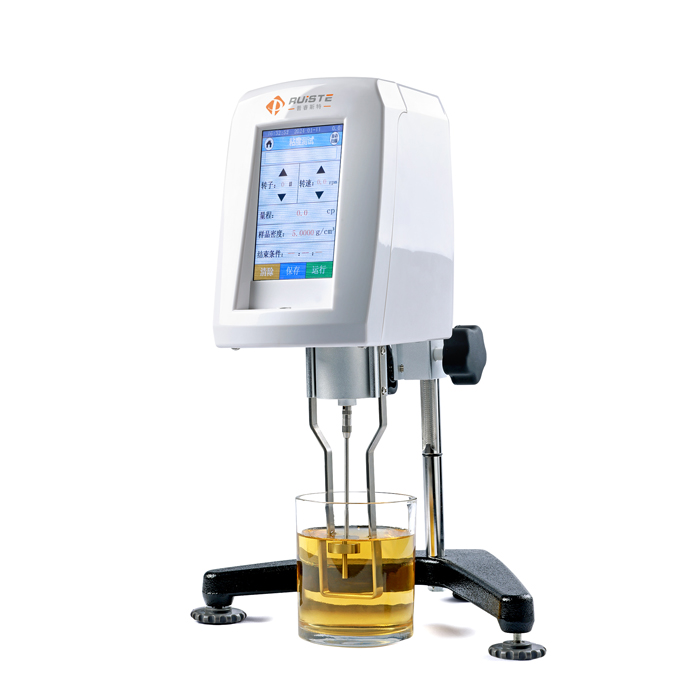
Digital Viscometer Price
Digital viscometers have become indispensable precision testing instruments across modern industrial production, laboratory research and development, and quality inspectio…![Working Principle of Digital Viscometer]()
Working Principle of Digital Viscometer
Viscosity is an inherent physical property of fluid substances, which characterizes the internal friction and flow resistance generated when a fluid undergoes relative mot…