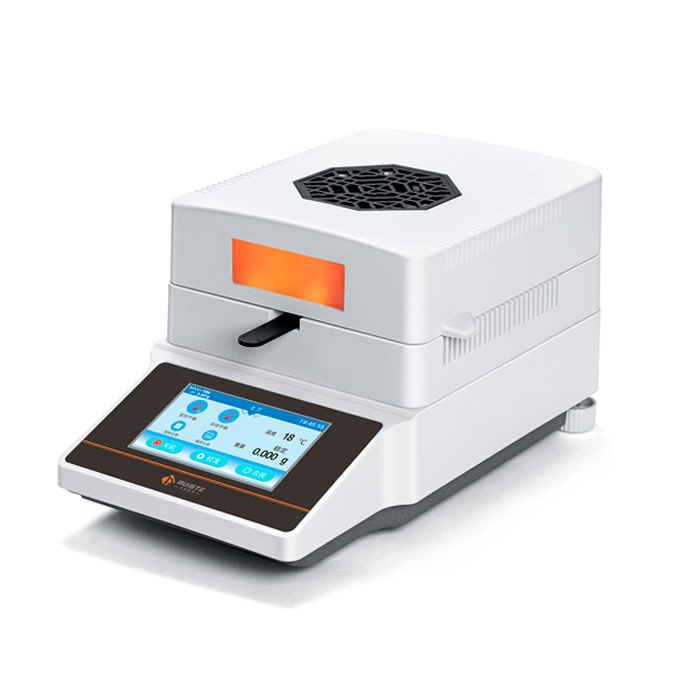
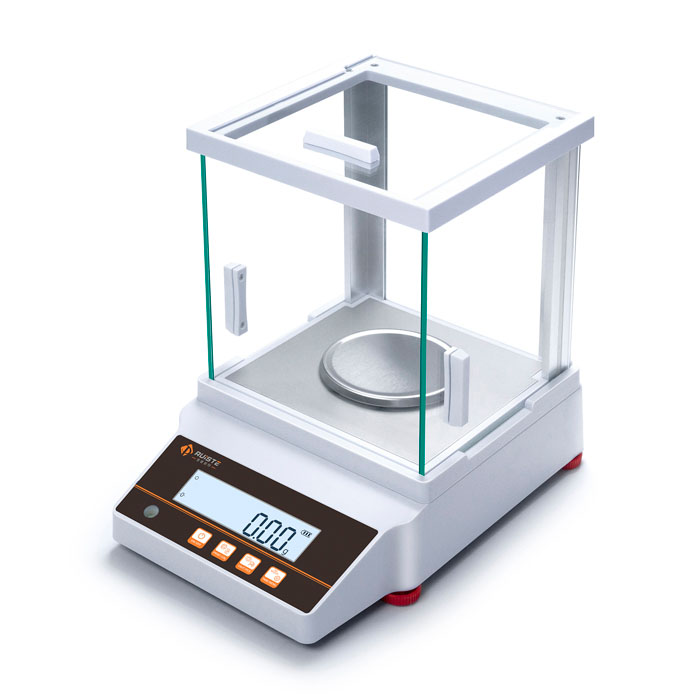
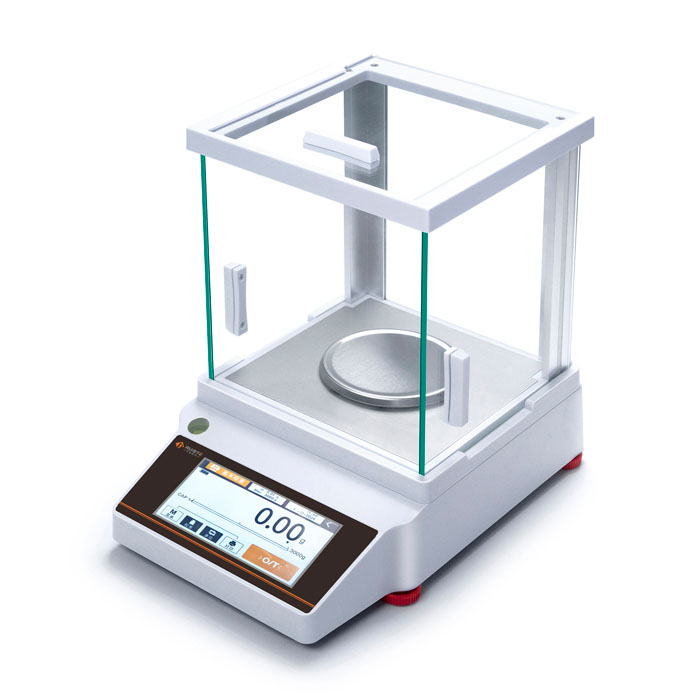
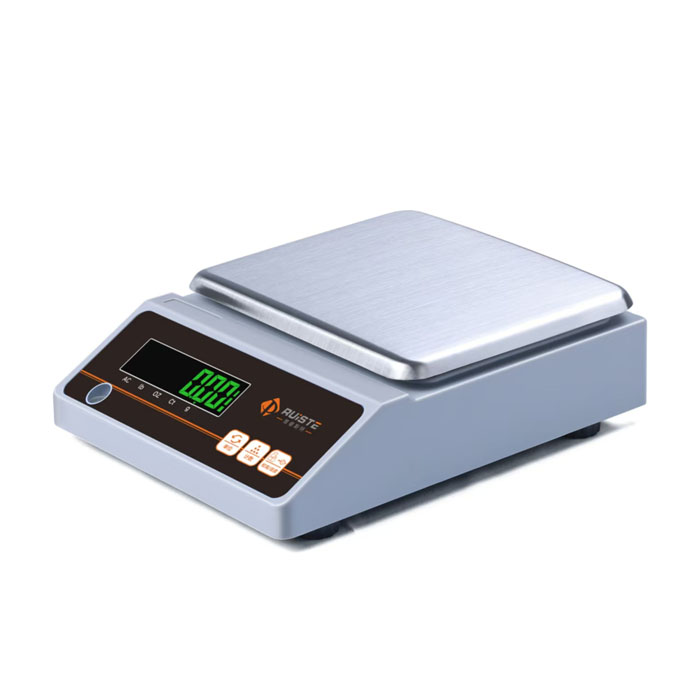
High Precision Weighing Scale
In modern measurement systems, high precision weighing scales stand as essential instrumental devices that deliver meticulous mass detection for various objects ranging from tiny micro samples to medium-weight items. Unlike conventional weighing tools that merely provide rough weight references, these refined measuring instruments focus on capturing subtle mass variations that are indistinguishable to ordinary weighing equipment. The advancement of industrial manufacturing, scientific research, and fine processing industries has continuously raised requirements for weighing accuracy, making high precision weighing scales an indispensable part of numerous professional scenarios. These devices rely on sophisticated internal structural designs and stable operational mechanisms to maintain consistent weighing performance under complex environmental conditions, laying a solid foundation for standardized production, experimental analysis, and quality inspection across multiple industries.
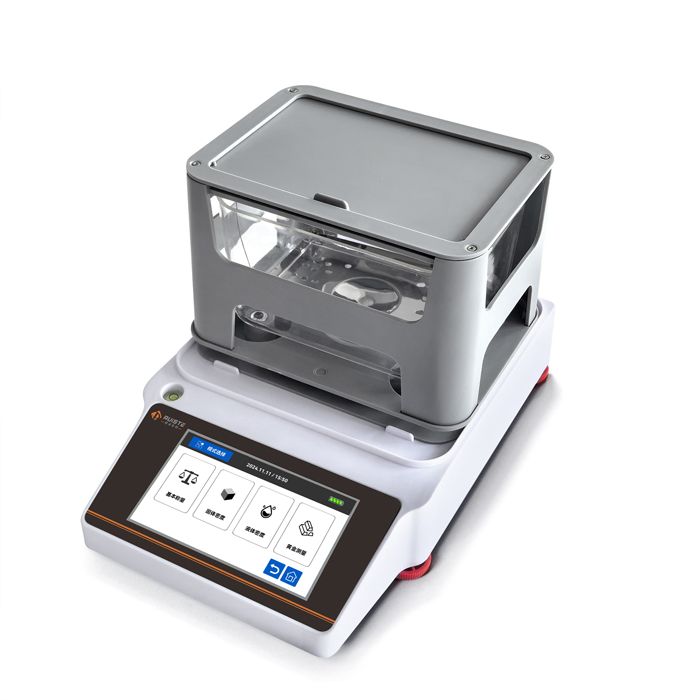
The core operational logic of high precision weighing scales originates from mature physical sensing principles, with most mainstream devices adopting electromagnetic force balance and strain sensing technologies to complete mass conversion and data output. When an object is steadily placed on the weighing pan, the gravitational force generated by the object acts on the internal sensing component of the scale. The sensing unit converts the mechanical pressure into continuous electrical signals, which are then transmitted to the built-in microprocessor for systematic processing. During this procedure, the internal circuit system amplifies weak electrical signals and eliminates interference waveforms generated by external disturbances. After algorithm calculation and data correction, the processed weight data is finally presented on the display interface in an intuitive digital form. The entire signal conversion process is completed within a short time interval, ensuring both prompt data feedback and steady numerical output without frequent data fluctuations.
The internal structural composition determines the stable performance and accurate measurement capability of high precision weighing scales. The weighing pan, usually made of smooth and corrosion-resistant metal materials, provides a flat and stable bearing surface for measured objects, avoiding measurement deviations caused by surface unevenness. The middle supporting structure connects the weighing pan and the sensor, undertaking the task of uniform force transmission to prevent local stress concentration from affecting sensing accuracy. As the core component of the entire device, the high-sensitivity sensor can perceive tiny pressure changes at the milligram level, maintaining low nonlinear error and good repeatability during long-term use. The internal data processing module integrates multiple correction algorithms to compensate for minor errors caused by temperature changes and structural deformation. Additionally, the shell structure adopts a sealed and dustproof design to isolate internal precision components from external dust, moisture, and corrosive substances, extending the service life of the equipment.
Environmental adaptability constitutes a crucial advantage of well-designed high precision weighing scales, as subtle changes in the external environment often interfere with weighing results. Airflow disturbance in open spaces may cause slight shaking of lightweight samples, while temperature fluctuations can lead to minor thermal expansion and contraction of internal metal components. To address these issues, most high precision weighing scales are equipped with intelligent anti-interference systems. The built-in dynamic filtering algorithm automatically screens and filters jitter signals generated by vibration and airflow, stabilizing data within a short time after sample placement. The temperature compensation mechanism can sense ambient temperature changes and dynamically adjust internal parameter values to offset measurement errors derived from thermal deformation. For use in highly volatile environments, some devices are fitted with detachable transparent windshields to block flowing air, creating a relatively stable independent space for weighing tiny samples.
High precision weighing scales have achieved extensive penetration in diverse professional fields, showing irreplaceable application value in refined production and research work. In chemical laboratories, researchers use these scales to weigh trace chemical raw materials, and accurate raw material ratios directly affect the chemical reaction rate and product purity. Even a tiny mass deviation may lead to changes in experimental results, so stable and precise weighing data becomes a basic guarantee for experimental repeatability. In the pharmaceutical production industry, the scales are applied to the proportioning of medicinal raw materials and the detection of finished drug components, controlling the mass of each ingredient within a reasonable range to ensure the uniformity and safety of drug efficacy. Every batch of pharmaceutical products requires repeated sampling and weighing to maintain consistent product quality standards.
The jewelry and precious metal processing industry also relies heavily on high precision weighing scales for daily measurement work. Precious metals and gemstones have high unit value, and subtle mass differences will bring obvious changes in economic value. In the processing and trading links of gold, silver, and various inlaid gemstones, workers use high precision scales to record the mass of raw materials and finished products, realizing precise calculation of material consumption and transaction parameters. The high sensitivity of the scales can capture tiny mass changes during processing, helping processing personnel control material loss within a controllable range. Meanwhile, the compact structural design of small-sized high precision weighing scales facilitates flexible placement in processing workshops and trading counters, adapting to diverse operational space requirements.
In the food processing and catering industry, high precision weighing scales assist practitioners in completing standardized ingredient proportioning. In professional baking and fine food production, the mixing ratio of raw materials such as powder, liquid, and additives directly affects the taste, texture, and preservation period of finished food. Chefs and production staff use high precision scales to accurately weigh various raw materials, unifying ingredient proportions for different batches of products and reducing taste differences caused by manual estimation. In the health food and nutritional preparation industry, the scales are used to detect the mass of nutrient components, providing clear data support for product ingredient labeling and nutritional analysis, and meeting consumers' demand for transparent food component information.
Industrial manufacturing and quality inspection departments also regard high precision weighing scales as important testing equipment. In the production of tiny electronic components, hardware accessories, and precision molds, manufacturers need to sample and weigh finished products to judge whether the product processing accuracy meets preset standards. Unqualified products with excessive mass deviations will be screened out to ensure the overall consistency of product batches. In raw material warehousing and production inventory management, staff use high precision weighing equipment to count and record raw material consumption, realizing refined cost control and production schedule optimization. The durable structural design enables the scales to maintain stable working performance in industrial environments with frequent use and moderate vibration.
Standardized daily operation and scientific maintenance are essential to maintain the long-term accurate performance of high precision weighing scales. Before each use, users need to place the equipment on a horizontal and stable tabletop to avoid measurement errors caused by tilting placement. It is necessary to preheat the equipment for an appropriate period to stabilize the internal circuit and sensor state, eliminating data drift generated after long-term shutdown. During the weighing process, objects should be placed gently in the center of the weighing pan to prevent impact force from causing temporary fatigue of sensing components. Overloading beyond the rated weighing range is strictly prohibited, as long-term overload use will cause irreversible damage to internal sensors and affect permanent measurement accuracy.
Daily maintenance work includes regular surface cleaning and periodic calibration treatment. Soft cleaning tools should be used to wipe the weighing pan and shell to remove surface dust and residual stains, avoiding the use of corrosive chemical cleaners that may damage metal surfaces and circuit components. In environments with large humidity changes, the equipment needs to be placed in a dry and ventilated position to prevent internal circuit dampness. After a period of continuous use, professional calibration operations should be carried out with standard weights to correct minor data deviations generated during operation. Reasonable storage measures are also important; when not in use for a long time, the scales should be placed in a sealed storage space with dustproof and moistureproof measures, and the weighing pan should be kept empty to avoid long-term pressure on internal components.
With the continuous progress of electronic information and sensor manufacturing technology, the functional design of high precision weighing scales is constantly optimized and upgraded. Traditional single-function weighing modes are gradually transformed into intelligent integrated measurement modes. Modern high precision weighing scales can realize data storage, real-time data transmission, and automatic recording of weighing records, facilitating users to sort, analyze, and export measurement data. Some improved devices are equipped with humanized backlight display screens, which can clearly present numerical information in low-light environments. The optimized key layout simplifies operation steps, enabling operators to complete zeroing, peeling, and unit conversion with simple actions.
Energy-saving and environmental protection design has also become a notable development direction of high precision weighing scales. New energy management modules are adopted inside the equipment to reduce power consumption during standby and continuous operation. Some devices support multiple power supply modes including wired power supply and portable battery power supply, adapting to use requirements in different scenarios without fixed power sources. While improving hardware performance, manufacturers pay attention to simplifying internal structural layouts, reducing unnecessary component configurations, and controlling the overall volume and weight of the equipment, making high precision weighing scales more convenient for transportation and flexible placement.
Although high precision weighing scales have excellent measurement performance, users need to objectively recognize their usage limitations to avoid improper operation affecting measurement effects. These devices are not suitable for long-term work in extreme high temperature, low temperature, or strong corrosive gas environments, as harsh environments will accelerate the aging of internal precision components. When weighing volatile, easily liquefied, or chemically active samples, users need to place the samples in sealed containers to prevent sample mass changes during weighing and avoid contaminating the weighing pan. In addition, frequent movement and violent collision of the equipment should be avoided in daily use to prevent structural displacement of internal precision parts.
Looking into the future, high precision weighing scales will develop toward higher sensitivity, stronger environmental adaptability, and more intelligent data processing capabilities. The iteration of sensor manufacturing technology will further narrow the minimum measurable mass unit, meeting the ultra-precise measurement needs of cutting-edge scientific research and high-end manufacturing industries. The intelligent recognition system will realize automatic identification of sample states and adaptive adjustment of measurement parameters, reducing manual operation intervention. Meanwhile, the equipment will realize better integration with industrial automation systems, completing unmanned weighing and real-time data uploading in the assembly line production process. As a basic precision measuring instrument, high precision weighing scales will continuously empower technological progress and industrial upgrading in various industries with stable performance and optimized functions.
High Precision Weighing Scale
https://www.pruiste.com/weighing-scale.html
Post Date: May 13, 2026
https://www.supplier-manufacturer.com/weighing-scale/high-precision-weighing-scale.html

![Moisture Balance Analyzer]()
Moisture Balance Analyzer
Moisture content stands as one of the most critical physical indicators for a wide range of raw materials, semi-finished products, and finished goods across industrial pro…![Laboratory Balance Wholesale]()
Laboratory Balance Wholesale
Laboratory balances stand as foundational precision instruments across scientific research, industrial production, quality inspection and educational experimentation field…![Laboratory Balance For Sale]()
Laboratory Balance For Sale
In every scientific laboratory, industrial testing facility, and research institution, precise mass measurement stands as one of the most fundamental and indispensable ope…![Ultra-micro Analytical Balance]()
Ultra-micro Analytical Balance
In the sophisticated ecosystem of modern experimental science, precise mass measurement serves as an indispensable foundation for data acquisition and experimental deducti…![Analytical Balance Manufacturer]()
Analytical Balance Manufacturer
Analytical balances stand as indispensable measuring instruments in modern scientific research, industrial production, and quality inspection sectors, capable of capturing…