Multi-unit Counting Scale
In modern industrial production, commercial circulation and daily material management processes, accurate quantification and efficient counting of bulk small items have become an indispensable basic link. The multi-unit counting scale stands out among various weighing and counting devices for its flexible unit conversion capability and stable counting performance, gradually becoming a common auxiliary tool in many production and storage scenarios. Different from traditional single-function weighing equipment, this type of scale integrates weight detection and data calculation functions, and can switch between multiple measurement units according to actual usage needs, realizing seamless conversion between single item weight, total weight and item quantity. It effectively solves the counting difficulties caused by small item volume, large quantity and similar appearance of bulk materials, bringing convenient and reliable data support for material statistics, inventory sorting and product packaging work.
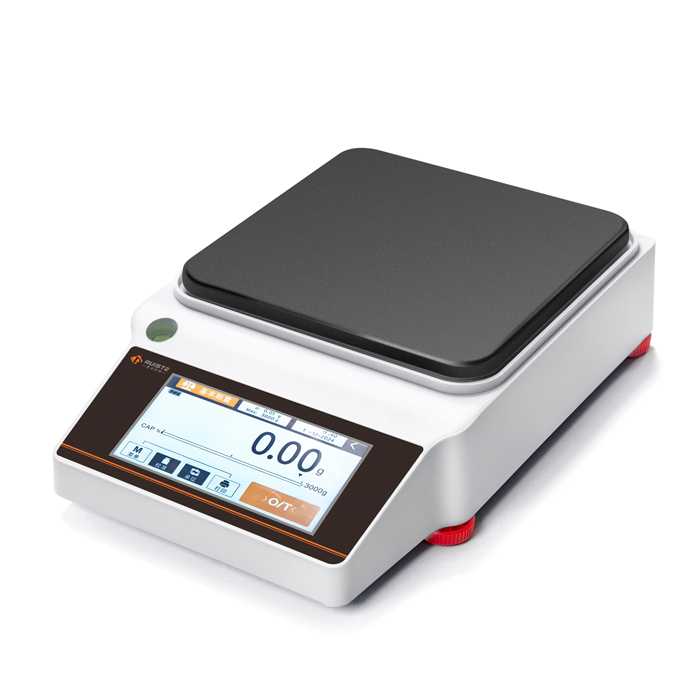
The core working logic of the multi-unit counting scale is based on the physical weight difference of measured items and embedded data algorithm calculation. Before formal counting work, users need to complete simple sampling calibration. A certain number of qualified samples are placed on the weighing platform, and the equipment will automatically calculate the average single weight of the samples through internal sensing components. After confirming the single piece data, the scale can convert the real-time total weight of stacked items into specific quantity values. The multi-unit design endows the equipment with diverse measurement dimensions. It can display different data forms such as gram unit, kilogram unit and piece quantity unit on the display screen, and users can freely switch the display interface according to on-site recording standards and statistical habits. This diversified unit switching function avoids the tedious manual conversion work in traditional weighing and counting processes, and reduces the error probability caused by human calculation.
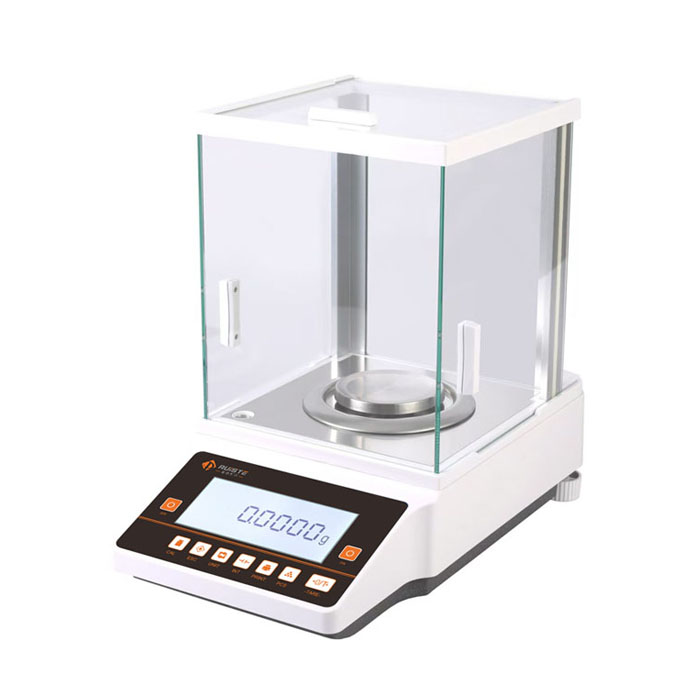
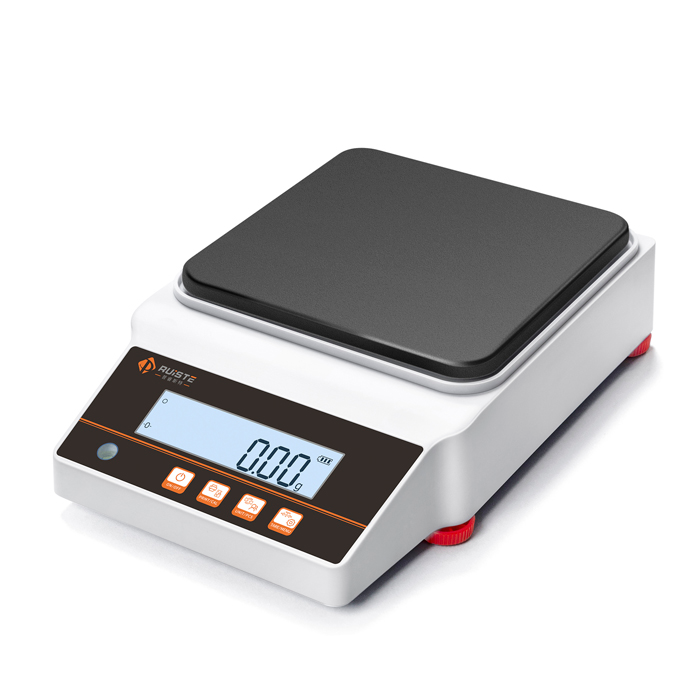
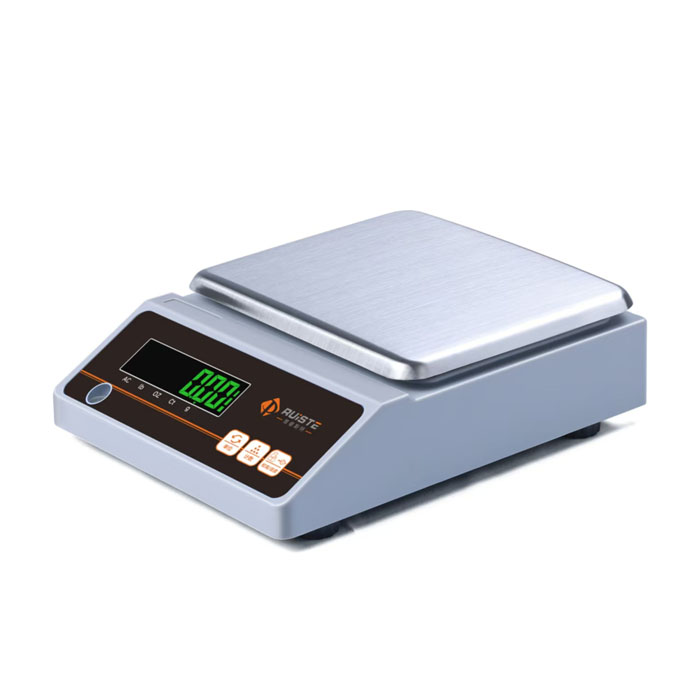
In terms of structural design, the multi-unit counting scale adopts a simple and practical integrated structure, which is mainly composed of a high-precision weighing sensing module, a digital data processing chip, a high-definition display panel and a stable bearing weighing platform. The weighing platform is usually made of smooth and wear-resistant materials, which can resist slight friction and corrosion generated by daily material placement and handling, maintaining long-term flatness to ensure uniform stress on items during weighing. The internal sensing module can capture subtle weight changes in real time, even for tiny parts with light single weight, it can also complete sensitive data induction. The data processing chip undertakes the tasks of data sorting, unit conversion and quantity calculation. It can filter out occasional data fluctuations caused by external subtle vibrations through built-in optimization programs, ensuring the stability of output data. The display panel is designed with clear digital fonts, which can clearly present weight values, quantity data and selected unit types, facilitating users to quickly read and record information in different light environments.
Compared with manual counting and single-function weighing equipment, the multi-unit counting scale has prominent application advantages in operational efficiency and data stability. Manual counting of bulk small items is easily affected by human fatigue, visual deviation and subjective judgment. Long-time repetitive counting work is prone to missing counting and repeated counting, and the error rate will increase significantly with the extension of working hours. Single-function weighing equipment can only provide single weight data, and subsequent quantity conversion still relies on manual calculation, which increases the workflow and time cost. The multi-unit counting scale optimizes the whole process of weighing and counting. After one sampling calibration, it can continuously complete batch counting of similar items, and the data feedback speed is far faster than manual operation. In addition, the equipment has good anti-interference ability. In conventional indoor working environments, it can resist the interference of slight air flow and ground vibration, keeping the fluctuation range of measured data within a reasonable interval.
The flexible unit switching function is one of the most distinctive features of this type of counting scale. In actual use, different industries and scenarios have diverse statistical requirements for material data. In the hardware processing industry, staff need to count small screws, nuts and metal accessories, which not only need to record the total weight of the batch of materials for cost accounting, but also need to confirm the specific quantity for packaging and distribution. The multi-unit counting scale can switch between weight unit and quantity unit with one key, realizing simultaneous viewing of total weight and quantity data. In agricultural seed screening work, it is necessary to count and weigh small grain seeds. The equipment can switch to lightweight measurement units to accurately measure the single seed weight, so as to screen high-quality seeds with uniform particle size. In daily commercial commodity sorting, some bulk packaged goods need to be counted in pieces and weighed in grams. The diversified unit setting can meet the statistical standards of different commodity specifications, improving the compatibility of the equipment in multiple scenarios.
Industrial manufacturing is one of the main application fields of multi-unit counting scales. In the precision parts processing workshop, a large number of miniature hardware parts, electronic accessories and plastic parts need to be counted and sorted every day. These parts are small in size and large in quantity, and manual counting is time-consuming and labor-intensive. The counting scale can quickly complete batch statistics of parts, assist staff to complete material picking, production allocation and finished product inspection. In the packaging link of production enterprises, the equipment can be used for quantitative packaging of bulk products. According to the preset single piece weight and target quantity, the staff can monitor the quantity change in real time through the display screen to ensure that the number of products in each packaging bag is consistent, reducing the quantity difference of finished products caused by manual misjudgment. At the same time, the equipment can record daily counting data through the built-in storage function, providing traceable data records for production output statistics and material consumption accounting.
Warehouse management and logistics distribution also rely heavily on multi-unit counting scales for daily operation. Various spare parts, packaging accessories and bulk raw materials stored in industrial warehouses need regular inventory sorting to ensure that the account information is consistent with the actual stock. The traditional inventory method requires staff to count one by one, which is not only low in efficiency, but also easy to leave inventory dead ends. The multi-unit counting scale can complete rapid inventory of bulk materials. By placing stacked materials on the weighing platform, the system can quickly feed back the quantity data, and the staff can complete the inventory comparison in combination with the account records. In the logistics and distribution link, some scattered small commodities need to be sorted and packaged according to quantity specifications. The equipment can adapt to different packaging standards, freely switch measurement units according to distribution requirements, and complete quantitative sorting of goods, which lays a foundation for standardized distribution and efficient delivery.
In addition to industrial and warehousing scenarios, multi-unit counting scales also play an important role in agricultural detection, laboratory research and daily commercial retail. In agricultural research, researchers need to sample and count crop seeds to analyze seed germination rate and particle uniformity. The high-precision induction performance of the equipment can accurately identify tiny weight differences between seeds, and complete statistical classification combined with quantity data. In laboratory material testing, some granular chemical raw materials and experimental samples need precise weighing and counting. The stable data output capability of the equipment ensures the accuracy of experimental data and provides reliable basic data for experimental research. In retail scenarios such as grocery stores and accessory stores, the equipment can complete the counting and weighing of bulk snacks, small accessories and daily sundries, meeting the diversified measurement needs of commodity pricing and sales statistics.
In terms of daily operation, the multi-unit counting scale adopts humanized operation logic, and the operation steps are simple and easy to learn. The key area is designed with simplified function buttons, which correspond to sampling calibration, unit switching, data reset and zero clearing functions respectively. New operators can master the basic operation methods after simple training. Before use, it is necessary to place the equipment on a flat and stable tabletop to avoid tilting of the weighing platform affecting the measurement accuracy. After turning on the device, preheating and zero clearing operations should be completed first to eliminate the influence of residual weight on the platform. When calibrating samples, it is necessary to select complete and undamaged qualified samples and place them evenly on the weighing platform to avoid overlapping accumulation affecting the calculation of single piece weight. In the continuous counting process, keep the placement of items neat, and avoid excessive stacking beyond the bearing range of the weighing platform.
Reasonable daily maintenance can effectively extend the service life of the multi-unit counting scale and maintain stable measurement accuracy. In daily use, keep the equipment environment dry and clean, avoid long-term placement in humid and dusty spaces, so as to prevent dust and moisture from invading the internal sensing components and causing data deviation. The weighing platform should be cleaned regularly with soft cleaning tools to remove residual debris and stains on the surface, and avoid using corrosive cleaning reagents to scratch the surface material. During the placement and handling of items, avoid violent impact and heavy pressure on the weighing platform to prevent structural deformation from affecting the stress induction effect. When the equipment is not in use for a long time, it should be placed in a ventilated storage position, and the power supply should be cut off to avoid continuous power consumption aging internal circuits. In addition, regular calibration inspection can be carried out according to the frequency of use to ensure that the data error is always within a reasonable range.
With the continuous upgrading of production and management modes in various industries, the market demand for multi-unit counting scales is showing a steady growth trend. Modern production and management pay more attention to data refinement and operation efficiency, and the traditional manual counting and single weighing equipment can no longer meet the diversified measurement needs of bulk materials. The multi-unit counting scale integrates the advantages of high efficiency, stability and compatibility, and can adapt to the measurement requirements of different industries, different materials and different statistical standards. In the future, with the continuous optimization of sensing technology and data processing algorithms, the comprehensive performance of such counting scales will be further improved. The anti-interference ability in complex environments will be enhanced, the sampling calibration process will be more simplified, and the data transmission and storage functions will be more perfect, which can better adapt to the intelligent development trend of modern industrial production and warehouse management.
In conclusion, the multi-unit counting scale is a practical and versatile measuring device. Its unique multi-unit switching function, stable counting performance and simple operation mode make it widely applicable in many fields such as industrial manufacturing, warehouse logistics, agricultural scientific research and commercial retail. It not only reduces the labor cost of manual counting and improves the efficiency of material statistics, but also ensures the objectivity and accuracy of measured data, providing strong technical support for standardized management of various industries. In the daily use process, standard operation and scientific maintenance can give full play to the use value of the equipment. With the continuous progress of industrial intelligence, this type of counting equipment will continue to iterate and upgrade, and play a more important role in the refined management of bulk materials in more industries.
Multi-unit Counting Scale
https://www.pruiste.com/counting-scale.html
Post Date: May 7, 2026
https://www.supplier-manufacturer.com/counting-scale/multi-unit-counting-scale.html

![Laboratory Balance Exporter]()
Laboratory Balance Exporter
Laboratory balances stand as foundational measuring instruments in modern scientific research, industrial production, and quality inspection sectors, serving as core equip…![Analytical Balance Exporter]()
Analytical Balance Exporter
Analytical balances stand as indispensable precision measuring instruments in modern industrial and scientific scenarios, serving as fundamental equipment for accurate mas…![Moisture Analytical Balance]()
Moisture Analytical Balance
Moisture content stands as one of the most fundamental physical attributes for countless raw materials, semi-finished goods, and finished products across diverse industria…![Material of Precision Balance]()
Material of Precision Balance
A precision balance stands as an essential measuring instrument widely applied in laboratory analysis, industrial production, pharmaceutical research, and chemical testing…![Micro Precision Balance]()
Micro Precision Balance
Micro precision balance stands as an essential measuring instrument designed for detecting subtle mass variations of tiny substances, serving as a fundamental tool in nume…