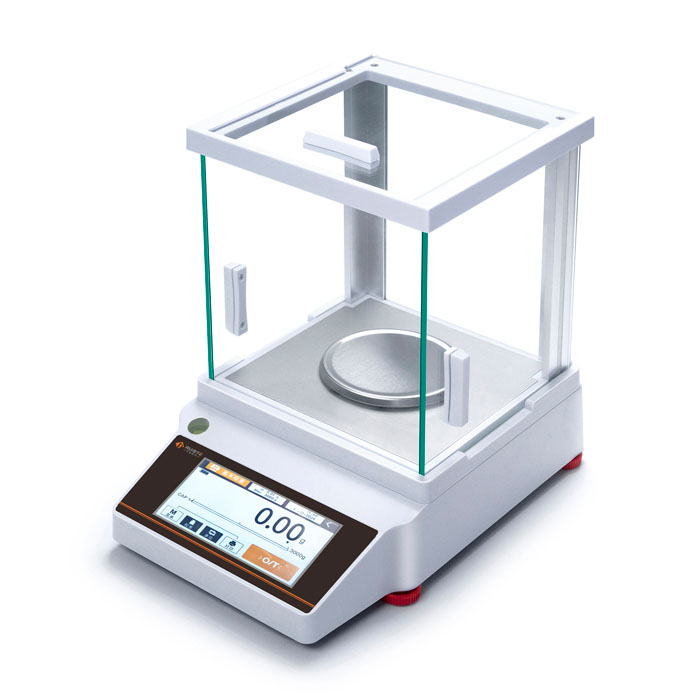
Stainless Steel Weighing Scale
In modern industrial production, daily commercial transactions, and laboratory research environments, weighing equipment serves as a fundamental auxiliary tool to quantify mass data and maintain operational order. Among various types of weighing devices, stainless steel weighing scales have gradually gained widespread popularity across diverse industries due to their balanced combination of stable physical properties, adaptable structural design, and consistent weighing performance. Unlike conventional weighing tools made of common carbon steel or plastic, stainless steel weighing scales focus on optimizing material characteristics and structural rationality during the design and manufacturing process, making them suitable for complex working conditions that require long-term continuous operation and frequent cleaning. The inherent advantages of stainless steel materials endow these weighing scales with unique application value, while refined mechanical and electronic configurations further enhance their practicality in daily use, laying a solid foundation for standardized mass measurement in multiple professional fields.
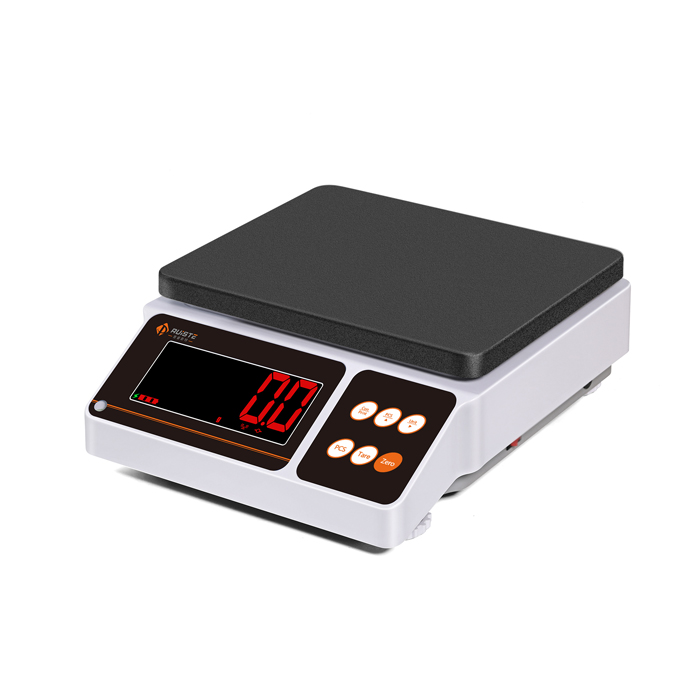
The core competitiveness of stainless steel weighing scale originates from the intrinsic physical and chemical properties of stainless steel materials. Most qualified weighing scale structures adopt common stainless steel grades that contain specific proportions of chromium and nickel elements. These metallic elements facilitate the formation of a dense and stable oxide film on the material surface, which effectively isolates external corrosive substances from contacting the internal metal matrix. This structural feature enables the equipment to resist erosion from weak acid, weak alkali, salt mist, and various organic solvents that frequently appear in production and living scenarios. In comparison with ordinary metal weighing scales that are prone to oxidation and rusting in humid environments, stainless steel weighing scales maintain smooth surface texture and stable structural integrity even after prolonged exposure to moist air or liquid splashing. The surface of the weighing platform usually undergoes fine polishing, wire drawing, or sandblasting treatment, eliminating tiny gaps where dirt and bacteria may accumulate. Such surface treatment not only upgrades the tactile texture and exterior gloss of the equipment but also simplifies daily cleaning procedures, allowing users to wipe away stains, oil residues, and attachments with common cleaning tools without leaving persistent marks on the metal surface.
The overall structural design of stainless steel weighing scales follows ergonomic principles and mechanical stress distribution logic to achieve a balance between structural firmness and operational convenience. The main frame and bearing platform adopt integrated welding or one-piece molding craftsmanship, which reduces the number of assembly gaps and avoids structural loosening caused by long-term vibration and pressure-bearing. For medium and large-sized weighing scales used in industrial scenarios, a double-layer protective frame structure is often incorporated. The outer frame bears external impact and friction pressure, while the inner frame fixes the sensing components, effectively dispersing dynamic loads and preventing local deformation of the weighing platform. This layered structural design keeps the flatness deviation of the weighing surface within a reasonable range even after frequent rolling of heavy goods and repeated bearing pressure. The bottom of the equipment is equipped with adjustable supporting footpads, which can adapt to uneven ground surfaces in workshops, warehouses, and processing workshops. Users can manually fine-tune the height of each footpad to ensure the horizontal placement of the weighing scale, reducing weighing errors caused by inclined placement. Meanwhile, the hollowed-out structural layout of the bottom frame promotes air circulation, accelerates water evaporation after cleaning, and avoids mold growth or metal damp corrosion in enclosed humid spaces.
In terms of weighing performance configuration, stainless steel weighing scales integrate mature sensing technology and intelligent data processing modules to sustain stable detection accuracy under fluctuating environmental conditions. High-sensitivity sensing components are installed inside the sealed scale body, which can accurately capture subtle pressure changes generated by placed items and convert mechanical pressure signals into readable digital data. In open-air working environments with obvious temperature differences between day and night, the built-in temperature compensation structure can dynamically calibrate internal parameters according to ambient temperature changes, controlling data fluctuation within a narrow reasonable range. This temperature adaptation capability effectively avoids accuracy instability caused by thermal expansion and contraction of metal structures and electronic components. The internal circuit structure adopts anti-interference shielding treatment to weaken the impact of external electromagnetic signals on weighing data, ensuring data stability even in industrial environments with dense mechanical equipment and complex electromagnetic radiation. The data display interface is designed with high-definition and low-power consumption characteristics, featuring clear digital fonts and moderate brightness, which enables users to quickly read weighing values under strong light or dim indoor lighting conditions. The response speed of data update is matched with conventional operation rhythms, realizing real-time feedback of weight changes during item placement and handling.
The application scenarios of stainless steel weighing scales cover multiple industries with differentiated usage demands, realizing seamless docking with diverse production and measurement links. In the food processing industry involving meat segmentation, aquatic product processing, bakery production, and condiment deployment, the equipment is frequently exposed to animal blood, grease, food residues, and cleaning water. The smooth and non-absorbent metal surface prevents liquid infiltration and bacterial reproduction, and the simple flat structure leaves no dead corners for dirt accumulation, meeting basic hygiene maintenance requirements in food production links. In the pharmaceutical and biochemical industries, stainless steel weighing scales are applied to the proportioning of powdered raw materials, the weighing of liquid preparations, and the sampling detection of finished products. The corrosion-resistant material avoids chemical reactions between the scale body and special pharmaceutical raw materials, preventing raw material contamination and ensuring the purity of experimental and production materials. Chemical production sites often contain volatile corrosive gases and chemical solution splashes; the stable metal properties of stainless steel can resist long-term chemical erosion, extending the service cycle of the equipment in harsh corrosive environments.
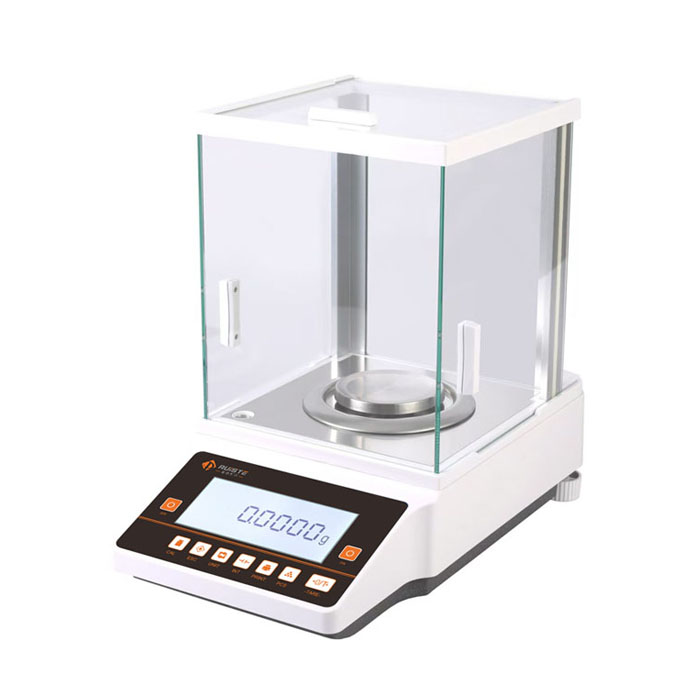
Beyond traditional industrial production links, stainless steel weighing scales also exert important functions in commercial circulation, warehousing and logistics, and daily laboratory testing. In bulk commodity trading markets, the equipment is used for the weighing of granular, block, and bagged goods. Its sturdy structure can withstand frequent loading and unloading of goods and daily human flow friction, maintaining stable working performance for a long time. In warehousing and distribution links, medium and large-sized stainless steel weighing scales are used to count the weight of packaged goods, assisting enterprises in completing inventory statistics and transportation load planning. For physical and chemical laboratories, small precision stainless steel weighing scales provide accurate mass data for material testing, ingredient proportioning, and sample recording. The easy-to-clean surface facilitates laboratory sanitary management and avoids cross-contamination between different experimental samples. Additionally, in aquaculture and fresh product cold chain industries, the equipment adapts to low-temperature and high-humidity storage environments, without structural aging or accuracy attenuation caused by long-term low-temperature operation.
Daily maintenance and servicing of stainless steel weighing scales are simple and convenient, which effectively reduces the comprehensive usage cost for users. In routine cleaning work, users only need to use soft rags paired with neutral cleaning solutions to wipe the surface of the weighing platform; stubborn attachments can be removed with mild physical friction, without the need for strong corrosive detergents that may damage the metal surface. It is necessary to avoid long-term accumulation of salt-containing liquids on the scale surface during use, as excessive chloride ions may gradually affect the surface oxide film of stainless steel under static placement. Regular inspection should focus on the flexibility of the bottom supporting footpads and the sealing performance of the scale body connection gaps to prevent dust and water vapor from entering the internal circuit and sensing components. When the equipment is not in use for a long time, it should be placed in a dry and ventilated environment, with a dust cover to reduce the adhesion of floating dust. The modular internal structure facilitates subsequent maintenance and component replacement. Worn or aging parts can be disassembled and updated separately, without integral scrapping of the equipment, which improves the utilization rate of resources.
Compared with other common weighing equipment, stainless steel weighing scales have obvious comprehensive advantages in terms of service life, environmental adaptability, and usage cost. ordinary carbon steel weighing scales require regular anti-rust paint maintenance, and surface rust spots will gradually expand after long-term use in humid environments, affecting both aesthetics and structural stability. Plastic weighing scales have low surface hardness and are prone to scratches and deformation under heavy pressure, which limits their application in industrial heavy-load scenarios. In contrast, stainless steel materials have high surface hardness and structural toughness, resisting daily scratch friction and moderate impact damage. The service cycle of stainless steel weighing scales is significantly longer than that of ordinary metal weighing equipment under the same working conditions. Although the initial manufacturing input is higher than that of low-cost weighing tools, the low maintenance frequency and long service life effectively reduce the long-term operating cost for users, forming a cost-effective usage cycle.
With the continuous upgrading of industrial production standards and the improvement of public requirements for measurement accuracy and equipment hygiene, the market demand for stainless steel weighing scales is maintaining a steady growth trend. The manufacturing process of such equipment is also constantly optimized, with more humanized details added to the structural design, such as anti-slip textures on the weighing platform to prevent item sliding, waterproof wiring ports to isolate liquid penetration, and simplified button panels to reduce operation difficulty. The continuous optimization of material smelting technology further enhances the corrosion resistance and oxidation resistance of stainless steel, enabling the equipment to adapt to more extreme working conditions such as high-salt fog coastal environments and low-temperature freezing workshops. In the future, with the integration of intelligent data transmission functions, stainless steel weighing scales will realize real-time synchronization of weighing data with terminal management systems, providing more convenient data statistical support for enterprise production management.
As a reliable and durable measuring tool, stainless steel weighing scales connect material quality detection data with standardized production processes. Their excellent material performance, reasonable structural design, stable weighing accuracy, and convenient maintenance methods make them indispensable auxiliary equipment in multiple industries. Whether for high-precision sample detection in laboratory environments, hygienic production in food and pharmaceutical workshops, or heavy-load weighing in industrial logistics links, stainless steel weighing scales can maintain consistent working conditions and output reliable measurement results. While meeting basic weighing demands, the equipment complies with the development trend of modern industrial refinement, hygiene standardization, and cost optimization, providing stable and long-lasting technical support for mass measurement work in various fields. With the continuous progress of processing and manufacturing technology, stainless steel weighing scales will keep evolving in structural optimization and functional expansion to adapt to increasingly complex market application requirements.
Stainless Steel Weighing Scale
https://www.pruiste.com/weighing-scale.html
Post Date: May 13, 2026
https://www.supplier-manufacturer.com/weighing-scale/stainless-steel-weighing-scale.html

![Precision Balance For Sale]()
Precision Balance For Sale
In modern measurement industries and scientific research fields, precision balances have evolved into essential measuring instruments that support countless professional w…![Types of Precision Balance]()
Types of Precision Balance
Precision balances stand as indispensable measuring instruments in modern quantitative analysis, serving as foundational tools for obtaining reliable mass data across dive…![Electronic Balance Manufacturer]()
Electronic Balance Manufacturer
In the modern industrial and scientific landscape, precise weight measurement serves as an indispensable foundation for countless production, research, and quality control…![Waterproof Electronic Balance]()
Waterproof Electronic Balance
In modern industrial production, laboratory research, food processing and daily commercial measurement scenarios, environmental interference has always been a key factor a…![Stainless Steel Weighing Scale]()
Stainless Steel Weighing Scale
In modern industrial production, daily commercial transactions, and laboratory research environments, weighing equipment serves as a fundamental auxiliary tool to quantify…