Platform Weighing Scale
In modern industrial production, commercial circulation and daily material management, weight measurement serves as one of the most fundamental and indispensable data collection links. Among various weighing devices, the platform weighing scale stands out for its reasonable structural design, flexible application scenarios and stable operating performance. It has become a common measuring tool covering light to medium load weighing tasks, widely placed in workshops, warehouses, processing workshops and trading venues across multiple industries. Different from small desktop weighing tools and large heavy-duty weighing equipment, this type of weighing instrument balances space occupancy and bearing capacity, adapting to the weighing demands of bulk goods, semi-finished products and packaged materials, and provides reliable weight reference data for daily operation management of various entities. Understanding the internal composition, working logic, material characteristics and application value of the platform weighing scale helps users optimize usage methods, extend service life and give full play to the functional advantages of mechanical and electronic integration.
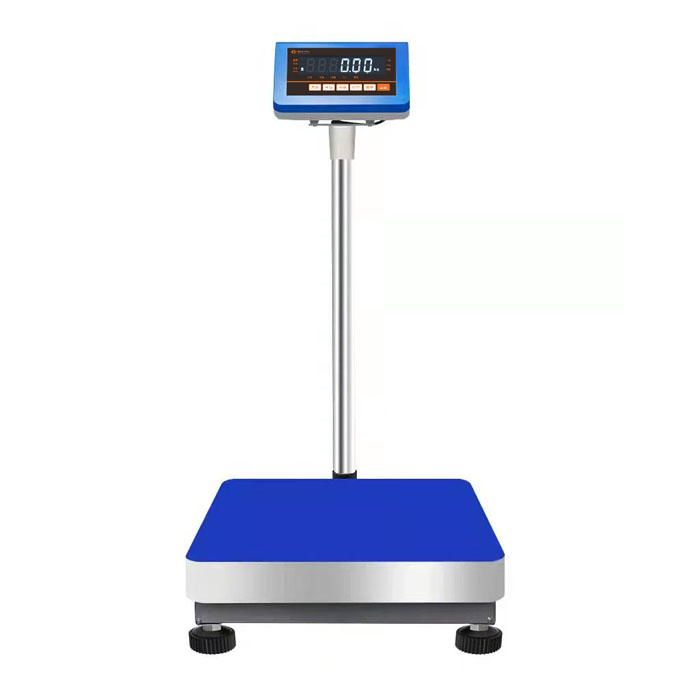
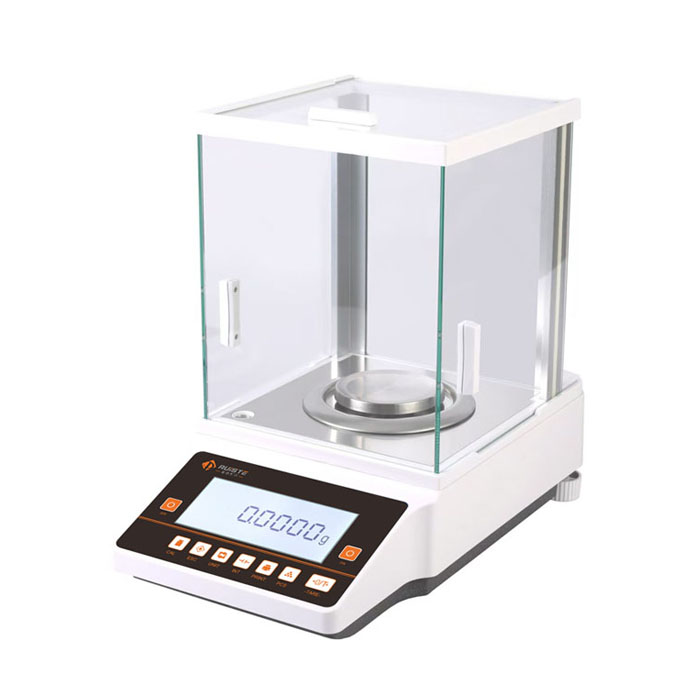
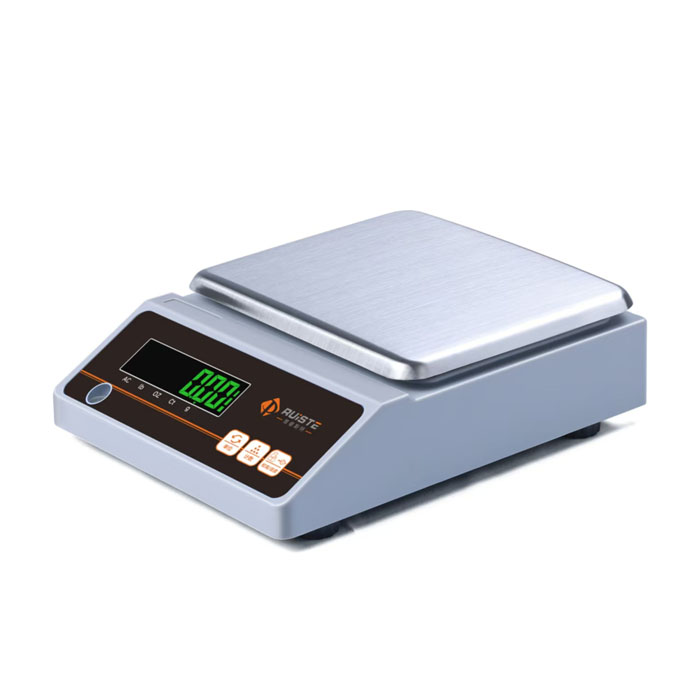
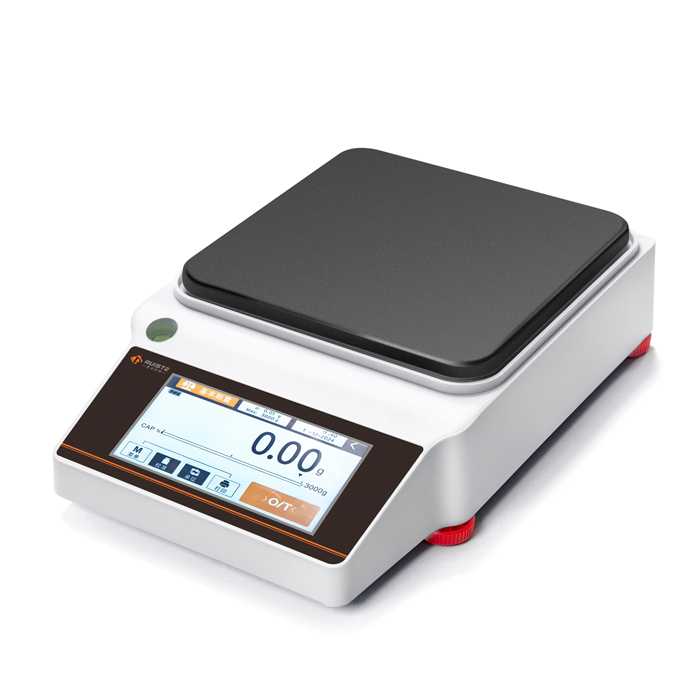
The overall structure of a platform weighing scale follows a simple and practical design concept, consisting of three core functional parts and several auxiliary structural components. The bearing platform is the most intuitive component, which directly contacts the measured objects and bears the static or slight dynamic pressure generated by goods. This platform is manufactured with flat and smooth surface treatment, and the edge parts are usually polished to reduce sharp corners, avoiding scratch damage to staff and packaged goods during daily handling. The internal supporting structure of the platform adopts reinforced welding technology, and additional stiffeners are arranged inside according to mechanical stress distribution rules to disperse local pressure generated by concentrated loads. Such structural optimization effectively alleviates platform deformation caused by long-term bearing, maintaining flatness and stress uniformity during repeated weighing processes. Below the bearing platform lies the force transmission and sensing component, which is the key part to complete weight conversion. Multiple sensing units are arranged at fixed positions at the bottom of the platform, closely connected with the supporting base. When an object is placed on the platform, gravity is evenly transmitted to each sensing unit through the metal structure, ensuring synchronous stress on all sensing components and reducing data deviation caused by uneven force. The last core part is the data processing and display component, which is connected to the sensing units through stable signal transmission lines. It can capture weak electrical signals generated by stress changes, complete signal amplification, digital conversion and data filtering through internal processing modules, and finally present intuitive weight values on the display interface. Auxiliary components include anti-slip foot pads, connecting lines and protective shells, which jointly maintain the stability and safety of the entire equipment during operation.
The working principle of the platform weighing scale is based on physical strain induction and digital signal processing, realizing the conversion from mechanical gravity to readable digital data. In the natural state without load, each sensing unit remains in an original stable state with no obvious strain deformation, and the data processing module presents a zero value after automatic calibration. When measured goods are stably placed on the bearing platform, the platform sinks slightly under the action of gravity, and the pressure is transmitted to the internal strain-sensitive structure of the sensors. The strain structure produces tiny elastic deformation with the change of pressure, and this deformation will trigger the change of internal electrical parameters of the sensor. The changed electrical signals are transmitted to the processing module in real time. Considering the interference of external environmental factors such as air flow and slight vibration, the built-in algorithm of the equipment will screen and filter fluctuating signals, eliminate accidental interference data, and retain stable and effective weight signals. After multiple rounds of data calculation and correction, the accurate weight value is output and displayed on the screen. After the goods are removed, the platform rebounds to its original flat state, the sensor returns to the initial stress state, and the display data automatically resets to zero, completing a complete weighing cycle. The whole process is completed in a short time, and the continuous optimization of induction technology ensures the stability of data output during frequent repeated weighing.
Material selection determines the environmental adaptability and service life of the platform weighing scale, and mainstream products on the market adopt two common metal materials for targeted production according to usage scenarios. Carbon steel materials are mostly used in conventional industrial environments with dry air and low corrosiveness. This material has good hardness and compression resistance, which can resist mechanical impact generated by daily loading and unloading of goods. After surface anti-rust treatment such as paint spraying, carbon steel platforms can slow down oxidation and wear in conventional atmospheric environments, meeting the long-term use needs of ordinary warehouses and processing workshops. For humid, corrosive or high-sanitary-demand scenarios, stainless steel materials become the preferred choice. This material has dense surface structure, not easy to accumulate dust and stains, and can withstand regular water flushing and wiping cleaning. It has good resistance to acid and alkali substances, and will not produce corrosion spots or structural aging due to long-term contact with oily, watery and weak corrosive materials. In addition to metal main materials, the bottom supporting foot pads are made of high-molecular rubber materials, which can increase friction with the ground to avoid equipment displacement during weighing. At the same time, the rubber material can buffer tiny vibration, reduce vibration conduction between the ground and the platform, and further improve the stability of weighing data.
The diversified structural forms further enrich the application flexibility of platform weighing scales, and differentiated designs are carried out for different site space and usage habits. The single-layer structure features low overall height and simple installation steps, which can be directly placed on flat hard ground without complicated foundation construction. This structure is suitable for scenarios with frequent equipment movement and limited space, facilitating staff to adjust the placement position according to operation procedures. The double-layer structure adopts separated design of upper bearing surface and lower supporting frame, with buffer cushions and reinforcing structures embedded in the middle. This design can disperse instantaneous impact force generated when goods are placed, reduce vibration resonance inside the equipment, and protect internal sensing components from damage caused by sudden pressure changes. In terms of surface design, some platforms are made of seamless integral plates to avoid dirt accumulation in gaps, while others adopt anti-skid patterned surfaces to increase friction and prevent smooth packaged goods from sliding during weighing. In terms of data expansion, many platform weighing scales reserve external connection interfaces, which can be matched with peripheral auxiliary equipment to complete data printing, data transmission and batch record storage. Staff can export weighing data within a specified period through external terminals to facilitate subsequent inventory statistics and production data sorting.
The application scope of platform weighing scales covers multiple industries, providing basic measurement support for different production and operation links. In the food processing industry, such equipment is applied to meat segmentation, aquatic product processing and baked food production workshops. The easy-to-clean surface structure can adapt to frequent water washing and oil pollution cleaning requirements, and stable weighing performance ensures accurate proportioning of raw materials in food processing, maintaining the consistency of product specifications. In the chemical and pharmaceutical industries, platform weighing scales need to cope with dust pollution and weak corrosive raw materials. The corrosion-resistant metal structure avoids equipment aging caused by special material contact, and accurate weighing data guarantees the scientific proportioning of chemical raw materials, reducing quality fluctuations of finished products. In logistics and warehousing links, this type of weighing equipment undertakes the weighing work of packaged parcels and bulk goods. Compact size and convenient movement enable it to be flexibly arranged in sorting stations and storage areas, providing weight basis for cargo counting, transportation charging and inventory checking. In agricultural production and trading scenarios, platform weighing scales are used for weighing grain, fruits and livestock products. It adapts to complex outdoor and temporary construction environments, helping practitioners complete rapid weight measurement of agricultural products. In addition, small and medium-sized processing factories also use platform weighing scales to detect the weight of semi-finished products and finished products, screen unqualified products with excessive weight deviation, and control product quality within a reasonable range.
Standardized daily maintenance and scientific usage habits are crucial to maintain the working performance of platform weighing scales and prolong their service cycle. During daily placement, the equipment should be kept on dry and flat hard ground to avoid long-term tilt placement, which prevents uneven stress on internal sensors and permanent structural deformation. In the cleaning process, soft cleaning tools and neutral cleaning agents should be used to wipe the platform surface; corrosive chemical cleaners and high-pressure impact flushing are not recommended to avoid damaging the surface protective layer and internal circuit structure. Staff should avoid placing overloaded goods on the platform for a long time, and reduce sudden throwing and heavy impact during goods handling, so as to prevent instantaneous pressure from exceeding the bearing range of sensing components. Regular manual calibration is also an essential maintenance step. By using standard weights to detect weighing data deviation, tiny data errors generated by long-term use can be corrected in time. For equipment with external connection functions, the connection lines and interfaces should be checked regularly to eliminate hidden dangers such as line aging and poor contact. When the equipment is not in use for a long time, it should be placed in a dry and ventilated environment, and dust covers should be used to block floating dust, reducing the aging speed of internal electronic components.
With the continuous progress of manufacturing technology, the overall performance of platform weighing scales is constantly optimized and upgraded. The induction sensitivity of internal sensing components is steadily improved, which can capture tiny weight changes and reduce data fluctuation during dynamic weighing. The intelligent processing module continuously optimizes the algorithm, which can automatically identify external interference such as ambient temperature change and ground vibration, and carry out real-time data compensation to enhance the stability of weighing results. In terms of structural design, modular assembly is gradually popularized. Each functional component can be disassembled and replaced independently, reducing the difficulty and cost of later maintenance. Meanwhile, personalized customized design is more abundant. Reasonable size, bearing range and surface treatment mode can be formulated according to the actual space and usage needs of users, breaking the limitations of single standard specification. In terms of data management, the combination of weighing equipment and digital management system enables real-time uploading and cloud storage of weighing data, which is convenient for enterprise managers to remotely view material circulation data and optimize inventory allocation plans.
As a practical and versatile weighing tool, the platform weighing scale connects raw material procurement, production and processing, finished product circulation and other links in various industries with stable mechanical structure and reliable data output. It does not rely on complex installation conditions and professional operation skills, and can be quickly put into use after simple placement and debugging. Whether it is quantitative proportioning in refined production or bulk counting in commodity circulation, this kind of equipment can complete weighing tasks efficiently and accurately. In the future, with the continuous integration of new materials and intelligent technology, the comprehensive performance of platform weighing scales will be further improved, adapting to more complex working environments and diversified weighing needs. It will continue to serve as an important basic measuring equipment, providing stable and accurate weight data support for the standardized operation and efficient management of various industries, and creating tangible value for material circulation and production optimization in the whole industrial chain.
Platform Weighing Scale
https://www.pruiste.com/weighing-scale.html
Post Date: May 13, 2026
https://www.supplier-manufacturer.com/weighing-scale/platform-weighing-scale.html

![Medical Electronic Balance]()
Medical Electronic Balance
In the modern medical industry, precise measurement serves as the fundamental foundation for medical research, clinical diagnosis, pharmaceutical preparation and biologica…![Portable Electronic Balance]()
Portable Electronic Balance
With the continuous advancement of modern measurement technology, weighing instruments have gradually evolved from bulky mechanical structures to compact electronic design…![Weighing Scale Vender In China]()
Weighing Scale Vender In China
China has established a solid and influential position in the global weighing scale manufacturing sector, with numerous dedicated vendors covering diverse production scale…![Weighing Scale Manufacturer]()
Weighing Scale Manufacturer
The weighing scale manufacturing sector stands as an indispensable segment within the global industrial and consumer manufacturing landscape, quietly supporting the operat…![Moisture Analyzer DHS Series]()
Moisture Analyzer DHS Series
DHS series adopts the Internet of Things 5 inch color TFT control system integrated touch HD screen, and the whole series moisture meter adopts German HBM sensor and brand…