Compact Analytical Balance
Compact analytical balances have become indispensable precision instruments in modern scientific research, industrial production, and quality inspection sectors, catering to the growing demand for space-saving and high-precision mass measurement solutions. Differentiated from conventional large-scale analytical weighing equipment, this type of balance integrates streamlined structural design with mature weighing technologies, achieving a balanced combination of compact physical dimensions, stable operating performance, and reliable measurement accuracy. Designed to handle small-volume sample weighing tasks, it adapts to limited working spaces such as compact laboratory benches, portable detection stations, and enclosed production environments, making it a common foundational tool across multiple professional fields. Its core design logic focuses on optimizing internal component layout while retaining complete weighing functions, eliminating redundant structural parts without compromising measurement stability, which enables it to meet the rigorous precision requirements of micro-sample detection in various scenarios.
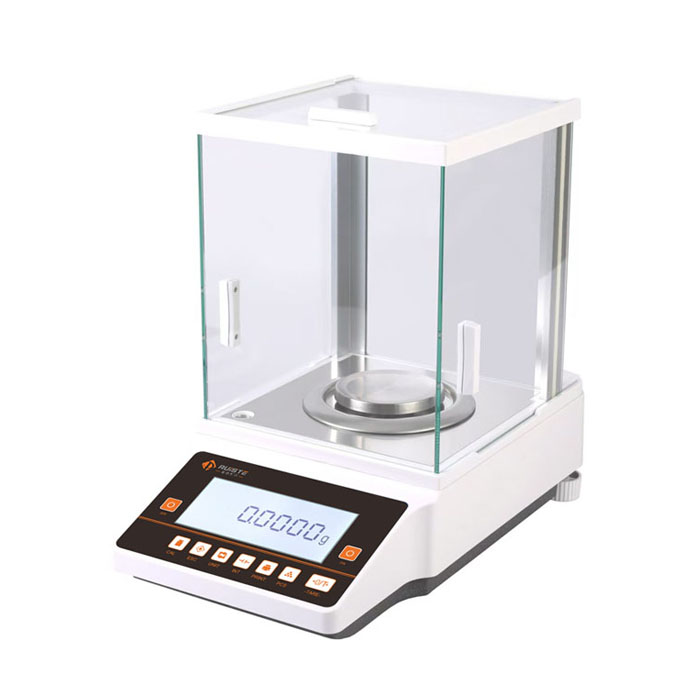
The internal working mechanism of compact analytical balances primarily relies on the electromagnetic force compensation principle, a mature and efficient measurement technology widely adopted in modern electronic precision weighing devices. When a sample is placed on the weighing pan, the pan generates slight downward displacement under the gravitational pull of the sample. The built-in displacement sensor instantly captures this subtle positional change and converts the mechanical displacement into continuous electrical signals. These signals are transmitted to the internal control circuit, which dynamically adjusts the current intensity of the electromagnetic coil. The coil generates an upward electromagnetic force in the magnetic field to counteract the gravitational force of the sample, pushing the weighing pan back to its initial balanced position. Within the effective measurement range, the current passing through the coil maintains a stable proportional relationship with the mass of the loaded sample. The data processing module converts the collected current data into intuitive mass values, which are then displayed on the high-definition display screen, completing the entire weighing process. This non-mechanical lever operation mode effectively reduces mechanical friction loss, lowering the probability of structural wear and ensuring consistent measurement stability during long-term continuous use.
The overall structural layout of compact analytical balances follows human-centered and space-saving design concepts, with each functional component scientifically arranged to minimize external volume. The exterior shell adopts high-strength synthetic materials, which possess good pressure resistance, corrosion resistance, and dustproof performance, effectively isolating fine airborne particles and humid air from interfering with internal precision components. The weighing pan, usually made of polished metal materials with smooth surfaces and stable chemical properties, prevents chemical corrosion from trace samples and facilitates daily cleaning and maintenance. To mitigate the impact of horizontal airflow on micro-sample weighing results, most models are equipped with transparent enclosed windshields. The detachable windshield structure allows easy access for sample placement and taking, while maintaining a sealed and stable internal weighing space. The internal sensor and circuit modules are miniaturized and highly integrated, reasonably stacked inside the shell to save space, and equipped with shock-absorbing pads at the connection points to buffer vibration interference from the external environment. The intuitive display area and simple physical operation keys are arranged on the front of the equipment, enabling operators to complete parameter setting, data clearing, and unit switching with simple steps.
In terms of measurement performance, compact analytical balances are tailored for micro and trace sample detection, with conventional resolution reaching 0.1 milligrams, fully meeting the precision standards for conventional analytical experiments. The reasonable internal circuit optimization shortens the data stabilization time after sample placement, realizing rapid data locking and reading while ensuring accuracy. The built-in temperature sensing module can monitor ambient temperature changes in real time. Since temperature fluctuations affect the magnetic field stability of electromagnetic components and the physical state of internal circuits, the system automatically compensates for temperature deviations through algorithms to reduce measurement errors caused by environmental thermal changes. Additionally, the equipment has excellent repeatability, and multiple consecutive weighing tests on the same sample can generate highly consistent data, providing reliable data support for experimental analysis and quality detection. The overload protection structure is embedded at the bottom of the weighing pan. When the loaded sample exceeds the safe weighing range, the mechanical limiting structure can protect the internal sensor from irreversible damage caused by excessive pressure, extending the service life of core components.
Compact analytical balances exhibit extensive application value in multiple industry sectors, covering basic scientific research, industrial manufacturing, and daily quality monitoring. In chemical laboratories, researchers use such balances to weigh trace chemical reagents, standard samples, and experimental precipitates. Accurate reagent dosage control ensures the controllability of chemical reaction processes and the authenticity of experimental data, which is crucial for quantitative analysis experiments, solution preparation, and substance purity detection. In biological research environments, the equipment is applied to the weighing of microbial culture samples, biological reagents, and tiny tissue samples. Its closed weighing space effectively avoids sample contamination from external dust and impurities, maintaining the biological activity of experimental samples and the accuracy of detection data.
The pharmaceutical industry is one of the key application scenarios for compact analytical balances. In drug research and development laboratories, staff weigh raw medicinal materials, active pharmaceutical ingredients, and auxiliary materials to proportion formulas accurately, optimizing drug component ratios. In pharmaceutical quality inspection links, the equipment is used to detect the net content of finished drugs and the residue of trace impurities, ensuring that drug products comply with industry quality specifications. The compact size allows the balance to be placed in sterile testing cabinets, adapting to the strict environmental requirements of pharmaceutical testing for cleanliness and space tightness. In the food processing industry, such balances undertake the detection of food additives, trace nutritional components, and residual harmful substances. Quality inspection personnel conduct quantitative analysis of food samples to control additive dosage within reasonable limits and monitor food safety indicators, providing data guarantees for food market circulation safety.
In industrial production and manufacturing, compact analytical balances play an important role in precision processing and quality screening. In the electronic component manufacturing industry, staff weigh tiny conductive materials, metal powder raw materials, and miniature electronic accessories to control component production accuracy and ensure the stability of electronic product performance. In the new energy material industry, the equipment is used to weigh battery raw materials and composite coatings, analyzing the mass ratio of each component to optimize material formula performance. Moreover, in precious material detection and handicraft processing fields, the high-precision measurement capability of compact analytical balances can accurately record the mass of small precious metal samples, assisting personnel in material identification and proportion classification. Unlike large analytical balances that rely on fixed laboratory platforms, compact models can be flexibly placed on production line detection stations to complete rapid sampling and weighing of bulk products, improving industrial detection efficiency.
Standardized operation and daily maintenance are essential to maintain the long-term stable performance of compact analytical balances. Before formal use, operators need to place the equipment on a horizontal stable platform and adjust the horizontal calibration foot pads to ensure the horizontal state of the fuselage, avoiding measurement deviations caused by tilting placement. It is necessary to preheat the equipment for an appropriate duration to stabilize the internal circuit and magnetic field environment, eliminating data fluctuations caused by insufficient component activation. During the weighing process, samples should be placed gently in the center of the weighing pan to prevent lateral impact force from causing structural displacement of internal components. Overloading weighing is strictly prohibited, and volatile, corrosive samples need to be held in sealed containers to avoid direct contact with the weighing pan and shell, preventing chemical corrosion damage.
For daily maintenance, the surface of the weighing pan and windshield should be cleaned regularly with soft lint-free materials to remove residual sample dust and liquid stains. The equipment should be placed in a dry and ventilated storage environment to avoid long-term exposure to high humidity, high temperature, and strong corrosive gas spaces, which can prevent circuit aging and metal component oxidation. Regular horizontal inspection and calibration are required. After long-term use or equipment movement, standard calibration weights can be used to verify measurement accuracy, and parameter calibration can be completed through the built-in calibration program to eliminate systematic errors. When the equipment is not in use for a long time, the power supply should be cut off, and the dust cover should be covered to isolate external dust, reducing the frequency of component wear and failure.
Compared with traditional mechanical analytical balances and large electronic analytical balances, compact analytical balances have prominent comprehensive advantages. Mechanical balances require manual weight adjustment and mechanical balancing, which are cumbersome to operate, time-consuming to stabilize, and susceptible to human operation errors. Large electronic analytical balances have complete functions but occupy a large area, with high requirements for placement space and environmental conditions, limiting their application in compact working scenarios. In contrast, compact analytical balances retain high-precision measurement capabilities, simplify redundant functional modules, optimize spatial layout, and have lower requirements for placement conditions. Their intelligent data processing system can automatically record and store short-term weighing data, facilitating operators to view and sort experimental records. The low energy consumption design also reduces daily use costs, making it more in line with the energy-saving and efficient development concept of modern laboratory equipment.
With the continuous advancement of microelectronics technology and material processing technology, the performance optimization direction of compact analytical balances will be more diversified. Future product iterations will further reduce equipment volume while improving anti-interference capabilities, enhancing adaptability to complex environments such as vibration and airflow. Intelligent data management functions will be upgraded to realize automatic data classification, export, and remote transmission, realizing seamless connection with laboratory data management systems. The human-computer interaction interface will be more simplified and intelligent, reducing the professional operation threshold and enabling novice operators to master weighing skills in a short time. In addition, the application of new anti-corrosion and wear-resistant materials will extend the service life of equipment, reduce maintenance costs, and further expand the application scope in extreme detection environments such as low temperature and high humidity.
As a vital branch of precision weighing instruments, compact analytical balances bridge the gap between high precision and space flexibility. Their unique structural design, stable measurement performance, and diverse application scenarios make them irreplaceable basic equipment in scientific research, industrial detection, and public health fields. In an era where micro-analysis and refined detection are increasingly valued, compact analytical balances will continuously optimize technical performance according to industry usage needs, provide accurate and convenient mass measurement solutions for various industries, and lay a solid data foundation for technological innovation, product quality improvement, and experimental result verification. Reasonable selection, standardized operation, and scientific maintenance will maximize the use value of such balances, promoting the steady development of related industries towards refinement and high precision.
Compact Analytical Balance
https://www.pruiste.com/analytical-balance.html
Post Date: May 19, 2026
https://www.supplier-manufacturer.com/analytical-balance/compact-analytical-balance.html

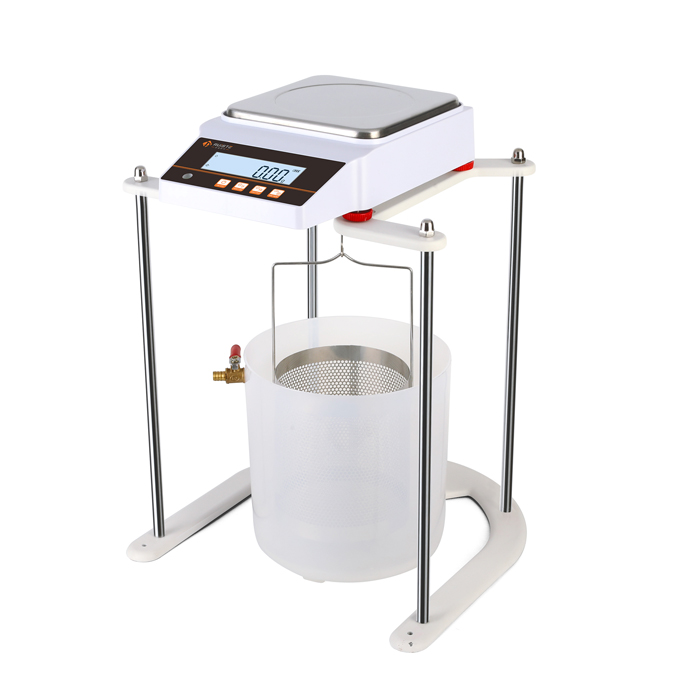
![Hydrostatic Balance JY SERIES]()
Hydrostatic Balance JY SERIES
The entire series of JY balances uses branded sensors to ensure high accuracy and stability of weighing results. This series of precision casting ABS Environmental protect…![Digital Viscometer Exporter]()
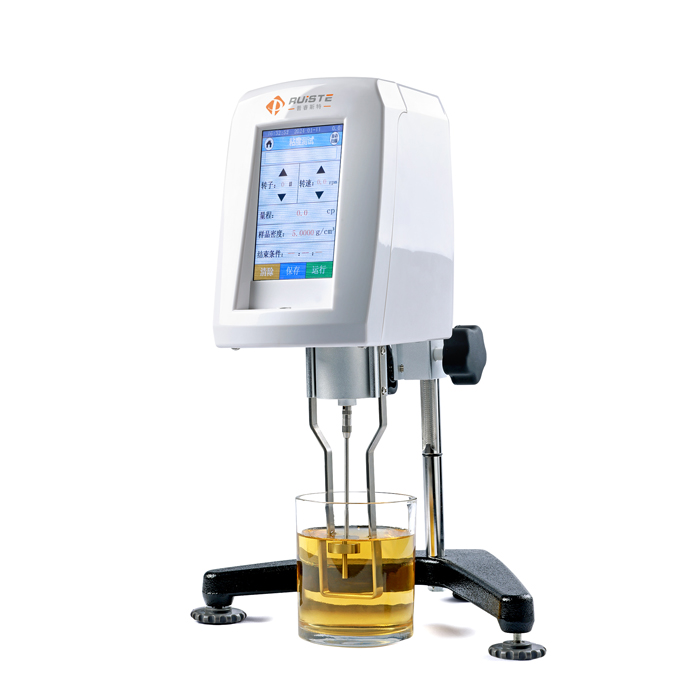
Digital Viscometer Exporter
Viscosity stands as one of the most fundamental physical properties of fluid materials, reflecting the internal friction and flow resistance of substances during movement.…![Digital Viscometer For Sale]()
Digital Viscometer For Sale
Viscosity serves as one of the most fundamental physical properties of fluid substances, reflecting the internal friction and flow resistance of liquids during movement. I…![Industrial Digital Viscometer]()
Industrial Digital Viscometer
Viscosity stands as one of the most critical physical properties of fluid materials, reflecting the internal frictional resistance that occurs when a fluid undergoes flow …![Gravimetric Moisture Analyzer]()
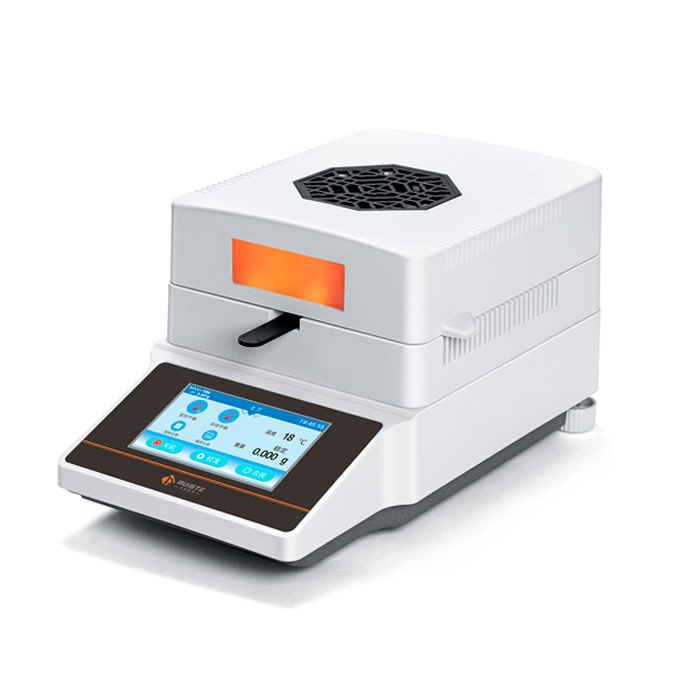
Gravimetric Moisture Analyzer
Moisture content stands as one of the most critical physical parameters that define the quality, stability, and processing performance of diverse materials across industri…