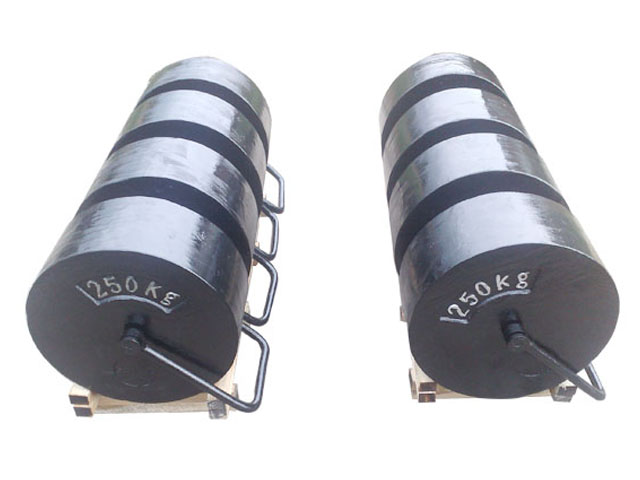
2kg Calibration Weight
In the modern system of industrial production, laboratory scientific research, commercial measurement and daily precision weighing management, the stability and consistency of weighing data have always been the core foundation for maintaining production quality, experimental validity and transaction fairness. All kinds of weighing equipment, whether desktop electronic balances used in fine laboratories, platform scales deployed in production workshops, weighing devices for commodity inspection in commercial circulation links, or special weighing instruments for raw material proportioning in food and chemical processing, will gradually produce subtle deviation in measurement performance after long-term use, frequent vibration, environmental temperature and humidity changes, and repeated load bearing. These small deviations may not be obvious in a short period of time, but with the accumulation of use time and the superposition of multiple measurement links, they will eventually evolve into obvious measurement errors, affecting the accuracy of experimental data, the stability of product quality and the rationality of commodity measurement settlement. The 2kg calibration weight has become an indispensable basic reference tool in the whole weighing measurement system under such actual demand, serving as a stable and reliable mass reference medium to connect all kinds of weighing equipment and standard mass values, ensuring that every weighing operation can be carried out on a unified and consistent measurement basis. Unlike ordinary counterweights or heavy objects used for simple pressing and fixing, this type of calibration weight is designed and manufactured purely for measurement calibration and accuracy verification, with strict control over material selection, surface processing, overall structural design and mass stability, focusing on long-term mass constancy and adaptability to various use environments, rather than simple weight bearing or auxiliary fixing functions. It plays a subtle and crucial role in countless production, scientific research and life scenarios, and its reasonable use, standardized maintenance and scientific management are directly related to the effective operation of the entire weighing and measurement link of each industry and each user scenario.
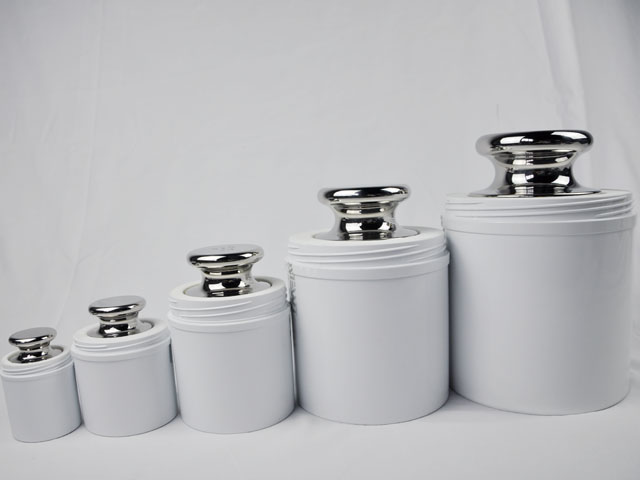
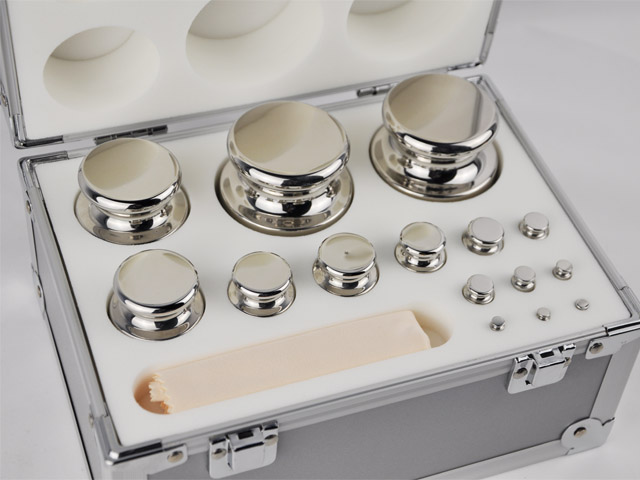
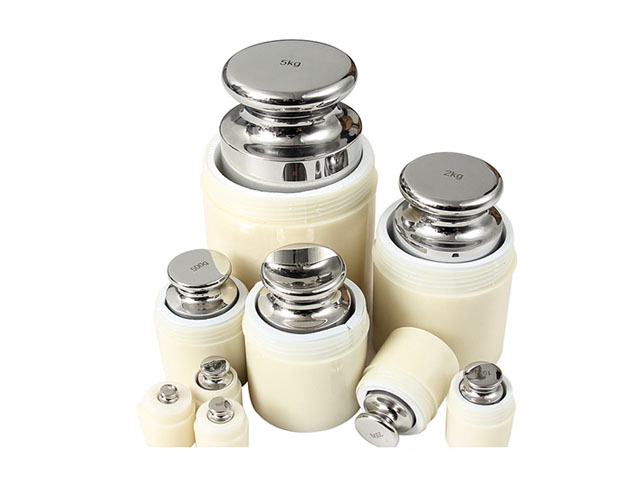
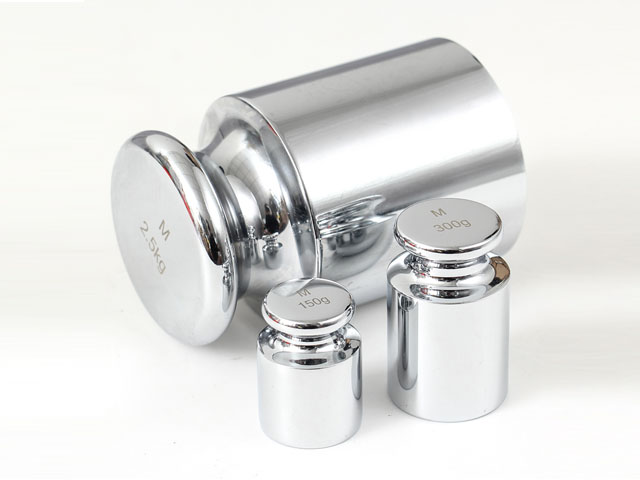
The basic physical characteristics and structural design of the 2kg calibration weight are all formulated around the core goal of maintaining long-term mass stability and convenient standardized operation. The materials selected for the production of this calibration weight are all carefully selected high-density, corrosion-resistant and oxidation-resistant raw materials, which can effectively resist the influence of external environmental factors on the internal mass of the weight in the long-term use process. In the daily working environment, whether it is the humid air in the production workshop, the chemical trace gas volatilized in the laboratory experiment process, or the temperature alternation of cold and heat in the storage space, ordinary metal objects are prone to surface oxidation, corrosion, rust and other phenomena, which will directly change the actual mass of the object and make it lose the basic conditions as a mass reference. The raw materials used for the 2kg calibration weight avoid such problems fundamentally through special material characteristics, maintaining stable physical properties and unchanged surface state for a long time, and ensuring that the nominal mass value can be kept consistent for many years without obvious fluctuation. In terms of structural shape design, the overall outline of the 2kg calibration weight is compact and regular, with smooth and flat surface treatment and no sharp edges and corners. This design not only avoids the surface damage and mass change caused by collision and friction during handling and placement, but also ensures that the weight can be stably and horizontally placed on the weighing platform of various weighing equipment without tilting or shaking during the calibration process. At the same time, the reasonable structural size makes it have good ergonomic performance in the handling process, neither too bulky to be inconvenient to move nor too small to be easy to slip, which is convenient for operators to complete placement, removal and position adjustment operations in a stable and labor-saving state.
The surface of the 2kg calibration weight has been finely polished and processed, without any rough burrs, pits or uneven areas. This fine surface treatment is not only for the neat appearance, but more importantly, to reduce the adhesion of dust, dirt, moisture and other impurities. In the process of frequent calibration use, once impurities adhere to the surface of the weight, the actual overall mass will be increased virtually, resulting in inaccurate reference mass in the calibration process, and finally leading to the failure of weighing equipment calibration. The smooth surface can greatly reduce the adhesion probability of various sundries, and also make the subsequent daily cleaning and maintenance work more simple and efficient, only needing simple wiping and dust removal to keep the surface clean and tidy. In addition, the internal structure of the 2kg calibration weight is solid and integrated as a whole, with no hollow gaps or loose assembly parts inside. This integrated forming structure avoids the mass deviation caused by loose internal parts, structural vibration or internal material falling off during long-term use and repeated handling. Every link from raw material processing to finished product forming is strictly controlled to ensure that the actual mass of each finished weight is kept within a reasonable and stable range, providing a solid basic guarantee for subsequent calibration and verification work.
The application scenarios of the 2kg calibration weight cover almost all fields that require accurate weighing measurement, from professional laboratory precision scientific research to industrial production and processing, from commercial retail weighing settlement to daily family high-precision ingredient preparation, and it can play an irreplaceable role in every link that needs to ensure weighing accuracy. In scientific research and experimental laboratories, various analytical balances and precision electronic weighing instruments are the basic equipment for daily experimental research. Many experimental projects require accurate weighing of raw materials, reagents and experimental samples, and the accuracy of weighing data is directly related to the success or failure of the experiment and the authenticity and validity of experimental results. After each precision weighing instrument is used for a period of time, affected by frequent start-up and shutdown, repeated placement of samples and subtle changes in the internal sensor performance of the equipment, the weighing data will drift slightly. Before each batch of formal experiments, researchers need to use the 2kg calibration weight to verify and calibrate the weighing instrument to ensure that the weighing data displayed by the instrument is consistent with the actual mass of the object, so as to avoid experimental errors caused by inaccurate weighing. Especially in chemical reagent proportioning, biological sample preparation, material performance testing and other fine experimental fields, even tiny mass errors will lead to great changes in experimental reaction results and data conclusions. The stable reference mass provided by the 2kg calibration weight can effectively eliminate such measurement hidden dangers and maintain the accuracy and rigor of laboratory experimental work.
In industrial production and manufacturing links, the application demand for the 2kg calibration weight is more extensive and frequent. Many production and processing enterprises need to carry out precise proportioning of raw materials in the production process, and the proportion ratio of different raw materials directly determines the quality, performance and qualification rate of finished products. Whether it is the processing and production of food and beverage, daily chemical products, plastic rubber materials, hardware accessories or electronic component processing, raw material weighing is an essential production link. The platform scales and electronic weighing scales used in the production workshop will be affected by production vibration, material impact, workshop temperature and humidity changes and other factors all year round, and the measurement accuracy is easy to deviate. Production operators need to regularly use the 2kg calibration weight to check and calibrate the production weighing equipment every day or every production shift to ensure that each raw material weighing link can maintain accurate data, avoid product quality problems such as unqualified product performance and inconsistent product batch quality caused by inaccurate raw material proportioning. At the same time, in the finished product quality inspection link of industrial production, it is also necessary to use the 2kg calibration weight to verify the accuracy of the weighing equipment for finished product inspection, ensure that the quality inspection data of finished products is true and reliable, avoid unqualified products from flowing into the market due to inaccurate weighing detection, and effectively maintain the overall product quality level of the enterprise and the stable development of production and operation.
In commercial circulation and market weighing management scenarios, the 2kg calibration weight is an important tool to maintain fair trading order and protect the legitimate rights and interests of consumers and merchants. All kinds of supermarkets, vegetable markets, retail stores and bulk commodity trading places use electronic pricing scales and weighing settlement equipment for commodity weighing and pricing. The accuracy of these weighing equipment is directly related to the fairness of commodity transactions. In the daily use process, due to frequent use, man-made collision, long-term placement and other reasons, the weighing equipment is prone to measurement deviation. Regular use of the 2kg calibration weight by market management personnel and merchants for calibration and inspection can effectively prevent the phenomenon of inaccurate weighing and arbitrary adjustment of weighing data in commodity transactions, ensure that each commodity transaction is carried out on the basis of accurate measurement, maintain the fair and honest market trading atmosphere, and make both merchants and consumers complete commodity transactions in a reassuring and reliable environment. In addition, in the warehousing and logistics industry, it is necessary to weigh goods to determine freight and warehousing management. The weighing equipment used in warehousing and logistics also needs regular calibration with 2kg calibration weight to ensure the accuracy of goods weight statistics and freight calculation, and avoid economic disputes and management confusion caused by inaccurate weighing data.
Even in daily family life and personal fine life scenarios, the 2kg calibration weight also has a very practical application value. With the continuous improvement of people's pursuit of refined life, many families will equip with high-precision kitchen electronic scales for homemade baking, precise meal preparation, healthy diet matching and other needs. For families who pay attention to baking production and healthy diet management, the accurate weighing of flour, sugar, oil and other food raw materials is the key to making delicious food and scientific diet. After the kitchen electronic scale is used for a period of time, it is easy to have weighing deviation due to accidental collision, long-term placement and battery replacement. Using the 2kg calibration weight to simply calibrate the kitchen scale can ensure that the weighing of food raw materials is accurate, making the production of baked goods more successful and the diet matching more scientific and reasonable. At the same time, some families with small processing tools and personal hobby production also need to use small weighing equipment for auxiliary production and production, and the 2kg calibration weight can also provide accurate reference calibration for these household weighing equipment, bringing convenience to daily refined life and personal hobby production.
The correct standardized operation method is the key premise to give full play to the calibration effect of the 2kg calibration weight and prolong its service life. Many users only pay attention to the calibration effect of the weight itself, but ignore the standardization of the operation process, resulting in unnecessary mass change of the calibration weight and inaccurate calibration results in the actual use process. Before each use of the 2kg calibration weight for weighing equipment calibration, the first step is to check the surrounding use environment and the state of the weight itself. It is necessary to ensure that the surrounding working environment is kept clean and tidy, without obvious dust, debris, strong air flow and severe temperature fluctuation. Strong air flow will affect the stability of the weighing platform of precision weighing equipment, resulting in fluctuating weighing data. Severe temperature difference change will cause subtle thermal expansion and contraction of the calibration weight and weighing equipment, affecting the consistency of measurement results. At the same time, it is necessary to check the surface state of the 2kg calibration weight to confirm that there is no dust, dirt, moisture and other attachments on the surface, and no obvious collision scratches, deformation and other damage on the appearance. If there are sundries attached to the surface, it is necessary to use soft and clean special cleaning tools for simple dust removal and wiping treatment, and ensure that the surface of the weight is dry and clean before calibration operation.
In the process of handling the 2kg calibration weight, it is necessary to avoid direct contact with the surface of the weight by bare hands as much as possible. Human hands will secrete sweat, grease and other substances, and direct contact will leave fingerprints and oil stains on the surface of the weight. These attachments are not easy to be cleaned thoroughly in a short time, and will gradually cause surface pollution and even subtle corrosion of the weight, changing the actual mass of the weight and affecting the calibration accuracy. In the actual handling operation, operators can use clean special gloves or professional auxiliary handling tools to hold and move the calibration weight, ensuring that the surface of the weight is always kept clean and free of oil pollution. When placing the 2kg calibration weight on the weighing platform of the weighing equipment, the operation should be gentle and steady, avoiding violent throwing, impact and arbitrary placement. Violent impact will not only cause surface damage and deformation of the calibration weight, but also cause structural vibration and internal performance damage of the weighing equipment, resulting in double damage to the weight and the equipment. It is necessary to place the weight gently in the center of the weighing platform to ensure that the weight is placed horizontally and stably without tilting and shaking, so that the weighing equipment can sense the stable mass signal and complete the accurate calibration process.
In the specific calibration operation process, it is necessary to follow the use steps of the corresponding weighing equipment for standardized calibration and data verification. After placing the 2kg calibration weight stably, wait for the data of the weighing equipment to stabilize and record the displayed weighing data, compare it with the nominal mass reference value, and judge whether the weighing equipment has measurement deviation. If there is a slight deviation, adjust and correct the weighing equipment according to the equipment operation specifications until the displayed data is consistent with the reference mass of the calibration weight. After the calibration work is completed, the 2kg calibration weight should be removed gently in time, and placed in the special storage position after simple surface cleaning. Do not place the calibration weight on the weighing platform or random desktop for a long time after use, so as to avoid long-term exposure to the external environment, adhesion of more dust and sundries, and accidental collision and damage.
Scientific daily maintenance and professional storage management are essential to maintain the long-term mass stability and service life of the 2kg calibration weight. Good maintenance habits can make the calibration weight maintain stable performance for a long time, reduce the frequency of performance attenuation and mass deviation, and avoid frequent replacement and repeated debugging. In terms of daily cleaning work, the 2kg calibration weight does not need complex and frequent chemical cleaning. For daily surface dust and floating dirt, it only needs to use soft hair brushes and clean dry cloth for regular dust removal and wiping. For local slight stains that are not easy to remove, you can use a soft cloth slightly dampened with professional cleaning liquid for gentle wiping, and ensure that the surface is dried in time after wiping. It is important to note that do not use corrosive, abrasive and strong irritating chemical cleaning agents to clean the calibration weight. Such cleaning agents will corrode the surface of the weight, damage the surface polishing layer, cause surface oxidation and rust, and change the mass and surface state of the weight. At the same time, do not use hard tools such as steel wool and hard brush to scrub the surface, so as to avoid surface scratches and damage affecting the calibration accuracy.
In terms of daily storage of the 2kg calibration weight, it is necessary to be placed in a special dry, dust-free and constant temperature storage space, and equipped with a special protective storage container for independent storage. The storage space should avoid humid environment, direct sunlight, high temperature and low temperature alternating environment, and away from corrosive gas, chemical reagents and other substances that may cause damage to the weight. Humid environment will cause oxidation and rust on the surface of the weight, direct sunlight and temperature alternation will cause thermal expansion and contraction of the weight material, affecting the long-term mass stability. Independent protective storage container can effectively isolate the weight from the external complex environment, avoid dust adhesion, accidental collision, friction and other external damage during storage, and keep the weight in a stable and safe storage state for a long time. When storing, the calibration weight should be placed stably in the fixed position of the storage container, not stacked with other heavy objects or sundries, so as to avoid extrusion deformation and surface friction damage.
In addition to daily cleaning and storage, regular routine inspection and periodic performance confirmation of the 2kg calibration weight are also important management links that cannot be ignored. Users need to regularly check the appearance and surface state of the calibration weight every month, check whether there is scratch, deformation, corrosion, rust and other damage on the surface, and whether the handling tools and storage container are intact. Once abnormal surface damage is found, stop using it in time and carry out maintenance and inspection to avoid continuing to use the damaged weight for calibration work and resulting in inaccurate measurement of weighing equipment. At the same time, it is necessary to regularly confirm the use performance of the calibration weight every year, check whether the mass state of the weight is stable and whether there is obvious mass deviation. Through regular inspection and performance confirmation, potential hidden dangers in the use of the calibration weight can be found in time, and maintenance and adjustment can be carried out in advance to ensure that the weight is always in a good working state and meets the basic requirements of calibration work.
In the actual long-term use process, there are many common improper use and maintenance behaviors that need to be avoided by all users in a timely manner. Many users often place the 2kg calibration weight randomly on the production workshop desktop, laboratory workbench or commercial weighing counter after use, without special storage and protection. This random placement method will make the weight exposed to dust, moisture and collision environment for a long time, resulting in surface pollution, corrosion and impact damage, and gradually reduce the calibration accuracy. Some users use rough tools to wipe the surface of the weight or use corrosive cleaning liquid for cleaning, resulting in irreversible damage to the surface of the weight and affecting the long-term mass stability. In addition, some operators pursue calibration speed and operate roughly in the handling and placement process, throwing and hitting the weight at will, resulting in surface deformation and internal structural damage of the weight, making it lose the basic conditions as a mass reference tool. There are also some users who ignore regular inspection and performance confirmation work, use the same calibration weight for many years without any inspection and maintenance, and continue to use it even if there is obvious surface damage and mass deviation, resulting in a large number of weighing equipment calibration data errors, affecting production, experimental and trading work.
The long-term stable use of the 2kg calibration weight is not only related to the quality of the weight itself, but also closely related to the user's use habits, maintenance awareness and standardized management level. A high-quality calibration weight can maintain stable performance for a long time under scientific use and careful maintenance, and provide reliable mass reference guarantee for various weighing calibration work. On the contrary, even a well-made calibration weight will quickly have performance attenuation, mass deviation and damage problems under random use, rough operation and no maintenance, and eventually lose its calibration function. For all kinds of enterprises, laboratories, commercial institutions and family users who need to use weighing equipment and calibration weights, establishing a standardized use and maintenance management system for calibration weights is of great significance. It is necessary to clarify the special management personnel responsible for the use, cleaning, storage and inspection of calibration weights, formulate clear use operation specifications and daily maintenance plans, and implement daily management work in place one by one, so that every use link and maintenance link can be standardized and orderly.
With the continuous progress of social production technology and the continuous improvement of the requirements for measurement accuracy in all walks of life, the importance of basic measurement reference tools such as the 2kg calibration weight will become more prominent. All links from industrial production precision manufacturing, scientific research laboratory precision experiments, commercial market fair trading to daily family refined life are inseparable from accurate weighing measurement, and accurate weighing measurement is inseparable from the stable calibration guarantee of calibration weights. The 2kg calibration weight, as a moderate-mass and widely applicable reference calibration tool, can meet the calibration and verification needs of most conventional and medium-precision weighing equipment, and has high practicability and universality. It does not have complex use conditions and high maintenance costs, and can be easily used and managed by various types of users. As long as users adhere to standardized operation in use, scientific maintenance in daily life and regular inspection in management, this calibration weight can always maintain good working performance, continuously provide accurate and reliable mass reference services for all kinds of weighing work, and lay a solid and reliable foundation for the accuracy, stability and fairness of all measurement links.
In the future, with the continuous upgrading and iteration of weighing equipment and the continuous improvement of production and life precision requirements, the application scope and use value of the 2kg calibration weight will be further expanded and improved. More industries and users will pay attention to the standardized use and scientific maintenance of calibration weights, realize the importance of basic measurement reference work for production and life, and take the management and maintenance of calibration weights as an important part of daily work and life management. The simple and practical 2kg calibration weight will always play an irreplaceable basic role in the entire weighing measurement system, silently guarding the accuracy of every weighing data, the stability of every production link, the rigor of every experimental research and the fairness of every commodity transaction, becoming an indispensable and important basic tool in modern social production and daily life.
2kg Calibration Weight
https://www.veidtweighing.com/calibration-weights.html
Post Date: Apr 27, 2026
https://www.supplier-manufacturer.com/calibration-weight/2kg-calibration-weight.html

![Standard Weight Sets]()
Standard Weight Sets
For anyone embarking on a strength training journey, whether building a dedicated home workout space or refining a consistent gym routine, standard weight sets stand as on…![Purposes of Calibration Weight]()
Purposes of Calibration Weight
In every field that relies on weighing and mass measurement as a core operational foundation, calibration weights stand as indispensable foundational tools that quietly un…![Calibration Weight Supplier]()
Calibration Weight Supplier
In every sector that relies on precise mass measurement as the foundation of daily operation and quality control, calibration weights stand as the most fundamental and ind…![5kg Test Weight]()
5kg Test Weight
In the complex and interconnected world of modern measurement operations, standardized physical reference objects form the invisible backbone of all quantitative data coll…![M1 Class Test Weight]()
M1 Class Test Weight
Understanding the relationship between physical load, bodily adaptation, and consistent movement practice stands as one of the most foundational yet deeply nuanced aspects…