Standard Weight
![Rust Proof Standard Weight]()
Rust Proof Standard Weight
Aug 14, 2026Rust proof standard weight represents a specialized material configuration that balances consistent structural weight distribution and reliable anti-corrosion performance, widely adopted in industrial manufacturing, structural engineering, and daily hardware production. Unlike ordinary metal materials that suffer from uneven weight deviation and vulnerable rusting issues, this optimized material solution integrates precise weight control technology and effective rust resistance treatment to maintain stable physical properties and long-term surface integrity in diverse working environments. Its core advantages lie in standardized weight uniformity across all finished products and durable protection against oxidation, moisture erosion, and environmental corrosion. This dual optimization not only simplifies subsequent processing, assembly, and quality inspection procedures but also significantly extends the service life of metal components. With the growing demand for high-stability and low-maintenance metal materials in modern industries, rust proof standard weight materials have become a fundamental guarantee for product consistency, operational safety, and cost reduction in mass production and long-term equipment operation.![Standard Weight For Hanging Scales]()
Standard Weight For Hanging Scales
Jul 25, 2026Standard weights for hanging scales are fundamental metrological reference tools that underpin the accuracy, consistency, and reliability of suspended weighing operations across countless industrial, commercial, and daily application scenarios. Unlike conventional standard weights designed for bench scales, floor scales, and other bottom-supported weighing equipment, standard weights dedicated to hanging scales are uniquely engineered to adapt to vertical suspension weighing principles, featuring specialized structural design, stable physical properties, and standardized metrological performance to match the working characteristics of hanging scales. As hanging scales operate by sensing vertical gravitational tension generated by suspended loads, their calibration and accuracy verification rely entirely on qualified standard hanging weights, making these weights an indispensable core component of standardized weighing management and metrological traceability systems.![Standard Weight For Crane Scales]()
Standard Weight For Crane Scales
Jul 25, 2026In modern industrial production, logistics transportation, engineering construction and material detection fields, crane scales have become indispensable core weighing equipment, undertaking the important task of real-time weight measurement of suspended loads. As the core benchmark to ensure the accuracy, stability and consistency of crane scale measurement data, standard weights for crane scales run through the entire life cycle of equipment production, calibration, daily use and regular maintenance. The scientific selection, standardized use and strict management of standard weights directly determine the credibility of crane scale weighing results, and further affect the operational safety, production efficiency and compliance of industrial production activities. Unlike ordinary weighing standard weights, crane scale standard weights are specially designed for suspended weighing scenarios, featuring high structural stability, strong load-bearing capacity, good anti-interference performance and strict dimensional accuracy, which can adapt to complex working environments such as high-altitude suspension, dynamic hoisting and on-site vibration of industrial cranes. Understanding the professional attributes, technical specifications, classification standards and application norms of crane scale standard weights is the key to realizing precise weighing and safe operation of crane scale equipment.![Standard Weight For Counting Scales]()
Standard Weight For Counting Scales
Jul 25, 2026In modern industrial production, inventory management, and precision manufacturing, counting scales have become indispensable tools for quantifying bulk small parts, components, and finished products with high efficiency and accuracy. Unlike ordinary weighing scales that only measure total mass, counting scales specialize in calculating the exact number of identical items by analyzing the correlation between single-piece weight and total batch weight. At the core of maintaining the long-term stability and measurement credibility of counting scales lies standard weights, which serve as the universal reference benchmark for calibrating, verifying, and correcting the operational accuracy of counting scale systems. Without qualified and properly applied standard weights, even high-grade counting scales will gradually deviate from accurate measurement standards, resulting in counting errors that may seem trivial in small-batch operations but evolve into substantial losses in large-scale industrial and inventory scenarios.![Standard Weight For Bench Scales]()
Standard Weight For Bench Scales
Jul 25, 2026Bench scales serve as fundamental weighing instruments across industrial production, laboratory testing, commercial transactions, and quality inspection fields, delivering accurate mass measurement data to support standardized operational processes and reliable result output. At the core of maintaining the long-term accuracy and stability of bench scales lies standard weights, which are precision-manufactured mass standards designed to calibrate, verify, and correct the measurement deviation of bench scales. As a traceable reference benchmark for weighing data, standard weights eliminate systematic errors caused by equipment aging, environmental changes, and long-term operation, ensuring that every weighing result of bench scales complies with international and national metrology specifications. In modern precision weighing systems, the rational selection, correct use, and scientific maintenance of standard weights are indispensable links to guarantee the credibility of weighing data, and their professional application directly determines the operational quality and service life of bench scales.![Standard Weight For Floor Scales]()
Standard Weight For Floor Scales
Jul 25, 2026Floor scales serve as the foundational weighing equipment in industrial, logistics, manufacturing, and warehousing environments, delivering reliable weight measurement for heavy loads ranging from small pallet goods to large bulk materials. To ensure the long-term accuracy, stability, and compliance of these weighing devices, standard weights stand as the most critical reference tool, acting as the benchmark for scale calibration, error verification, and performance validation. A comprehensive understanding of standard weights for floor scales, including their classification, technical specifications, application principles, and usage protocols, is essential for maintaining consistent weighing results, meeting industry regulatory requirements, and avoiding operational losses caused by measurement inaccuracies. Unlike ordinary auxiliary weights, standard weights for floor scales are strictly manufactured, tested, and certified in accordance with international and national metrological standards, with fixed precision grades, material requirements, and tolerance ranges tailored to the heavy-duty working characteristics of floor scales.![Standard Weight For Platform Scales]()
Standard Weight For Platform Scales
Jul 25, 2026In industrial production, commercial trading, logistics warehousing, and quality inspection industries, platform scales serve as one of the most fundamental and indispensable weighing devices, undertaking the core task of accurately measuring the mass of various goods, materials, and products. The accuracy, stability, and reliability of platform scale measurements are not only related to the standardized operation of enterprise production and business activities but also directly affect the fairness of market transactions, the authenticity of product quality detection data, and the compliance of industrial measurement processes. Among all the factors that determine the weighing performance of platform scales, standard weights stand out as the most critical benchmark tool, which is the core basis for scale calibration, error detection, and performance verification. Without qualified and standardized standard weights, all weighing data obtained by platform scales will lack credibility and traceability, and the entire measurement system will lose its scientific and standardized foundation.![Standard Weight For Industrial Scales]()
Standard Weight For Industrial Scales
Jul 25, 2026In modern industrial production, commercial trade, and quality inspection systems, the accuracy and stability of weighing measurements serve as the fundamental guarantee for standardized operational procedures and reliable product quality. Industrial scales, as core weighing equipment widely used in manufacturing plants, logistics warehouses, chemical processing facilities, and metallurgical workshops, cannot maintain long-term measurement accuracy without the support of standard weights. Standard weights for industrial scales are specialized metrological artifacts designed for calibration, verification, and error correction of various industrial weighing devices, functioning as the physical benchmark for unifying mass measurement values in industrial scenarios. Unlike laboratory precision weights that focus on ultra-high precision for scientific research, industrial standard weights are engineered to adapt to complex on-site working environments, balancing precision requirements with durability, anti-corrosion performance, and operational convenience, making them an indispensable basic component of industrial metrology systems worldwide.![Standard Weight For Precision Scales]()
Standard Weight For Precision Scales
Jul 25, 2026In the realm of precision measurement, standard weights stand as the foundational benchmark that upholds the accuracy, reliability, and traceability of all precision scale readings. Every precise weighing result obtained from laboratory balances, analytical scales, and industrial precision weighing instruments ultimately relies on the quality and stability of standard weights, making them an indispensable core component of modern metrology systems. Unlike ordinary counterweights used for rough weighing, standard weights for precision scales are manufactured, tested, and maintained under extremely rigorous technical specifications, with strict control over mass deviation, surface finish, material stability, and environmental adaptability. Their core function is to serve as a fixed mass reference, calibrating precision weighing equipment, verifying measurement accuracy, and eliminating systematic errors generated by instrument operation and environmental changes, thereby ensuring the consistency and credibility of weighing data in scientific research, industrial production, pharmaceutical manufacturing, and quality inspection fields.![Standard Weight For Analytical Balances]()
Standard Weight For Analytical Balances
Jul 25, 2026In precision laboratory measurement, analytical balances stand as foundational instruments that deliver highly accurate mass readings for chemical analysis, pharmaceutical research, material testing, and environmental monitoring. Unlike ordinary weighing devices, analytical balances are engineered to detect minute mass variations, typically featuring a readability ranging from 0.01 milligrams to 0.1 milligrams, which demands corresponding standard weights with extreme precision to verify instrument accuracy, calibrate measurement deviations, and ensure the traceability of experimental data. Standard weights for analytical balances, also universally referred to as calibration weights or reference weights, are specialized mass standards manufactured and verified in strict accordance with international and national metrological regulations. They serve as the fundamental benchmark for translating physical mass quantities into reliable numerical data, forming the critical link between laboratory measurement results and global unified mass standards. Without qualified standard weights, even the most sophisticated analytical balance cannot produce credible, repeatable, and internationally recognized measurement data, making these weights an indispensable core component of standardized laboratory quality control systems.![Standard Weight For Digital Scales]()
Standard Weight For Digital Scales
Jul 25, 2026Digital scales have become indispensable precision measuring tools across civilian, commercial, industrial, and scientific research fields, valued for their high sensitivity, intuitive readouts, and stable operational performance. Unlike traditional mechanical scales that rely on lever balance principles, digital scales convert gravity signals into electronic data through internal sensors, circuit systems, and signal processing modules, delivering fast and accurate weighing results. However, the long-term accuracy and reliability of digital scale measurements cannot be maintained by the device itself alone. Standard weights, as the core metrological standard for digital scale calibration and verification, play an irreplaceable foundational role in unifying weighing standards, eliminating systematic errors, and ensuring traceable measurement data. Every precise reading from a digital scale is essentially a comparison result between the measured object and the standardized mass of standard weights, making the scientific selection, correct use, and standardized maintenance of standard weights the key premise for valid digital scale measurement work.![Standard Weight For Laboratory Balances]()
Standard Weight For Laboratory Balances
Jul 25, 2026In modern laboratory scientific research, industrial detection, and analytical testing, the accuracy and reliability of weighing data serve as the fundamental guarantee for experimental validity and test result repeatability. Laboratory balances, as core precision weighing instruments, cannot maintain long-term stable measurement performance solely through internal system calibration. Standard weights, as traceable reference mass standards, are indispensable auxiliary tools for verifying, calibrating, and testing laboratory balances. They provide a unified mass reference benchmark for all weighing operations, eliminate systematic errors caused by instrument aging, environmental interference, and operational deviation, and ensure that all weighing data conforms to international metrological specifications. Understanding the professional attributes, classification standards, application norms, and maintenance requirements of standard weights is essential for every laboratory practitioner to standardize experimental operations and improve data accuracy.![Jewelry Standard Weight]()
Jewelry Standard Weight
Jun 7, 2026Weight stands as one of the most fundamental and consistent benchmarks in the creation, evaluation, and circulation of jewelry, serving as a universal language that connects craftspeople, traders, and consumers across regions and cultural backgrounds. Unlike visual aesthetics, which can be shaped by personal preference and stylistic trends, standard weight follows unified, systematic measurement rules that bring stability and credibility to the entire jewelry industry. Every piece of fine jewelry, whether crafted from polished precious metals or embedded with natural gemstones, relies on standardized weight calibration to maintain consistent production quality, transparent transaction norms, and reliable long-term preservation value. The establishment and implementation of jewelry standard weight have gone through centuries of exploration, revision, and unification, evolving from scattered regional measurement habits into a mature global system that adapts to modern industrial production and market circulation.![Rectangular Weight]()
Rectangular Weight
Jun 7, 2026Rectangular weight stands as a fundamental geometric weight component widely utilized in industrial production, physical measurement, fitness training, structural engineering and daily auxiliary operation scenarios. Distinguished from irregular and circular weight structures, its regular rectangular geometric configuration endows it with unique structural stability, space adaptability and operational convenience, making it a common basic component that integrates practicality and versatility in multiple professional fields. The core design logic of rectangular weight lies in the unified coordination of geometric dimension and material mass, which realizes standardized mass distribution and stable placement effect through regular rectangular outlines, and meets the diverse functional demands of different scenarios for counterweight, calibration, load-bearing and balance assistance.![Square Standard Weight]()
Square Standard Weight
Jun 7, 2026Square standard weight serves as a fundamental measuring and balancing component widely adopted in industrial production, physical training, experimental testing, and daily precision measurement scenarios. Its unique square structural design and unified weight calibration standards distinguish it from irregular and round weight bodies, delivering stable performance, convenient operation, and consistent measurement effects in long-term use. Unlike traditional weight designs that prioritize simple mass bearing, square standard weight integrates structural rationality and numerical standardization, forming a mature weight calibration system that adapts to diverse modern application demands. The core value of this type of weight lies in its ability to unify mass reference standards in different scenarios, eliminate measurement deviations caused by structural differences, and provide reliable data support for standardized operation in various industries and daily practice.![Cylindrical Standard Weight]()
Cylindrical Standard Weight
Jun 7, 2026Cylindrical standard weights are fundamental mass measurement tools widely adopted in metrology laboratories, industrial production lines, quality inspection procedures, and daily weighing calibration scenarios. Featuring a regular cylindrical geometric structure and smooth, rounded edge design, these weights deliver stable physical performance and convenient operational experience, laying a solid foundation for consistent and reliable mass measurement across diverse fields. Unlike irregular weight structures, the uniform cylindrical shape effectively optimizes contact stress distribution during placement and handling, reducing mechanical wear and deformation caused by uneven force, which helps maintain stable mass performance during long-term repeated use.![Hooked Standard Weight]()
Hooked Standard Weight
Jun 7, 2026Hooked standard weights are essential foundational tools widely utilized in experimental research, teaching demonstrations, and routine mechanical calibration scenarios. Designed with a specialized hooked structure integrated with standard mass specifications, these weights stand out from ordinary flat weights due to their unique structural advantages and stable physical properties. They have become indispensable auxiliary equipment in physics teaching, laboratory testing, and mechanical debugging work, offering stable and consistent mass reference support for various force measurement and balance calibration tasks. The core value of hooked standard weights lies in their standardized mass attributes and flexible structural design, which can adapt to diverse experimental operation modes and meet the basic precision requirements of conventional scientific research and teaching activities.![Heavy Duty Standard Weight]()
Heavy Duty Standard Weight
Jun 7, 2026In industrial production, daily operational work, and various professional application scenarios, the definition and application of heavy duty standard weight have always served as a core foundational element to maintain operational stability and structural balance. Unlike ordinary conventional weight accessories that adapt to light-load and short-term use environments, heavy duty standard weight is designed and manufactured to meet the demands of high-load, long-duration, and high-stability working conditions, focusing on consistent structural performance, reliable bearing capacity, and standardized dimensional specifications. It is a functional component that integrates practicality, durability and universal adaptability, and plays an indispensable role in balancing stress distribution, stabilizing mechanical operation, calibrating structural balance, and maintaining the overall stability of equipment and facilities in multiple fields.![High Precision Weight]()
High Precision Weight
Jun 7, 2026High precision weight serves as a fundamental foundational component in modern industrial manufacturing, scientific research, experimental testing, and precision mechanical calibration, undertaking the core function of balancing force, correcting mechanical deviation, stabilizing operating status, and ensuring the consistency of operational parameters. Unlike conventional ordinary weight components that only meet basic load and balance needs, high precision weight focuses on subtle dimensional accuracy, uniform material density, stable structural performance, and consistent mass distribution, which can adapt to complex and rigorous working environments and high-standard operational requirements in various professional fields. The development of modern precision manufacturing industry is inseparable from the iteration and optimization of high precision weight technology, as tiny mass errors and balance deviations will be amplified in high-speed operation, high-precision testing and fine processing scenarios, leading to unstable equipment operation, inaccurate experimental data, reduced product yield and shortened service life of mechanical equipment.![Precision Balance Weight]()
Precision Balance Weight
Jun 7, 2026Precision balance weights are essential auxiliary components for high-accuracy mass measurement systems, serving as fundamental reference objects to calibrate, test, and verify the operational stability of precision weighing equipment. In all scenarios that require accurate mass data output, these weights act as a reliable mass benchmark, bridging the gap between theoretical mass values and practical measurement results. Unlike ordinary counterweights used for rough balancing, precision balance weights are manufactured with strict dimensional tolerance, uniform material density, and stable structural performance, which enables them to maintain consistent mass states under conventional environmental changes and long-term usage cycles. Their core value lies in providing standardized mass references to eliminate systematic errors in weighing equipment and ensure the authenticity and consistency of various measurement data in scientific research, industrial production, and quality inspection fields.![Analytical Balance Weight]()
Analytical Balance Weight
Jun 7, 2026Analytical balance weight measurement stands as a foundational practice in modern laboratory science, serving as the backbone of quantitative analysis across chemistry, biology, pharmaceutical research, material science, and environmental testing. Unlike conventional weighing tools designed for rough mass estimation, analytical balances are engineered to capture minute mass variations, enabling researchers and technicians to obtain consistent, repeatable, and reliable weight data for microscopic sample quantities. This specialized weighing process goes beyond simple mass reading, encompassing strict operational standards, environmental adaptation, mechanical stability, and standardized maintenance protocols that collectively define the quality of every measurement result. Understanding the core logic, operational nuances, and influencing factors of analytical balance weighing is essential for anyone engaged in precise laboratory experimental work and quantitative data recording.![Balance Standard Weight]()
Balance Standard Weight
Jun 7, 2026In every field that relies on quantitative measurement, the coordination between balance equipment and standard weight serves as the fundamental foundation of accurate data acquisition, supporting the orderly operation of scientific research, industrial production, experimental analysis and daily measurement work. The core value of balance standard weight lies in providing a unified, stable and reliable reference benchmark for mass measurement, eliminating the errors caused by environmental changes, equipment differences and manual operation, and maintaining the consistency and credibility of measurement results in different time and space scenarios. Unlike intuitive weight detection tools that simply sense gravity, the combination of balance and standard weight realizes mass comparison based on the principle of force equilibrium, which makes measurement results more stable and adaptable to complex application environments.![Digital Scale Standard Weight]()
Digital Scale Standard Weight
Jun 7, 2026Digital scales have become indispensable measuring tools in daily life, commercial transactions, industrial production, and scientific research, relying on precise electronic sensing and signal processing technology to deliver intuitive and consistent weight readouts. To maintain the stable performance and reliable measuring capability of digital scales over long-term use, standard weights serve as an essential auxiliary tool that cannot be replaced. These standardized mass objects act as a unified reference benchmark for weight detection and calibration, ensuring that digital scale measurements stay consistent with physical mass standards and eliminating systematic errors caused by equipment aging, environmental changes, or frequent operational wear. Understanding the functional logic, application methods, and maintenance norms of standard weights is fundamental to maximizing the measuring accuracy of digital scales and standardizing weighing operations in all scenarios.![Specifications of Standard Weight]()
Specifications of Standard Weight
Jun 7, 2026Standard weight serves as a fundamental reference tool in the field of metrology, laying a solid foundation for accurate weight measurement and consistent data comparison across various industrial, laboratory, and daily measurement scenarios. Its complete specification system covers multiple dimensional attributes, physical characteristics, and manufacturing requirements, all of which are formulated to ensure stable physical properties, uniform measurement performance, and reliable repeatability during long-term use. Every detailed specification parameter is designed to eliminate measurement errors caused by material changes, structural defects, or external environmental interference, enabling standard weights to maintain consistent reference value in different usage spaces and time cycles.![Types of Standard Weight]()
Types of Standard Weight
May 5, 2026Standard weights serve as the foundational physical reference tools for all mass measurement activities across industrial production, laboratory research, commercial trade, and scientific experimentation, forming the core guarantee for the accuracy, consistency, and traceability of all weighing work. Every weighing instrument, no matter the size or application scenario, relies on corresponding standard weights to complete regular calibration, performance testing, and accuracy verification, ensuring that every mass data obtained from weighing meets unified measurement specifications and practical usage requirements. Without standardized and properly classified standard weights, all weighing results would lack reliable reference benchmarks, leading to inconsistent measurement data in different links of production and transactions, and hindering the normal operation of industrial processes, scientific research progress, and fair commercial circulation. The classification of standard weights is not random, but formulated strictly according to practical application needs, manufacturing material characteristics, precision manufacturing processes, and specific usage environments, with each type of standard weight designed to adapt to unique working scenarios, measurement accuracy requirements, and long-term use conditions. Understanding the different types of standard weights and their respective characteristics, application scopes, and performance advantages is essential for every practitioner engaged in measurement work, laboratory management, and industrial quality control, helping to select suitable reference weights for different weighing tasks and maintain the long-term stability and effectiveness of measurement systems.![Standard Weight For Sale]()
Standard Weight For Sale
May 5, 2026In every sector that relies on accurate mass measurement to maintain operational consistency and reliable operational outcomes, standard weights stand as foundational tools that quietly uphold the integrity of all weighing processes across daily production, commercial transactions, laboratory testing, and public facility safety inspections. These essential physical references are crafted to deliver steady, dependable mass references, serving as the reliable bridge between theoretical measurement standards and real-world practical use, making them indispensable for any workplace that depends on precise weighing data to guide daily work and long-term operational planning. As more industries and institutions prioritize measurement accuracy and operational stability, the demand for well-made, durable, and functionally adaptable standard weights continues to grow steadily, drawing consistent attention from procurement teams, technical management personnel, and operational supervisors across diverse fields who seek trustworthy measurement supporting equipment for their daily calibration and routine testing work.![Standard Weight Wholesale]()
Standard Weight Wholesale
May 5, 2026Standard weight wholesale stands as a foundational pillar within the broader B2B distribution ecosystem, serving as the critical connecting link between product producers, manufacturing facilities, and diverse business buyers that range from local retail operators and regional distribution partners to industrial processing enterprises and small-scale commercial end users. At its core, this segment of the wholesale industry revolves around the consistent measurement, uniform categorization, and bulk distribution of goods calibrated to fixed, standardized weight specifications, eliminating measurement discrepancies and operational uncertainties that often disrupt smooth commodity circulation across multi-level supply chains. Unlike general wholesale practices that may prioritize arbitrary bulk bundling or flexible product grouping, standard weight wholesale centers its entire operational framework on precise weight alignment for every batch of goods traded, ensuring every transaction adheres to unified measurement norms recognized and accepted across regional and cross-regional business cooperation networks. This fundamental operational focus on weight standardization does not merely serve as a basic transaction requirement; it acts as a stabilizing force for the entire downstream market, enabling every participant in the distribution chain to plan inventory, arrange production schedules, organize retail sales layouts, and manage operational budgets with predictable and consistent reference points that eliminate unnecessary variables in daily business decision-making.![Standard Weight Vender In China]()
Standard Weight Vender In China
May 5, 2026The standard weight industry in China stands as a fundamental supporting segment within the broader weighing and measurement manufacturing sector, playing an indispensable role in maintaining the accuracy and consistency of weight measurement across countless industrial, commercial, laboratory, and daily application scenarios. Standard weights serve as core physical reference objects for calibrating various weighing equipment, from high-precision analytical balances used in scientific research laboratories to large-scale floor scales applied in industrial production and logistics warehousing. Every link involving material proportioning, product quality testing, commodity transaction settlement, and experimental data verification relies on qualified standard weights to ensure the authenticity and reliability of measurement results. As global industrial division of labor continues to deepen and domestic manufacturing industries pursue refined production and standardized management, the group of standard weight vendors in China has gradually grown and matured, evolving from simple preliminary processing and basic supply in the early stage to a complete industrial system integrating independent research and development, professional production, customized processing, and comprehensive after-sales service. These vendors have not only met the steady and growing market demand from domestic downstream industries but also built solid market influence in global procurement circuits, becoming a vital reliable supply force in the international standard weight trading market.![Standard Weight Manufacturer]()
Standard Weight Manufacturer
May 5, 2026The production of standard weights stands as a foundational pillar supporting the normal operation of modern industrial production, laboratory metrological testing, commercial weighing transactions, and engineering equipment debugging work. These essential physical measuring tools are not simple metal or composite material blocks made through rough processing; every link from raw material screening and preliminary forming to fine machining, mass adjustment, surface protection treatment, and finished product inspection requires rigorous technological control and meticulous manual and mechanical coordination. Every standard weight produced by professional manufacturing facilities carries stable mass performance and consistent structural reliability, serving as a reliable medium for unifying weighing data across different scenarios, regions, and equipment types. In the entire manufacturing sector focused on standard weight production, the core pursuit has always been to balance structural durability, long-term mass stability, environmental adaptability, and practical application compatibility, ensuring every finished product can maintain steady performance during long-term repeated use and complex working conditions, without unnecessary mass deviation or structural damage that affects normal weighing and calibration work.![Standard Weight Supplier]()
Standard Weight Supplier
May 5, 2026In every sector that relies on accurate mass measurement and consistent weighing system performance, standard weights stand as foundational functional components that maintain operational stability and measurement consistency across daily production, equipment testing, and routine operational verification. A professional standard weight supplier acts as a vital link between raw material processing, precision component fabrication, and the diverse practical demands of end users spanning industrial production, daily equipment maintenance, and operational safety testing. Beyond simply providing tangible weight products, such suppliers focus on understanding the actual usage environments, long-term operational needs, and practical application challenges of each customer, tailoring every production step and product detail to fit real-world working scenarios and ensure every delivered standard weight maintains stable performance and reliable usability throughout its entire service life. The work of these suppliers often stays behind the scenes of industrial operations and laboratory testing, rarely drawing public attention, yet their contributions directly influence the accuracy of all types of weighing equipment, the stability of production processes, and the credibility of daily operational data recorded by enterprises and institutions of all sizes.![Industrial Standard Weight]()
Industrial Standard Weight
May 5, 2026In every corner of modern industrial production and commercial operation, accurate mass measurement stands as an indispensable foundational condition for maintaining orderly production processes, stable product quality, and smooth commercial circulation. All kinds of weighing equipment, whether small electronic balances used in workshop production links or large floor scales and truck scales deployed in logistics hubs and port terminals, rely on a reliable and consistent reference basis to ensure long-term stable and accurate measurement performance. Industrial standard weight serves as this core reference medium, undertaking the important task of calibrating, verifying and adjusting various weighing instruments throughout the industrial chain. It is not merely a simple heavy object with fixed mass, but a key basic measuring carrier that connects production links, quality control management, commercial transaction settlement and mechanical equipment debugging. Without the reliable support of industrial standard weight, all weighing data generated in industrial production and circulation links will lose credible basis, and subsequent production parameter adjustment, product quality judgment and cargo handover confirmation will face hidden risks of deviation and confusion, affecting the overall operational efficiency and development stability of the entire industrial system.![Laboratory Standard Weight]()
Laboratory Standard Weight
May 5, 2026In every scientific laboratory that engages in experimental research, material analysis, chemical formulation, physical property testing, and industrial precision testing, the consistency and credibility of all experimental data hinge entirely on the stability and accuracy of basic measuring equipment. Among all the essential measuring auxiliary tools in laboratory environments, the laboratory standard weight stands as an indispensable and core fundamental component, serving as the physical reference benchmark for all mass-related measurement work. Unlike ordinary daily weighing objects or common industrial weighing accessories, laboratory standard weights are meticulously crafted physical carriers with fixed mass values, stable structural performance, and uniform physical attributes, designed exclusively for long-term repeated use in professional laboratory scenarios. Every link from material selection, structural shaping, mechanical processing, surface treatment to later fine adjustment and daily maintenance is carried out under rigorous professional requirements, ensuring that each standard weight can maintain stable mass performance and reliable physical state for a long time, and provide consistent and traceable mass reference support for various precision weighing operations and experimental testing activities inside the laboratory. Without the reliable support of laboratory standard weights, even the most sophisticated electronic balances, mechanical weighing instruments, and precision testing scales cannot exert their due measurement functions, and all experimental data, test results and research conclusions related to mass measurement will lose their basic authenticity and reference significance, making it impossible to carry out effective scientific research, experimental verification and data comparison work.![10g Standard Weight]()
10g Standard Weight
May 5, 2026In the quiet and intricate world of measurement, every small unit of mass carries profound significance that connects human daily life, professional production, and scientific exploration in subtle and inseparable ways. The 10g standard weight stands as a humble yet foundational carrier of mass calibration, existing not as a mere physical object with fixed heaviness, but as a silent guardian of measurement accuracy that maintains the balance and consistency of countless human activities. Most people rarely pay deliberate attention to such a tiny weight in their daily routines, for it never appears in dazzling scenes or attracts unnecessary attention, yet its presence permeates every corner of life that relies on precise quantification, quietly supporting the normal operation of various links that people often take for granted. To truly understand the value of a 10g standard weight, one must step beyond the simple numerical cognition of ten grams of mass and explore its practical role, profound meaning, and far-reaching influence in life scenes, experimental research, industrial processing, and fine production, feeling how a small fixed weight stabilizes the order of measurement and makes all quantified behaviors reliable and credible.![2kg Standard Weight]()
2kg Standard Weight
May 5, 2026In the intricate and interconnected world of modern measurement science and industrial production, the consistency and reliability of every numerical data point form the invisible foundation of all manufacturing, research, and daily operational activities. Among the many essential tools that uphold the stability of mass measurement, a 2kg standard weight stands out as a fundamental and indispensable component, quietly supporting the accurate operation of various weighing and measuring equipment across countless professional and conventional scenarios. Unlike specialized measuring instruments with complex internal structures and electronic components, this standard weight features a simple and solid physical form, yet its core function carries profound significance for maintaining measurement uniformity, ensuring production quality stability, and promoting the smooth progress of scientific experimental research. It serves as a tangible physical carrier of mass unit transmission, bridging the gap between theoretical mass definition and practical on-site measurement work, and enabling every weighing operation in different environments to maintain consistent and credible reference benchmarks at all times.![50g Standard Weight]()
50g Standard Weight
May 5, 2026In the intricate tapestry of human life, production, and scientific exploration, the concept of mass measurement stands as one of the most fundamental and indispensable pillars that stabilize all human activities. Every substance we interact with daily, every experimental operation conducted in laboratories, every batch of materials circulated in daily transactions, and every subtle proportion adjusted in handmade creation relies on a reliable and consistent reference benchmark to maintain accuracy and uniformity. Among all the commonly used reference measurement tools, the 50g standard weight occupies a uniquely delicate and pivotal position, neither too heavy to handle with ease nor too light to lose the stability of measurement reference. It is a subtle carrier that connects trivial daily life and rigorous professional scenarios, linking ordinary personal life choices and standardized social operation norms, and silently undertakes the important task of maintaining measurement balance and data consistency in countless invisible corners of society. This small and unassuming measuring object carries far more meaning than a simple numerical mark on its surface, and its practical value and profound connotation are worthy of in-depth exploration and careful perception from multiple dimensions of life, science, production, and social operation.![100g Standard Weight]()
100g Standard Weight
May 5, 2026In the quiet rhythm of daily existence, we interact with measurements constantly, often without pausing to recognize how these small, consistent numerical benchmarks shape nearly every part of our routines and decisions. Among all the basic units of weight in the global metric system, the 100g standard weight stands out as one of the most relatable, accessible, and universally applicable reference points that connect abstract numerical measurement to tangible, physical reality. It is neither a weight so light that it feels almost imperceptible against the palm nor so heavy that it creates strain or requires significant effort to hold and carry; instead, it occupies a gentle, balanced middle ground that aligns perfectly with the scale of ordinary human experience, bridging the gap between the precise precision of formal measurement systems and the casual, intuitive way people engage with the world around them each day. To understand the value of a 100g standard weight is to understand how small, consistent units of measurement bring order, consistency, and clarity to chaotic daily life, turning vague estimations and rough guesses into reliable, repeatable actions that support cooking, nutrition management, household organization, small-scale daily planning, basic scientific learning, and even the simple act of building a personal sense of weight and physical awareness. This unassuming unit of mass operates quietly in the background of countless moments, rarely drawing attention or praise, yet forming an invisible foundation for accuracy and balance in nearly every corner of modern daily living for people across all regions and walks of life.![300g Standard Weight]()
300g Standard Weight
May 5, 2026In the subtle and unassuming fabric of everyday life, numbers and measurements often slip past our notice, blending into the background of routine actions and ordinary moments. We reach for food to prepare meals, pack small belongings for short trips, portion out daily supplies for household use, and arrange personal items for daily carry, rarely pausing to reflect on how a fixed standard weight shapes our habits, regulates our rhythms, and maintains a steady sense of balance in every simple choice we make. A 300g standard weight stands as one such understated yet profoundly meaningful measurement, not marked by grand significance or extraordinary purpose, but woven deeply into the small, repeated actions that compose the majority of human life. It is a weight that feels natural in the palm of a hand, neither too light to feel insubstantial nor too heavy to create unnecessary burden, a middle ground of physical heft that mirrors the gentle moderation we often seek in how we live, consume, and connect with the world around us. This specific standard weight is not just a numerical figure on a measuring tool, but a quiet guide for daily decision-making, a subtle boundary between excess and scarcity, and a tangible reminder of how small, consistent balances contribute to a more grounded, intentional way of living each passing day.![150g Standard Weight]()
150g Standard Weight
May 5, 2026In the quiet rhythm of daily life, we often overlook the subtle power of a fixed standard weight, a simple numerical measure that quietly shapes how we eat, live, and connect with the small moments that make up our days. 150g standard weight is not just a number marked on a scale or a vague measurement used in casual preparation; it is a gentle boundary, a thoughtful middle ground, and a quiet reminder of how moderation and consistency can bring steady comfort to every part of ordinary living. Many people move through their days chasing excess or settling for too little, swinging between moments of overindulgence and times of scarcity, rarely pausing to notice how a steady, unchanging weight like 150g can anchor routine, calm restlessness, and create a sense of harmony that feels both natural and sustainable. This unassuming measure exists in the background of countless daily actions, from preparing simple homemade meals and portioning out fresh ingredients to handling small daily supplies and even cultivating mindful habits that support long-term physical and mental ease. It does not demand attention or make bold statements, yet its presence weaves stability into the small, repeated choices that define the quality of everyday life, turning random, impulsive decisions into intentional, gentle acts of self-care and balance.![200g Standard Weight]()
200g Standard Weight
May 5, 2026In a world defined by constant motion, vague estimations, and casual approximations, the presence of a 200g standard weight stands as a quiet and unassuming anchor of precision that shapes countless small and significant moments across human life. Most people go through their daily routines without pausing to recognize how much stability, consistency, and reliability comes from this specific measured mass, a fixed numerical benchmark that transcends fleeting trends, personal preferences, and random guesswork. It is not a flashy object nor a widely talked-about concept, yet its influence stretches across home kitchens and small craft workshops, personal wellness routines and small-scale production processes, simple household organization and basic scientific observation. Every time people seek balance in portions, uniformity in creation, accuracy in daily checks, or steady reference for small-scale measurement tasks, the 200g standard weight serves as a silent foundation that keeps ordinary life orderly and manageable. What makes this particular weight so meaningful is not any external praise or special recognition, but its consistent ability to turn uncertainty into clarity, irregularity into uniformity, and random guesses into dependable reference points that anyone can rely on regardless of age, experience, or living environment.![Astm Class Standard Weight]()
Astm Class Standard Weight
May 5, 2026In the complex and interconnected system of modern industrial production, scientific research experimentation, and commercial transaction settlement, accurate mass measurement stands as one of the most fundamental and indispensable foundational links that support all operational and developmental activities. Every quantitative evaluation of product quality, every precise experimental data recording in laboratory research, every standardized measurement operation in commodity circulation, and every safety detection link in engineering construction all rely on reliable and consistent weighing results that can maintain long-term stability and mutual consistency across different regions, equipment, and time cycles. ASTM class standard weight serves as a core mass reference medium formulated based on unified and standardized metrological specifications, acting as a critical bridge that connects basic mass measurement benchmarks with various practical weighing application scenarios. It provides a unified and stable mass reference basis for all types of weighing instruments and measurement equipment, ensuring that all mass-related measurement behaviors can maintain good uniformity, repeatability, and credibility in different usage environments and operational processes. Without the standardized constraint and calibration support provided by ASTM class standard weight, all weighing data generated by various mechanical and electronic weighing devices would lack effective unified constraints, leading to scattered and inconsistent measurement results, which would further affect the quality control level of industrial products, the accuracy of scientific research experimental conclusions, the fairness of commercial trade transactions, and the safety and stability of engineering construction projects, making standardized and orderly mass measurement work impossible to carry out smoothly and efficiently.![M3 Class Standard Weight]()
M3 Class Standard Weight
May 5, 2026Within the entire framework of industrial weighing and daily commercial measurement operations, standard weights serve as the foundational cornerstone that maintains the uniformity and credibility of all weight-related data across every link of production, transaction, and quality inspection. Among the various graded standard weights designed to match different weighing scenarios and precision requirements, M3 class standard weight stands out as a practical and widely applicable measurement medium, perfectly bridging the gap between basic daily weighing needs and routine industrial calibration work. Unlike higher-grade standard weights that focus on ultra-fine measurement accuracy for professional laboratory research and high-precision instrument testing, this type of standard weight is engineered to adapt to conventional working environments, frequent operational use, and general-scale weighing equipment debugging, making it an indispensable basic tool in small and medium-sized manufacturing workshops, daily commodity trading markets, logistics and warehousing distribution centers, and various grassroots quality inspection stations. The design and manufacturing of M3 class standard weight follow unified basic measurement specifications for conventional weighing reference tools, focusing on balancing stable physical performance, reasonable tolerance range, and strong environmental adaptability, so that it can maintain reliable working performance in complex on-site conditions without requiring overly strict storage and use thresholds, meeting the daily calibration, verification, and debugging needs of most common mechanical and electronic weighing devices in social production and life.![500g Standard Weight]()
500g Standard Weight
May 5, 2026In every corner of human daily life and professional production, the concept of weight measurement exists as an invisible and fundamental foundation, shaping the way people perceive quantity, arrange life affairs, and carry out various production and trading activities. Among all the basic weight reference benchmarks that people encounter and use frequently, the 500g standard weight stands out as a moderate, practical, and universally applicable measurement reference point, one that bridges the gap between tiny gram-level fine measurement and large kilogram-level bulk weighing, and connects trivial personal daily needs with standardized social operational norms. This specific weight value is not merely a simple numerical mark on a metal object or a digital display on a weighing device; it is a tangible carrier of measurement uniformity, a reliable reference for maintaining the balance of daily transactions, and a silent guarantee for the stability of countless life scenarios and industrial links that people often overlook in their daily routines. People interact with this standard weight almost every day, whether they are preparing ingredients in a home kitchen, selecting and purchasing daily supplies in local markets, sorting and packaging goods for daily logistics delivery, or conducting basic experimental debugging in small laboratory spaces, yet few pause to recognize how deeply this fixed weight standard penetrates every subtle aspect of life and work, and how it quietly maintains the basic order of all measurable material exchanges and daily arrangements.![100kg Standard Weight]()
100kg Standard Weight
May 5, 2026A 100kg standard weight stands as a fundamental physical mass reference that underpins the stability and credibility of all walks of modern production, measurement, and scientific testing work. Unlike ordinary heavy objects that only possess simple mass attributes, this kind of standard mass tool is meticulously crafted and processed to maintain stable mass data, regular geometric structure, and consistent physical performance for a long time in various complex working environments. It serves as a reliable intermediate carrier for unifying mass measurement standards, connecting basic metrological research in laboratories and practical weighing operations in frontline industrial production, and every link from raw material procurement, production and processing to finished product delivery and daily equipment debugging cannot do without the accurate reference and auxiliary testing provided by such standard weights. In the entire system of mass measurement and industrial operation, the 100kg standard weight occupies a pivotal middle position, neither too light to meet the calibration and testing needs of large-scale weighing equipment, nor too heavy to cause inconvenient handling and limited application scenarios, making it a widely adaptable and commonly used mass reference tool in various production and measurement fields.![50kg Standard Weight]()
50kg Standard Weight
May 5, 2026In the intricate and interconnected framework of modern production, scientific research, daily commercial transactions, and engineering operation, the stability and accuracy of weight measurement serve as an invisible cornerstone that sustains the orderly progress of all human productive and living activities. Every batch of manufactured goods leaving production lines, every precise experimental data recorded in laboratory environments, every balance adjustment completed during large-scale engineering operations, and every fair measurement link in daily material circulation all rely on unified and reliable weight reference benchmarks. Among all commonly used weight reference tools, the 50kg standard weight stands out as a moderately sized, highly adaptable, and widely applicable measurement carrier that bridges the gap between small precision laboratory measurement and large-scale industrial heavy-load weighing work. It is neither too light to meet the calibration needs of large weighing equipment nor too heavy to cause inconvenient handling and daily operation, making it a core basic measurement tool that runs through multiple fields and scenarios, silently supporting the normalization and standardization of all links related to weight measurement in society.![25kg Standard Weight]()
25kg Standard Weight
May 5, 2026In the intricate and interconnected world of modern measurement and industrial operation, the 25kg standard weight stands as a quiet yet indispensable foundational component, serving as a steady reference point that bridges the gap between theoretical mass values and real-world practical weighing applications. Unlike specialized measuring tools designed for single-scenario use or complex digital instruments that rely on electronic sensors and software algorithms, this physical mass standard embodies the basic and unchanging essence of mass calibration, delivering consistent and reliable reference support for every link that depends on accurate weight data. From small-scale commercial weighing stations that serve daily market transactions to large industrial production bases that require precise ingredient proportioning, from professional laboratory teaching and basic physical experiment demonstration to routine maintenance and functional testing of large mechanical and weighing equipment, the 25kg standard weight plays a vital role that cannot be replaced by any temporary measuring tool or digital auxiliary device. Its existence is not merely about presenting a fixed mass value in physical form, but about maintaining the overall stability and uniformity of the entire weight measurement system, ensuring that every weighing result obtained in different environments, different regions and different work scenarios maintains consistent credibility and rationality, laying a solid foundation for the orderly progress of commercial transactions, industrial production, scientific research experiments and public facility testing.![10kg Standard Weight]()
10kg Standard Weight
May 5, 2026In every sector that relies on reliable mass measurement to maintain operational stability, product consistency, and data credibility, the 10kg standard weight stands as an indispensable foundational tool that quietly underpins countless daily operations and professional testing processes. Far more than a simple solid object with a fixed mass value, this standard weight serves as a steady reference benchmark that bridges the gap between theoretical mass parameters and practical weighing work, ensuring that every reading generated by various weighing equipment stays aligned with unified and consistent mass reference norms. Whether in quiet laboratory environments where subtle data accuracy matters deeply, busy industrial production workshops that require stable batch manufacturing standards, educational institutions that teach basic measurement principles, or daily quality inspection routines for consumer goods production, the 10kg standard weight plays a consistent and vital role in maintaining the order and reliability of all mass-related measurement activities. Its existence eliminates random deviations in weighing work caused by equipment aging, environmental interference, or long-term operational wear, creating a unified and reliable mass measurement foundation for all industries that depend on precise weight data to make decisions and carry out production.![5kg Standard Weight]()
5kg Standard Weight
May 5, 2026In the intricate framework of modern measurement systems and daily operational workflows across countless sectors, the 5kg standard weight stands as a quiet yet indispensable foundational tool that bridges theoretical weight definition and real-world practical use. Unlike specialized measuring tools designed for single-scenario use or bulky industrial weighing components built for heavy-load bearing, this standard weight strikes a perfect balance between moderate mass, easy handling performance, and stable physical properties, making it a go-to reference object for consistent weight calibration, routine equipment checking, daily operational matching, and even personal fitness and household practical needs. Its existence is not merely about representing a fixed numerical value of five kilograms in physical form, but about maintaining the uniformity, stability, and dependability of all weight-related measurement behaviors and practical activities that people rely on every single day, whether in professional industrial production, precise laboratory research, commercial trading circulation, or ordinary daily life scenarios that people often overlook.![M2 Class Standard Weight]()
M2 Class Standard Weight
May 4, 2026Mass measurement forms the invisible backbone of all modern social and economic activities, serving as a fundamental foundation for fair transactions, orderly industrial production, and standardized quality management across every corner of daily life and professional operation. Every weighing action carried out in market trading venues, manufacturing workshops, warehousing and logistics hubs, and basic industrial detection processes relies on reliable mass reference carriers to ensure that the data obtained from weighing instruments stays consistent, credible, and in line with unified measurement norms. Among all the common mass reference tools used for daily weighing verification and routine calibration work, M2 class standard weight stands out as a core intermediate measurement tool that perfectly balances practical accuracy, stable structural performance, and wide application adaptability, fitting seamlessly into the middle link of the entire mass measurement transmission chain and connecting high-precision laboratory measurement standards with ordinary on-site weighing work scenarios. This type of standard weight is designed to meet the basic and medium-level measurement accuracy needs of most conventional scenarios, neither pursuing the ultra-high precision reserved for professional laboratory advanced calibration work nor simplifying structural design and performance standards to the extent of being only suitable for rough weighing estimation, making it one of the most widely adopted and practically valuable mass standard carriers in current social production and commercial circulation fields.![M1 Class Standard Weight]()
M1 Class Standard Weight
May 4, 2026Mass measurement forms the foundational backbone of all industrial production, laboratory testing, commercial transaction, and quality control activities across every sector of modern society. Every reliable weighing result people obtain from various weighing instruments relies on stable and accurate mass reference carriers, and M1 class standard weight stands out as one of the most widely applied and practically essential mass measurement benchmarks in the entire metrology field. Serving as a critical bridge connecting high-precision laboratory mass standards with on-site daily weighing work, this type of standard weight balances practical usability and steady accuracy perfectly, adapting to complex working environments and frequent operational demands while maintaining consistent mass stability for long-term use. Unlike higher-level mass reference tools that focus solely on extreme precision and require strict laboratory protection conditions, M1 class standard weight is designed to meet the routine calibration, regular verification, and daily testing needs of most medium-accuracy weighing equipment, covering diverse usage scenarios from industrial production workshops and commodity circulation warehouses to school teaching laboratories and enterprise quality inspection departments. Its core design concept centers on stable physical performance, reasonable structural configuration, convenient operation and management, as well as strong environmental adaptability, ensuring that every mass comparison and instrument correction work can be carried out smoothly and every weighing data obtained has credible traceability and practical reference significance in actual production and life.![1kg Standard Weight]()
1kg Standard Weight
May 4, 2026In the intricate and interconnected world of modern measurement science, industrial production, daily commercial transactions, and scientific research exploration, the consistent and reliable perception of mass stands as an irreplaceable foundational pillar that maintains the order of all material-related activities. Every aspect of human life, from the food we purchase in daily markets and the raw materials processed in large manufacturing plants to the precise experimental data obtained in advanced scientific laboratories and the quality inspection links of high-precision industrial components, relies on the ability to measure mass with steady and uniform reference criteria. Among all the basic measuring tools used to calibrate and verify mass measuring equipment, the 1kg standard weight occupies a uniquely important and irreplaceable position, serving as a core intermediate carrier that connects the basic definition of mass units and the practical application of various weighing devices in all walks of life. This simple and compact measuring artifact is far more than just a metal block with a fixed mass value in the physical sense; it is a vital link that maintains measurement consistency across different regions, different industries, and different time periods, ensuring that every mass measurement result obtained anywhere in daily work and scientific research can be traced back to unified and standardized basic measurement benchmarks, and laying a solid and reliable foundation for the fairness of commercial activities, the stability of industrial production quality, and the accuracy of scientific research experimental data.![Oiml Standard Weight]()
Oiml Standard Weight
May 4, 2026In the intricate and interconnected framework of global measurement practices, the role of uniform and reliable mass reference tools cannot be overstated, and Oiml standard weight stands as a foundational element that underpins every aspect of modern weighing and metrological work across all corners of the world. Mass measurement is one of the oldest and most essential forms of human measurement activity, dating back thousands of years when ancient civilizations used simple stone and metal objects to gauge the weight of goods for trade, taxation, and daily livelihood needs. As human society evolved from small-scale local barter economies to large-scale global industrial production, cross-border commodity circulation, and sophisticated scientific research exploration, the demand for consistent, repeatable, and universally recognized mass measurement results has grown exponentially. Without a unified set of standard mass references to unify the measurement benchmarks of different regions, industries, and institutions, all weighing data would lack mutual compatibility and credibility, leading to chaotic market transactions, inconsistent industrial production parameters, unreliable scientific experimental data, and even hidden risks in public safety and social governance. Oiml standard weight has emerged and been continuously optimized against this backdrop, serving as a stable and unified mass carrier that bridges the metrological gaps between different countries, regions, and professional fields, ensuring that every weighing instrument used in production, life, research, and commerce can maintain consistent and accurate measurement performance over long-term use.![F2 Class Standard Weight]()
F2 Class Standard Weight
May 4, 2026In the intricate and interconnected world of modern metrology, the consistency and reliability of mass measurement form the invisible foundation of countless professional activities, spanning scientific research, industrial production, commercial circulation, and quality inspection work across all sectors of society. Every precise weighing result that people rely on in daily work and professional operations cannot be separated from standardized mass reference tools that maintain stable performance and accurate metering status over long-term use, and F2 class standard weight stands out as a core intermediate metrology tool that bridges high-level precision mass benchmarks and conventional daily weighing calibration work. Unlike basic general-purpose weighing accessories that only meet rough mass comparison needs, this type of standard weight is designed and manufactured to meet unified and standardized metrological specifications, focusing on maintaining stable mass values, minimal environmental interference sensitivity, and reliable long-term service performance, undertaking the vital task of transferring accurate mass values layer by layer in the entire metrological measurement system. Its existence ensures that all kinds of high-precision weighing instruments used in laboratories, production workshops, and key commercial links can maintain consistent measurement accuracy, avoiding measurement deviations that may lead to experimental data distortion, product quality fluctuations, and inconsistent commercial transaction settlement standards, and providing solid and reliable mass measurement support for all links that require accurate numerical calibration and verification.![F1 Class Standard Weight]()
F1 Class Standard Weight
May 4, 2026Within the intricate and tightly controlled ecosystem of open-wheel single-seater motorsport at the highest tier, the standard weight framework for each competing car stands as one of the most foundational and consequential technical parameters that shape every aspect of on-track competition, vehicle design evolution, and team operational strategy. Far more than just a numerical figure recorded on official scales during pre-race checks and post-session scrutineering, the F1 class standard weight serves as a critical equalizing mechanism that bridges the gap between cutting-edge engineering innovation, driver physical requirements, enhanced onboard safety structures, and the core principle of sporting parity that has long defined the integrity of the global racing series. Every component integrated into a race car, every choice made by design teams regarding material selection, every adjustment to hybrid power unit architecture, and even the physical conditioning protocols followed by each race driver are directly influenced and constrained by the fixed weight parameters set for each competitive season, creating a delicate balance between technological advancement, competitive performance, and regulatory compliance that defines the entire landscape of modern single-seater racing. Understanding the depth and purpose behind these standard weight rules reveals how the governing body carefully calibrates the sport to prevent any single team from gaining undue advantages through extreme lightweight construction, while also accommodating necessary upgrades to safety systems and advanced powertrain technology that add unavoidable mass to each vehicle over time.![What is Standard Weight]()
What is Standard Weight
May 4, 2026In the fields of metrological inspection and industrial weighing, standard weights are core basic instruments that maintain the unification of mass value and ensure the accurate operation of various weighing equipment. They also serve as a key link connecting metrological benchmarks with actual production and testing. Standard weights play an irreplaceable core role in precision metrology in scientific research laboratories, hierarchical dissemination of metrological values by metrological institutions, daily weighing calibration of industrial production lines, and compliance verification of commercial weighing instruments. Their metrological accuracy, scenario adaptability, service life and application effect are all determined by four core attributes: grade, specification, material and structure. Scientific and reasonable selection is a prerequisite for ensuring long-term stable and reliable metrological work. A comprehensive understanding of the core characteristics of standard weights and mastering the selection logic adapted to working conditions are essential foundations for the orderly development of various metrology and weighing related work.![E2 Class Standard Weight]()
E2 Class Standard Weight
May 3, 2026In the intricate and foundational field of modern mass metrology, the maintenance of accurate and consistent weight measurement forms the bedrock of countless industrial production processes, scientific research experiments, pharmaceutical manufacturing workflows, and laboratory analytical operations. Every reliable weighing result obtained from high-precision measuring instruments relies on stable and accurate reference benchmarks, and E2 class standard weight stands as one of the most essential and widely applied mass reference tools in the middle-to-high precision tier of the global metrology system. Unlike ordinary weighing tools used for daily rough measurement or low-precision industrial batching, this type of standard weight is specially designed and manufactured to meet stringent metrological requirements, focusing on maintaining long-term mass stability, minimizing environmental interference impact, and supporting multi-level calibration and verification work across different measurement scenarios. It serves as a critical connecting link between the highest-level mass reference standards and various on-site precision weighing equipment, ensuring that all mass measurement data generated in production, research, and quality control links maintain uniformity, consistency, and credibility across different regions, institutions, and time periods. Without the reliable support of E2 class standard weight, even the most sophisticated high-resolution analytical balances and precision weighing instruments cannot deliver accurate and repeatable measurement results, and the entire metrological traceability system that underpins modern industrial and scientific development will lack a solid and dependable intermediate support foundation.![Standard Weight Sets]()
Standard Weight Sets
May 3, 2026For anyone embarking on a strength training journey, whether building a dedicated home workout space or refining a consistent gym routine, standard weight sets stand as one of the most fundamental and reliable pieces of fitness equipment ever created. Far more than just simple add-ons for physical activity, these carefully assembled collections of weighted components serve as the backbone of every effective resistance training regimen, catering to people of all fitness backgrounds, experience levels, and personal wellness objectives. From those taking their first steps into structured exercise to individuals maintaining long-term strength and physical conditioning over decades, standard weight sets deliver consistent, adaptable, and practical support that aligns perfectly with the natural progression of human physical development and fitness growth. Unlike specialized fitness gear designed for narrow, targeted workout styles or fleeting fitness trends, standard weight sets focus on core physical improvement, prioritizing steady advancement, functional movement patterns, and sustainable physical health that endures far beyond temporary workout fads and short-term fitness goals.![E1 Class Standard Weight]()
E1 Class Standard Weight
Apr 29, 2026Within the intricate and foundational realm of mass metrology, the role of precision reference artifacts remains irreplaceable for maintaining consistent, reliable, and traceable measurement outcomes across every sector of scientific research, industrial production, and institutional testing. E1 class standard weight stands as a core foundational artifact in this professional field, serving as a critical intermediate link that connects top-level mass reference preservation with daily high-precision weighing and calibration work in various scenarios. Unlike common weighing tools and ordinary calibration auxiliary components used in general production and daily life, this type of standard weight is designed, manufactured, and deployed with an exclusive focus on long-term mass stability, minimal environmental interference sensitivity, and ultra-tight deviation control in actual mass values, forming an essential cornerstone for ensuring that all mass measurement behaviors maintain unified and credible data basis in different regions, different time periods, and different application environments. Every design detail, material selection standard, processing production procedure, and subsequent management and maintenance specification of E1 class standard weight is formulated around the core goal of locking in accurate mass attributes and eliminating all potential factors that may cause mass fluctuation and measurement deviation, making it an indispensable basic hardware support for the standardized development of modern metrology systems.![Stainless Steel Standard Weight]()
Stainless Steel Standard Weight
Apr 28, 2026Stainless steel standard weight represents one of the most fundamental and essential physical attribute benchmarks that define the practical usability and structural performance of stainless steel materials across all fields of production, manufacturing, construction, and daily consumption. Unlike superficial appearance characteristics or temporary surface effects, the standard weight of stainless steel is rooted deeply in the inherent alloy composition, internal metallurgical structure, and standardized production processes that shape every batch and every form of this widely applied iron-based alloy. For decades, stainless steel has stood out among various metal structural materials for its unique combination of corrosion resistance, mechanical stability, processing adaptability, and long service cycle, and its standard weight has always been a core reference indicator throughout material selection, structural design, processing production, transportation layout, installation construction, and later daily operation and maintenance. Understanding the connotation, formation mechanism, influencing factors, and practical application significance of stainless steel standard weight is not only a basic requirement for material researchers and engineering technicians but also an important premise for enterprises in various industries to reasonably arrange material allocation, optimize structural design schemes, control engineering comprehensive cost, and ensure the long-term stable operation of finished products and facilities. Every link from the initial smelting and alloy proportioning of stainless steel raw materials to the final forming and processing of finished products will have a subtle or direct impact on the consistency and compliance of standard weight, and maintaining the stability of standard weight within a reasonable and preset range has become a key symbol of standardized production and high-quality control in the stainless steel processing and manufacturing industry.![Precision Standard Weight]()
Precision Standard Weight
Apr 28, 2026In every corner of modern production, scientific research, commercial circulation, and daily quality supervision, the consistency and credibility of numerical measurement data have always been an invisible cornerstone supporting the orderly operation of all social and economic activities. Among all kinds of measurement tools and auxiliary equipment involved in mass measurement scenarios, precision standard weight stands out as an essential medium for realizing mass value transfer and measurement traceability, undertaking the core task of unifying measurement benchmarks in different spaces, different time periods, and different application scenarios. Unlike ordinary weighing tools that are directly used to measure the weight of goods, materials, or experimental samples, precision standard weight does not focus on direct weighing work in daily production and life. Instead, it acts as a stable and reliable mass reference object, relying on its stable physical properties, accurate mass attribution, and strict production and processing standards to calibrate, verify, and adjust various weighing and measuring instruments, ensuring that all weighing equipment used in laboratories, industrial production lines, commodity trading markets, and quality inspection institutions can maintain consistent and accurate measurement performance for a long time. The importance of such standard measuring objects is often overlooked by most people, because they rarely appear in front of end consumers and are hidden in professional metrology laboratories, factory quality control workshops, and professional measurement verification stations. However, without the support and guarantee provided by precision standard weight, all mass measurement behaviors will lose unified judgment criteria, and the data obtained from various weighing operations will become random and unreliable, leading to chaos in industrial production proportions, inaccurate experimental research data, unfair commodity trading settlement, and hidden dangers in product quality safety in various fields.

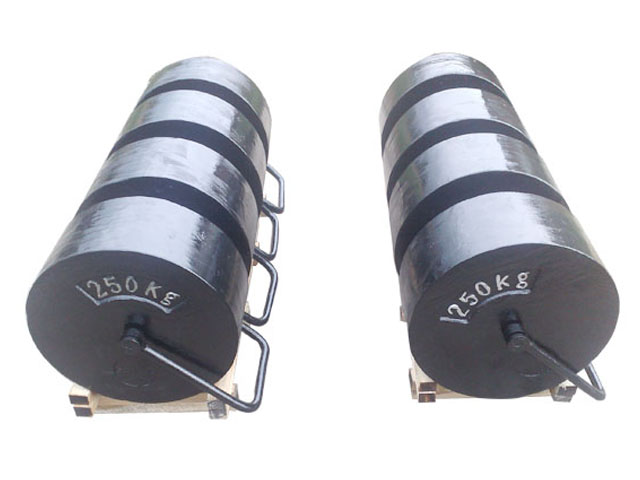
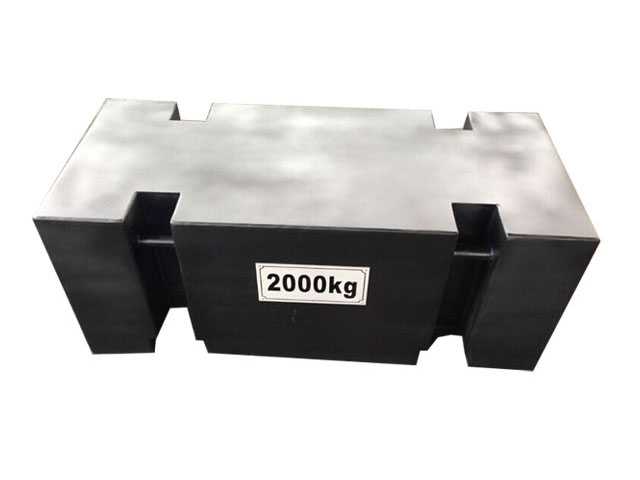
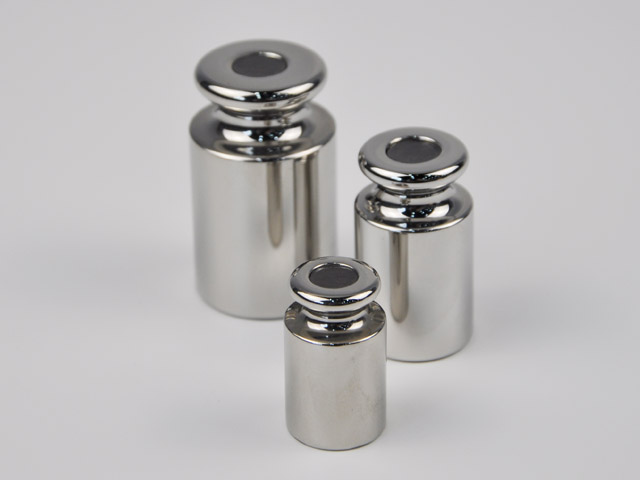
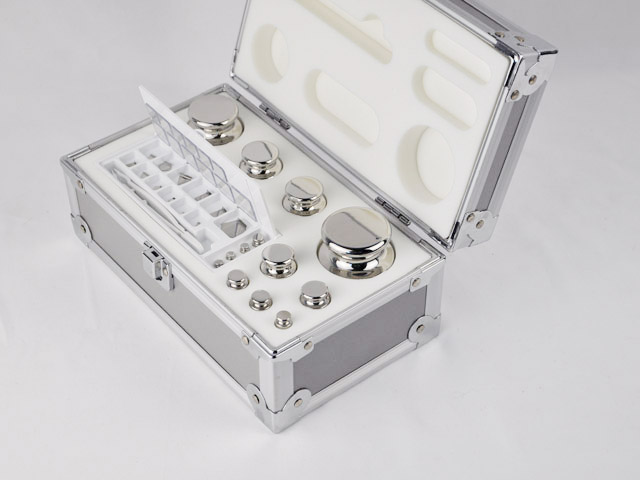
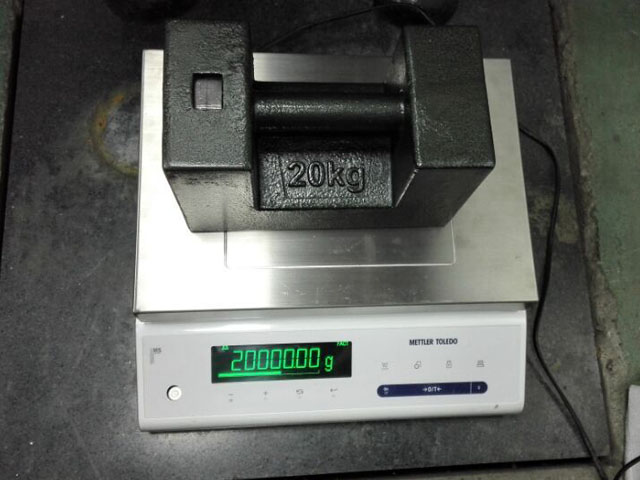


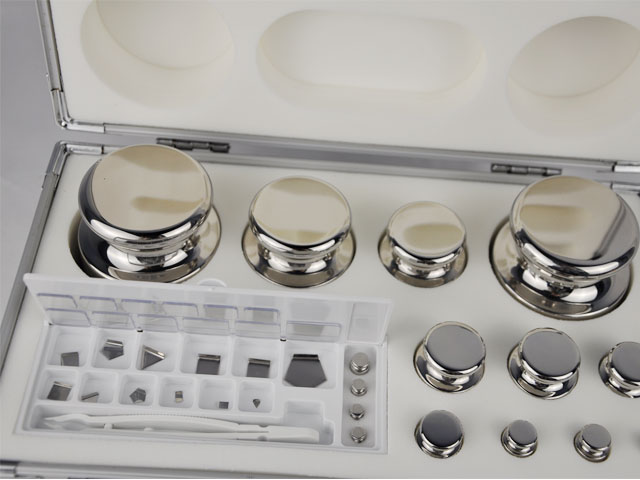
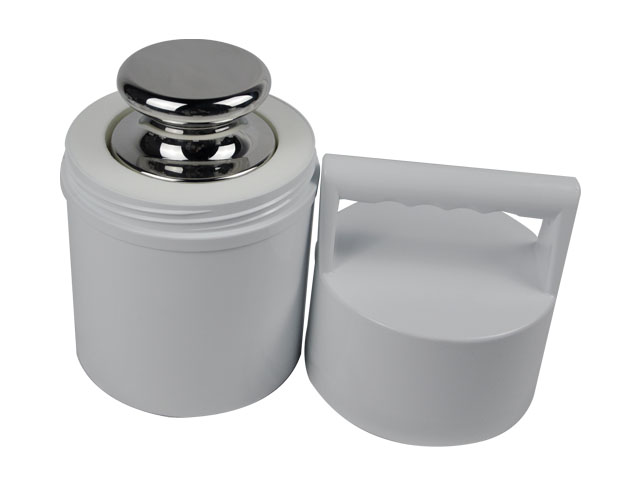
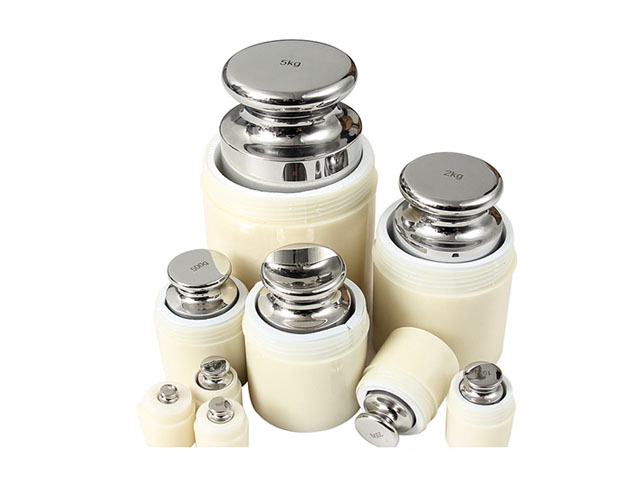
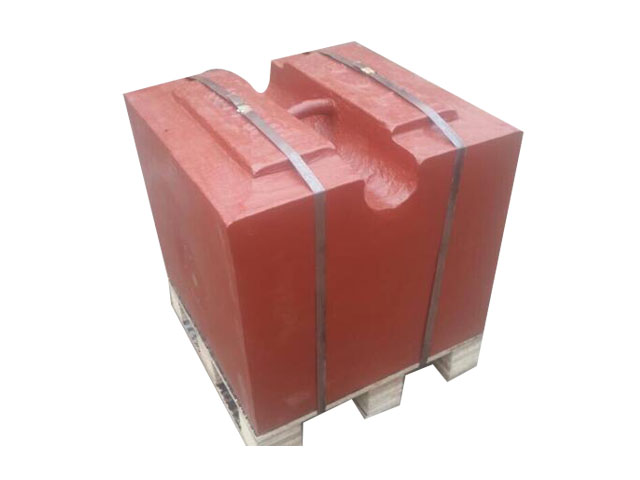
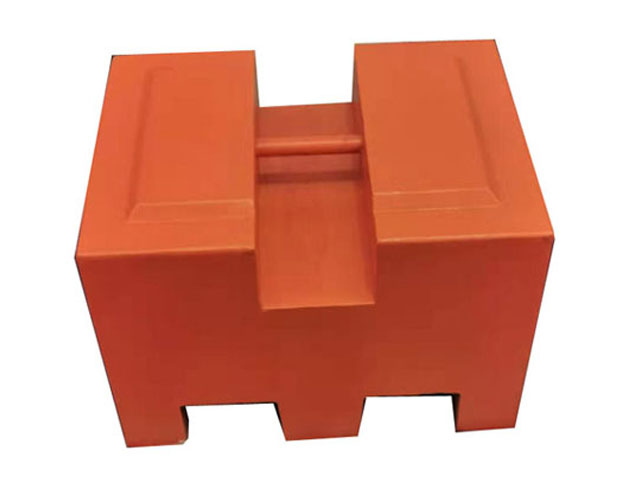
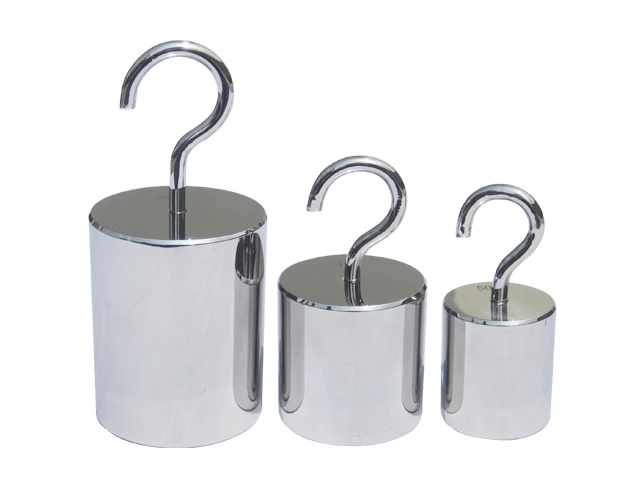
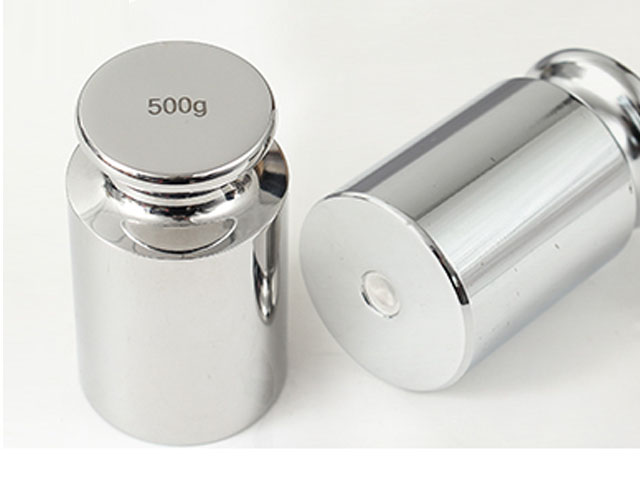
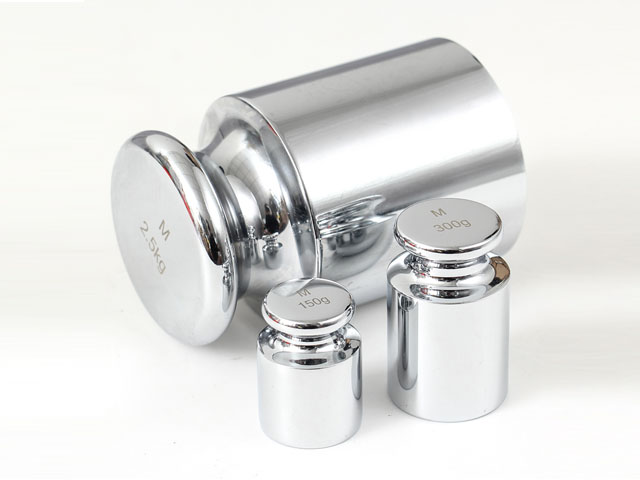
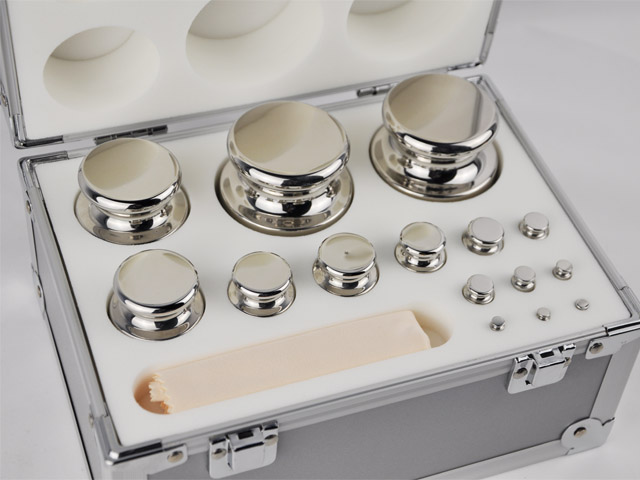
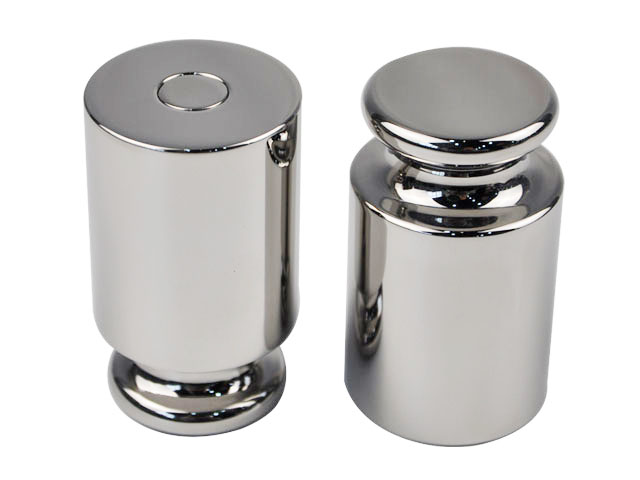


Changzhou Veidt Weighing Co., Ltd. sells various weights and related balances. The designed and manufactured goods include 0ML weights, ASTM weights, large-mass weights, right-protection weights, weight accessories, balances, etc.