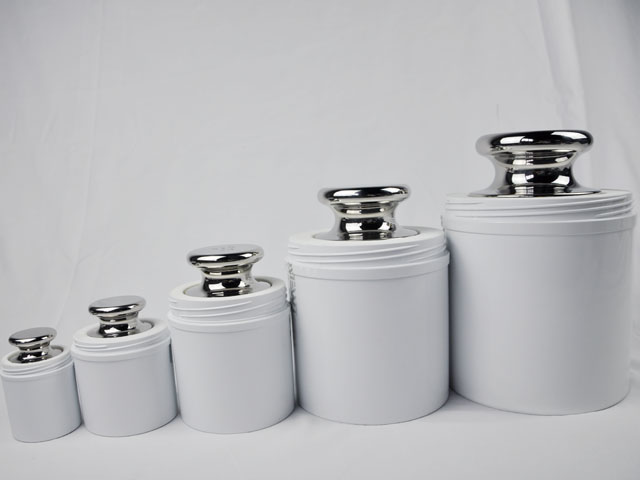
Maintenance of Calibration Weight
Calibration weights serve as foundational physical references for all forms of precision weighing operations, supporting consistent and reliable measurement outcomes across laboratory testing, industrial production quality control, pharmaceutical formulation processing, and material performance research. Every weighing task that demands dependable data relies on the stable physical condition and consistent mass state of calibration weights, as even minor changes to their surface structure, material composition, or overall integrity can lead to noticeable deviations in final weighing readings. These small deviations, when accumulated over repeated testing and production batches, can gradually affect product quality stability, experimental data repeatability, and the overall operational efficiency of daily measurement workflows. For this reason, regular and systematic maintenance of calibration weights is not merely a routine operational task but an essential basic requirement to sustain the accuracy and long-term service life of weighing systems, ensuring that all measurement activities remain stable, consistent, and trustworthy throughout every stage of application and storage. Understanding the core principles of proper maintenance and implementing standardized daily care practices allows calibration weights to maintain their intended mass performance over extended periods, avoiding unnecessary mass drift, surface damage, and premature functional degradation caused by irregular handling or neglected upkeep.
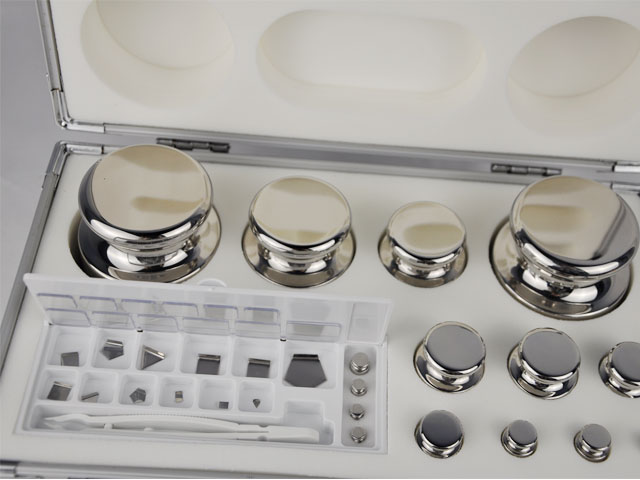
The most fundamental starting point for effective calibration weight maintenance lies in standardizing daily handling behaviors, as improper manual contact and rough operation are the primary causes of early surface wear and subtle mass alteration. Under no circumstances should calibration weights be touched directly with bare hands during any use, inspection, or relocation process, as human skin naturally secretes oils, sweat residues, and tiny particulate impurities that easily adhere to the smooth metal surface of the weights. These subtle attachments may appear insignificant at first glance, yet they gradually form thin layered deposits over time, triggering slow surface oxidation and minor corrosion on the weight exterior. Even faint fingerprints left on the surface can accumulate enough residual substances to gradually alter the effective mass of the weight, gradually leading to inconsistent weighing results during subsequent calibration and testing work. All routine handling work should be completed with the assistance of clean, lint-free protective gloves or professional non-abrasive handling tools such as soft-tipped tweezers and specialized weight lifters designed to avoid direct physical contact between hands and weight surfaces. Every movement during handling should be slow and steady, with careful attention to preventing collisions between weights and hard surfaces, sharp edges of workbenches, or other laboratory hardware equipment. Even small impacts that do not leave obvious visible marks can create tiny internal structural stresses or micro deformations on the weight body, which slowly change the original mass distribution and compromise long-term weighing stability. It is also important to avoid frequent repeated placement and movement of calibration weights during use, arranging all weighing work in advance to reduce unnecessary handling steps and minimize the risk of accidental damage caused by frequent transfer and placement.
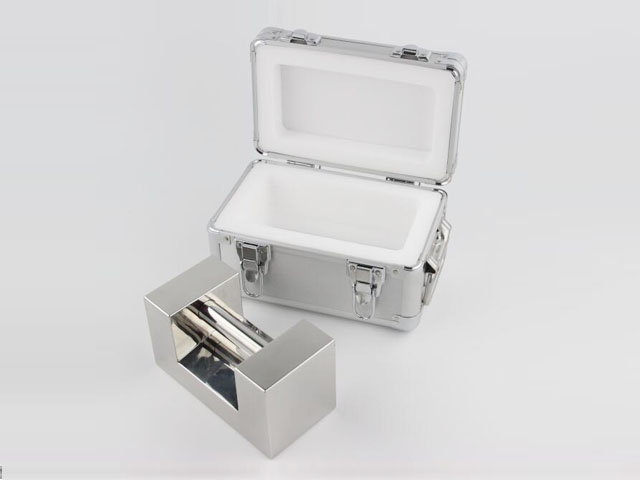
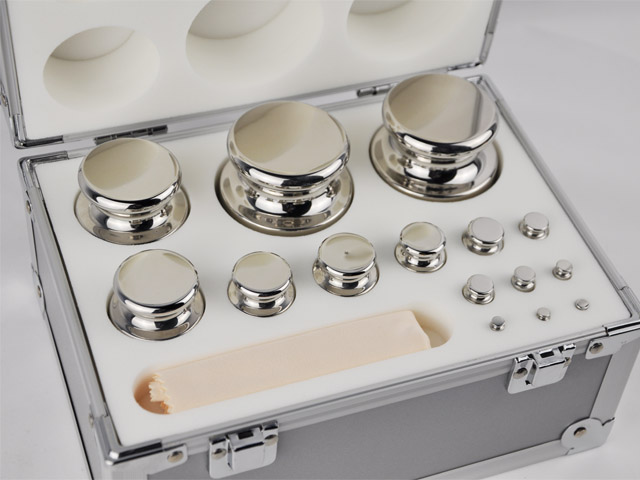
Scientific and standardized storage management constitutes another critical pillar of calibration weight maintenance, directly determining whether the weights can maintain stable physical and mass conditions during idle periods between use. Calibration weights should never be left exposed in open laboratory or production workshop environments for long durations, as open spaces expose the weights to floating dust, moisture fluctuations, corrosive gas molecules, and sudden temperature changes in the surrounding air. Long-term exposure to such uncontrolled environments leads to gradual surface dust accumulation, accelerated metal oxidation, and uneven thermal expansion and contraction of the weight material, all of which contribute to slow mass changes and surface degradation over time. All calibration weights should be placed individually in dedicated clean storage containers with soft internal cushioning materials after each use, with each weight placed in its corresponding fixed position to avoid mutual friction and collision between different weights during storage and movement of the container. The storage location for these containers should be chosen in a dry, ventilated area away from direct sunlight, strong heat sources, chemical reagent storage areas, and places with excessive air flow or frequent human activity. Direct sunlight and nearby heat sources cause continuous temperature fluctuations on the weight surface, leading to repeated thermal expansion and contraction that affects material stability and surface flatness, while humid environments accelerate metal corrosion and rust formation on the weight exterior. Areas with volatile chemical reagents may expose the weights to corrosive gas erosion, causing subtle surface chemical reactions that damage the original smooth finish and alter mass status over time. Maintaining a stable and balanced ambient temperature and humidity in the storage area helps the weights remain in a consistent physical state, avoiding performance fluctuations caused by drastic environmental changes and ensuring that the weights can quickly adapt to the working environment temperature when next used for weighing tasks.
Regular and gentle surface cleaning work is indispensable in daily calibration weight maintenance, effectively removing surface attachments and preventing long-term contamination from causing permanent material and mass damage. The cleaning process must always follow the principle of mild and non-destructive treatment, avoiding the use of any harsh chemical cleaning agents, corrosive solutions, rough abrasive cloths, or hard cleaning tools that may scratch or erode the weight surface. Harsh chemical agents can react with the weight metal material, causing surface discoloration, corrosion pits, and structural damage, while rough cleaning tools leave fine scratches on the smooth surface that easily collect more dust and impurities in subsequent use, forming a vicious cycle of contamination and damage. For routine daily cleaning, a soft, dry, lint-free microfiber cloth is sufficient to gently wipe the surface of calibration weights, removing floating dust and tiny particulate matter accumulated during previous use and storage. For slight oil stains or faint residual attachments that cannot be removed by dry wiping, a small amount of neutral mild cleaning liquid diluted with pure water can be applied to the soft cloth, with the cloth wrung thoroughly to ensure it is only slightly damp before gentle wiping. After wiping, the weight surface must be dried completely with another clean dry cloth to prevent any residual moisture from remaining on the surface and causing slow oxidation or water stain marks. It is essential to avoid excessive soaking of calibration weights in any liquid during cleaning, as prolonged contact with moisture penetrates tiny gaps on the weight surface and accelerates internal and external corrosion. The cleaning frequency should be adjusted reasonably according to the actual use frequency and working environment conditions; weights used frequently in dusty or complex working scenarios require more regular cleaning, while weights used occasionally in clean laboratory environments can follow a moderate cleaning cycle to avoid unnecessary repeated cleaning operations.
Reasonable use habits and real-time status checks during operation play a vital role in extending the service life and maintaining the long-term accuracy of calibration weights. In actual weighing and calibration work, it is necessary to adhere to the principle of matching each weight to its corresponding application scenario, avoiding random mixing of weights used in different working environments or for different precision measurement tasks. Weights used for high-precision laboratory calibration should never be used for rough field testing or heavy industrial weighing work, as different application scenarios have varying degrees of vibration, impact, and contamination risks that can damage precision weights designed for delicate use. Before each use, a simple visual inspection should be carried out on each calibration weight to check for obvious surface scratches, dents, corrosion spots, residual attachments, or abnormal changes in appearance. If any surface damage or contamination is found, the weight should be cleaned or properly addressed before use instead of being directly applied to formal measurement work, which could lead to inaccurate weighing data. During the weighing process, weights should be placed gently and steadily on the center of the weighing instrument’s bearing surface, avoiding sliding, tilting, or dropping during placement, as such actions cause direct impact and friction damage to both the weight and the weighing equipment. After each use, weights should be allowed to return to the ambient temperature of the storage environment before being placed back into storage containers, avoiding immediate sealing of weights that are still warm from use, which would cause moisture condensation inside the storage container and lead to dampness and corrosion of the weight surface.
Long-term periodic performance verification and targeted maintenance adjustment work are key links to ensuring that calibration weights maintain stable mass accuracy throughout long-term repeated use. Even with the most careful daily handling, storage, and cleaning, calibration weights will still experience subtle natural wear and slow material aging after long-term use, leading to slight mass drift that cannot be identified by visual inspection alone. For this reason, arranging regular performance checks and professional verification according to the actual use frequency and working intensity is essential for effective long-term maintenance. Weights used daily in high-frequency industrial production and batch testing scenarios require more frequent periodic checks, while weights used occasionally in low-demand laboratory research can follow a relatively extended verification cycle. During periodic verification, the actual mass state of each calibration weight is compared against standard measurement references to confirm whether its performance remains within the required range for normal use. If slight mass deviation is detected during verification, corresponding targeted adjustment and maintenance measures should be taken in a timely manner to restore the weight to its normal working state; if serious mass drift or irreversible surface structural damage is found, the weight should be isolated from use in a timely manner to avoid continued impact on measurement work. It is also important to establish simple and clear maintenance records for all calibration weights, recording each cleaning time, use situation, inspection result, and verification status. These records help track the long-term performance changes of each weight, facilitate the reasonable adjustment of subsequent maintenance cycles and use plans, and allow maintenance personnel to quickly grasp the overall health status of all calibration weight equipment.
Timely handling of unexpected damage and special contamination situations is also an important part of comprehensive calibration weight maintenance, helping prevent minor problems from evolving into permanent irreversible damage that affects normal use. In daily work, accidental drops, collisions, or contact with special pollutants may occasionally occur, and timely and correct disposal at the first time can effectively reduce damage extent. If a calibration weight is accidentally dropped or collided, it should be immediately suspended from use and carefully inspected for surface deformation, cracks, dents, or internal structural abnormalities. Even if no obvious external damage is visible, professional verification should be arranged before the weight is put back into use to confirm that its mass has not been affected by the impact. If weights are accidentally contaminated by special substances such as chemical liquids, sticky residues, or corrosive materials, blind cleaning with random tools should be avoided; instead, targeted mild cleaning methods suitable for the pollutant type should be adopted to remove contaminants without damaging the weight surface. After cleaning, thorough drying and secondary inspection must be carried out to ensure no residual pollutants remain and the weight surface is intact. Any weight that suffers serious deformation, obvious corrosion, or irreversible mass change should be permanently retired from calibration work to prevent unreliable measurement data caused by continued use of damaged weights.
In summary, the maintenance of calibration weights is a comprehensive and continuous systematic work that runs through the entire process of use, storage, cleaning, and periodic inspection, requiring standardized operation in every detail and persistent long-term adherence. Good maintenance work does not rely on complex processing steps or tedious operations, but on forming standardized daily use habits, implementing scientific storage and cleaning methods, conducting regular performance checks and timely disposal of abnormal situations. Every small maintenance detail is closely related to the weighing accuracy, working stability, and service life of calibration weights. By attaching sufficient importance to daily maintenance work and strictly implementing various maintenance specifications, calibration weights can always maintain stable and reliable working performance, provide accurate and consistent measurement support for all kinds of precision weighing and calibration work, avoid measurement errors and work losses caused by neglected maintenance, and ensure the smooth and efficient progress of all measurement related work in various application fields for a long time.
Maintenance of Calibration Weight
https://www.veidtweighing.com/calibration-weights.html
Post Date: May 3, 2026
https://www.supplier-manufacturer.com/calibration-weight/maintenance-of-calibration-weight.html

![Astm Class 1 Calibration Weight]()
Astm Class 1 Calibration Weight
In the intricate and interconnected world of modern precision metrology, the consistency and dependability of mass measurement form the foundational backbone of countless …![10kg Calibration Weight]()
10kg Calibration Weight
In the entire system of mass measurement and weighing verification, the 10kg calibration weight stands as a fundamental and indispensable physical reference medium that br…![Small Gram Size Laboratory Standard Test Weight]()
Small Gram Size Laboratory Standard Test Weight
Small gram size laboratory standard test weights are essential precision tools designed to deliver accurate mass reference values for microscopic and fine-scale weighing o…![Laboratory Traceable Calibration Weight For Analytical Lab]()
Laboratory Traceable Calibration Weight For Analytical Lab
In modern analytical laboratories, the accuracy and reliability of quantitative experimental data serve as the fundamental foundation for all scientific research, material…![Standard Weight For Precision Scales]()
Standard Weight For Precision Scales
In the realm of precision measurement, standard weights stand as the foundational benchmark that upholds the accuracy, reliability, and traceability of all precision scale…