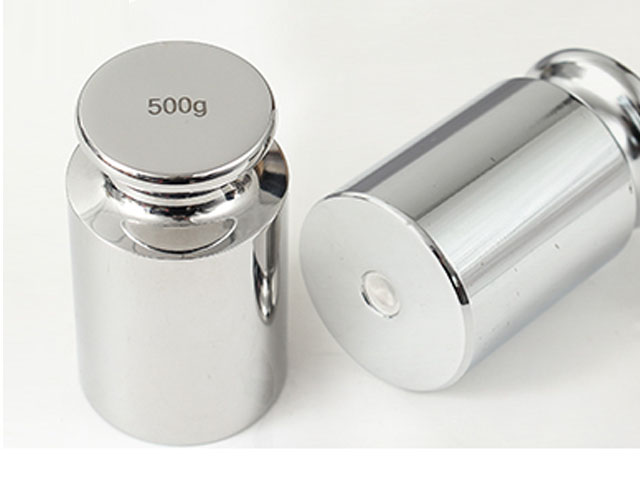
Heavy Duty Cast Iron Weight
Heavy duty cast iron weight stands as one of the most fundamental and reliable weighted components widely adopted across industrial operation, mechanical engineering, daily fitness training, and metrology calibration fields, gaining long-term recognition for its solid physical properties, stable structural performance, and adaptable practical attributes. Unlike lightweight weighted accessories made from composite materials or thin metal alloys, this kind of cast iron weight is forged through mature high-temperature casting and precise post-processing procedures, with a dense internal molecular structure and uniform weight distribution that lay a solid foundation for its consistent performance in various complex and high-intensity use environments. The essence of its practical value lies in the perfect integration of raw material advantages, scientific structural design, and rigorous production craftsmanship, enabling it to meet diversified weight bearing, balance adjustment, and standard calibration demands without frequent replacement or frequent maintenance, becoming an indispensable basic component in both industrial production and daily life scenarios.
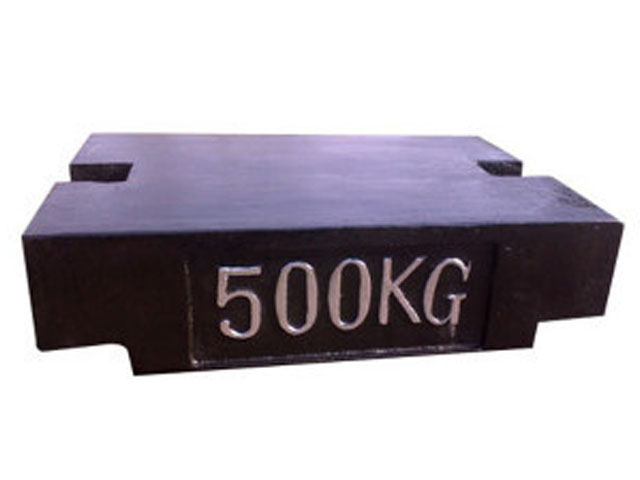
The core raw material for manufacturing heavy duty cast iron weight is high-quality gray cast iron with stable internal composition and appropriate carbon content, a material that has been verified by long-term industrial practice to have excellent inherent advantages suitable for making heavy weighted parts. This type of cast iron features high density and strong compression resistance, with a solid internal structure free of hollow pores or loose texture that often appear in inferior weighted products, ensuring that every finished cast iron weight can maintain stable weight data and structural integrity even after long-term heavy pressure, frequent handling, and outdoor environmental exposure. In the casting process, molten cast iron is poured into finely polished integrated molds, adopting an integral one-piece forming process that avoids structural weak points such as splicing seams and welding joints existing in assembled weighted products. After the initial casting forming, each weight will go through multiple stages of natural cooling and stress relief treatment, effectively eliminating internal stress generated during high-temperature casting and preventing structural deformation, cracking, or weight deviation caused by temperature changes and long-term external force extrusion in subsequent use. The surface of the cast iron weight is further processed through fine milling and smoothing treatment on both the back and edge parts, removing sharp burrs and uneven burrs generated during casting, not only making the overall appearance neat and regular but also realizing a precise fit effect when stacked or installed on matching equipment, greatly improving the convenience and safety of daily handling and fixed placement.
The structural design of heavy duty cast iron weight fully focuses on practicality, stability, and storage convenience, abandoning overly complicated decorative structures and focusing all design logic on meeting actual use needs in different scenarios. Most conventional heavy duty cast iron weights adopt a reasonable geometric shaping design, with mainstream shapes including regular polygonal and circular structures, each with targeted practical functions adapting to different use environments. Polygonal cast iron weights have a natural anti-rolling effect, which can keep a stable static state when placed on flat ground or equipment surfaces, will not slide or shift randomly due to slight external vibration or position shaking, and are very suitable for fixed placement in industrial workshops, fitness venues, and laboratory calibration spaces. This structural feature also makes these weights easy to stack in an orderly manner during storage and idle placement, saving storage space and facilitating unified management and quick access by operators. Circular cast iron weights, on the other hand, are mostly used for matching installation on barbell rods, mechanical rotating parts, and equipment connecting shafts, with smooth and rounded outer edges and uniform thickness design, ensuring balanced stress during use, no eccentric wear on matching parts, and smooth and stable operation of the overall equipment or fitness equipment. All structural details are designed based on actual use habits and safety requirements, with reserved gripping positions or stress-bearing areas arranged reasonably, making it convenient for workers and users to carry, move, install, and disassemble without additional auxiliary tools, and effectively reducing the risk of accidental slipping and collision during operation.
In the field of industrial production and mechanical operation, heavy duty cast iron weight plays a vital role in equipment balance adjustment and stable operation maintenance, becoming a key guarantee for the normal and efficient operation of various large mechanical equipment and engineering machinery. Various mobile engineering machinery such as excavators and mobile cranes need to be equipped with a certain number of heavy duty cast iron weights as counterweight components, which can balance the weight distribution of the fuselage when the equipment carries out lifting, excavation, and heavy-load handling operations, prevent the equipment from tilting, tipping, or unstable center of gravity due to excessive front-end load, and ensure the safety and stability of mechanical operation during construction work. Elevator and lifting system equipment also relies heavily on cast iron weights for balance matching, forming a reasonable weight coordination relationship with the elevator car and lifting cargo through the self-weight of cast iron weights, reducing the power load of the driving motor during the operation of the lifting equipment, not only making the lifting process more stable and smooth but also reducing long-term energy consumption and mechanical wear, extending the overall service life of the lifting system. In port logistics, warehousing and freight weighing scenarios, heavy duty cast iron weights are used for regular debugging and verification of various floor scales, electronic weighing instruments, and cargo weighing equipment, ensuring that the weighing data of the equipment is always within a reasonable error range, avoiding cargo weighing deviation affecting freight settlement and logistics transportation scheduling, and maintaining the orderly development of trade and logistics work. In addition, in the machinery manufacturing and mining equipment industry, cast iron weights are used for mechanical debugging and equipment operation balance correction, ensuring that each mechanical component maintains a stable running state and reducing mechanical failure rates caused by unbalanced weight distribution.
The fitness and strength training industry is another important application scenario for heavy duty cast iron weight, favored by home fitness enthusiasts and commercial gym operators for its stable weight performance and strong durability. Different from some light-duty fitness weighted accessories that are only suitable for simple beginner training, heavy duty cast iron weights can meet the high-intensity strength training needs of fitness people at all stages, from basic muscle strength foundation training to advanced professional strength limit training. The compact structural characteristics of cast iron itself make the weight of the cast iron weight more concentrated, with a smaller volume under the same weight compared with other material fitness weights, which will not occupy excessive limited space in home gyms and commercial fitness venues, facilitating the reasonable layout of fitness equipment and diversified training movements. The surface of the fitness-specific heavy duty cast iron weight is treated with a wear-resistant and anti-rust protective layer, which can resist daily friction, occasional collision, and indoor and outdoor environmental humidity erosion, avoiding surface rust, peeling, and weight change caused by long-term use, and maintaining a stable use state for a long time. Whether it is barbell squat, bench press, deadlift and other core strength training movements, or targeted muscle training with single weight stacking, heavy duty cast iron weights can provide stable and accurate weight bearing, helping fitness practitioners carry out progressive training according to their own physical conditions, steadily improve muscle strength and physical fitness, and ensure the safety and standardization of each training process.
In the fields of metrology calibration, laboratory research, and educational teaching, heavy duty cast iron weight undertakes the important function of standard weight reference and experimental teaching demonstration, with outstanding accuracy and stability that meet the basic requirements of professional metrology work. Various industrial measuring stations, testing laboratories, and scientific research institutions need to use standard heavy duty cast iron weights to regularly calibrate various precision weighing instruments and measuring equipment, ensuring that the detection data and experimental results obtained by the equipment are accurate and reliable, and providing effective data support for scientific research experiments, product quality testing, and industrial parameter debugging. The weight tolerance of qualified heavy duty cast iron weights is controlled within a reasonable small range, with little deviation between the actual weight and the marked weight, which can meet the strict weight reference requirements of professional metrology work and avoid experimental data errors and calibration failures caused by excessive weight deviation. In school physics teaching and basic metrology education work, cast iron weights of different specifications and weights are used as intuitive teaching aids, helping students understand the basic concepts of weight, gravity, balance and mechanical principles, letting students master the use methods of weighing equipment and the basic knowledge of weight calibration through practical operation, laying a solid practical foundation for subsequent professional learning and vocational skill training. Even in outdoor meteorological monitoring, geological survey equipment debugging and other professional fields, heavy duty cast iron weights also play a role in equipment fixation and parameter balance adjustment, adapting to various harsh outdoor working environments and maintaining long-term stable working performance.
One of the most prominent long-term use advantages of heavy duty cast iron weight is its excellent durability and cost performance, with strong adaptability to different use environments and long service life that other lightweight and composite material weights cannot match. Cast iron material itself has good compression resistance, impact resistance, and weather resistance, and will not be easily damaged, deformed, or aged even under the conditions of long-term high-frequency use, occasional heavy impact, outdoor wind and rain exposure, and temperature alternation. Inferior weighted products made of plastic coating, thin metal or composite materials are prone to surface damage, internal hollowing, weight loss and other problems after a period of use, requiring frequent replacement and increasing long-term use costs, while heavy duty cast iron weights can maintain complete structural integrity and stable weight performance after years of use, with no need for frequent replacement and complex daily maintenance. Daily maintenance work is extremely simple, only needing regular surface cleaning to remove dust and stains, and occasional anti-rust maintenance for long-term outdoor placed weights to keep the surface intact. This low maintenance and long-life characteristics make heavy duty cast iron weights have high overall cost performance in long-term use, whether for industrial long-term continuous use, commercial gym high-frequency repeated use, or home daily intermittent use, they can create stable practical value for users for a long time.
In terms of daily use and placement management, heavy duty cast iron weight has strong flexibility and adaptability, and can be flexibly matched and used according to different actual use needs and site conditions. The product covers a complete range of weight specifications, with small-specification weights suitable for laboratory fine calibration and home basic fitness training, and large-specification heavy weights adapted to industrial mechanical counterweight and large-scale equipment debugging work. Users can freely combine and stack weights of different specifications according to actual weight demand, realizing flexible adjustment of total weight without being limited by fixed single weight. The reasonable structural design makes the weights stack closely and stably without slipping and collapsing during stacking and storage, which is convenient for centralized storage and space saving. Whether it is indoor fixed placement, outdoor mobile use, equipment fixed installation or temporary debugging and use, heavy duty cast iron weights can quickly adapt to the site environment and use mode, and will not be restricted by site conditions and use scenarios. At the same time, the smooth surface and rounded edge design effectively reduces the wear and tear on matching equipment and the risk of accidental injury to operators during use, balancing practical performance and use safety in all aspects.
With the continuous development of industrial upgrading, fitness industry expansion and metrology work standardization, the market demand for heavy duty cast iron weight with stable quality and reliable performance has been maintaining a steady growth trend, and its application scope is constantly expanding and extending to more professional fields. From traditional industrial mechanical counterweight and weighing calibration to modern home fitness health management, from professional scientific research laboratory testing to basic educational teaching demonstration, heavy duty cast iron weight always relies on its solid material foundation scientific design concept and mature production technology to provide reliable basic weight support for various industries and daily life. Its core value is not only reflected in the basic weight providing function, but also in the long-term stability safety and economy brought by its excellent durability and low maintenance cost. In the future, with the continuous optimization of casting technology and structural design, heavy duty cast iron weight will continue to maintain its irreplaceable core position in various fields, continuously adapt to the changing use needs of different scenarios, and provide stable and reliable basic guarantee for industrial production, fitness life and scientific research teaching with excellent comprehensive performance.
Heavy Duty Cast Iron Weight
https://www.veidtweighing.com/cast-iron-weights.html
Post Date: May 4, 2026
https://www.supplier-manufacturer.com/cast-iron-weight/heavy-duty-cast-iron-weight.html

![Scale Calibration Weight Set]()
Scale Calibration Weight Set
In every sector that relies on numerical weighing data to guide operations, make decisions, or maintain consistent output, the stability and accuracy of weighing equipment…![Class 1 Calibration Weight]()
Class 1 Calibration Weight
In the entire system of modern measurement and metrology work, mass measurement stands as one of the most fundamental and indispensable basic measurement links, running th…![Calibration Weight Set]()
Calibration Weight Set
In every sector that relies on consistent and dependable mass measurement, the role of a calibration weight set remains irreplaceable, serving as the silent foundational t…![200g Calibration Weight]()
200g Calibration Weight
In every field that relies on consistent and dependable mass measurement, the role of standard reference masses remains irreplaceable, and the 200g calibration weight stan…![Light Weight Stainless Steel Small Calibration Weight]()
Light Weight Stainless Steel Small Calibration Weight
Light weight stainless steel small calibration weights are essential precision measuring accessories widely adopted in precision measurement, laboratory testing, and daily…