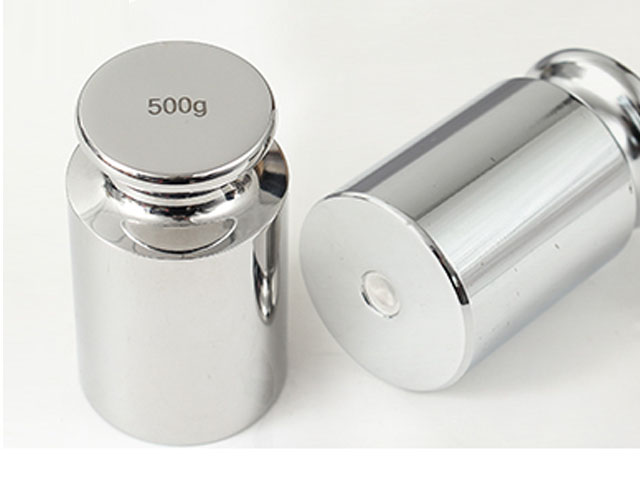
Cast Iron Weight For Weighing
Cast iron weight for weighing stands as one of the most fundamental and time-tested measuring essentials across all kinds of weighing and metering work, serving as a steady physical reference to confirm accurate mass readings for countless weighing devices and operational processes. For decades, this kind of weight has maintained a core position in industrial production, commercial trade, experimental research, engineering testing and daily operational calibration, relying on its inherent material advantages, stable structural performance and strong adaptability to diverse working environments. Unlike fragile measuring accessories or lightweight metal counterparts that are prone to deformation and performance fluctuation, cast iron weighing weights are crafted to deliver consistent mass performance over long-term use, meeting the basic and practical demands of all routine and professional weighing verification work without relying on complex auxiliary equipment or frequent performance adjustments. Every detail from raw material selection and casting processing to surface treatment and structural design is tailored to ensure reliable weighing reference effects, making it an indispensable basic tool for any scenario that requires accurate mass comparison and scale calibration.
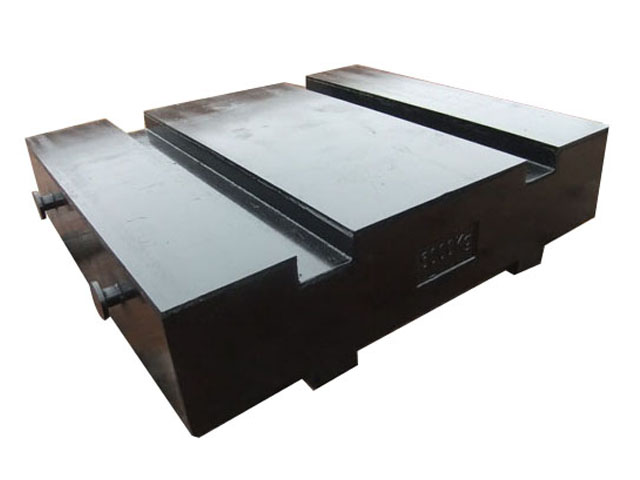
The core performance foundation of cast iron weight for weighing lies in the unique physical and chemical properties of high-quality gray cast iron, the primary raw material used for production. This specific cast iron material contains a reasonable carbon content range, with carbon existing mainly in the form of flake graphite inside the metal structure, which endows the finished weights with ideal density, excellent compressive resistance and outstanding structural stability. The natural characteristics of this cast iron material bring remarkable shock absorption and wear resistance, allowing the weights to stay intact in shape and stable in mass even under frequent handling, accidental minor collisions and long-term stack placement. Its melting point is suitable for traditional sand casting processes, enabling the production of weights with uniform internal structure and no obvious internal pores or structural defects, which is essential for maintaining consistent mass per unit volume and avoiding subtle mass deviations that may affect weighing accuracy. Compared with other common metal materials used for making weighing accessories, cast iron does not easily undergo thermal expansion and contraction with small changes in ambient temperature, and its internal molecular structure remains stable under normal atmospheric conditions, preventing gradual mass changes caused by structural fatigue or material aging during long-term continuous use.
The production process of cast iron weight for weighing follows mature and rigorous casting and finishing steps, focusing on both structural integrity and mass uniformity to meet the practical needs of actual weighing work. The whole production starts with the precise proportioning of cast iron raw materials, ensuring the alloy composition remains stable to guarantee consistent density across every batch of finished weights. After raw material melting and high-temperature purification, the molten cast iron is poured into standardized sand molds with pre-designed shapes and specifications, allowing the liquid metal to fill the mold cavity evenly and form the basic outline of the weight. After natural cooling and solidification, the initial cast iron blank undergoes strict deburring and surface polishing work to remove rough edges, protruding parts and casting residues, preventing uneven placement during weighing and avoiding accidental scratches during handling. A key part of the production process is the fine mass adjustment link, where each weight is refined to reach the required nominal mass through reasonable material trimming and internal cavity filling. Most cast iron weighing weights are designed with reserved adjustment cavities inside, which can be filled with appropriate auxiliary weighting materials to fine-tune the overall mass, ensuring each finished product meets the required mass standard for regular weighing and calibration work.
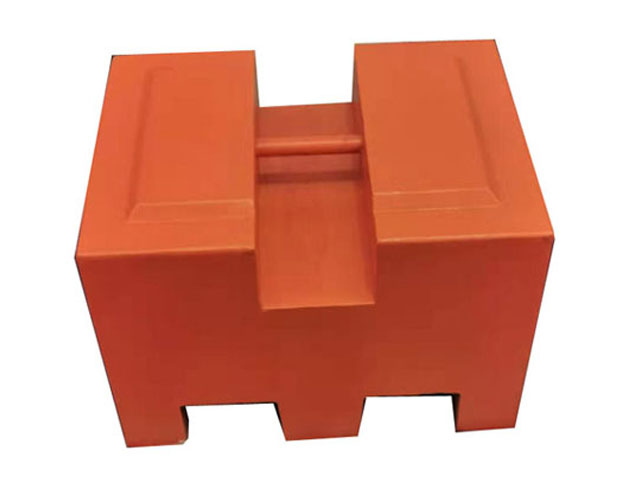
Surface treatment is a vital processing step for cast iron weight for weighing, directly determining its service life and long-term mass stability in different working environments. Raw cast iron material is naturally prone to oxidation and rust when exposed to air, moisture or dusty industrial environments, and surface corrosion would not only damage the appearance of the weight but also lead to subtle mass changes and surface unevenness, affecting the accuracy of subsequent weighing work. To solve this problem, all finished cast iron weighing weights undergo professional anti-rust and anti-corrosion surface treatment, usually through uniform spray painting or protective plating to form a dense protective layer on the outer surface. This protective layer tightly wraps the cast iron body, isolating the internal metal from external air, moisture, dust and corrosive substances, effectively slowing down the oxidation and corrosion process. The surface treatment also ensures the outer surface of each weight remains smooth and flat, facilitating stable placement on various weighing scales and platforms, and preventing slipping or tilting during the weighing process. The protective coating is designed to be wear-resistant and not easy to peel off under normal handling and use, maintaining good protective effects even in humid workshops, outdoor temporary weighing sites and other harsh working conditions.
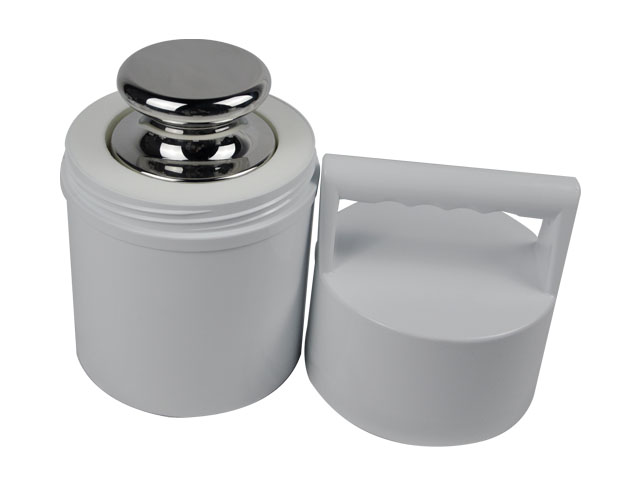
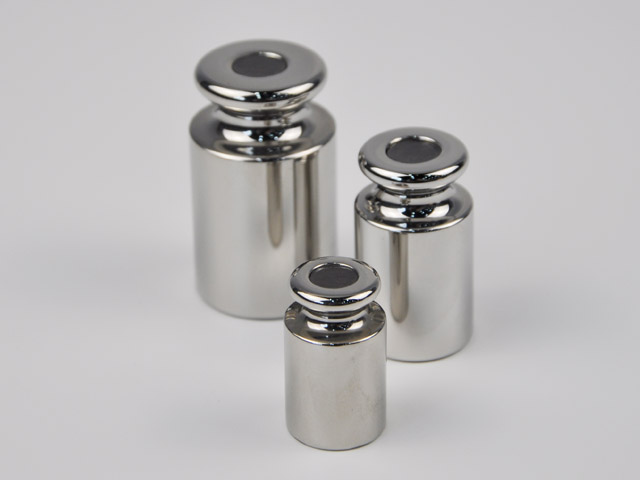
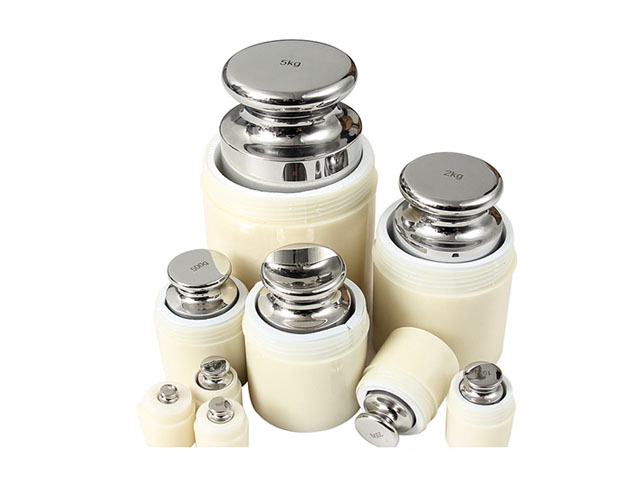
Cast iron weight for weighing comes with a variety of practical structural designs and shapes, adapting to different weighing methods, storage habits and handling requirements in various application scenarios. Common shapes include cylindrical, square, rectangular and hexagonal structures, each with unique practical advantages for specific use cases. Hexagonal cast iron weighing weights are widely popular for daily calibration and commercial weighing work, as their six-sided structure prevents rolling during placement and stacking, ensuring stable storage and safe handling without accidental sliding. Cylindrical and square weights are often used for industrial equipment testing and heavy-load weighing verification, with compact and solid structures that can bear stack pressure without deformation. Many cast iron weighing weights are integrated with built-in handles or reserved grip structures, making it convenient for workers to carry, move and place the weights during daily use, avoiding slipping during handling and improving overall operational efficiency. Some slotted cast iron weights are designed with special structural openings, suitable for suspended weighing and ratio weighing work, meeting the diverse operational needs of different professional weighing equipment. All structural designs focus on practicality and simplicity, without unnecessary complex decorations, ensuring the core function of stable mass reference is always the primary focus.
The application scope of cast iron weight for weighing covers almost all fields that require accurate mass measurement and weighing equipment calibration, showing strong universality and practical value in different industries and scenarios. In industrial production workshops, these weights are regularly used to calibrate various industrial weighing scales, platform scales and hopper weighing equipment, ensuring the accuracy of raw material batching, finished product counting and cargo weight detection in the production process, and maintaining the standardization of industrial production processes. In commercial trading markets and logistics transportation links, cast iron weighing weights are used to verify the accuracy of commercial weighing tools, ensuring fair trading of goods and accurate weight recording of logistics cargoes, avoiding measurement deviations in bulk commodity transactions and goods delivery. In educational institutions and experimental research laboratories, the weights are used for physics teaching experiments and basic metrology research, helping learners understand the basic principles of mass balance and weighing measurement, and providing stable mass references for basic experimental data recording.
In engineering construction and equipment maintenance fields, cast iron weight for weighing also plays an irreplaceable important role, undertaking load testing, equipment stabilization and weighing verification work for various engineering facilities and mechanical equipment. Many construction machinery and engineering testing equipment need to undergo regular load bearing and weighing performance tests before formal use, and cast iron weighing weights provide stable and reliable standard load mass for these tests, helping construction and maintenance personnel detect whether the equipment meets normal operating standards. At the same time, some mechanical equipment and temporary construction platforms need stable counterweight assistance during operation, and cast iron weighing weights can be used as stable counterweight blocks due to their high density and solid structure, ensuring the stable operation of mechanical equipment and construction facilities. In agricultural production and rural trading scenarios, simple weighing tools matched with cast iron weighing weights are still widely used for weighing grain, agricultural and sideline products and breeding materials, adapting to the simple and convenient weighing needs of grassroots production and trading links.
One of the most prominent advantages of cast iron weight for weighing is its excellent durability and low maintenance cost, making it a cost-effective and long-service-life basic measuring tool for all kinds of users. Different from precision measuring accessories that require strict storage conditions and regular professional maintenance, cast iron weighing weights can work normally in various conventional and slightly harsh working environments, resisting wear, collision and extrusion during daily use. Even after long-term frequent handling, stacking and repeated use, the internal structure and mass of the weights will not change significantly, and the basic weighing performance can remain stable for a long time. Daily maintenance work is extremely simple, only requiring regular surface cleaning to remove dust and dirt, and checking the integrity of the surface protective coating to avoid long-term immersion in water or long-term exposure to strong corrosive environments. There is no need for frequent professional calibration or complex maintenance operations, reducing the time and economic cost of later use for enterprises, merchants and users of all types. This durable and low-maintenance feature makes cast iron weighing weights suitable for long-term repeated use in busy industrial workshops, open-air trading markets and construction sites with harsh conditions.
Reasonable storage and standardized use habits are important prerequisites to maintain the long-term accuracy and service life of cast iron weight for weighing, and simple daily management can effectively extend the service cycle of the weights and maintain stable weighing performance. When not in use for a long time, cast iron weighing weights should be stored in a dry and ventilated storage area, avoiding long-term placement in humid, dark and dusty environments to prevent unnecessary corrosion and damage to the surface protective layer. When stacking multiple weights, it is necessary to place them steadily according to their structural characteristics, avoiding excessive stacking height or chaotic extrusion, so as to prevent surface coating wear and structural deformation caused by mutual collision and extrusion. In the process of use, it is necessary to avoid violent throwing and excessive impact, although the cast iron material is strong and wear-resistant, excessive external impact may cause local structural damage and affect the overall mass balance. Before each use, simply wipe the surface of the weight to keep it clean and flat, ensuring good contact between the weight and the weighing scale or platform, so as to guarantee the accuracy of each weighing and calibration work.
With the continuous development of modern metering technology and industrial production upgrading, the basic status of cast iron weight for weighing in the field of weighing and metering has never been shaken, and it still maintains strong practical value and market demand despite the emergence of various new types of weighing measuring tools. Although modern electronic weighing equipment has the advantages of fast reading and intelligent operation, all electronic and intelligent weighing equipment still needs regular calibration with stable and reliable physical standard weights, and cast iron weighing weights are the most reliable basic calibration reference for this work. Its stable material performance, mature production technology, simple use method and low comprehensive use cost make it impossible for other high-precision but high-cost and high-maintenance measuring accessories to replace in basic weighing calibration and conventional weighing work. Whether it is large-scale industrial production enterprises, small and medium-sized commercial merchants, grassroots educational institutions or engineering construction teams, cast iron weighing weights can always meet their basic weighing and calibration needs with reliable performance and simple operation.
In the long-term use and practical application process, cast iron weight for weighing has always adhered to the core design concept of practicality, stability and reliability, focusing on meeting the most essential mass reference and weighing calibration needs, without pursuing overly complex functions and redundant design. Every production link and structural design takes actual use scenarios and user practical needs as the starting point, ensuring that each cast iron weighing weight can deliver stable and accurate mass performance in different environments and different use frequencies. It is not only a simple weighing auxiliary tool, but also an important basic guarantee to maintain the accuracy of social metering work, standardize commercial trading behavior, and ensure the stable operation of industrial production and engineering construction. With reliable material quality, exquisite production technology, diverse structural forms and wide application scenarios, cast iron weight for weighing will continue to play an important role in all fields related to weighing measurement, providing solid and stable basic support for various production, trading, experimental and engineering work for a long time in the future.
Cast Iron Weight For Weighing
https://www.veidtweighing.com/cast-iron-weights.html
Post Date: May 4, 2026
https://www.supplier-manufacturer.com/cast-iron-weight/cast-iron-weight-for-weighing.html

![Stainless Steel Calibration Weight For School Laboratory Teaching]()
Stainless Steel Calibration Weight For School Laboratory Teaching
Stainless steel calibration weights are fundamental teaching tools tailored for school laboratory science courses, covering physics, chemistry, and general science experim…![Standard Weight For Counting Scales]()
Standard Weight For Counting Scales
In modern industrial production, inventory management, and precision manufacturing, counting scales have become indispensable tools for quantifying bulk small parts, compo…![Standard Weight For Laboratory Balances]()
Standard Weight For Laboratory Balances
In modern laboratory scientific research, industrial detection, and analytical testing, the accuracy and reliability of weighing data serve as the fundamental guarantee fo…![Forklift Scale Calibration Standard Weight]()
Forklift Scale Calibration Standard Weight
Forklift scale calibration with standard weights serves as a core operational practice in industrial logistics, manufacturing, and warehouse management, ensuring that onbo…![500g Calibration Weight For Balance Scale]()
500g Calibration Weight For Balance Scale
In every industry and research field that relies on accurate mass measurement, maintaining the reliability of balance scales is a fundamental prerequisite for consistent a…