Working Principle of Counting Scale
A counting scale is a common weighing and counting device widely applied in industrial production, warehouse inventory management, electronic component sorting, and daily commodity inspection. Different from ordinary weighing scales that only provide single weight data, this type of equipment can efficiently calculate the quantity of batch items with consistent individual mass through internal circuit operation and algorithm calculation. Its core design logic lies in converting weight information into quantity information, realizing the integration of weighing measurement and data computing. The stable operation and accurate counting performance of the counting scale rely on the coordinated work of mechanical structures, sensing components, signal conversion modules, and data processing units. Every functional link follows physical principles and electronic transmission rules, ensuring reliable measurement results under conventional usage environments. To fully understand the operational logic of counting scales, it is necessary to analyze the whole process from mechanical stress bearing to final data display, as well as the internal operating mechanism of each core component.
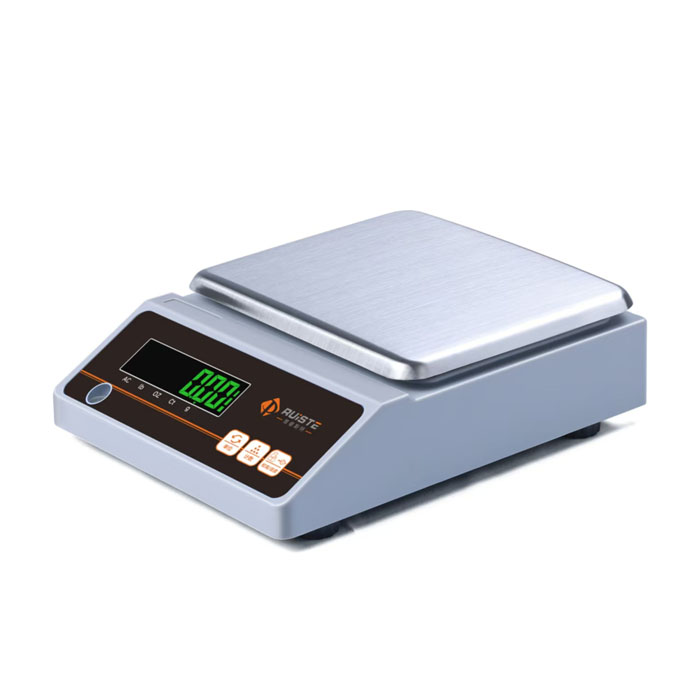
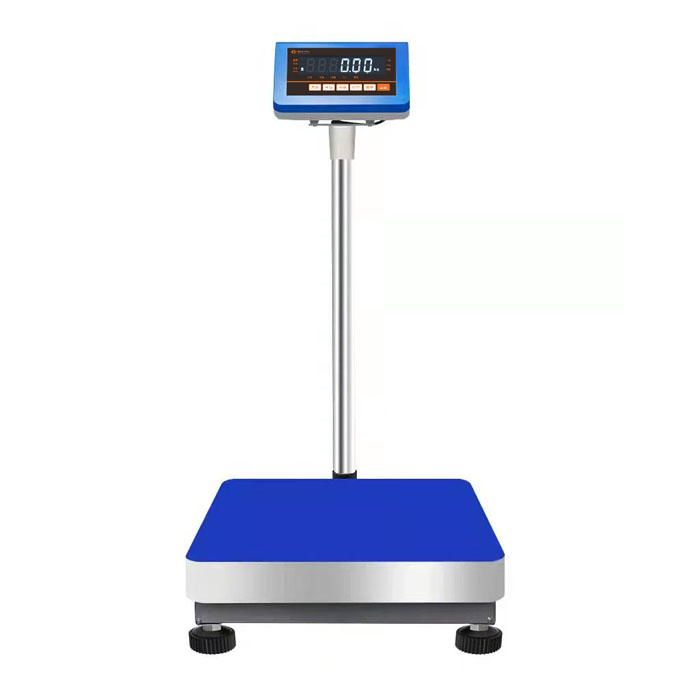
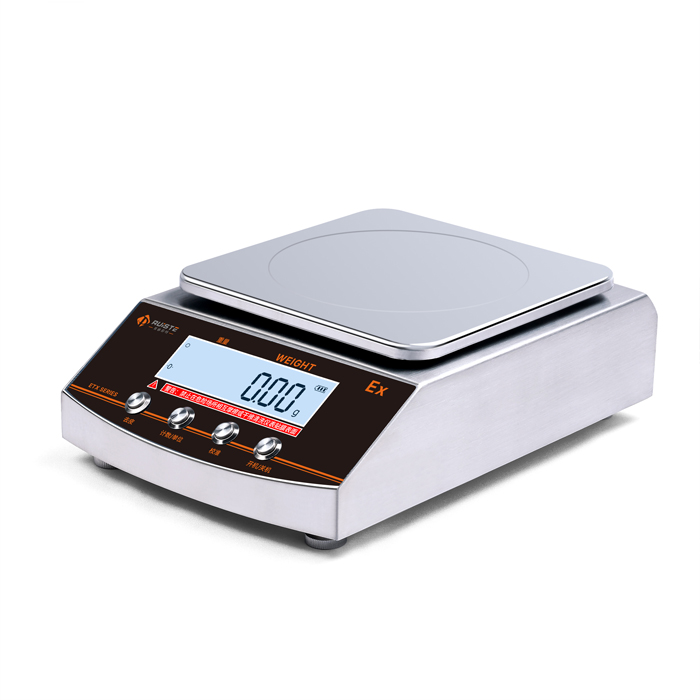
The basic mechanical structure serves as the foundational carrier for the counting scale to complete weighing and counting tasks. The outer bearing part is usually a flat weighing pan made of rigid metal materials, which is designed to place measured items and evenly disperse the pressure generated by the item mass. The flat structural design avoids measurement errors caused by unbalanced stress concentration, and the smooth surface can reduce external friction interference during the stress transmission process. Below the weighing pan is a mechanical connection structure that links the bearing surface with internal sensing components. This part adopts an integrated fixed design to minimize tiny displacement and mechanical vibration during the weighing process. For most conventional counting scales, the internal stress sensing structure takes elastic deformation components as the core. When items are placed on the weighing pan, gravity acts vertically downward on the mechanical connection structure, and the elastic body inside the sensor undergoes subtle elastic deformation. The deformation degree is positively correlated with the total mass of the placed items, which lays a physical foundation for subsequent signal collection and data conversion. Unlike traditional mechanical scales that rely on lever balance, modern counting scales abandon cumbersome mechanical transmission structures and simplify the stress transmission path, effectively lowering mechanical wear and improving the stability of long-term operation.
Sensing components are the key modules that convert physical gravity signals into detectable electrical signals. Inside the sensor of a counting scale, a set of strain-sensitive components is attached to the surface of the elastic body. These strain components have stable resistance characteristics, and their internal resistance values will change synchronously with the tiny deformation of the elastic body. When the elastic body is in a natural unstressed state, the resistance of the strain components remains at the initial fixed value. After bearing the pressure from the weighing pan, the elastic body stretches or compresses slightly, driving the strain components to produce structural deformation. The molecular arrangement inside the strain components changes accordingly, leading to regular fluctuations in resistance values. The resistance variation is extremely subtle and cannot be directly observed by external equipment, but it can be captured in real time by the built-in circuit system. In order to ensure the accuracy of signal collection, multiple strain components are usually arranged in a balanced combination inside the sensor. This layout can offset interference signals generated by lateral external force and ambient temperature changes, filter out invalid resistance fluctuation data, and retain effective electrical signals corresponding to the actual mass of items. The high sensitivity of strain components enables the counting scale to capture tiny mass changes, which is particularly critical for counting small-sized items with light individual weight.
Signal conversion and transmission systems undertake the task of sorting and optimizing original electrical signals. The resistance changes generated by strain components belong to analog signals, which are characterized by continuous fluctuation, weak signal intensity and easy interference by external electromagnetic environments. Such signals cannot be directly identified and calculated by digital processing chips, so an analog-to-digital conversion module is required for signal processing. This built-in circuit module first amplifies the weak analog electrical signals to enhance signal stability and avoid data loss during transmission. Subsequently, the filter circuit screens the amplified signals to eliminate clutter interference caused by environmental vibration, electromagnetic radiation and circuit current fluctuation. After purification, the analog signals are converted into standardized digital pulse signals through internal coding rules. The digital signals have discrete and stable characteristics, which can accurately record the deformation data of the elastic body and correspond to the actual weight of measured items one by one. During the signal transmission process, the sealed circuit channel is used to reduce signal attenuation, ensuring that the digital signals transmitted to the data processing unit remain complete and undistorted. The precision of the analog-to-digital conversion module directly affects the weighing resolution of the counting scale, and high-quality conversion circuits can identify tiny mass differences within a reasonable measuring range.
The microprocessor is the core control and computing unit of the counting scale, undertaking multiple functions such as data reception, algorithm operation, parameter storage and instruction output. After receiving the digital weight signal transmitted by the conversion module, the microprocessor first completes the calibration and correction of the original weight data. It compares the real-time signal with the pre-stored zero-point reference parameter to eliminate the influence of the weighing pan’s own weight and residual stress, and obtains the net weight data of the measured items. To realize the counting function, the microprocessor needs to acquire the single piece weight parameter of the measured items in advance. Users can complete single piece weight sampling through manual weighing of a small number of samples. After the sampling is completed, the system automatically averages the sample weight to reduce data errors caused by individual differences of items. The internal algorithm divides the total net weight by the average single piece weight to calculate the quantity of batch items. In order to optimize the counting accuracy, the microprocessor is equipped with a dynamic compensation algorithm. During continuous measurement, it can trace tiny changes of single piece weight, automatically update the average weight parameter, and reduce counting deviations caused by minor individual differences of bulk items.
In addition to core computing functions, the microprocessor also controls various auxiliary functional modules of the counting scale. The tare clearing function is realized by the internal data reset program. When items are placed in containers such as trays, the system can lock the container weight and automatically deduct the tare weight to obtain pure item weight data. The data storage module can record the sampling parameters and measurement data of multiple types of items, which facilitates repeated calling during batch detection and improves measurement efficiency. Moreover, the microprocessor can identify abnormal signal data. When external strong vibration, excessive load or abnormal current occurs, the system will automatically mark invalid data and avoid displaying wrong measurement results. The built-in temperature compensation program can also adjust data according to ambient temperature changes, offset the resistance drift of strain components caused by temperature fluctuation, and maintain stable measurement performance in different temperature environments.
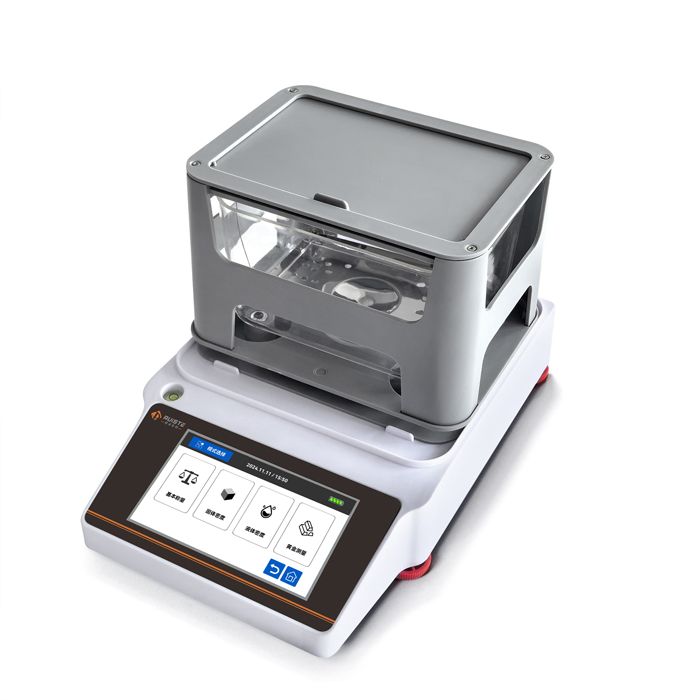
The data display and feedback module is the terminal part for human-computer interaction of the counting scale. The processed weight and quantity data are transmitted to the display screen in real time in the form of digital codes. The display interface usually presents multiple sets of data including total weight, single piece weight and item quantity, so that users can intuitively obtain measurement information. The digital display mode has the advantages of clear identification and low reading error, adapting to different light environments for daily use. Some counting scales are equipped with simple physical keys, which are used to complete parameter setting, data sampling, tare clearing and data reset operations. The key circuit is connected with the microprocessor, and each key operation will generate an electrical instruction to trigger the corresponding program response of the chip. In order to adapt to different usage scenarios, some equipment is designed with external data transmission interfaces, which can transmit measured weight and quantity data to external storage terminals for data sorting and permanent recording. The whole feedback process is efficient and intuitive, realizing the closed-loop process from physical weighing to digital feedback.
Auxiliary structural design and environmental adaptation mechanisms ensure the long-term stable operation of counting scales. The bottom of the equipment is equipped with anti-slip and shock-absorbing parts, which can reduce the interference of desktop vibration and horizontal sliding on weighing accuracy. The sealed shell structure can prevent dust, moisture and corrosive substances from entering the internal circuit and sensing components, reducing component aging and circuit short-circuit risks. In terms of power supply, the constant voltage power supply module provides stable current for the internal circuit, avoiding signal fluctuation caused by voltage instability. During the standby period, the low-power operation mode can reduce the aging speed of electronic components and extend the service life of the equipment. These auxiliary designs do not directly participate in weighing and counting calculation, but they optimize the operating environment of core components and effectively reduce external interference factors that affect measurement accuracy.
In practical application, the counting scale follows standardized measurement logic to ensure the rationality of data results. Before formal measurement, the equipment needs to complete zero-point calibration to eliminate residual stress and desktop inclination interference. During sample sampling, an appropriate number of samples should be selected according to item characteristics. For items with small individual mass and large batch quantity, increasing the number of samples can effectively improve the average weight accuracy. For items with regular shapes and uniform mass, a small number of samples can meet the measurement requirements. After the sampling is completed, the batch items can be placed on the weighing pan for integrated measurement. The system completes weight collection, signal conversion, data calculation and result display within a short time. The whole measurement process does not require complex manual calculation, which greatly simplifies the quantity statistics work of batch items.
Compared with manual counting and traditional weighing equipment, the working principle of counting scales endows it with unique application advantages. The efficient signal transmission and computing system shortens the measurement time, and the whole counting process can be completed in a few seconds. The high-sensitivity sensing components and compensation algorithms control the data error within a small reasonable range, avoiding counting errors caused by human visual fatigue and manual statistical omissions. The integrated structural design integrates mechanical bearing, electrical signal conversion and digital computing functions, making the equipment compact in structure and convenient to carry and place. In industrial production, it is often used for quantity inspection of small electronic accessories, hardware parts and plastic components; in warehouse management, it is applied to batch inventory statistics of spare parts to improve inventory sorting efficiency; in daily commercial scenarios, it can complete rapid quantity counting of standardized packaged items.
With the continuous upgrading of electronic technology and sensor manufacturing technology, the internal working mechanism of counting scales is constantly optimized. The strain sensing components are developing toward higher sensitivity and smaller volume, which can adapt to the counting requirements of ultra-light tiny items. The internal operation algorithms are more intelligent, realizing automatic screening of abnormal samples and real-time dynamic correction of parameters. The circuit integration level is continuously improved, reducing equipment energy consumption and failure rate. Although the structural design and technical parameters of counting scales vary in different application scenarios, their core working principles remain consistent. They all take gravity sensing as the entry point, complete physical signal conversion through electronic circuits, and realize quantity derivation based on weight proportional calculation.
To sum up, the working principle of a counting scale is a comprehensive application system integrating mechanical physics, electronic induction, signal conversion and data computing. The mechanical bearing structure bears item gravity and generates elastic deformation; the sensing components convert deformation into continuous analog electrical signals; the conversion circuit purifies and converts signals into recognizable digital data; the microprocessor completes weight correction and quantity calculation through built-in algorithms; the terminal display module feeds back intuitive measurement results to users. The coordinated operation of all links ensures that the equipment can efficiently and accurately complete batch item counting tasks. Understanding its internal working principle helps users standardize operation steps, avoid misoperation affecting measurement accuracy, and also provides a theoretical basis for the performance optimization and application expansion of counting scales. In the future, with the continuous innovation of intelligent technology, counting scales will combine more intelligent sensing and data analysis technologies to adapt to more complex batch measurement scenarios and provide more reliable data support for industrial production and daily measurement work.
Working Principle of Counting Scale
https://www.pruiste.com/counting-scale.html
Post Date: May 7, 2026
https://www.supplier-manufacturer.com/counting-scale/working-principle-of-counting-scale.html

![Floor Weighing Scale]()
Floor Weighing Scale
Floor weighing scales stand as fundamental measuring instruments widely applied across diverse industrial, commercial, and daily operational environments, serving the core…![Types of Counting Scale]()
Types of Counting Scale
Counting scales serve as essential weighing instruments designed to calculate the quantity of homogeneous items by measuring their weight, and they have become indispensab…![Dustproof Counting Scale]()
Dustproof Counting Scale
In modern industrial production, laboratory research, and daily material sorting operations, counting and weighing small bulk materials have become an indispensable basic …![Commercial Weighing Scale]()
Commercial Weighing Scale
In every modern commercial and industrial operation that involves handling goods, managing inventory, processing production materials, or conducting routine transactional …![Heavy-duty Counting Scale]()
Heavy-duty Counting Scale
In modern industrial production, warehouse management, manufacturing processing, and large-scale commercial material handling, the accurate quantification and quantity sta…