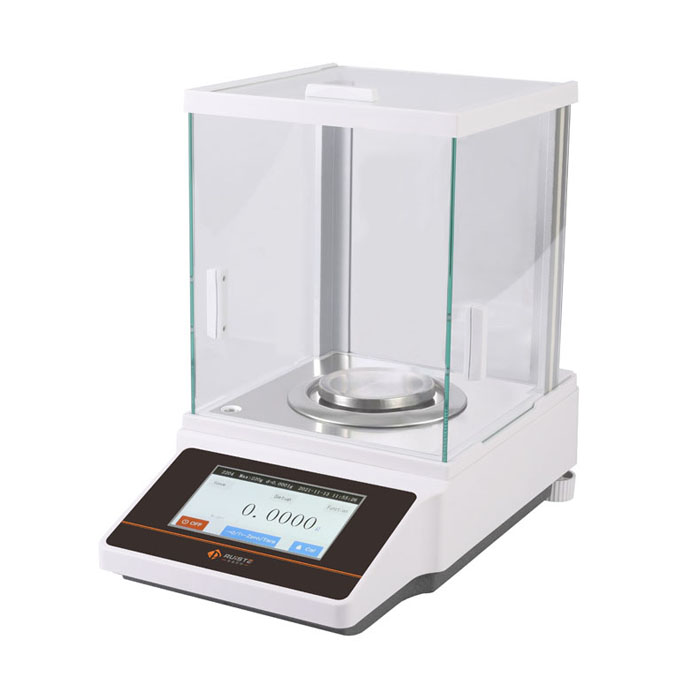
Analytical Balance Fa-pro Series
The FA-PRO series adopts the Internet of Things 5 inch color TFT control system integrated touch high definition screen. The whole series balance adopts high performance single chip microprocessor to control high speed CPU and special ASIC chip. The electromagnetic force Reed high precision sensor can ensure the high accuracy and stability of weighing results. This series of precision casting ABS Environmental protection materials are designed with one-key switching mode in Chinese and English interface, high-efficiency die-cast aluminum alloy base is adopted, the bearing base is stable and solid, and the samples of fully transparent glass windshield are clearly visible. The whole machine uses stainless steel table panels and stainless steel scales, which are designed with precision casting ABS Environmental protection materials, and have weighing, counting, percentage, unit conversion time setting and density weighing modes.
An analytical balance stands as an indispensable measuring instrument in modern laboratory environments, designed to determine the mass of substances with an exceptionally high degree of precision. This delicate measuring device differs significantly from ordinary weighing tools, as it is engineered to detect subtle mass variations that remain imperceptible to conventional weighing equipment. Widely utilized in scientific research, chemical analysis, material research, and pharmaceutical preparation processes, the instrument maintains stable measuring performance under controlled environmental conditions, laying a solid foundation for accurate experimental data acquisition. Its inherent precision makes it a fundamental tool for professionals who require reliable mass measurement in daily experimental operations, and its rational application directly influences the authenticity and repeatability of experimental results in various research fields.
The evolutionary development of analytical balances reflects the continuous progress of human understanding of precision measurement. In the early stages of metrological development, mechanical balancing structures relying on lever principles dominated the field of mass measurement. These early devices adopted rigid beam structures and built-in weight combinations to achieve mass comparison through manual weight adjustment. Although these primitive balancing tools could meet the basic weighing needs of simple substances, they suffered from obvious limitations such as slow response speed, cumbersome operation steps, and susceptibility to human operational errors. With the advancement of electronic technology and sensor manufacturing techniques, electromagnetic force balancing structures gradually replaced traditional mechanical frameworks, becoming the mainstream structural form of contemporary analytical balances. This technological iteration eliminates the need for manual weight placement, realizes automatic induction and rapid measurement of samples, and effectively reduces human interference in the weighing process. The internal sensing system of modern analytical balances can capture tiny displacement changes caused by sample placement, and convert mechanical displacement into identifiable electrical signals through high-sensitivity sensing components, completing the quantitative conversion from physical mass to digital data.
The core working principle of a modern analytical balance centers on the electromagnetic force balance mechanism. When a sample is steadily placed on the weighing pan, the gravitational force generated by the sample’s mass causes a slight downward displacement of the internal mechanical connecting structure. The high-precision position detector inside the instrument immediately captures this micro-displacement signal and transmits it to the intelligent control circuit. The circuit system dynamically adjusts the current intensity flowing through the electromagnetic coil according to the detected displacement data. Under the action of a permanent magnetic field, the energized coil generates an upward electromagnetic force that counteracts the gravitational force of the sample. The system continuously modulates the current parameter until the internal mechanical structure returns to its initial balanced position, achieving a force equilibrium state. In this stable state, the current passing through the coil maintains a fixed proportional relationship with the mass of the loaded sample. The internal data processing unit converts the current fluctuation data into intuitive mass values through built-in algorithm calculation, and presents the final measuring results on the display interface in real time. This force-balancing working mode ensures the sensitivity and stability of measurement, enabling the instrument to capture minimal mass changes within a reasonable measuring range.
The internal structural configuration of an analytical balance is elaborate and hierarchical, with each component undertaking independent and interconnected functional tasks. The weighing pan, usually made of corrosion-resistant metal materials, serves as the bearing platform for samples. Its smooth and flat surface reduces external adhesion and avoids unnecessary mass interference caused by residual impurities. Surrounding the weighing pan is a transparent protective enclosure composed of glass or high-transparency polymer materials. This enclosed structure effectively isolates the interference of ambient air flow, dust deposition, and human breath convection on the weighing process, which is particularly critical for maintaining measurement stability during the weighing of tiny mass samples. Beneath the weighing platform lies the core sensing and force-bearing mechanism, including precision connecting brackets, elastic damping components, and electromagnetic driving coils. These finely processed mechanical parts require a stable placement environment to prevent structural deformation caused by vibration or extrusion. The internal circuit system consists of signal acquisition modules, current regulation components, and data processing chips, which jointly complete signal conversion, data calculation, and result output. Additionally, the bottom of the instrument is equipped with adjustable horizontal supporting feet. Operators can observe the built-in level gauge to fine-tune the horizontal angle of the equipment, ensuring that the internal mechanical structure maintains an optimal vertical stress state and avoiding measurement deviations caused by tilting placement.
Standardized operating procedures are essential to maintain the consistent measuring performance of analytical balances. Before initiating the weighing process, environmental inspection and equipment preparation must be completed meticulously. The instrument should be placed on a solid vibration-isolation countertop, away from direct sunlight, thermal radiation sources, and corrosive gas diffusion areas. Sudden temperature fluctuations will cause thermal expansion and contraction of internal components, disrupting the force balance state and leading to data drift. It is advisable to keep the instrument powered on for an appropriate preheating period before formal use, so that the internal circuit and sensing system can reach a stable working temperature and reduce systematic measurement errors. During the sample placement process, tweezers should be used to transfer samples instead of direct hand contact, as sweat and grease on human skin will adhere to the sample surface and affect the accuracy of weighing data. For powdered or volatile samples, sealed non-reactive containers are required for holding, to prevent sample loss or chemical reaction with ambient air. After placing the sample, the protective enclosure should be closed gently to reduce air flow disturbance, and the reading should be recorded only after the digital data stabilizes completely. Rapid placement or violent collision is prohibited during operation, as excessive instantaneous pressure may damage the delicate internal sensing structure and shorten the service life of the instrument.
Reasonable sample handling and environmental control further optimize the measurement quality of analytical balances. Different physical and chemical properties of samples require targeted storage and weighing methods. Hygroscopic substances easily absorb moisture in the air, resulting in continuous mass increase during the weighing process; such samples must be weighed in a short time with sealed containers to isolate humid air. Volatile chemical reagents will gradually dissipate in an open environment, causing gradual mass reduction and inaccurate measurement results. For corrosive samples, inert bearing containers must be selected to prevent chemical corrosion on the metal weighing pan and residual contamination affecting subsequent measurements. The ambient humidity of the laboratory should be kept within a moderate range. Excessively humid air may cause slight oxidation of internal metal parts, while an overly dry environment tends to generate static electricity, which will adsorb tiny samples and interfere with data stability. It is also necessary to maintain air circulation in the laboratory without forming obvious convection wind currents, so as to balance the air pressure inside and outside the protective enclosure and eliminate subtle airflow interference.
Analytical balances have broad application coverage in multiple professional fields. In chemical laboratories, they are used for the precise preparation of standard solutions, the quantitative analysis of solute content, and the mass recording of reactants and products in chemical reactions. Accurate mass data ensures the repeatability of chemical experiments and provides reliable data support for the verification of chemical reaction equations. In the pharmaceutical industry, the instrument assists researchers in weighing trace raw materials for drug synthesis, controlling the dosage ratio of active ingredients, and detecting the residual mass of purified pharmaceutical intermediates, which is crucial to ensure the uniform efficacy and stable quality of finished drugs. In material science research, staff use analytical balances to record the mass changes of new materials before and after physical and chemical treatments, analyze material density parameters, and explore the structural stability of composite materials under different environmental conditions. In environmental monitoring projects, the instrument can weigh trace pollutants filtered from water samples and air samples, calculate pollutant concentration indicators, and provide data basis for environmental quality assessment and pollution control. In addition, the instrument also plays a vital role in food testing, geological sample analysis, and biochemical experimental research, becoming a universal precision measuring tool in the scientific community.
Daily maintenance and regular inspection work determine the long-term operational stability of analytical balances. After each use, the residual samples and dust on the weighing pan and the inner wall of the protective enclosure should be gently wiped with soft dust-free cleaning tools. No liquid cleaning agent should be sprayed directly on the instrument surface to prevent liquid from penetrating into the interior and causing circuit short circuits or metal part rust. When the instrument is not in use for a long time, the power supply should be cut off, and a dust cover should be used to isolate floating dust in the air, avoiding long-term dust accumulation that affects the flexibility of mechanical structures. Regular horizontal calibration and zero-point reset are necessary to eliminate slow data deviation caused by long-term vibration and placement displacement. During the idle period, the laboratory should maintain a dry and constant temperature environment to prevent the aging of internal circuit components and the deformation of precision mechanical parts. Once abnormal phenomena such as slow data response, obvious numerical jitter, and unsteady zero point occur during use, continuous forced operation should be stopped immediately to avoid aggravating internal component damage. Professional inspection and debugging need to be carried out by personnel with professional operation experience to restore the optimal working state of the instrument.
Common measurement errors of analytical balances mainly derive from environmental interference, operational irregularities, and equipment aging. Airflow fluctuation is one of the frequent external interference factors; even subtle air convection will produce tiny pressure differences on the weighing pan, resulting in floating data. Temperature changes will cause thermal deformation of internal metal and circuit components, breaking the original force balance and causing systematic errors. Improper manual operations, such as excessive sample mass exceeding the measuring range, violent placement of bearing containers, and untimely cleaning of residual impurities, will all affect the accuracy of test results. With the extension of service time, the damping performance of internal elastic components will gradually decline, and the sensitivity of sensing elements will slowly decrease, leading to increased error fluctuation of measured data. In daily use, operators need to summarize error generation rules, strictly abide by standardized operation steps, and eliminate controllable interference factors in advance to minimize measurement deviation.
Looking ahead, the technological development of analytical balances will continue to move toward higher sensitivity, intelligent interaction, and diversified adaptation capabilities. With the continuous breakthroughs in sensor technology and intelligent algorithm optimization, the anti-interference ability of such instruments will be further enhanced, enabling stable measurement in complex laboratory environments with slight temperature and humidity fluctuations. The human-computer interaction interface will become more concise and intelligent, realizing automatic data recording, real-time data storage, and remote data transmission functions, which facilitates batch sorting and statistical analysis of experimental data. Meanwhile, the structural design will pay more attention to compact optimization and corrosion resistance, adapting to the diversified measurement needs of special samples such as high activity and easy oxidation. As one of the most basic precision measuring instruments, analytical balances will always maintain an irreplaceable position in scientific research and industrial production. By continuously optimizing structural performance and upgrading intelligent functions, they will provide more accurate, convenient, and stable measurement services for various professional research fields, and continuously assist the in-depth development of scientific exploration and industrial detection work.
ANALYTICAL BALANCE FA-PRO SERIES
https://www.pruiste.com/cmpxl/fxtpfapro
Post Date: May 7, 2026

![Explosion-proof Balance EX Series]()
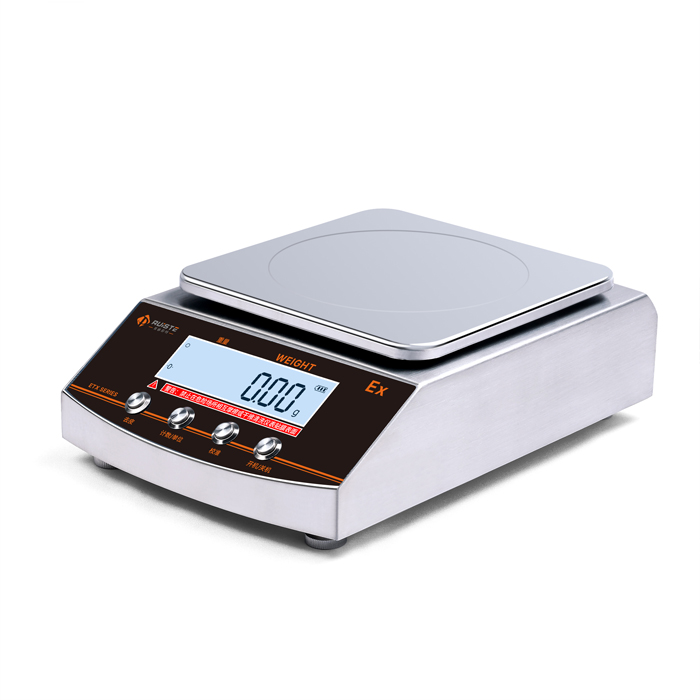
Explosion-proof Balance EX Series
EX explosion-proof balance whole is 304 stainless steel, rust and corrosion resistance. The whole series of balance adopts intrinsically safe explosion-proof battery. Expl…![Types of Digital Viscometer]()
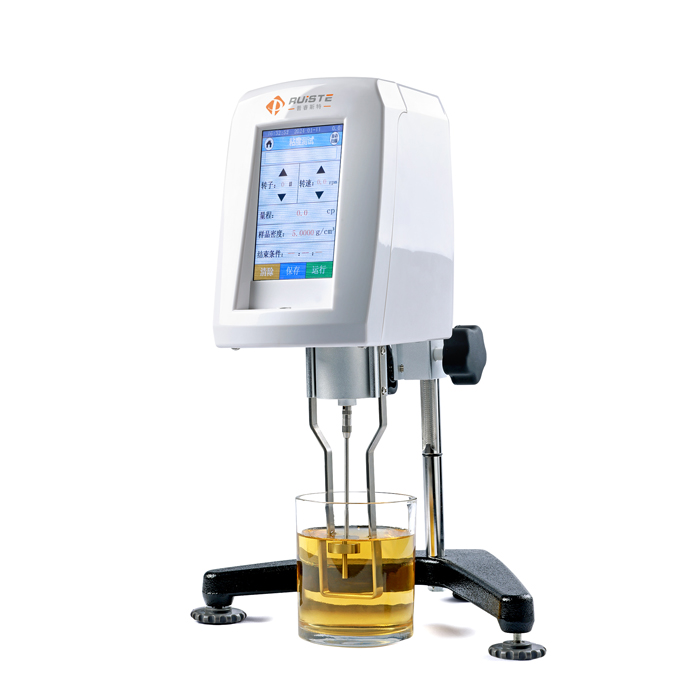
Types of Digital Viscometer
Viscosity serves as a fundamental physical property that reflects a fluid’s internal resistance to flow and shear deformation, playing a vital role in quality control, pr…![Digital Viscometer Wholesale]()
Digital Viscometer Wholesale
Viscosity measurement stands as a fundamental part of industrial quality control, material research, and production process optimization across diverse global sectors. As …![Precision Digital Viscometer]()
Precision Digital Viscometer
Viscosity stands as one of the most fundamental physical properties of fluid substances, reflecting the internal friction and flow resistance generated during the movement…![Purposes of Moisture Analyzer]()
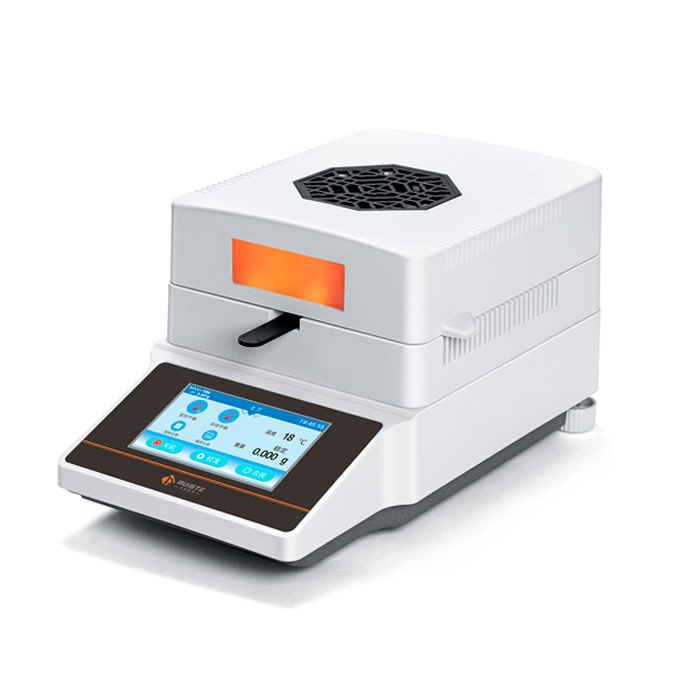
Purposes of Moisture Analyzer
Moisture content stands as one of the most fundamental and influential physical properties of nearly all raw materials, semi-finished goods, and finished products across i…