Medical Electronic Balance
In the modern medical industry, precise measurement serves as the fundamental foundation for medical research, clinical diagnosis, pharmaceutical preparation and biological analysis. As an essential precision weighing instrument, medical electronic balance has gradually replaced traditional mechanical weighing equipment with its stable operating performance, sensitive response capability and convenient operation mode, becoming an indispensable tool in various medical scenarios. Different from ordinary weighing devices used in daily life, medical electronic balance is designed focusing on the rigorous requirements of the medical field, with optimized structural design, sensing components and data processing systems to adapt to complex medical working environments and meet high-standard weighing demands for medical samples, reagents and special medical supplies. The continuous advancement of medical technology also drives the iterative upgrading of electronic balance, making its functional attributes and application scope constantly expand, and further consolidating its important position in the medical system.
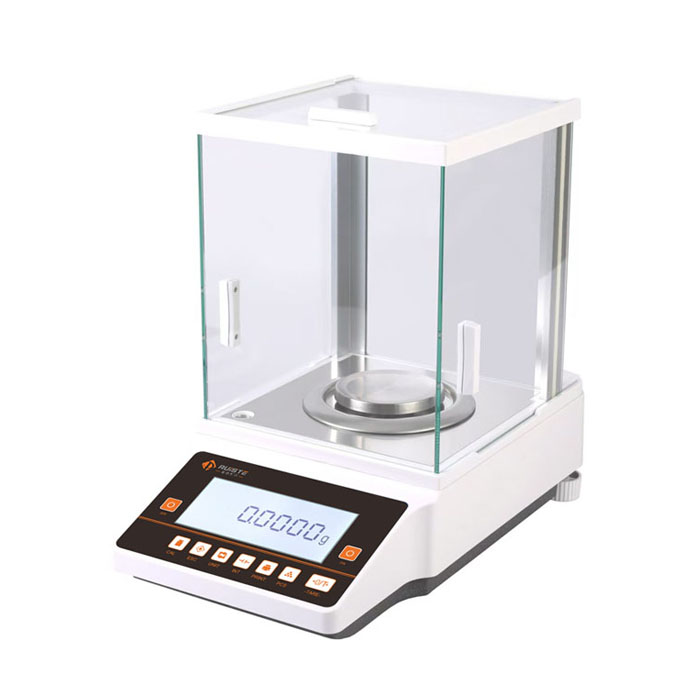
The core working principle of medical electronic balance relies on mature electromagnetic force balance technology, which realizes accurate mass measurement through the mutual balance between object gravity and electromagnetic force. When a measured object is stably placed on the weighing pan, subtle displacement changes occur in the internal mechanical transmission structure of the instrument. The high-sensitivity position detection component can quickly capture such tiny displacement signals and convert them into identifiable electrical signals. After the electrical signals are transmitted to the internal circuit system, the current intensity in the moving coil will be automatically adjusted. The moving coil generates electromagnetic force in the permanent magnetic field, and this force can counteract the gravity generated by the measured object, so that the mechanical structure returns to the initial balanced state. In this process, the current intensity presents a stable proportional relationship with the mass of the object, and the microprocessor inside the balance converts the current data into intuitive mass values through internal algorithm calculation, which are finally displayed on the digital display screen. In addition to electromagnetic force sensing structures, some medium and low-load medical electronic balances adopt strain sensors and capacitive sensors. These sensor structures have simple composition and stable operating conditions, which can satisfy the basic weighing needs of conventional medical samples and reduce the overall operating cost of the instrument.
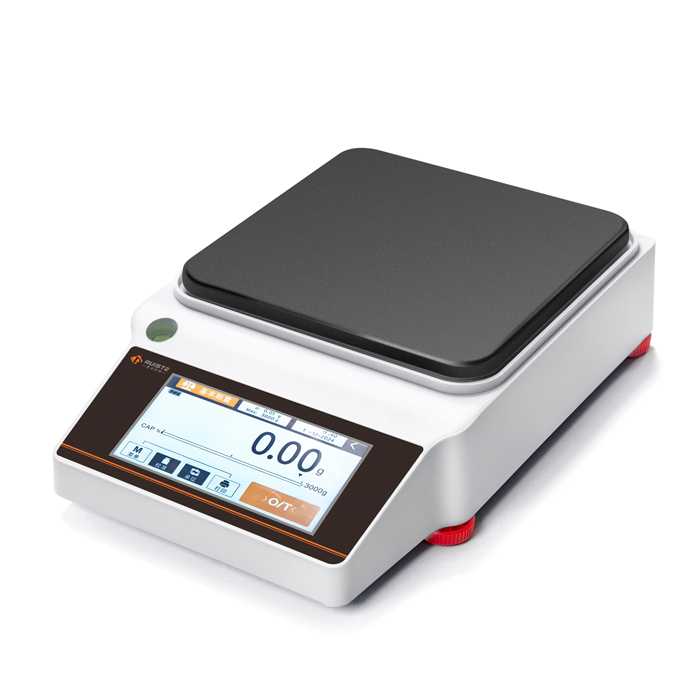
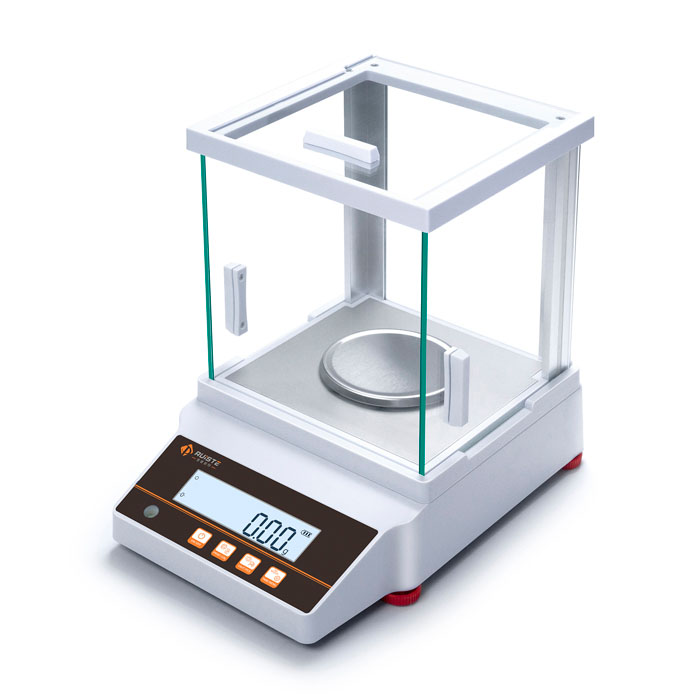
The overall structural design of medical electronic balance fully considers the professionalism and hygiene requirements of medical scenarios. The external shell is mostly made of corrosion-resistant and easy-to-clean synthetic materials and metal alloys, which can resist the erosion of common medical disinfectants such as alcohol and disinfectant solution. The smooth surface structure avoids the accumulation of dust, bacteria and residual reagents, facilitating daily cleaning and disinfection work for medical staff and conforming to hospital infection control norms. The weighing pan is usually processed with polished stainless steel materials, featuring flat surface, strong bearing capacity and good wear resistance, and it can be disassembled independently to realize thorough cleaning without dead ends. For high-precision models used in medical laboratories, a transparent windproof cover is equipped around the weighing pan. This structure can effectively block the interference of external air flow, temperature fluctuation and fine dust on the weighing process, avoid data deviation caused by subtle environmental changes, and maintain the stability of weighing results. The internal core components are placed in a sealed cavity, which can reduce the impact of external vibration and humid air on precision parts, extend the service life of the instrument, and ensure long-term stable operation in indoor medical environments.
Medical electronic balance has a wide range of application coverage in the medical field, involving multiple links such as laboratory research, clinical treatment and pharmaceutical production. In medical laboratories, it is mainly used for the precise weighing of biological samples, chemical reagents and experimental preparations. In biochemical experiments, researchers need to weigh trace solid reagents and raw materials for solution configuration, and accurate mass data can ensure the reasonable proportion of experimental components, thereby improving the authenticity and repeatability of experimental results. In pathological detection, the balance is applied to weigh tissue samples and experimental stains, providing reliable data support for subsequent pathological analysis and disease judgment. In microbiological research, staff use it to weigh culture medium raw materials to configure nutrient solutions suitable for microbial growth, which lays a foundation for microbial culture, observation and drug resistance testing.
In clinical medical links, medical electronic balance plays an important auxiliary role in patient treatment and physical condition monitoring. In the nephrology department and hemodialysis center, high-precision weighing equipment is used to monitor the weight changes of patients before and after dialysis. Medical staff calculate the ultrafiltration volume during dialysis treatment according to the weight difference, formulate targeted treatment plans, and avoid physical discomfort risks caused by excessive or insufficient water removal. For patients with limited mobility such as the elderly and the disabled, the improved electronic balance with enlarged bearing structure can complete stable weight measurement, and the tare removal function can automatically deduct the weight of auxiliary tools such as wheelchairs to obtain accurate human body data. In the rehabilitation nursing process, medical personnel regularly record the weight changes of patients to judge the physical recovery status and adjust diet and rehabilitation training plans in a timely manner. In addition, in the pediatric examination link, the sensitive weighing system can capture the tiny weight changes of infants, providing effective reference data for evaluating the growth and development of newborns.
The pharmaceutical preparation and production industry also relies heavily on medical electronic balances to ensure the safety and uniformity of drugs. In the preparation of Western medicine raw materials, staff weigh various pharmaceutical raw materials in strict accordance with the prescription ratio. The accurate dosage control avoids the efficacy fluctuation and side effect risks caused by improper raw material proportioning. In the production of traditional Chinese medicine preparations, it is used for weighing various Chinese herbal materials to ensure the standardization of medicinal material dosage in each batch of preparations. In hospital pharmacy dispensing work, electronic balances assist medical staff in weighing bulk medicines and preparing temporary preparations, which improves the accuracy of drug dispensing and reduces medication errors. Moreover, in the research and development of new drugs, repeated weighing and testing of experimental drugs are required in different experimental stages, and the stable data output capability of electronic balances provides continuous data support for drug research and development progress.
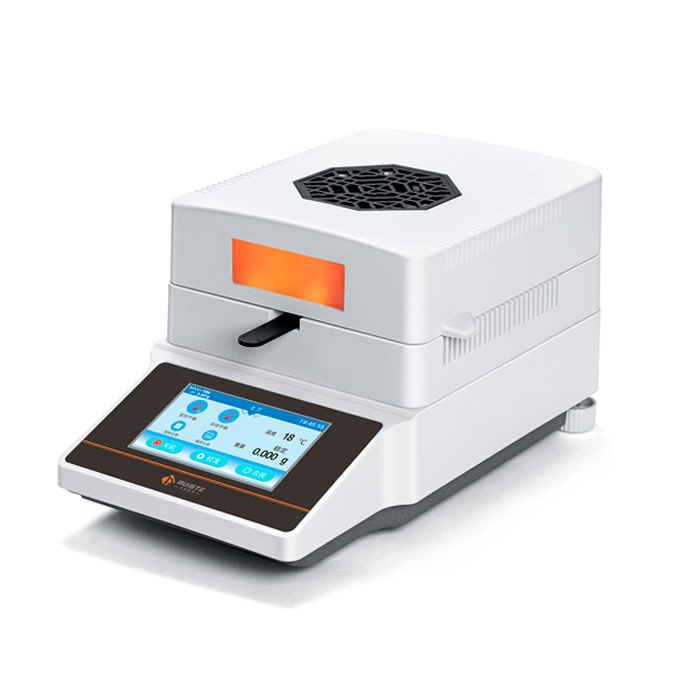
Modern medical electronic balance is constantly optimized in functional design to adapt to the diversified use needs of the medical industry. The built-in intelligent microprocessor can realize automatic data calculation, realizing convenient functions such as tare deduction, data accumulation and unit conversion. The simple touch control panel or mechanical button is convenient for medical staff to operate quickly, and the high-definition digital display screen can clearly present weighing data, which is convenient for staff to read and record in real time. Most instruments are equipped with standardized data transmission interfaces, which can transmit weighing data to hospital internal management systems and laboratory data terminals through wired or wireless connection modes. This data transmission mode realizes electronic storage and intelligent sorting of measurement information, reduces manual recording errors, and facilitates medical staff to trace and analyze historical data. Some models also have temperature and humidity sensing auxiliary functions, which can monitor the ambient conditions during weighing in real time and remind users to adjust the environment to ensure weighing accuracy when the external environment fluctuates abnormally.
Although medical electronic balance has high stability in operation, its weighing accuracy is still affected by multiple external environmental factors, so standardized use and maintenance management are required in daily application. Ambient temperature and humidity are key influencing factors. Extreme high and low temperatures will cause thermal expansion and contraction of internal metal components, and excessive humidity will easily lead to dampness of circuit parts, both of which will interfere with data stability. It is suitable to place the instrument in a dry and constant-temperature indoor environment to avoid direct sunlight and cold air blowing. Air flow and vibration interference should also be avoided during use; it is necessary to keep the surrounding environment quiet when weighing trace samples, and place the instrument on a stable horizontal table to prevent data deviation caused by vibration. In terms of daily operation, staff need to complete self-calibration before formal weighing to eliminate system errors caused by long-term placement. The surface of the weighing pan and shell should be cleaned regularly, and corrosive cleaning agents should be avoided to prevent damage to the surface protective layer. When placing measured objects, it is necessary to handle them gently to avoid strong impact on the weighing pan, so as to protect internal sensing components from mechanical damage.
With the continuous progress of medical intelligence technology, the development trend of medical electronic balance is gradually moving towards intellectualization, integration and environmental protection. On the basis of maintaining high weighing precision, more intelligent sensing modules will be added to the instrument to realize automatic identification of samples and intelligent judgment of weighing anomalies, which further reduces manual intervention links. In terms of structural integration, the volume of the balance will be further optimized, and the compact integrated structure is convenient for flexible placement in limited spaces such as laboratories and treatment rooms, improving space utilization efficiency. In terms of material selection, environmentally friendly and recyclable composite materials will be widely used to reduce resource consumption while ensuring the durability of the instrument. In addition, the data interconnection function of the balance will be further upgraded to realize seamless docking with various medical testing equipment and hospital management platforms, build a complete medical data chain, and provide more comprehensive data support for medical diagnosis and scientific research.
As a basic precision measuring instrument in the medical field, medical electronic balance bears the important task of providing accurate data for medical research, clinical treatment and pharmaceutical production. Its excellent sensing performance, stable operating state and humanized functional design make it adapt to diverse complex medical application scenarios. From trace reagent weighing in laboratories to physical condition monitoring of patients, from pharmaceutical raw material proportioning to daily medical sample testing, every link is inseparable from the accurate support of medical electronic balances. In the future, driven by technological innovation, the comprehensive performance of medical electronic balance will continue to be optimized, and its application fields will be further expanded. It will keep pace with the development of the modern medical industry, continuously improve the standardization and refinement level of medical measurement work, and create more favorable conditions for the progress of medical research and the improvement of medical service quality.
Medical Electronic Balance
https://www.pruiste.com/electronic-balance.html
Post Date: May 17, 2026
https://www.supplier-manufacturer.com/electronic-balance/medical-electronic-balance.html

![Weighing Scale Vender In China]()
Weighing Scale Vender In China
China has established a solid and influential position in the global weighing scale manufacturing sector, with numerous dedicated vendors covering diverse production scale…![Weighing Scale Manufacturer]()
Weighing Scale Manufacturer
The weighing scale manufacturing sector stands as an indispensable segment within the global industrial and consumer manufacturing landscape, quietly supporting the operat…![Moisture Analyzer DHS Series]()
Moisture Analyzer DHS Series
DHS series adopts the Internet of Things 5 inch color TFT control system integrated touch HD screen, and the whole series moisture meter adopts German HBM sensor and brand…![Counting Scale Manufacturer]()
Counting Scale Manufacturer
Counting scales have become indispensable measuring equipment in modern industrial production, commercial circulation, and material management, serving as a reliable tool …![Dual-range Counting Scale]()
Dual-range Counting Scale
In modern industrial production, inventory management, and material sorting processes, the demand for accurate and efficient quantitative measurement continues to grow ste…