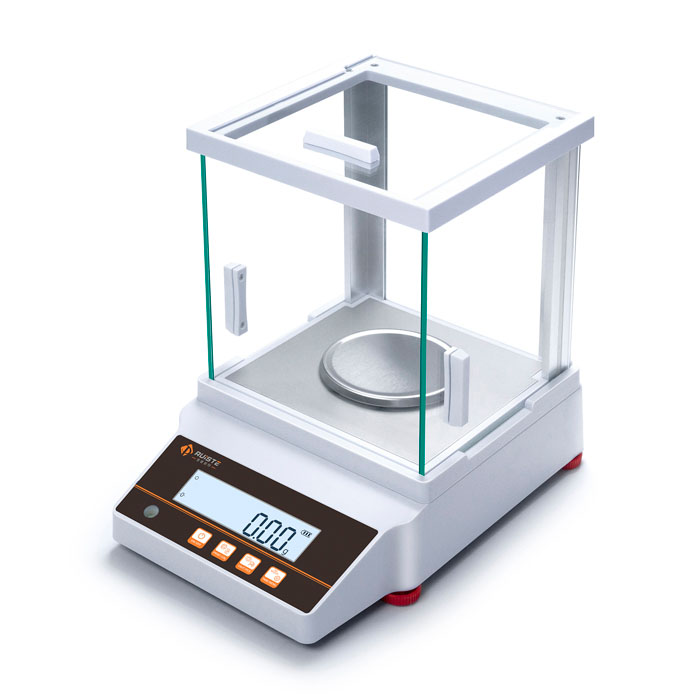
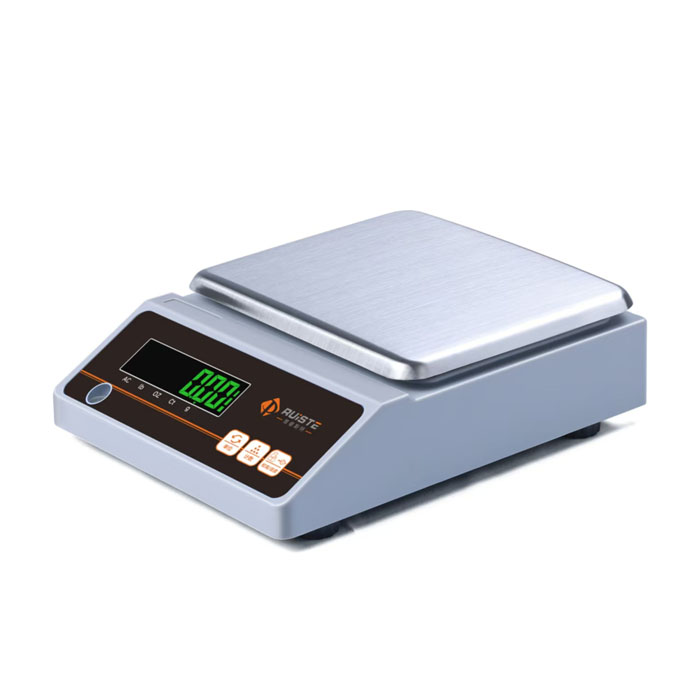
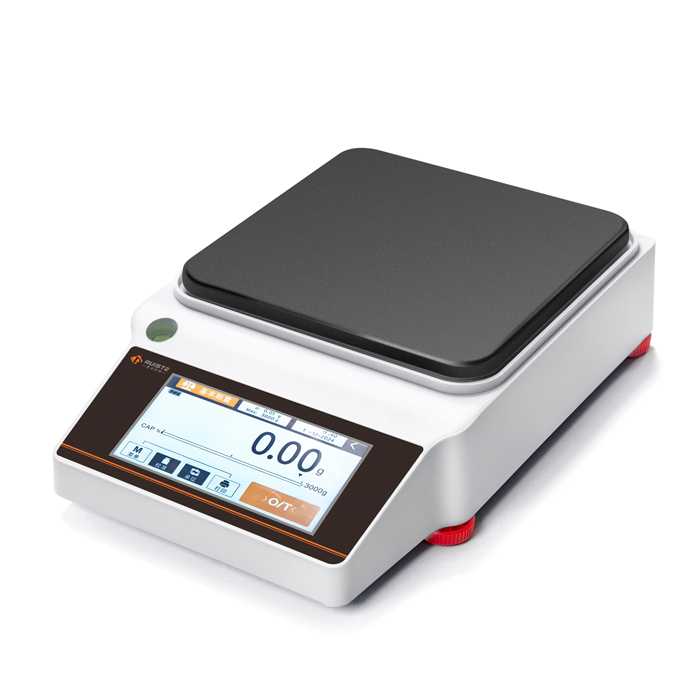
Compact Laboratory Balance
Compact laboratory balances serve as essential precision measuring instruments in modern scientific research, educational experimentation, industrial sample processing, and daily laboratory analytical workflows. Designed to integrate dimensional compactness with reliable weighing performance, these devices fill a critical niche between bulky high-end analytical weighing equipment and basic portable weighing tools, delivering steady and accurate mass measurement results for diverse routine and semi-precision laboratory tasks. Unlike oversized traditional laboratory weighing devices that require dedicated installation spaces and complex setup procedures, compact laboratory balances feature streamlined structural design, space-saving layouts, and user-friendly operational logic, making them highly adaptable to varied working environments ranging from cramped laboratory benches and classroom teaching platforms to small-scale production testing stations. Their balanced combination of stable measuring capability and flexible usability has established them as indispensable equipment in countless scientific and industrial scenarios, supporting consistent and replicable experimental and testing data acquisition.
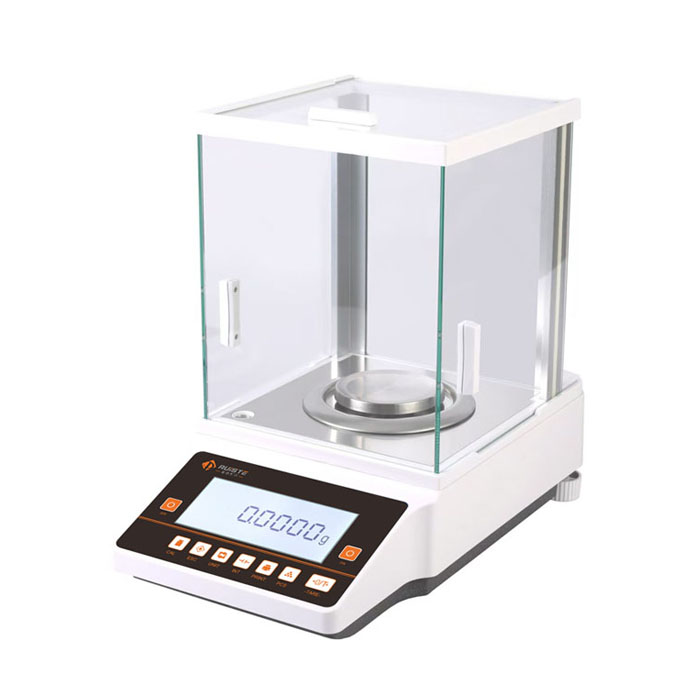
The core operational mechanism of compact laboratory balances primarily relies on mature electromagnetic force restoration technology, a closed-loop working system that ensures stable and sensitive mass detection. At the core of the device lies a precision sensor unit paired with a microprocessor control system, which collaborates to complete real-time weight detection and data conversion. When a sample is placed evenly on the weighing pan, the gravitational force of the sample causes a slight positional displacement of the pan structure. Built-in photoelectric sensing components instantly capture this tiny displacement signal and transmit it to the central microprocessor. The intelligent control system rapidly calculates the exact electric current required to generate a reverse electromagnetic force, which counteracts the gravitational pull of the sample and restores the weighing pan to its original horizontal zero position. In this working cycle, the magnitude of the adjusted current maintains a stable proportional relationship with the mass of the loaded sample, enabling the system to convert analog force signals into accurate digital mass readings through internal algorithm processing. This closed-loop feedback regulation process operates continuously and efficiently during each weighing operation, effectively reducing signal deviation and ensuring the stability of each measurement result.
In terms of structural design, compact laboratory balances adopt highly integrated component layout to achieve miniaturization without compromising basic functional integrity. The overall structure consists of four core modules: the weighing and bearing unit, the sensor signal acquisition unit, the intelligent data processing unit, and the human-computer interaction display unit. The weighing pan is typically made of corrosion-resistant, high-rigidity metal materials, which can resist daily chemical corrosion from common laboratory reagents and avoid structural deformation caused by long-term load bearing, thus maintaining consistent weighing flatness. The internal sensor and circuit components are encapsulated with protective structures to isolate fine dust, moisture, and minor electromagnetic interference in the working environment, effectively improving the durability and operational stability of the equipment. The external shell features a minimalist and compact design with smooth surfaces and reserved heat dissipation gaps, ensuring normal heat exchange of internal electronic components during long-hour operation and preventing data drift caused by equipment overheating. Most models are equipped with adjustable foot pads at the bottom, allowing users to fine-tune the horizontal state of the equipment according to the placement surface, which is a basic prerequisite for ensuring accurate weighing data.
Environmental adaptability is a key advantage of compact laboratory balances, distinguishing them from large precision weighing instruments that require strict constant temperature and humidity environments. While high-precision analytical balances often need specialized dust-free and temperature-controlled laboratories to function properly, compact laboratory balances can maintain stable working performance in conventional indoor laboratory environments with moderate temperature and humidity fluctuations. Even in daily working conditions with slight air flow or minor ambient vibration, the internal anti-interference algorithm and mechanical damping structure can effectively offset external disturbances, reducing data fluctuation during measurement. For scenarios with relatively strict requirements for measurement stability, optional windproof auxiliary structures can be matched to block fine air convection around the weighing pan, further optimizing the consistency of repeated measurements. This moderate environmental tolerance enables the equipment to be flexibly deployed in teaching laboratories, routine inspection rooms, small-batch sample preparation workshops, and other diverse scenarios, greatly improving the utilization efficiency of laboratory space and equipment resources.
In practical laboratory workflows, compact laboratory balances undertake a wide range of conventional weighing tasks that require moderate precision and stable repeatability. In chemical laboratories, they are widely used for the quantitative weighing of solid chemical reagents during solution preparation, reaction proportioning, and sample pretreatment processes. Accurate mass control of reagents directly affects the concentration accuracy of prepared solutions and the progress of chemical reactions, and the stable output data of compact balances provides reliable basic support for standardized chemical experiments. In biological and biochemical experiments, the equipment is applied to the weighing of culture medium raw materials, biological samples, and experimental auxiliary materials, ensuring the uniformity of sample dosage in microbial culture, cell experiments, and biochemical detection, which helps improve the reproducibility of experimental results and reduce operational errors caused by manual weighing deviation.
Educational laboratories at all levels also rely heavily on compact laboratory balances for teaching and student experimental training. The simple and intuitive operation logic of the equipment lowers the learning threshold for beginners, allowing students to quickly master standardized weighing operation specifications, understand the basic principles of precision measurement, and develop rigorous experimental operation habits. In middle school physics and chemistry experiments, university basic discipline teaching, and vocational skill training courses, compact balances help students complete quantitative experimental verification, cultivate their awareness of data accuracy and experimental standardization, and lay a solid operational foundation for subsequent professional scientific research and experimental work. Compared with complex professional weighing equipment, the simple structure and stable performance of compact balances also reduce equipment failure rates in teaching scenarios, ensuring the smooth progress of batch student experiments.
In industrial and commercial testing fields, compact laboratory balances play an important role in small-batch quality inspection and sample parameter detection. In food processing and ingredient preparation industries, the equipment is used for quantitative detection of raw material proportions and finished product component sampling weighing, helping enterprises maintain stable product formula proportions and ensure consistent product quality. In new material and fine chemical industries, compact balances support the weighing and proportioning of small-batch experimental raw materials in product research and development processes, providing accurate data support for formula optimization and process improvement. In environmental monitoring work, the equipment can be used for weighing solid sediment samples, filter membrane samples, and pollution residue samples collected from water and air environments, providing basic mass data for subsequent environmental index analysis and pollution assessment. These diverse application scenarios fully reflect the high compatibility and practical value of compact laboratory balances in different professional fields.
Standardized operation and daily maintenance are crucial to maintaining the long-term performance stability and measurement accuracy of compact laboratory balances. Before each use, users need to place the equipment on a stable horizontal workbench, check the level state through the built-in level indicator, and adjust the foot pads in a timely manner if deviation occurs. Preheating the equipment for an appropriate period is necessary before formal measurement, which can stabilize the operating state of internal electronic components and avoid data drift caused by cold start of the system. Zero calibration is another essential pre-operation step; clearing the initial zero offset of the empty weighing pan can effectively eliminate systematic errors caused by residual substances on the pan or slight structural displacement. During the weighing process, samples should be placed gently in the center of the weighing pan to avoid eccentric load, which may cause local stress imbalance and affect measurement accuracy. Overload operation should be strictly avoided, as long-term overload bearing will cause irreversible fatigue deformation of internal sensor components and permanently reduce the measurement performance of the equipment.
Daily maintenance work mainly includes surface cleaning, environmental maintenance, and regular performance inspection. After each use, users should clean the residual samples, dust, and stains on the weighing pan and equipment surface with soft cleaning tools to prevent corrosive substances from eroding the metal pan and internal structures. The equipment should be placed in a dry, ventilated, and dust-free storage environment when not in use, avoiding long-term exposure to high humidity, high temperature, or strong corrosive gas environments, which can prevent circuit aging and sensor performance attenuation. Regular repeated measurement tests can be conducted with standard weight samples to check the consistency of equipment data; if slight deviation is found, timely calibration can restore optimal working performance. In addition, frequent movement and violent vibration of the equipment should be reduced in daily use, as frequent structural shaking may loosen internal precision components and affect long-term operational stability.
In terms of functional expansion, modern compact laboratory balances integrate multiple practical auxiliary functions to adapt to increasingly diverse laboratory operation needs. Most equipment is equipped with multi-unit switching functions, supporting the free conversion of multiple common mass measurement units to meet the unified data recording habits of different experimental scenarios and industry standards. The built-in data memory function can automatically record multiple groups of continuous measurement data, facilitating users to sort, compare, and analyze experimental data in batches. Some models are designed with automatic zero tracking and drift compensation functions, which can automatically correct tiny zero drift caused by subtle changes in ambient temperature and humidity during long-term continuous measurement, maintaining the continuity and stability of data output. The low-power operation design and intelligent standby function also reduce daily energy consumption, improving the energy-saving and environmental protection performance of the equipment in long-term laboratory operation.
Compared with traditional large-scale laboratory precision balances and portable ordinary scales, compact laboratory balances have unique competitive advantages in scenario adaptation and cost performance. Large professional analytical balances have high measurement sensitivity but require strict use and maintenance conditions, with high equipment investment and maintenance costs, making them unsuitable for large-scale conventional weighing tasks. Ordinary portable scales have flexible movement and low cost but lack stable precision and anti-interference ability, unable to meet basic laboratory experimental data accuracy requirements. Compact laboratory balances perfectly bridge the performance gap between the two types of equipment, retaining sufficient precision and measurement stability for laboratory conventional work while realizing miniaturization, low energy consumption, and convenient operation. This balanced performance characteristic makes them the preferred basic weighing equipment for most conventional laboratories, teaching platforms, and small-scale industrial testing scenarios.
With the continuous development of laboratory instrument technology, the performance of compact laboratory balances is also undergoing continuous optimization and upgrading. Modern manufacturing and intelligent algorithm technology have further improved the anti-interference ability, measurement response speed, and data stability of the equipment. The integration of more humanized operation logic and intelligent data processing functions continues to lower the threshold of laboratory precision weighing operations, enabling non-professional operators to quickly complete standardized measurement work. At the same time, the optimization of structural materials and packaging technology has further enhanced the equipment’s corrosion resistance, drop resistance, and environmental adaptability, extending the service life of the equipment in complex working environments. As basic laboratory equipment, compact laboratory balances will continue to iterate and progress with the development of scientific research and industrial technology, providing more stable, convenient, and efficient basic measurement support for various professional fields.
In summary, compact laboratory balances are practical and versatile precision measuring instruments shaped by the integration of mature electromagnetic sensing technology, intelligent microprocessor control technology, and streamlined structural design. Their compact size, stable performance, convenient operation, and wide environmental adaptability enable them to fully meet the basic precision weighing needs of scientific research experiments, teaching training, industrial testing, and many other fields. Through standardized operation and scientific daily maintenance, the equipment can maintain long-term stable working performance, provide accurate and repeatable mass measurement data for laboratory work, and lay a solid foundation for the smooth development of various experimental researches and quality testing work. As an essential basic component of modern laboratory equipment systems, compact laboratory balances will always occupy an important position in basic scientific research, industrial production testing, and educational experimental teaching with their unique application value and scalable performance space.
Compact Laboratory Balance
https://www.pruiste.com/laboratory-balance.html
Post Date: May 22, 2026
https://www.supplier-manufacturer.com/laboratory-balance/compact-laboratory-balance.html

![Portable Precision Balance]()
Portable Precision Balance
In modern measurement science, the demand for accurate and convenient mass detection continues to grow across diverse industrial, academic, and daily application scenarios…![Medical Electronic Balance]()
Medical Electronic Balance
In the modern medical industry, precise measurement serves as the fundamental foundation for medical research, clinical diagnosis, pharmaceutical preparation and biologica…![Portable Electronic Balance]()
Portable Electronic Balance
With the continuous advancement of modern measurement technology, weighing instruments have gradually evolved from bulky mechanical structures to compact electronic design…![Weighing Scale Vender In China]()
Weighing Scale Vender In China
China has established a solid and influential position in the global weighing scale manufacturing sector, with numerous dedicated vendors covering diverse production scale…![Weighing Scale Manufacturer]()
Weighing Scale Manufacturer
The weighing scale manufacturing sector stands as an indispensable segment within the global industrial and consumer manufacturing landscape, quietly supporting the operat…