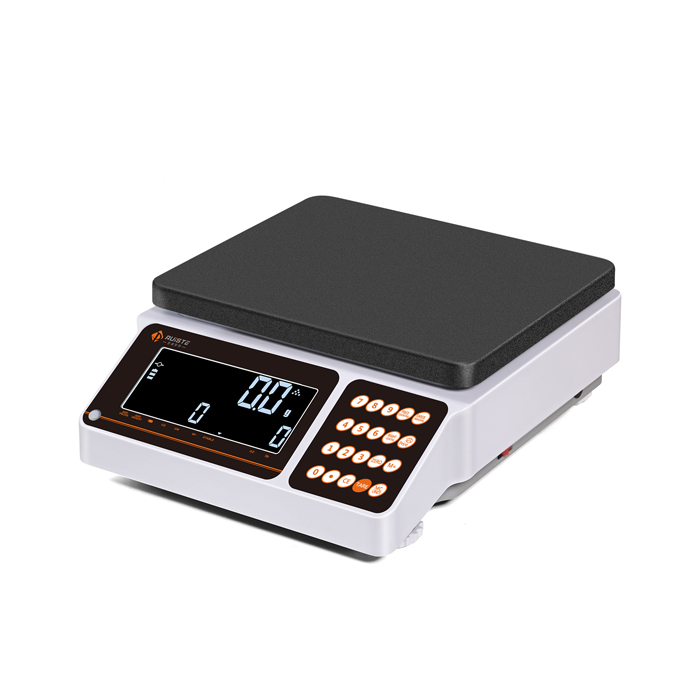
Auto-calibrating Laboratory Balance
Laboratory weighing operations form the foundational backbone of quantitative analysis across scientific research, industrial testing, pharmaceutical development, and environmental monitoring. In all these fields, the reliability of mass measurement directly determines the validity of experimental data, the consistency of production batches, and the accuracy of final analytical conclusions. Among various laboratory weighing instruments, the auto-calibrating laboratory balance has emerged as a vital tool that addresses the inherent instability of traditional manual calibration equipment. It integrates intelligent sensing systems, precise mechanical structures, and digital algorithm adjustment mechanisms to realize autonomous calibration, effectively reducing measurement errors caused by environmental fluctuations and human operational deviations. This instrument is designed to maintain stable and consistent weighing performance over long-term use, making it highly adaptable to the rigorous and continuous working requirements of modern laboratories.
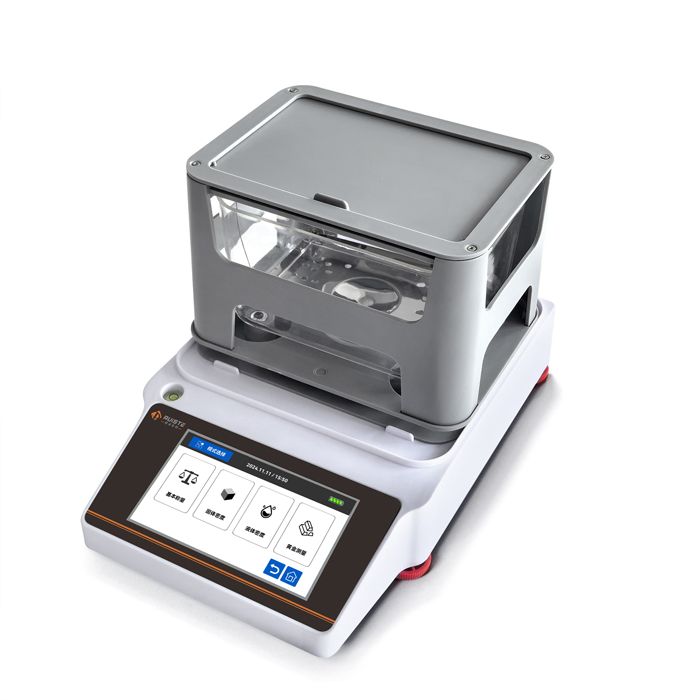
The core working principle of the auto-calibrating laboratory balance is built on electromagnetic force restoration technology, a mature and reliable sensing mechanism widely adopted in high-precision weighing equipment. When a substance is placed on the weighing pan, the gravitational force generated by the sample mass triggers a slight displacement of the balance’s internal sensing component. The built-in position detector captures this subtle positional change in real time and transmits electrical signals to the internal microprocessor. The system then adjusts the current intensity of the electromagnetic coil dynamically, generating a reverse electromagnetic force to counteract the gravitational force of the sample and restore the weighing system to a balanced state. Since the current required to maintain electromagnetic equilibrium maintains a stable proportional relationship with the sample mass, the microprocessor can convert the collected current data into intuitive mass readings through digital conversion algorithms, completing a single accurate weighing process.
What distinguishes auto-calibrating laboratory balances from conventional manual calibration balances is their independent internal calibration system, which eliminates the need for external standard weights and manual intervention during calibration. The entire calibration module consists of precision internal standard weights, a mini motor-driven mechanical transmission structure, environmental monitoring sensors, and a digital correction algorithm program. All components are compactly integrated inside the balance housing, forming a closed and stable calibration unit that operates independently of external operating conditions. The internal standard weights are crafted from high-stability metal materials with low thermal expansion coefficients, ensuring that their mass value remains stable under normal laboratory environmental changes and providing a reliable reference benchmark for automatic calibration operations.
The trigger conditions for automatic calibration are diversified and intelligently set to adapt to complex laboratory working environments. The most common trigger signal comes from built-in temperature sensors that continuously monitor the internal operating temperature of the balance. Temperature variation is one of the primary factors causing weighing drift, as subtle thermal expansion and contraction of internal mechanical structures and electromagnetic components will slightly change the force balance state. When the sensor detects a temperature deviation of 1 to 2 degrees Celsius from the temperature baseline recorded during the last calibration, the system will automatically initiate a full calibration cycle. In addition to temperature-triggered calibration, the balance also supports timing-based automatic calibration, which activates the calibration process after a preset operating duration to eliminate cumulative errors generated by long-term continuous operation. Most models also retain a manual trigger function, allowing laboratory operators to start calibration voluntarily before key experimental tests to further guarantee data accuracy.
The entire automatic calibration process is completed efficiently and autonomously without disrupting normal laboratory workflows. Once the calibration program is activated, the internal motor drives the mechanical transmission structure to stably place the built-in standard weight on the weighing sensing area. The balance then conducts multiple repeated weighing measurements of the standard weight to collect stable measurement data. The system compares the measured mass value with the preset standard mass parameter, calculates the deviation coefficient between the actual measurement and the theoretical value, and adjusts the internal sensitivity coefficient and weighing parameters through digital algorithms to offset the detected errors. After parameter correction, the mechanical structure retracts the standard weight back to its storage position, and the system performs a self-check to confirm that the weighing accuracy has returned to the normal range, marking the completion of the entire calibration process. The whole cycle usually finishes within sixty seconds, featuring fast response and high efficiency, which avoids the time-consuming and error-prone problems of traditional manual calibration.
Environmental adaptability is a prominent advantage of auto-calibrating laboratory balances. Laboratory environments are often affected by fluctuating temperature, humidity changes, slight air convection, and ground vibration, all of which can interfere with high-precision weighing results. Traditional balances rely on regular manual calibration to compensate for environmental errors, but the intermittent calibration mode cannot track real-time environmental changes, leading to potential data drift during long experimental intervals. In contrast, the real-time monitoring and active calibration mechanism of auto-calibrating balances can dynamically compensate for environmental interference. When humidity fluctuations cause subtle changes in component surface properties or slight equipment vibration leads to unstable sensing signals, the cumulative tiny deviations will trigger the calibration mechanism to fine-tune parameters, ensuring that the weighing system always maintains optimal working accuracy.
In practical laboratory applications, the value of auto-calibrating laboratory balances is reflected in improved experimental efficiency and enhanced data reproducibility. In analytical chemistry experiments, precise mass measurement of trace reagents, standard samples, and precipitates is crucial for calculating reaction yields, establishing standard curves, and verifying experimental formulas. Slight weighing errors may lead to deviations in final experimental results, affecting the repeatability and credibility of experimental data. The automatic calibration function eliminates human operational errors introduced during manual weight placement and calibration parameter adjustment, standardizing the weighing process and making experimental data more consistent across different time periods and operating personnel. For long-term continuous experimental projects, such as material stability testing and drug component analysis, the regular automatic calibration mechanism effectively suppresses equipment performance drift caused by prolonged operation, ensuring the continuity and comparability of batch experimental data.
In pharmaceutical and biological laboratories, auto-calibrating laboratory balances play an indispensable role in raw material inspection, sample preparation, and finished product testing. Pharmaceutical ingredient proportioning requires strict control of material mass ratios to ensure the safety and efficacy of prepared products. Biological experiments, including microbial culture medium preparation and biological sample quantification, also demand high-precision weighing to maintain the stability of experimental conditions. The autonomous calibration function of the balance ensures that each weighing operation is based on accurate benchmark parameters, avoiding product quality problems or experimental failure caused by inaccurate weighing. Meanwhile, the unattended automatic calibration feature reduces the professional skill requirements for operators, lowering the threshold for standardized laboratory operations and reducing human-induced operational risks.
Industrial quality inspection and material research scenarios also benefit greatly from the application of auto-calibrating laboratory balances. In new material development, researchers need to accurately weigh raw material powders, additives, and modified components to explore the correlation between material ratio and material properties. In industrial batch testing, random sampling and quality inspection of finished products require stable and accurate weighing data to judge product qualification. The long-term stability of auto-calibrating balances reduces the frequency of manual calibration checks, effectively improving the efficiency of batch detection work. Even in frequently switched working environments, such as laboratory equipment mobility and cross-regional sample testing, the automatic calibration mechanism can quickly adapt to new environmental conditions and complete parameter self-adjustment, maintaining consistent weighing performance.
To maintain the long-term stable performance of auto-calibrating laboratory balances, standardized daily maintenance and scientific operating habits are essential. Although the equipment has an intelligent self-calibration function, it still requires a stable placement environment to reduce external interference. The balance should be placed on a stable horizontal workbench away from direct sunlight, air condition vents, and vibration sources, to avoid continuous external disturbance that may affect sensing accuracy. Regular cleaning of the weighing pan and internal windproof cavity is also necessary to remove accumulated dust, residual sample particles, and other contaminants, as foreign objects on the weighing surface will directly affect measurement results and may interfere with the normal operation of the internal calibration mechanical structure.
Operators should follow standardized operating procedures during use. Overloading the weighing pan beyond the equipment’s rated load should be avoided, as excessive load will not only cause permanent damage to the internal sensing components but also affect the calibration benchmark accuracy. Before formal weighing, it is recommended to preheat the equipment for a certain period to stabilize the internal electromagnetic system and circuit state, allowing the automatic calibration system to work within the optimal temperature range. For experiments with high accuracy requirements, manual triggering of a calibration cycle after equipment preheating can further eliminate minor errors caused by equipment standby and environmental changes.
It is also important to conduct regular functional inspections of the automatic calibration system. Although the equipment can complete autonomous calibration, periodic verification of the calibration effect with auxiliary testing methods helps ensure the normal operation of internal mechanical transmission and sensing components. If abnormal phenomena such as slow calibration response, frequent repeated calibration, or unstable weighing data are observed, the equipment should be suspended from use for inspection and maintenance to avoid continuous generation of inaccurate data. Reasonable equipment maintenance can effectively extend the service life of the auto-calibrating balance and maintain its long-term high-precision working state.
Compared with traditional manually calibrated laboratory balances, the auto-calibrating type shows obvious comprehensive advantages in operational convenience, data stability, and environmental adaptability. Manual calibration relies entirely on human operation, which is not only time-consuming and labor-intensive but also easily affected by human factors such as operating proficiency and visual judgment, leading to inconsistent calibration effects. The intelligent automatic calibration system realizes standardized, programmed, and normalized calibration operations, eliminating individual differences in manual operation. Moreover, the real-time environmental monitoring and dynamic error compensation capabilities enable the equipment to adapt to the subtle and continuous changes of laboratory environments, which cannot be achieved by periodic manual calibration modes.
With the continuous development of laboratory technology and the gradual improvement of experimental standardization requirements, the demand for high-stability and intelligent weighing equipment in various research and production fields is constantly increasing. Auto-calibrating laboratory balances, as intelligent precision measuring instruments that integrate sensing technology, microprocessor control technology, and mechanical transmission technology, can well meet the development needs of modern laboratories. They not only simplify daily weighing operations and reduce laboratory management costs but also provide more reliable data support for scientific research innovation, industrial quality control, and standardized experimental production.
In future laboratory application scenarios, the technical performance of auto-calibrating laboratory balances will continue to be optimized, with more sensitive environmental monitoring sensors, more efficient calibration algorithms, and more stable mechanical structures being applied. These upgrades will further enhance the equipment’s anti-interference ability and measurement stability, adapt to more complex experimental environments and higher-precision testing requirements, and become an essential basic equipment for more professional laboratories. While maintaining the core advantages of automatic calibration, the equipment will also develop in the direction of intelligent data management and multi-scenario adaptation, providing more comprehensive and accurate technical support for the development of various scientific research and industrial fields.
Auto-calibrating Laboratory Balance
https://www.pruiste.com/laboratory-balance.html
Post Date: May 22, 2026
https://www.supplier-manufacturer.com/laboratory-balance/auto-calibrating-laboratory-balance.html

![Counting Balance RSB-C SERIES]()
Counting Balance RSB-C SERIES
The RSB-C series adopts high-definition keys, which is economical. The entire series of balances adopt Nuosheng sensors, brand sensors, and aluminum alloy structure to ens…![Digital Viscometer Price]()
Digital Viscometer Price
Digital viscometers have become indispensable precision testing instruments across modern industrial production, laboratory research and development, and quality inspectio…![Working Principle of Digital Viscometer]()
Working Principle of Digital Viscometer
Viscosity is an inherent physical property of fluid substances, which characterizes the internal friction and flow resistance generated when a fluid undergoes relative mot…![High-temperature Digital Viscometer]()
High-temperature Digital Viscometer
Viscosity stands as one of the most fundamental physical properties of fluid substances, reflecting the internal friction and flow resistance generated during the movement…![Rapid Moisture Analyzer]()
Rapid Moisture Analyzer
Moisture content stands as one of the most critical physical indicators that determine the quality, stability, and practical performance of various raw materials and finis…