Custom Laboratory Balance
In modern scientific research, industrial testing, pharmaceutical development, and environmental analysis, accurate mass measurement stands as one of the most fundamental and indispensable experimental links. Standard laboratory weighing equipment often follows fixed structural designs and parameter settings, which may fail to adapt to the unique and differentiated testing requirements of specialized experimental scenarios. Custom laboratory balances emerge as a tailored weighing solution, designed to match the specific operational environments, sample characteristics, experimental processes, and data acquisition needs of various laboratories. Unlike conventional universal weighing devices, these customized instruments undergo targeted optimization and structural adjustment in core sensing systems, mechanical layouts, functional configurations, and auxiliary components, delivering stable, reliable, and scenario-matched weighing performance for complex and specialized experimental work.
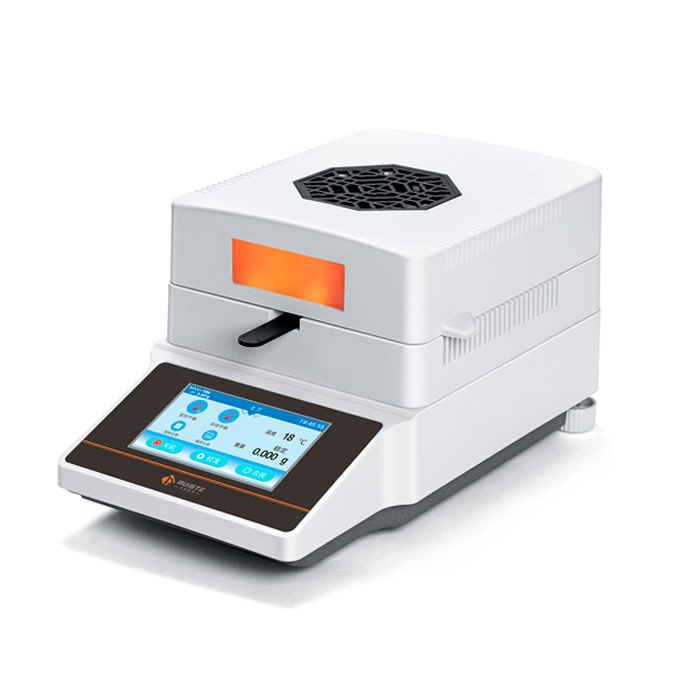
The operational logic of custom laboratory balances is rooted in mature physical sensing principles, with most modern customized models adopting electromagnetic force compensation technology and strain gauge sensing mechanisms, two mainstream technical routes that support high-precision and high-stability mass detection. The electromagnetic force compensation system serves as the core of high-precision customized weighing equipment. When a sample is placed on the weighing pan, the gravitational force of the sample triggers slight displacement of the internal mechanical structure and sensing coil. The built-in position detection module captures this tiny structural change in real time and transmits the signal to the microprocessor control unit. The system then dynamically adjusts the current intensity of the electromagnetic coil to generate a reverse electromagnetic force that counteracts the sample’s gravitational pull, restoring the weighing structure to its initial balanced position. The current value required to maintain this balanced state presents a stable linear correspondence with the sample’s mass. After being amplified, converted, and calculated by the internal circuit system, the current signal is finally transformed into intuitive mass data and presented through the display module. For customized balances configured for medium and large load weighing scenarios, strain gauge load cell structures are commonly adopted. When bearing load, the metal elastic structure of the load cell produces micro deformation, driving the strain gauge attached to the structure to change its resistance value. The circuit system converts this resistance change into a measurable electrical signal, which is processed and calibrated to complete mass measurement. The flexible selection and personalized combination of these two core sensing technologies constitute the technical foundation of custom laboratory balances, allowing them to break through the parameter limitations of standard weighing equipment.
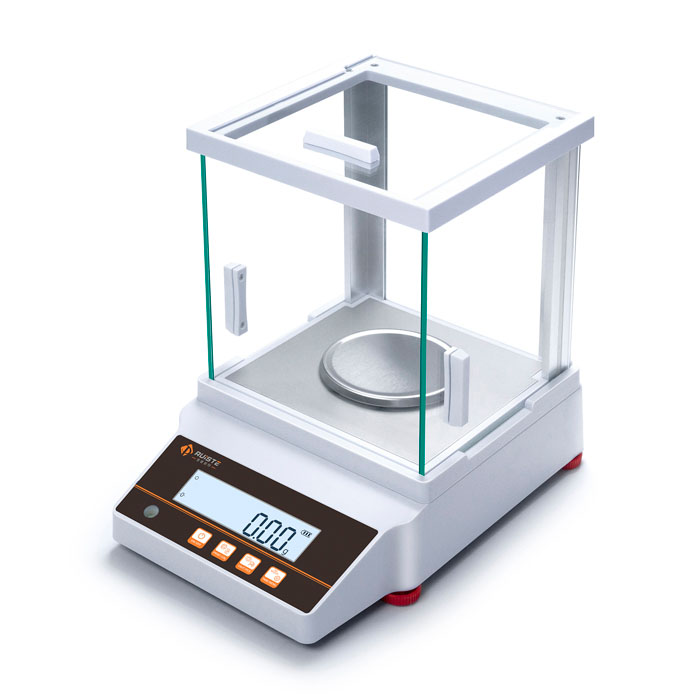
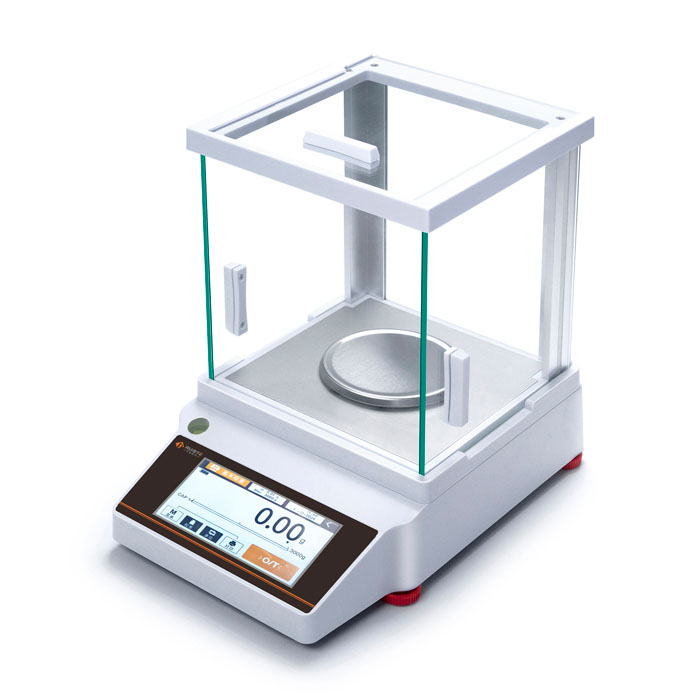
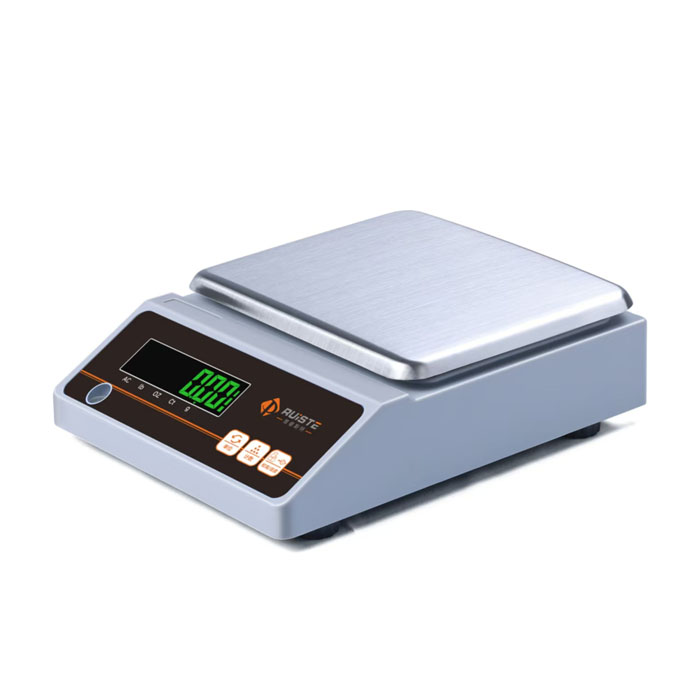
The customization of laboratory balances covers multiple dimensions including structural design, functional expansion, environmental adaptation, and data interaction, forming a highly inclusive and targeted equipment system. In terms of structural customization, laboratories can adjust the size, shape, and bearing range of the weighing pan according to sample characteristics. For conventional powdery, granular, and liquid samples used in chemical and biological experiments, flat and corrosion-resistant weighing pans with moderate sizes are configured; for oversized experimental components, irregular structural parts, or large-capacity sample containers, customized oversized or special-shaped weighing platforms are adopted to ensure stable placement of samples and avoid measurement errors caused by unbalanced stress. In addition, the height and spacing of the instrument’s support feet, the thickness of the base, and the structural stability of the shell can be optimized based on laboratory operating tables and placement environments. For experimental rooms with frequent personnel movement and slight vibration, the base structure can be thickened and shock-absorbing auxiliary structures added to reduce the interference of external vibration on weighing accuracy. For ultra-clean laboratory environments such as microbial laboratories and pharmaceutical purification workshops, the shell and internal contact parts can be customized with dust-proof, anti-static, and corrosion-resistant materials to adapt to high-standard clean working conditions and prevent sample contamination and equipment aging.
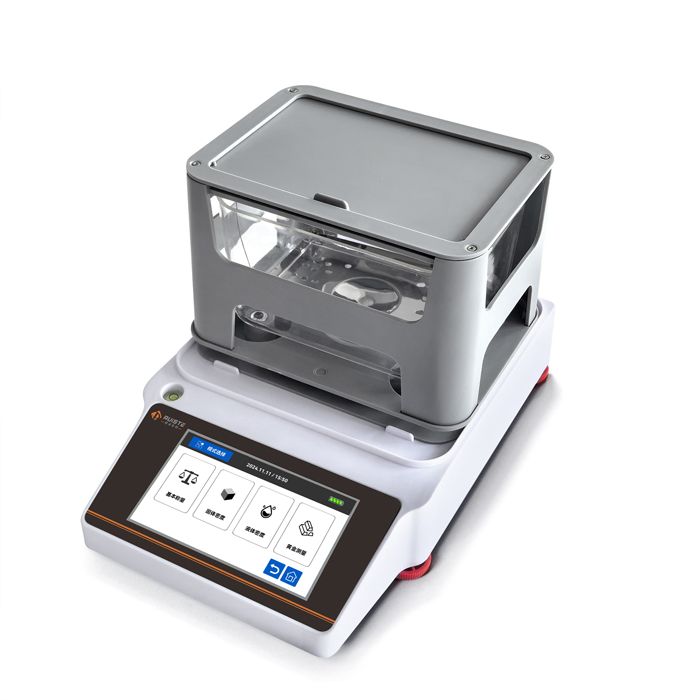
Functional customization is the core advantage that differentiates custom laboratory balances from standard weighing equipment, fully meeting the personalized needs of diverse experimental processes. Basic universal weighing devices only support conventional mass measurement, while customized models can expand multiple targeted functional modules according to experimental requirements. In routine chemical quantitative analysis experiments, functions such as percentage weighing, density measurement, and dynamic weighing can be added. Percentage weighing helps researchers quickly calculate the mass proportion of different components in mixed samples, simplifying the proportioning operation of experimental reagents; density measurement functions can complete solid and liquid density detection by matching customized auxiliary measuring accessories, realizing multi-purpose use of one instrument. For biochemical and pharmaceutical experimental scenarios involving volatile samples, hygroscopic samples, and easily oxidized samples, custom balances can be equipped with customized closed windshields and constant temperature and humidity protection structures. The fully enclosed windshield structure isolates the interference of air flow and dust on tiny mass measurement, while the constant temperature and humidity module slows down the physical and chemical changes of special samples during weighing, ensuring the authenticity and accuracy of experimental data. For industrial batch detection and continuous experimental monitoring scenarios, the equipment can be customized with automatic data recording, timing weighing, and multi-group data storage functions, replacing manual recording, reducing human operation errors, and improving the continuity and efficiency of experimental data accumulation.
Environmental adaptability customization further expands the application boundary of custom laboratory balances, enabling precision weighing work to be carried out stably in non-standard laboratory environments. Standard weighing instruments have strict requirements on ambient temperature, humidity, and air pressure, and their measurement accuracy is prone to drift in extreme or fluctuating environments. Custom laboratory balances can undergo targeted circuit optimization and parameter calibration for specific environmental conditions. For low-temperature experimental environments such as cryogenic material testing and refrigerated sample detection, the internal circuit and sensing components can be optimized for low-temperature resistance to avoid signal distortion caused by low-temperature component performance attenuation; for high-temperature and high-humidity environments such as traditional Chinese medicine processing and food fermentation testing, moisture-proof and high-temperature resistant structural optimization is carried out to prevent circuit dampness and structural deformation. In addition, for field sampling and outdoor detection scenarios that cannot provide stable laboratory conditions, customized portable anti-interference structures and built-in power supply modules can be configured, enabling the equipment to resist the interference of outdoor light, wind speed, and voltage fluctuation, and stably complete on-site weighing detection of environmental samples, agricultural samples, and industrial raw materials.
Data interaction and intelligent expansion customization enable custom laboratory balances to fit the intelligent construction needs of modern laboratories. With the continuous upgrading of experimental informatization, the independent data display mode of traditional balances can no longer meet the needs of laboratory data unified management and remote monitoring. Customized models can be equipped with diversified data transmission interfaces to realize real-time connection with computers, experimental management systems, and intelligent terminal equipment. Experimental personnel can synchronize weighing data to the terminal system in real time, realizing automatic sorting, statistical analysis, and cloud storage of data, which is convenient for subsequent experimental result review, data traceability, and experimental report compilation. Some customized balance systems can also support multi-terminal data sharing and permission management, adapting to the collaborative operation mode of multi-person and multi-group scientific research projects. Meanwhile, customized intelligent calibration functions can be added to the equipment. Through programmed automatic calibration logic, the equipment can complete regular zero-point calibration and parameter correction independently after long-term operation, reducing the frequency of manual calibration and maintaining long-term measurement stability.
Custom laboratory balances have extensive application value in multiple professional fields, providing core basic support for refined experimental research and standardized detection work. In chemical analysis laboratories, customized high-precision balances are used for accurate weighing of trace reagents, standard samples, and experimental precipitates, ensuring the accuracy of chemical reaction proportioning and quantitative analysis results, which is crucial for the repeatability and reliability of chemical experiments. In pharmaceutical research and production links, customized dust-free and anti-corrosion weighing equipment is applied to the weighing of pharmaceutical raw materials, intermediate products, and finished drug samples, meeting the strict purity and accuracy requirements of pharmaceutical experiments and ensuring the stability of drug component proportion. In environmental monitoring fields, portable custom balances are used for on-site weighing of soil samples, water body sediments, and atmospheric particulate matter samples, providing accurate basic data for environmental quality assessment and pollution analysis.
In material science research, custom balances with special structural configurations are suitable for weighing new functional materials, micro-nano samples, and high-precision structural parts. The equipment can be optimized for ultra-small sample weighing and low-interference detection, meeting the high-precision measurement needs of material microscopic research and performance testing. In food testing and agricultural research, customized anti-rust and moisture-proof balances adapt to the detection environment of agricultural and food samples with high humidity and complex components, completing accurate weighing of food ingredients, crop samples, and experimental fertilizers, and supporting food safety detection and agricultural product quality research. In industrial precision manufacturing and quality inspection links, customized large-load and high-stability balances are used for sampling inspection of precision parts, raw material proportioning detection, and product quality screening, helping enterprises optimize production processes and maintain consistent product quality standards.
Daily maintenance and standardized operation are key to maintaining the long-term performance stability of custom laboratory balances. Although customized equipment is optimized for specific scenarios and has stronger environmental adaptability than standard equipment, precision weighing instruments still require scientific maintenance to avoid performance attenuation. During daily placement, the equipment should be placed on a stable horizontal operating platform, avoiding long-term exposure to direct sunlight, strong air flow, and corrosive gas environments to prevent structural aging and circuit signal interference. Before formal use, it is necessary to check the cleanliness of the weighing pan and internal cavity, clean residual sample dust and dirt in time, and avoid residual substances affecting the accuracy of subsequent weighing results. For customized equipment with special protective structures such as windshields and constant temperature modules, the tightness of the protective structure and the normal operation of auxiliary modules should be checked regularly to ensure that the customized functional advantages are fully exerted.
In terms of operation, standardized weighing steps should be followed. Preheating the equipment according to the running time required by the system ensures that the internal circuit and sensing system reach a stable working state before measurement. For samples with special properties such as volatility and hygroscopicity, weighing operations should be completed quickly in a closed protective structure to reduce experimental errors caused by sample property changes. After long-term use, the equipment should be regularly calibrated according to the experimental precision requirements. For customized multi-functional balances with data recording and storage functions, regular sorting and backup of experimental data can avoid data loss and facilitate long-term experimental data accumulation and trend analysis. In addition, regular inspection of the equipment’s circuit connection, structural firmness, and sensing component status can timely eliminate potential hidden troubles such as loose structure and signal delay, ensuring the continuous and stable operation of the equipment.
With the continuous development of scientific research technology and the continuous refinement of industrial detection standards, the market demand for customized laboratory weighing equipment is showing a trend of diversification and high refinement. Traditional standard weighing equipment can no longer fully adapt to the personalized and complex experimental detection needs of emerging scientific research fields. Custom laboratory balances, with their flexible customization capabilities in structure, function, environment adaptation, and intelligent interaction, can accurately match the differentiated needs of various laboratories, providing more targeted and reliable technical support for precision experimental research and standardized detection work. In the future, with the continuous innovation of sensing technology and intelligent control technology, custom laboratory balances will develop towards higher refinement, stronger environmental adaptability, and more intelligent data management, continuously empowering the high-quality development of scientific research, industrial detection, pharmaceutical health, environmental protection, and other fields.
Custom Laboratory Balance
https://www.pruiste.com/laboratory-balance.html
Post Date: May 22, 2026
https://www.supplier-manufacturer.com/laboratory-balance/custom-laboratory-balance.html

![Moisture Balance Analyzer]()
Moisture Balance Analyzer
Moisture content stands as one of the most critical physical indicators for a wide range of raw materials, semi-finished products, and finished goods across industrial pro…![Laboratory Balance Wholesale]()
Laboratory Balance Wholesale
Laboratory balances stand as foundational precision instruments across scientific research, industrial production, quality inspection and educational experimentation field…![Laboratory Balance For Sale]()
Laboratory Balance For Sale
In every scientific laboratory, industrial testing facility, and research institution, precise mass measurement stands as one of the most fundamental and indispensable ope…![Ultra-micro Analytical Balance]()
Ultra-micro Analytical Balance
In the sophisticated ecosystem of modern experimental science, precise mass measurement serves as an indispensable foundation for data acquisition and experimental deducti…![Analytical Balance Manufacturer]()
Analytical Balance Manufacturer
Analytical balances stand as indispensable measuring instruments in modern scientific research, industrial production, and quality inspection sectors, capable of capturing…