Types of Laboratory Balance
Laboratory balances are fundamental measuring instruments used across scientific research, industrial testing, pharmaceutical development, environmental analysis, and educational laboratory settings. Designed to determine the mass of solid, liquid, and even powdered samples with varying degrees of accuracy, these devices form the backbone of quantitative experimental work. Consistent and reliable mass measurements ensure experimental reproducibility, standardized testing results, and accurate formulation of chemical mixtures, making the selection of an appropriate balance type critical for laboratory operations. Different laboratory balances are engineered with distinct structural designs, sensitivity levels, load capacities, and functional features to adapt to diverse testing requirements, ranging from routine bulk sample weighing to ultra-precise micro-sample analysis. Understanding the core characteristics, working principles, and applicable scenarios of each balance type helps laboratory personnel optimize experimental workflows and reduce measurement errors caused by mismatched instrument selection.
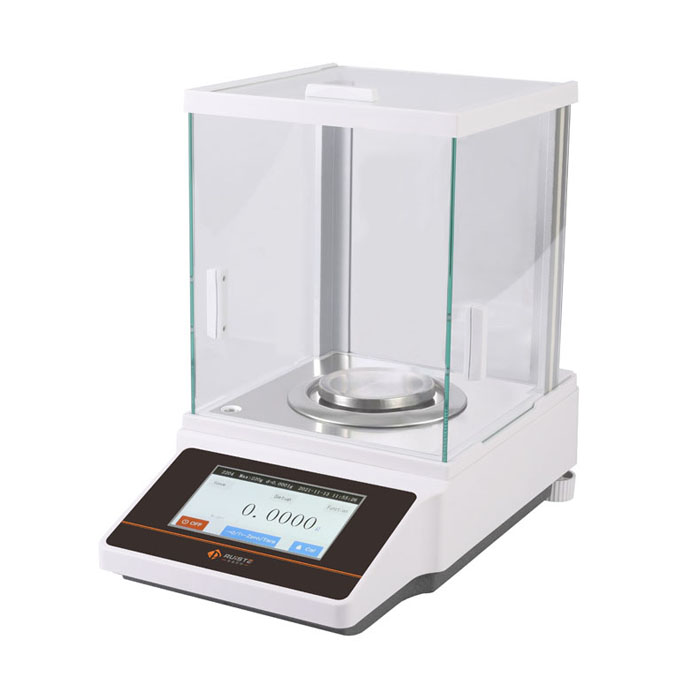
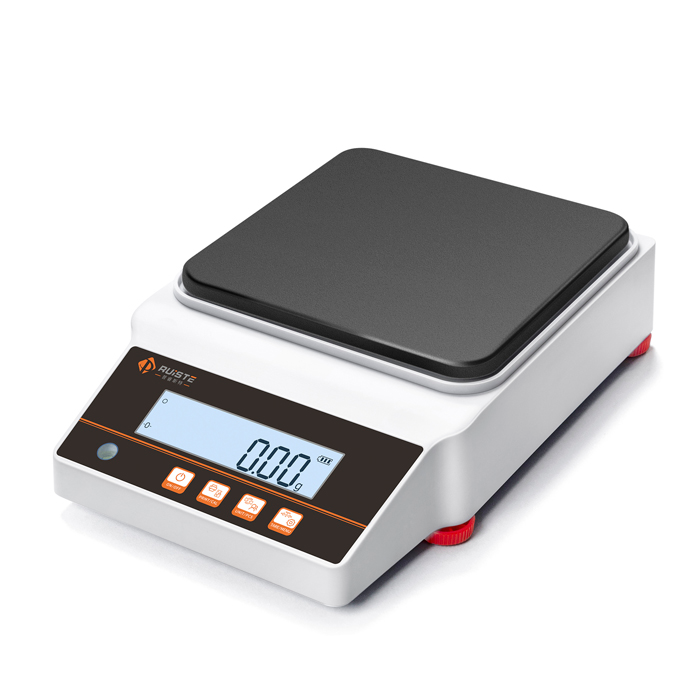
Precision balances, also commonly referred to as top-loading balances, are among the most widely used general-purpose weighing instruments in modern laboratories. These devices strike a practical balance between load capacity and measurement sensitivity, filling the gap between basic industrial weighing scales and high-end analytical balances. Structurally, precision balances feature an open weighing pan without the enclosed glass shielding required for ultra-sensitive measurements, which simplifies sample placement, cleaning, and daily operation. Their internal sensing mechanisms rely on electromagnetic force compensation technology, which delivers stable and consistent measurement output with minimal mechanical friction interference. In terms of performance parameters, precision balances typically offer readability ranging from one milligram to one hundred milligrams, paired with moderate to large load capacities that support weighing most conventional laboratory samples.
The versatile performance of precision balances makes them suitable for a broad spectrum of routine laboratory tasks. They are frequently applied in preparing standard chemical solutions, weighing bulk raw materials for synthetic experiments, measuring sample masses for preliminary experimental screening, and conducting general quality control tests in industrial laboratories. Educational institutions also rely heavily on precision balances for basic chemistry and biology experiments, as their straightforward operation and stable performance accommodate teaching and student practice needs. Although precision balances cannot achieve the ultra-fine resolution of analytical-grade instruments, their resistance to minor environmental disturbances, such as gentle air flow and slight temperature fluctuations, makes them highly adaptable for daily laboratory use. Regular calibration and horizontal level adjustment can further maintain their long-term measurement stability, extending their service life in high-frequency working environments.
Analytical balances represent a higher tier of precision laboratory weighing instruments, specifically developed for quantitative analytical experiments that demand rigorous measurement accuracy. Unlike precision balances, analytical balances are equipped with fully enclosed glass draft shields, consisting of fixed and movable glass panels that isolate the weighing chamber from external air currents, dust accumulation, and subtle temperature variations. This enclosed structure is essential because the ultra-sensitive internal sensors of analytical balances are easily affected by tiny environmental changes, which could lead to data deviation. Most analytical balances provide readability up to 0.0001 grams, enabling accurate measurement of trace sample masses that cannot be detected by conventional precision balances. Their load capacity is relatively limited compared with top-loading precision models, as the structural design prioritizes sensitivity and measurement stability over maximum bearing weight.
These balances are indispensable in quantitative chemical analysis, pharmaceutical ingredient testing, forensic sample examination, and environmental trace substance detection. Common applications include weighing trace reagents for titration experiments, preparing high-precision standard solutions for chromatographic analysis, and measuring small sample fractions for residual component testing. To ensure accurate readings, analytical balances require strict environmental control and standardized operating procedures. Laboratory spaces housing these instruments need stable room temperature, low humidity, and minimal vibration interference. Operators are required to place samples gently on the central area of the weighing pan, avoid direct hand contact with samples and weighing surfaces, and wait for data stabilization before recording results. Regular professional calibration is also necessary to eliminate cumulative errors generated by long-term use and environmental erosion.
Semi-micro balances serve as a transitional precision instrument between standard analytical balances and ultra-high-sensitivity microbalances, offering enhanced resolution for semi-trace analytical work. The readability of semi-micro balances typically reaches 0.00001 grams, making them capable of capturing subtle mass changes in micro-scale samples while retaining a slightly larger load capacity than professional microbalances. Similar to analytical balances, semi-micro models adopt fully enclosed anti-draft structures to block external interference, and their internal sensor systems are optimized for stable detection of tiny mass variations. This balance type is designed to meet the intermediate precision requirements that exceed the capability of ordinary analytical balances but do not demand the extreme sensitivity of micro and ultra-micro devices.
In practical laboratory applications, semi-micro balances are widely used in fine chemical analysis, pharmaceutical purity testing, and material micro-component research. They are ideal for weighing trace catalyst dosages in chemical synthesis, measuring tiny sample residues after purification experiments, and calibrating small-volume standard substances for precision testing. Compared with microbalances, semi-micro balances have lower environmental requirements and more convenient operation processes, allowing them to balance precision and practicality in medium-level ultra-precision measurement scenarios. Laboratories engaged in routine fine analysis and semi-trace testing often prioritize semi-micro balances as core weighing equipment to improve experimental accuracy without excessive investment in ultra-professional environmental transformation.
Microbalances and ultra-micro balances are the most sensitive laboratory weighing instruments, dedicated to ultra-trace mass measurement for cutting-edge scientific research. These instruments deliver exceptional readability, capable of detecting masses at the microgram and nanogram levels, enabling precise quantification of extremely tiny samples that are invisible to conventional laboratory balances. Their structural design is highly specialized, featuring ultra-sensitive electromagnetic sensing components, fully sealed anti-interference chambers, and vibration-damping base structures to counteract even the slightest external disturbances. Unlike ordinary balances, microbalances and ultra-micro balances require extremely strict working conditions, including constant temperature and humidity environments, vibration-isolated experimental platforms, and dust-free air circulation systems.
The application scope of microbalances focuses on high-precision scientific research fields, including nanomaterial research, biomolecular analysis, pharmaceutical trace impurity detection, and aerospace component testing. In nanotechnology research, these instruments measure the mass of ultra-thin film materials and micro-nano particle samples; in biomedical laboratories, they assist in quantifying trace biological reagents and micro-tissue samples; in pharmaceutical research, they support the detection of trace harmful impurities in drug raw materials. Operation of micro and ultra-micro balances requires professional training, as minor operational irregularities, such as slight breathing airflow or subtle table vibration, can affect measurement results. Strict daily maintenance, regular precision verification, and standardized sample handling procedures are essential to ensure the reliability of ultra-trace measurement data.
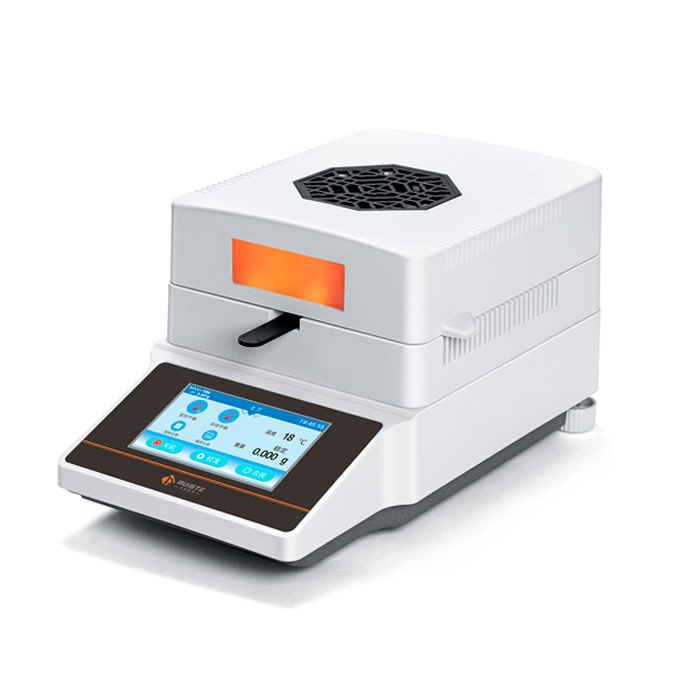
Moisture determination balances are specialized functional laboratory balances that integrate weighing and drying functions, designed specifically for measuring the moisture content of various solid and powdered samples. Different from conventional balances that only measure static sample mass, moisture balances are equipped with built-in heating modules that apply continuous and uniform heat to samples during the weighing process, evaporating internal moisture in materials. The instrument automatically records mass changes throughout the drying process and calculates the sample moisture content through built-in algorithms, realizing one-step completion of weighing, drying, and data analysis. This integrated design eliminates the need for manual drying and repeated weighing operations required by traditional moisture detection methods, significantly improving experimental efficiency.
Moisture balances are widely applied in food safety testing, agricultural product analysis, chemical material detection, and industrial raw material quality inspection. Food laboratories use them to test moisture content in grain, baked goods, and snack products to evaluate product shelf life and quality stability; agricultural research institutions detect moisture in seeds, soil samples, and crop materials to guide agricultural production and storage; chemical and manufacturing industries apply these balances to test moisture in powdered raw materials, plastic particles, and mineral samples, as excessive moisture often affects material performance and product quality. The heating temperature of moisture balances is adjustable to adapt to the thermal stability of different samples, preventing sample decomposition or deterioration during drying and ensuring accurate moisture detection results.
Mechanical laboratory balances are traditional weighing instruments that rely on physical lever balance principles and standard reference weights to complete mass measurement. Unlike electronic balances that use electromagnetic sensing technology, mechanical balances feature pure mechanical structures, including precision levers, balancing pans, and calibrated weight sets. The measurement process involves placing the tested sample on one pan and adding standard weights to the other pan while adjusting fine-tuning knobs until the lever reaches a horizontal balanced state, with the sample mass calculated based on the total weight of standard weights and fine-tuning scales. Although electronic balances dominate modern laboratory environments, mechanical balances still retain unique application value in basic teaching and field testing scenarios.
The advantages of mechanical balances lie in their stable physical structure, no reliance on power supply, and strong anti-interference ability against electromagnetic and environmental signal disturbances. They are commonly used in middle and university laboratory teaching to help learners understand the basic physical principles of mass weighing and lever balance. In field testing environments with unstable power supply or complex electromagnetic interference, mechanical balances can complete basic weighing tasks reliably. With no electronic components, these balances have low failure rates and simple maintenance requirements, with long service life under proper storage and use conditions. Their limitation lies in relatively low measurement efficiency and resolution, making them unsuitable for high-precision and high-frequency quantitative analysis work in professional research laboratories.
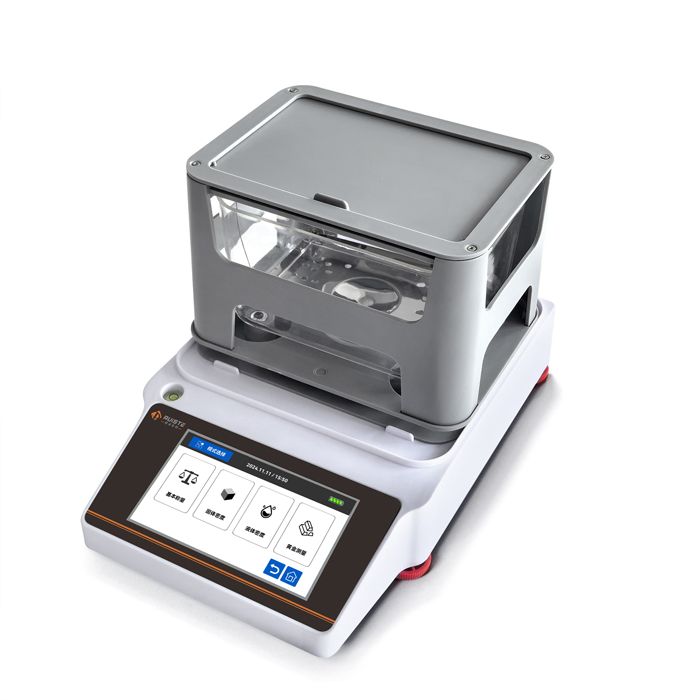
High-capacity laboratory balances are specialized instruments designed for weighing large-mass laboratory samples, breaking the capacity limitations of conventional analytical and precision balances. These balances prioritize load-bearing performance while retaining basic laboratory measurement accuracy, adapting to the weighing needs of bulk experimental materials, large industrial samples, and laboratory equipment accessories. Structurally, high-capacity balances adopt reinforced bearing structures and enlarged weighing pans, with optimized sensor systems to ensure stable and uniform force bearing during the weighing of heavy samples, avoiding data deviation caused by unbalanced stress. Their readability is lower than analytical balances but fully meets the accuracy requirements for bulk sample weighing in industrial laboratories and material research.
Typical applications of high-capacity laboratory balances include weighing large-batch chemical raw materials, measuring the mass of mechanical test parts, calculating the density of large-volume solid samples, and conducting bulk material sampling tests in environmental monitoring. Material science laboratories often use these balances to weigh experimental molds and large composite materials, while industrial quality control departments apply them for batch sampling and weighing of production raw materials. The sturdy structural design of high-capacity balances enables them to withstand long-term heavy-load operation, and their simple operation mode improves the efficiency of large-sample weighing work. Daily maintenance mainly includes keeping the weighing pan clean and ensuring stable placement to avoid structural tilt affecting measurement accuracy.
The diversity of laboratory balance types reflects the refined development of laboratory weighing technology, with each category of instruments tailored to specific experimental and testing scenarios. When selecting a laboratory balance, personnel need to comprehensively consider key factors including sample mass range, required measurement precision, experimental environment conditions, and testing purposes. Routine bulk weighing and basic experimental preparation are suitable for high-capacity and precision balances; trace quantitative analysis and fine chemical testing require analytical or semi-micro balances; ultra-precision scientific research relies on micro and ultra-micro balances; moisture content detection needs dedicated moisture determination balances; and basic teaching and special field testing can adopt traditional mechanical balances. Reasonable instrument matching not only improves experimental data accuracy and repeatability but also optimizes laboratory resource utilization and reduces unnecessary equipment waste.
In addition to type selection, standardized operation and scientific maintenance are crucial to maintaining the long-term performance of all laboratory balances. All weighing instruments need regular horizontal calibration, surface cleaning, and precision verification to eliminate errors caused by environmental factors and mechanical wear. High-precision balances require more refined maintenance management, including constant temperature and humidity storage, regular professional calibration, and avoidance of overload and improper sample placement. With continuous advancement of laboratory technology, modern balances are gradually integrating intelligent functions such as automatic data recording, temperature compensation, and error prompt, further improving the convenience and stability of laboratory weighing work. Mastering the characteristics and application scope of different laboratory balances remains a core skill for laboratory practitioners, supporting the smooth progress of various scientific research and testing tasks.
Types of Laboratory Balance
https://www.pruiste.com/laboratory-balance.html
Post Date: May 22, 2026
https://www.supplier-manufacturer.com/laboratory-balance/types-of-laboratory-balance.html

![Precision Laboratory Balance]()
Precision Laboratory Balance
In every modern scientific laboratory, industrial research and development workshop, and quality inspection workspace, reliable mass measurement stands as an indispensable…![Laboratory Precision Balance]()
Laboratory Precision Balance
In every modern scientific laboratory that focuses on experimental research, material analysis, and sample component testing, the laboratory precision balance stands as an…![Bench Top Electronic Balance]()
Bench Top Electronic Balance
In modern laboratory testing, industrial production quality control, pharmaceutical research, food ingredient preparation and daily scientific research experimentation, th…![What is Precision Balance]()
What is Precision Balance
In the field of quality measurement and precision detection, precision balances are indispensable basic measuring instruments. Different from ordinary weighing equipment, …![Explosion-proof Balance EX Series]()
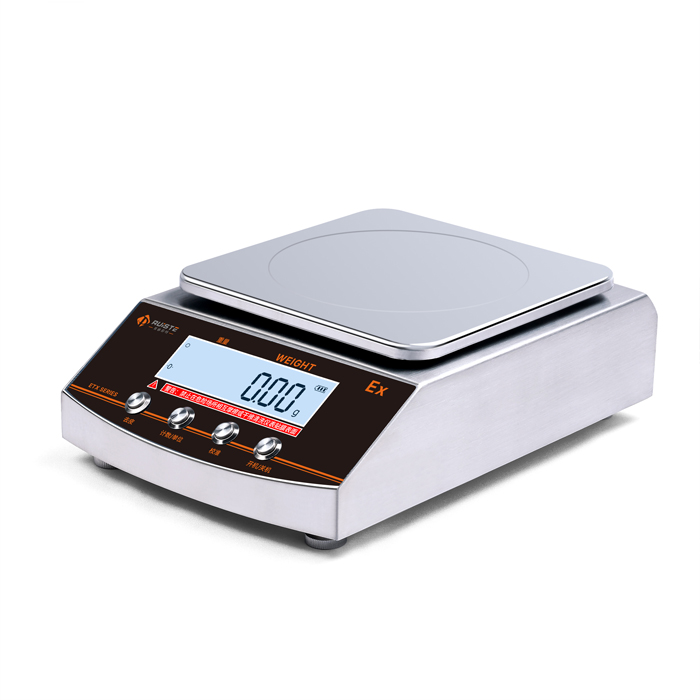
Explosion-proof Balance EX Series
EX explosion-proof balance whole is 304 stainless steel, rust and corrosion resistance. The whole series of balance adopts intrinsically safe explosion-proof battery. Expl…