Counting Weighing Scale
In modern daily operations, small business management, industrial production processing, warehouse inventory management, and material distribution work, the need to quantify and batch manage small and identical items is ubiquitous. Traditional manual counting methods have long been unable to keep pace with the steady improvement of operational efficiency requirements, as manual sorting and counting not only consume a large amount of human time and energy but also easily produce human errors due to visual fatigue, repetitive work fatigue, and subjective judgment deviations. A counting weighing scale emerges as a practical and reliable measuring tool that perfectly combines accurate weight measurement with intelligent quantity calculation, effectively bridging the gap between simple weighing work and precise quantity statistics, and becoming an essential auxiliary device in many links of production, storage, sales, and daily material arrangement. Unlike ordinary weighing equipment that only provides single weight data feedback, this type of weighing device integrates mature sensing technology, stable signal processing systems, and simple intelligent calculation programs, realizing the seamless conversion between total weight, single item weight, and overall quantity of measured items, allowing users to complete batch quantity confirmation and material weighing work in one simple operation, greatly simplifying the tedious counting process and optimizing the overall workflow of material management and product sorting.
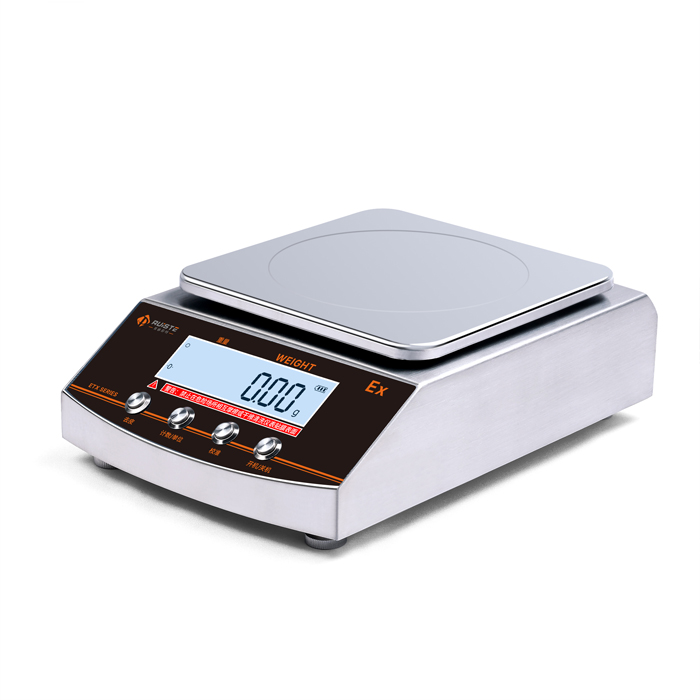
The basic working logic of a counting weighing scale is built on the core principle of average weight conversion, a scientific and practical calculation logic that does not rely on complex mechanical structures or complicated manual calculation steps, but realizes automatic data operation through internal intelligent processing components. Every counting weighing scale is equipped with a high-sensitivity sensing component as the core measuring unit, which is mostly designed with elastic metal structures and strain sensing elements. When any object is placed on the bearing platform of the scale, the pressure generated by the weight of the object will cause tiny and stable deformation of the internal elastic structure of the sensor. This subtle deformation will trigger synchronous changes in the resistance value of the attached strain sensing elements, and these weak physical changes will be instantly converted into continuous and stable electrical signal changes through the built-in circuit system of the equipment. After that, the internal signal conversion module and microprocessor will process and optimize these original electrical signals, filter out subtle signal interference caused by environmental vibration, air flow, and minor placement deviations, and finally convert the processed effective signals into intuitive and accurate digital weight data displayed on the clear screen of the equipment. This basic weight measurement process is fast and stable, laying a solid foundation for the subsequent intelligent quantity counting function of the scale, ensuring that every weight data obtained is true and reliable, and avoiding inaccurate counting results caused by basic measurement deviations.
The counting function that distinguishes this type of weighing equipment from ordinary weighing tools is completed through three simple and repeatable basic operation steps, which are easy for every operator to master without professional training or complicated operational skills. The first step is sample sampling and single piece weight calibration, which is the most critical link to ensure accurate counting results. The user only needs to select a small number of representative individual items from the batch of items that need to be counted and placed on the weighing platform of the counting weighing scale. These sampled items need to be randomly selected from the whole batch to ensure that their weight can reflect the average weight level of all items in the batch, avoiding the impact of individual items with slight weight differences on the overall counting accuracy. After placing the sampled items, the equipment will quickly measure the total weight of the samples, and the operator only needs to input the exact number of the sampled items through the simple operation keys on the scale. The internal microprocessor will automatically divide the total sample weight by the number of samples to calculate the average single piece weight of the measured items, and automatically store this core data in the internal temporary storage space of the equipment for subsequent batch counting calculation. The second step is batch overall weighing and automatic quantity calculation. After completing the single piece weight calibration, the user only needs to place all the remaining batch items to be counted on the weighing platform of the scale. The equipment will immediately measure the total weight of all placed items, and automatically divide the total weight by the pre-calibrated average single piece weight through the built-in calculation program, quickly obtaining the total quantity of the entire batch of items and displaying the quantity data synchronously on the screen along with the total weight data. The third step is data confirmation and repeated batch operation. After each counting and weighing work is completed, the equipment can be cleared with one key to reset the data, and the whole calibration and counting process can be repeated for different batches and different types of items, realizing continuous and efficient counting work for multiple groups of materials and products.
Counting weighing scales are widely used in a variety of application scenarios involving small identical parts and batch material management, covering industrial production, commercial sales, warehouse management, medical and health, stationery and office, handicraft processing and many other fields, adapting to the counting and weighing needs of different industries and different specifications of items. In the field of industrial parts processing and manufacturing, a large number of small standard parts such as screws, nuts, gaskets, springs, and hardware accessories need to be processed, packaged, and delivered in fixed quantities every day. In the past, workers needed to count these tiny parts one by one manually, which was not only extremely inefficient but also prone to quantity errors, leading to inconsistent packaging quantities and affecting subsequent product assembly and customer delivery. With the help of a counting weighing scale, workers only need to complete simple single piece sampling calibration, and then put the batch of hardware parts on the scale, they can quickly get the accurate quantity, complete fixed-quantity packaging and batch quantity inspection work in a short time, effectively improving the packaging efficiency of production lines and ensuring the consistency of the quantity of each batch of outgoing products. In the electronic manufacturing industry, various tiny electronic components such as resistors, capacitors, chips, and small connectors are small in size and large in quantity, and are usually supplied and used in batches according to fixed quantities. Manual counting of these precision electronic components is not only time-consuming and laborious but also easy to cause component loss and damage during the counting process. The counting and weighing mode of the counting weighing scale can well avoid these problems, realize rapid and non-destructive counting of precision electronic components, and provide accurate quantity data for electronic product processing, material batching, and warehouse requisition management.
Warehouse inventory and material logistics management is another important application scenario for counting weighing scales. For enterprises and merchants that store and circulate a large number of small bulk goods, regular inventory checking of inventory materials is a necessary daily work to ensure the consistency of account data and actual inventory quantity. Traditional manual inventory counting requires warehouse staff to count each type of goods one by one, which often takes a lot of working time, and inventory errors are easy to occur due to the large quantity and various types of goods. The application of counting weighing scales simplifies the inventory work process greatly. For all kinds of small packaged accessories, bulk daily necessities, and standardized parts in the warehouse, warehouse managers can use the counting weighing scale to quickly complete weighing and counting, record the actual quantity of each type of goods, compare it with the account data, and timely check and adjust the inconsistent data. This not only shortens the time required for daily inventory and regular warehouse checking but also improves the accuracy of inventory management, helping enterprises and merchants better grasp the real inventory situation of materials, reasonably arrange subsequent procurement, replenishment, and goods outbound plans, and avoid operational problems such as material backlog, shortage, and delivery delay caused by inaccurate inventory quantity.
In the commercial retail and daily commodity sales industry, many small commodities and office supplies also need to be sold and sorted by fixed quantity, and counting weighing scales also play an important role in optimizing sales and sorting work. Stationery stores need to sort and package office supplies such as paper clips, staples, small pins, and correction accessories in fixed quantities for retail and wholesale sales; gift shops and handicraft processing studios need to count and match small accessories such as beads, sequins, small pendants, and decorative parts to ensure that the quantity of matching materials for each handicraft product is consistent; daily necessities sales outlets need to batch sort small daily necessities such as small hooks, plastic accessories, and cleaning parts to meet the needs of bulk sales and fixed-quantity distribution. In these commercial scenarios, the use of counting weighing scales replaces tedious manual counting work, enables shop operators and staff to complete commodity sorting and quantity allocation faster, reduces the time cost of commodity arrangement and sales preparation, and ensures that the quantity of each packaged commodity and matched material meets the unified standard, bringing a more standardized sales management mode for small and medium-sized commercial stores. In the medical and pharmaceutical field, counting weighing scales are also used for quantitative sorting and packaging of tablets, capsules, and small medical supplies, ensuring that the quantity of each packaged medical materials meets the dispensing and packaging requirements, avoiding quantity deviations in medical material distribution, and providing basic guarantee for the standardized management of medical supplies.
In addition to rich application scenarios and convenient operation modes, the structural design and performance optimization of counting weighing scales are also constantly adapted to different use environments and long-term use needs, ensuring stable and reliable long-term operation. The overall structure of the equipment is designed with practicality and stability as the core. The weighing platform is made of solid and durable materials, which can bear the long-term pressure of frequent placement and removal of items, and is not easy to deform or damage after long-term use. The bottom of the equipment is equipped with stable supporting structures and adjustable horizontal devices, which can fine-tune the level of the scale body according to the placement environment, ensuring that the weighing platform is always in a horizontal working state during use. Keeping the scale body horizontal is very important for accurate weighing and counting, because the inclined placement of the equipment will cause uneven force on the internal sensing components, resulting in deviation of weight measurement data and further affecting the accuracy of quantity counting. The display part of the counting weighing scale adopts a clear and intuitive digital display design, with large and clear digital characters, which is convenient for operators to quickly read weight and quantity data even in different light environments, avoiding reading errors caused by unclear display. The operation buttons are designed with simple and intuitive functions, with clear key identification, which is convenient for operators to quickly complete calibration, zero clearing, counting, and data locking operations, and the buttons have good wear resistance, adapting to frequent pressing and long-term daily use.
The stable performance of a counting weighing scale in different working environments also depends on good anti-interference and adaptive design. In actual use, many working places such as production workshops and warehouse storage areas often have slight environmental vibration, air flow changes, and temperature and humidity fluctuations, which may affect the sensitivity of the sensing components and the stability of signal transmission. For this reason, counting weighing scales are equipped with intelligent signal anti-interference and data stabilization programs inside, which can automatically filter out abnormal signal fluctuations caused by external environmental factors, stabilize weight measurement data, and ensure that the weighing and counting results will not change randomly due to small environmental changes. At the same time, the equipment also has an automatic zero tracking function, which can automatically correct the zero point deviation caused by minor changes such as the placement of sundries on the weighing platform and slight temperature changes during use, ensuring that each weighing and counting work starts from an accurate zero point state and further maintaining the long-term measurement accuracy of the equipment. For different weighing ranges and item specifications, counting weighing scales also have different matching sensitivity and measuring ranges, which can be selected according to the actual weight and quantity of the measured items, whether it is tiny and light small parts or slightly heavier batch accessories, there are suitable equipment models to meet the corresponding counting and weighing needs.
Correct daily use habits and regular simple maintenance work can effectively extend the service life of a counting weighing scale and maintain its long-term accurate working state, avoiding measurement deviation and equipment failure caused by improper operation and neglected maintenance. During daily use, operators should place the equipment on a flat, solid, and stable desktop or ground to avoid placing it on soft, inclined, or unstable supporting surfaces, preventing the scale body from shaking and tilting during use. Before each formal counting and weighing work, it is necessary to check whether the equipment is in a horizontal state and whether the weighing platform is clean and free of sundries, and perform zero clearing operation to ensure that the initial data of the equipment is accurate. When placing items for sampling calibration and batch weighing, the items should be placed gently in the center of the weighing platform, avoiding violent impact and random stacking on the edge of the platform, so as to prevent damage to the internal sensing components caused by excessive instantaneous pressure and avoid weighing deviation caused by uneven force on the platform. After each use, the weighing platform and the surface of the equipment should be wiped clean to remove dust, debris, and residual dirt on the surface, preventing sundries from accumulating on the platform for a long time and affecting the contact between items and the platform, thus affecting the accuracy of subsequent weighing and counting.
Regular maintenance work includes regular inspection of the equipment's supporting structure, operation buttons, and display screen, checking whether the supporting feet are stable, whether the buttons are sensitive to press, and whether the display screen is displayed normally. If the equipment is not used for a long time, it should be placed in a dry and ventilated environment, avoiding long-term exposure to humid, high temperature, or dusty environments, so as to prevent internal electronic components from being affected by moisture, dust accumulation, or high temperature aging, which would affect the normal operation and measurement performance of the equipment. It is also necessary to avoid frequent moving and collision of the equipment in daily use, because the internal precision sensing components and circuit structures are relatively delicate, and violent collision and vibration may cause internal component displacement and damage, resulting in inaccurate measurement and equipment failure. By adhering to standardized use and simple regular maintenance, the counting weighing scale can maintain stable and accurate working performance for a long time, continuously provide reliable counting and weighing services for various operational work, and create more convenient and efficient working conditions for material management, production and processing, and commodity sorting in various industries.
In the overall social production and daily operation links, the value of a counting weighing scale is not only reflected in the basic functions of weighing and counting, but more importantly, it optimizes the traditional work mode relying on manual counting, reduces human resource consumption and work error rate, and improves the overall efficiency and standardization level of material management and product processing. Whether it is large-scale industrial production lines, medium-sized enterprise warehouse management, or small store commodity sales and daily material sorting, this simple and practical measuring equipment can play an important role, solving the common quantity counting pain points in various scenarios. With the continuous development of production and operation management towards refinement and standardization, the demand for accurate and efficient quantity management in various industries is constantly increasing, and the practical value and application scope of counting weighing scales will continue to expand. As a simple, reliable, and efficient auxiliary measuring tool, it will always maintain a stable supporting role in various counting and weighing work, helping all walks of life complete batch item quantity management and weighing work more efficiently and accurately, and promoting the smooth progress of various daily operational management work.
Counting Weighing Scale
https://www.pruiste.com/weighing-scale.html
Post Date: May 5, 2026
https://www.supplier-manufacturer.com/weighing-scale/counting-weighing-scale.html

![Electronic Balance Price]()
Electronic Balance Price
In modern industrial production, scientific research, and daily analytical work, electronic balances have become indispensable measuring instruments that underpin the accu…![Laboratory Electronic Balance]()
Laboratory Electronic Balance
In modern scientific research and industrial analytical processes, precise mass measurement serves as an indispensable foundational step for numerous experimental and prod…![Lightweight Weighing Scale]()
Lightweight Weighing Scale
In modern daily life, people pursue a convenient and minimalist lifestyle, and compact functional tools gradually become indispensable supplies in living spaces. A lightwe…![High Precision Weighing Scale]()
High Precision Weighing Scale
In modern measurement systems, high precision weighing scales stand as essential instrumental devices that deliver meticulous mass detection for various objects ranging fr…![Explosion Proof Weighing Scale]()
Explosion Proof Weighing Scale
In modern industrial production, many operational scenarios involve flammable and combustible substances, including volatile chemical liquids, suspended organic dust, and …