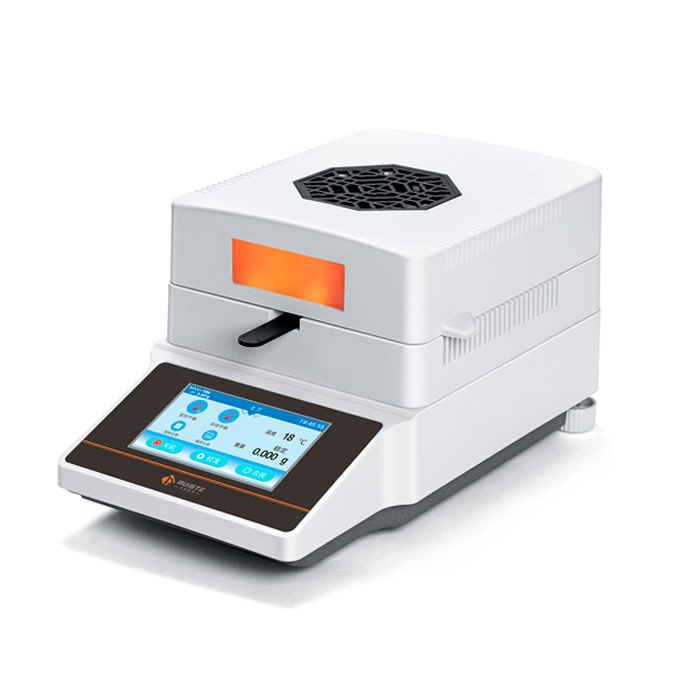
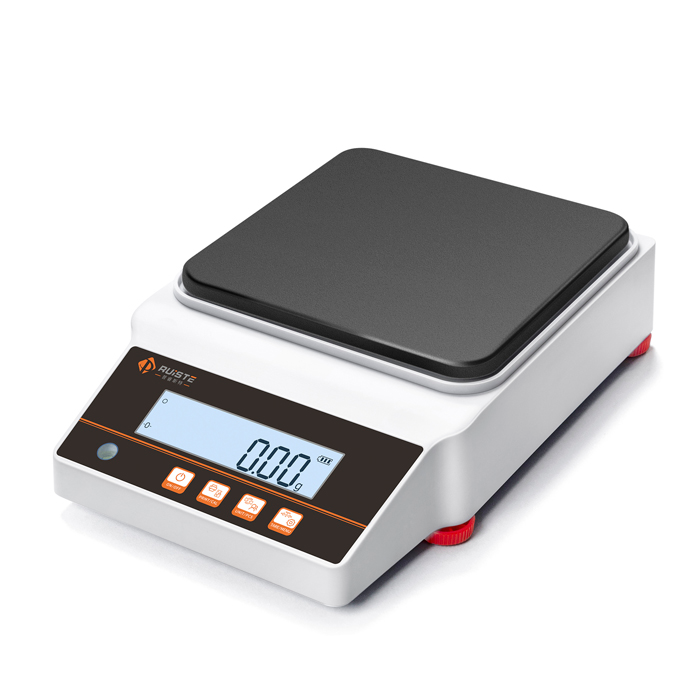
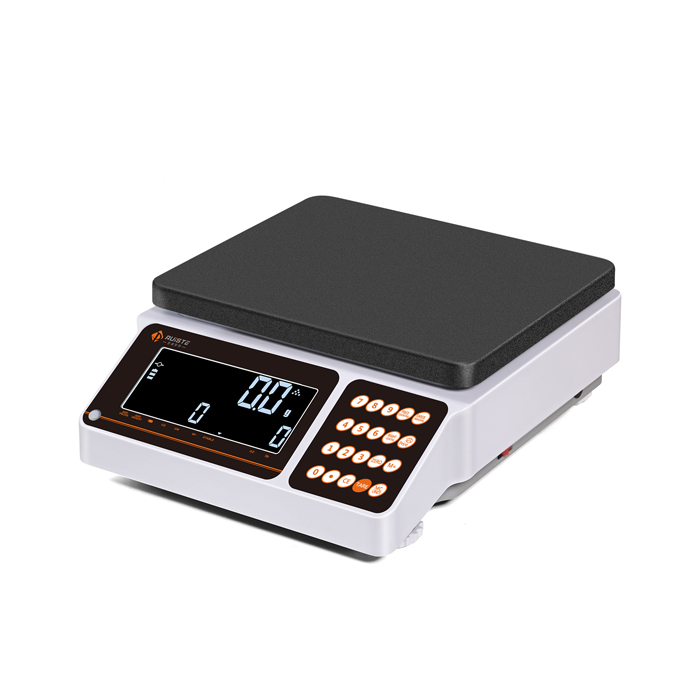
Laboratory Electronic Balance
In modern scientific research and industrial analytical processes, precise mass measurement serves as an indispensable foundational step for numerous experimental and production procedures. The laboratory electronic balance stands out as a fundamental measuring instrument widely adopted in various scientific fields, replacing traditional mechanical weighing devices with intuitive digital display, stable operating performance and convenient functional settings. This weighing instrument relies on advanced electronic sensing technology to convert gravitational signals of substances into identifiable electrical signals, thereby completing quantitative measurement of sample mass. Compared with conventional mechanical balances that depend on lever structures and counterweights, electronic balances reduce manual operational complexity and effectively lower human-induced measurement deviations, making them suitable for diverse high-precision weighing scenarios in laboratory environments.
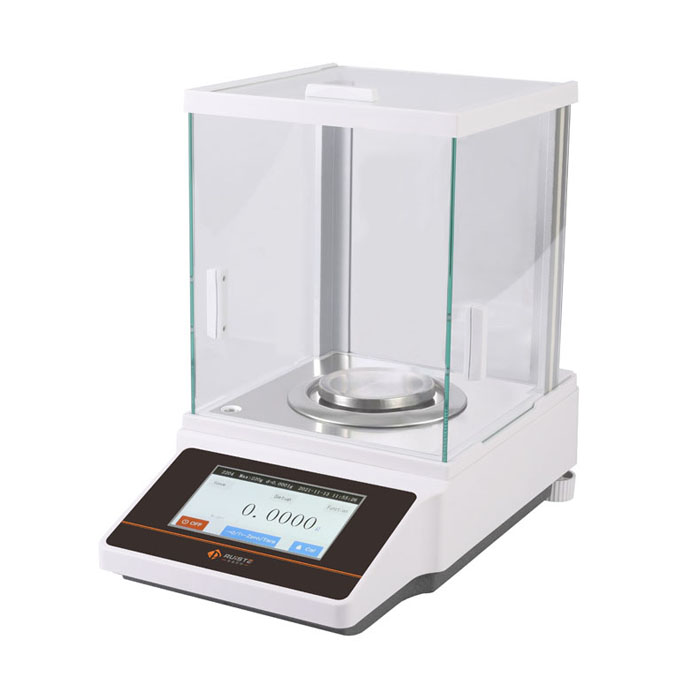
The core working mechanism of laboratory electronic balance is primarily based on electromagnetic force balance principles, which constitute the technical foundation for stable and accurate mass detection. When a sample is placed on the weighing pan, the gravitational force generated by the sample acts on the internal mechanical connection structure of the balance, causing slight positional displacement of internal sensing components. The built-in displacement sensor captures this subtle motion in real time and transmits the generated electrical signal to the internal control circuit. The circuit system dynamically adjusts the current passing through the electromagnetic coil according to the displacement amplitude, producing an upward electromagnetic force that counteracts the downward gravitational force of the sample. Once the two forces reach a balanced state, the displacement component returns to its preset initial position. At this moment, the current intensity inside the coil maintains a stable correlation with the mass of the loaded sample, and the internal data processing module converts the current data into intuitive mass values, which are finally presented on the digital display screen. In addition to electromagnetic force sensing structures, some moderately precise electronic balances adopt strain sensors and capacitive sensors. Strain sensors recognize mass changes through subtle deformation of sensitive components under pressure, while capacitive sensors convert pressure variations into capacitance fluctuation signals. Different sensor structures adapt to distinct precision requirements and usage scenarios, forming a diversified technical system for electronic balance manufacturing.
The physical structure of a standard laboratory electronic balance is compact and rationally distributed, with each component cooperating to ensure measurement stability and operational convenience. The external part is dominated by a smooth weighing pan, usually made of corrosion-resistant metal materials, which can bear solid and liquid samples while resisting chemical erosion from daily experimental reagents. Surrounding the weighing pan, a transparent protective windshield is commonly equipped on high-precision models. This structure effectively isolates external airflow, preventing air convection from interfering with tiny samples and avoiding measurement data fluctuation caused by light air pressure changes. Below the weighing pan lies the internal sensing and mechanical transmission structure, sealed inside a shockproof shell to reduce interference from external vibration. The front of the balance is fitted with a digital display screen and physical control buttons; the display screen clearly presents real-time weighing data and auxiliary parameter information, while the buttons support basic functional operations such as zero clearing and tare weight removal. The bottom of the instrument is equipped with adjustable foot pads, which allow operators to fine-tune the horizontal state of the balance. A horizontal bubble indicator is usually matched with the foot pads to ensure the instrument remains in a horizontal placement state, eliminating measurement errors caused by inclined placement.
Laboratory electronic balances exhibit outstanding inherent characteristics that make them deeply applicable in scientific research and experimental environments. These instruments feature high sensitivity, being capable of capturing subtle mass changes of tiny samples and feeding back accurate data within a short response time. The internal data processing system can filter out minor signal interference through algorithm optimization, ensuring stable output of repeated measurement data. Most electronic balances are embedded with automatic calibration auxiliary structures. Calibration procedures can be activated manually by operators or triggered automatically according to ambient condition changes. During calibration, standard mass parameters are used to correct internal sensing data, offsetting measurement deviations caused by long-term use or environmental fluctuations. The tare removal function is another practical feature of electronic balances. Operators can place empty containers such as beakers and weighing boats on the weighing pan and clear the container’s mass with one click, enabling direct acquisition of pure sample mass during subsequent weighing. This function simplifies experimental steps and reduces calculation errors in manual data processing. Moreover, many electronic balances reserve data transmission interfaces to connect with external terminal equipment, facilitating real-time recording, sorting and storage of weighing data, which is convenient for subsequent experimental data sorting and result analysis.
The application scope of laboratory electronic balances covers multiple professional fields, providing reliable measurement support for diverse experimental and production activities. In chemical laboratories, these balances are used for weighing solid chemical reagents, preparing standard solutions and conducting quantitative analysis of chemical reactions. Accurate reagent dosage control directly affects the reaction rate and final product yield, so stable weighing performance is essential for chemical quantitative experiments. In biological research laboratories, electronic balances assist in weighing biological samples such as tissues, cells and microbial culture media. Mild weighing vibration and stable measurement environment can avoid structural damage to delicate biological samples, meeting the strict environmental requirements of biological experiments. In pharmaceutical research and testing processes, electronic balances are applied to the proportioning of pharmaceutical raw materials and detection of finished drug components, ensuring consistent component content of pharmaceutical products and complying with experimental standards for drug research. In addition, electronic balances also play an important role in food testing, material science and environmental monitoring industries. They are used for detecting trace components in food, measuring the density of new material samples and analyzing pollutant content in environmental samples, providing accurate data references for quality inspection and scientific research.
Standardized operating procedures are crucial to maintain the measurement performance of laboratory electronic balances and extend their service life. Before formal use, operators need to select a suitable placement position, choosing a flat and stable experimental platform away from direct sunlight, strong heat sources and magnetic field interference. Intense light and temperature fluctuations will affect the stability of internal electronic components, while magnetic field interference can disrupt the normal operation of electromagnetic sensing structures. After placing the balance, operators must adjust the bottom foot pads to keep the horizontal bubble in the middle position, ensuring the instrument is horizontally placed. It is necessary to turn on the power supply for preheating; a certain preheating period can stabilize the internal circuit system and eliminate data drift caused by low temperature of electronic components. Before sample weighing, a calibration operation should be completed to correct systematic errors generated by environmental changes. During the weighing process, samples need to be placed gently on the center of the weighing pan to avoid mass deviation caused by eccentric load. For samples prone to moisture absorption, volatilization or corrosion, sealed containers must be used for holding, preventing sample loss from affecting data accuracy and avoiding chemical corrosion to the weighing pan. Overloading use should be strictly prohibited; excessive load will cause irreversible deformation of internal sensing components and permanently damage the measurement accuracy of the balance. After the data is stabilized and recorded, operators need to take out the samples and clean the surface of the weighing pan to remove residual sample dust and liquid stains.
Scientific daily maintenance and reasonable storage conditions are important prerequisites to maintain the long-term stable operation of laboratory electronic balances. In daily use, the instrument should be kept clean and dry; dust on the weighing pan and windshield can be gently wiped with soft lint-free cloths, and volatile neutral cleaning solutions can be used to remove stubborn stains. Harsh corrosive solvents are forbidden to clean the instrument surface to prevent corrosion of metal shells and internal circuits. When the balance is not in use for a long time, the power supply should be cut off, and dust-proof covers should be used for sealing storage to prevent dust from accumulating in internal gaps and affecting component sensitivity. The storage environment needs to maintain constant temperature and low humidity; excessive humidity will cause damp aging of internal circuits and even short-circuit failure. Regular inspection and maintenance should be carried out periodically, including checking the flexibility of adjustable foot pads, the sensitivity of sensor components and the stability of display signals. For balances with built-in calibration structures, regular calibration testing is required to verify the accuracy of measured data. In case of abnormal data fluctuation or mechanical jamming during use, non-professional personnel should not disassemble the instrument privately; professional maintenance personnel need to conduct inspection and debugging to avoid secondary damage to internal precision structures.
Despite the mature application technology of laboratory electronic balances, external environmental factors still generate unavoidable minor interference on measurement results. Air flow is one of the common interference sources; flowing air will produce tiny pressure on the weighing pan, leading to data jitter during measurement of trace samples. Vibration transmission from the experimental platform will cause slight shaking of the instrument, affecting the force balance state of internal sensing components. Temperature changes will cause thermal expansion and contraction of internal metal structures, altering the electromagnetic induction efficiency of coils and resulting in subtle systematic deviations. In order to reduce such interference, high-precision experimental scenarios need to be equipped with independent shockproof platforms and sealed anti-airflow shields, and the laboratory should maintain a constant temperature and humidity environment. In addition, static electricity generated by friction between containers and air will adsorb tiny samples and affect weighing results. Operators can eliminate static interference by using anti-static containers and maintaining appropriate air humidity in the laboratory.
With the continuous progress of electronic information technology and sensor manufacturing technology, laboratory electronic balances are evolving toward higher precision, intelligent operation and diversified functions. Modern optimized electronic balances integrate intelligent temperature compensation modules, which can automatically correct data deviations caused by ambient temperature changes without manual intervention. The intelligent sensing system can identify abnormal states such as overload and placement inclination, and feed back prompt information through the display screen to assist operators in standardized operation. In terms of functional expansion, some improved models support auxiliary measurement functions such as density calculation and percentage weighing, which can complete multi-dimensional data detection of samples without additional auxiliary instruments. While improving technical performance, the structural design of electronic balances pays more attention to humanization; the simplified button layout and high-definition display screen reduce the operation threshold for beginners, and the detachable structural design facilitates daily cleaning and component replacement.
As a basic precision measuring instrument, the laboratory electronic balance undertakes the important task of mass data acquisition in scientific research and industrial detection. Its stable mechanical structure, sensitive electronic sensing system and convenient operating functions meet the diversified weighing demands of different laboratory scenarios. Standardized operation methods and scientific maintenance measures can effectively maintain the working performance of the instrument and reduce measurement errors caused by human factors and environmental interference. In future technological development, electronic balances will further integrate intelligent algorithms and new sensing materials to achieve lower detection limits and more stable data output. Regardless of technological iteration and upgrading, the core value of laboratory electronic balances will always focus on providing accurate, reliable and convenient mass measurement services for scientific exploration and industrial production, laying a solid data foundation for the progress of various experimental research projects.
Laboratory Electronic Balance
https://www.pruiste.com/electronic-balance.html
Post Date: May 13, 2026
https://www.supplier-manufacturer.com/electronic-balance/laboratory-electronic-balance.html

![High-precision Moisture Analyzer]()
High-precision Moisture Analyzer
Moisture content stands as one of the most critical physical indicators for evaluating the quality, stability, and usability of various materials across industrial product…![Digital Moisture Analyzer]()
Digital Moisture Analyzer
Moisture content stands as one of the most critical physical indicators that determine the quality, stability, and usability of various raw materials and finished products…![Weighing Laboratory Balance]()
Weighing Laboratory Balance
A weighing laboratory balance stands as one of the most fundamental and indispensable instruments in scientific research, industrial testing, and academic laboratory envir…![Portable Laboratory Balance]()
Portable Laboratory Balance
In modern scientific research, industrial production, and daily analytical testing, accurate mass measurement serves as one of the most fundamental and essential experimen…![Types of Laboratory Balance]()
Types of Laboratory Balance
Laboratory balances are fundamental measuring instruments used across scientific research, industrial testing, pharmaceutical development, environmental analysis, and educ…