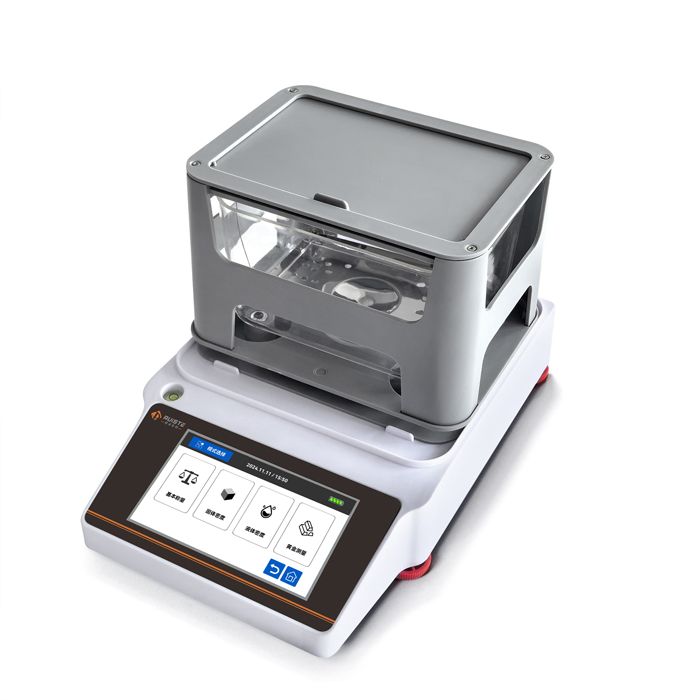
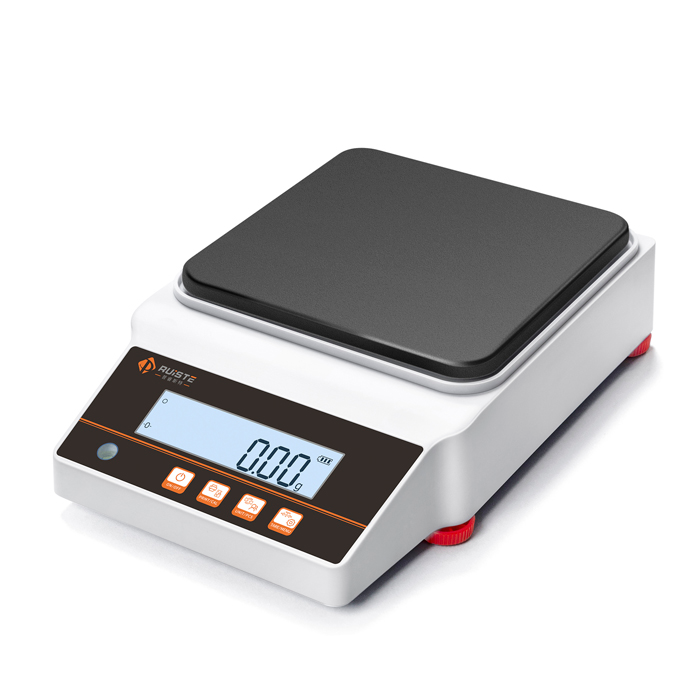
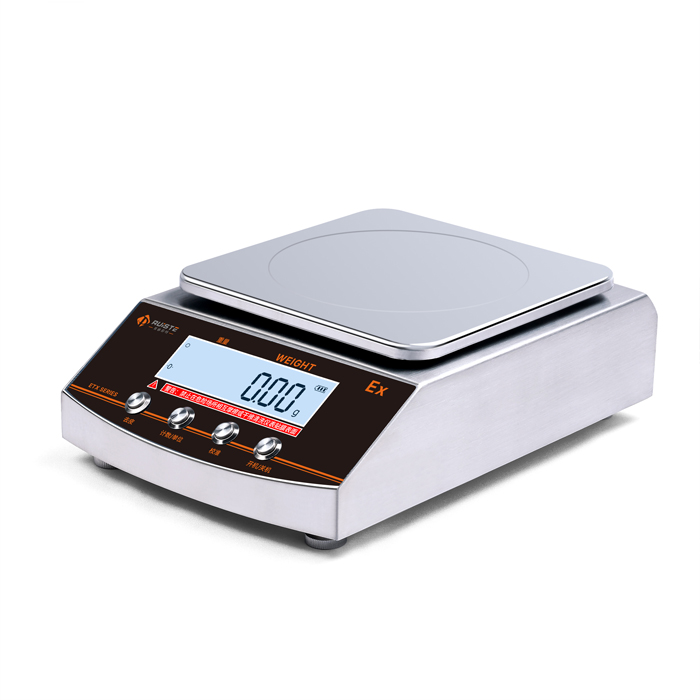
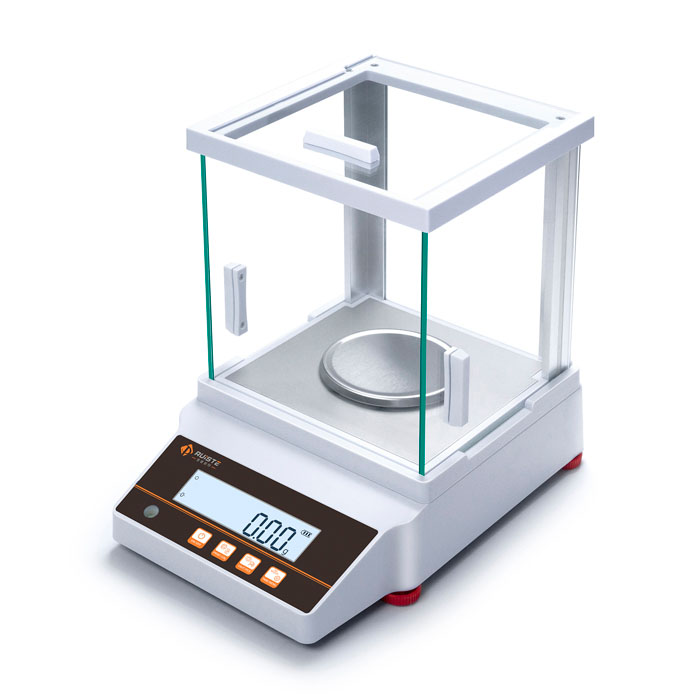
Purposes of Weighing Scale
Throughout human civilization, the need to measure mass has remained an essential part of daily life and industrial development, and weighing scales have long stood as one of the most fundamental and practical measuring instruments in human society. From ancient manual weighing tools to modern intelligent weighing devices, the core function of weighing scales has always centered on accurate mass measurement, while their application scope has gradually expanded to cover numerous fields of social production and personal life. Beyond the basic action of reading numerical weight data, weighing scales undertake invisible responsibilities in maintaining transaction order, standardizing production processes, monitoring physical conditions, and promoting scientific research. Understanding the diverse purposes of weighing scales helps people recognize the irreplaceable value of this common instrument and comprehend how it stabilizes the operational logic of various industries and daily scenarios.
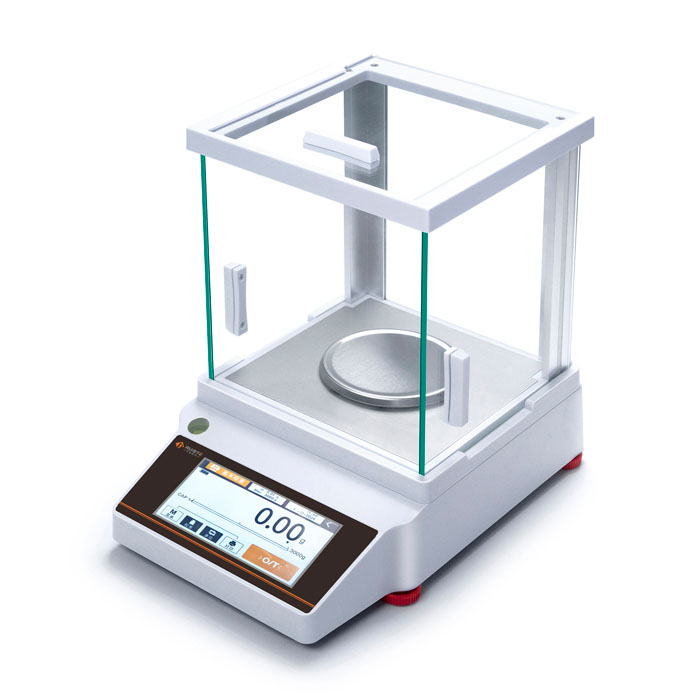
One of the most fundamental and widespread purposes of weighing scales is to guarantee fairness in commercial transactions. Since ancient times, human beings have relied on weighing tools to complete commodity exchanges. In traditional market trading scenarios, bulk goods such as grains, vegetables, fruits, and livestock require reliable mass measurement to determine transaction volume. Without standardized weighing tools, transactions would be prone to subjective estimation, causing unequal gains between buyers and sellers and disrupting the orderly development of commodity trade. In modern retail environments, weighing scales remain indispensable auxiliary equipment. Fresh food sections in daily shopping spaces use weighing tools to measure unpackaged ingredients, converting mass into reasonable trading data to complete settlement processes. For bulk commodity trading in wholesale markets, weighing scales with stable measuring performance record the total mass of goods, providing intuitive and objective references for bulk transaction negotiations. This consistent application in commercial scenarios reflects the core purpose of weighing scales: to eliminate measurement ambiguity and build a balanced and trustworthy foundation for commodity circulation.
In household daily life, weighing scales bring meticulous and standardized management to personal and family life, covering kitchen cooking and physical health management. In home kitchens, people use compact weighing instruments to measure raw materials during food production. Homemade pastries, fermented food, and personalized balanced meals all require precise ingredient ratios, and slight deviations in material mass may affect the taste, texture, and nutritional balance of finished food. Weighing scales eliminate the uncertainty of subjective measurement such as rough grabbing and visual observation, enabling ordinary families to accurately control ingredient dosage and maintain stable food production quality. In terms of personal health management, body weighing instruments have become common household supplies. Regular weight measurement helps individuals track physical changes, perceive the impact of diet, exercise, and rest on physical conditions, and adjust daily living habits accordingly. Many people maintain a regular weighing rhythm to record subtle body fluctuations, which serves as a simple and effective way to monitor physical state. For families paying attention to balanced nutrition, weighing tools also assist in controlling daily food intake, reasonably arranging meal combinations, and building a healthier daily diet structure.
The industrial production sector relies heavily on weighing scales to achieve standardized production and quality control, and such instruments have become a key part of modern production lines. In raw material processing industries, production processes often require the mixing of multiple raw materials according to fixed proportions. Weighing equipment accurately measures various raw materials to ensure that the mixing ratio conforms to production formulas, avoiding product performance fluctuations caused by uneven ingredient distribution. In packaging and processing links, weighing scales complete automatic detection of finished products. Products with insufficient or excessive filling mass will be screened out during the weighing process to maintain uniform specifications for all finished products and ensure the consistency of product quality in batches. In industrial warehousing and inventory management, weighing tools are used to count and classify bulk parts and materials. By measuring the total mass of stacked items and combining with the unit mass of single products, staff can efficiently calculate the quantity of stored goods, simplifying inventory statistics procedures and reducing manual counting errors. These industrial application scenarios fully demonstrate that weighing scales improve production refinement, optimize operational processes, and reduce uncontrollable factors in industrial production.
Scientific research and laboratory work put forward high-precision requirements for weighing scales, and such instruments provide accurate data support for experimental research and technological innovation. Chemical laboratories need to measure trace solid reagents and liquid solutes. Accurate mass data directly affect the concentration of prepared solutions and the reaction intensity of chemical experiments. Any slight measurement deviation may lead to changes in experimental results and even affect the correctness of experimental conclusions. In biological research, researchers weigh biological samples such as tissues, cells, and microorganisms to record the growth state and structural changes of organisms, providing basic data for biological observation and analysis. Material science research also depends on high-precision weighing equipment. During the development of new materials, staff repeatedly measure the mass of materials under different processing conditions to summarize the correlation between mass changes and material properties, thereby optimizing material formulas and production processes. In various laboratory scenarios, weighing scales maintain long-term measurement stability, resist interference from environmental factors such as air flow and temperature changes, and provide reliable mass data for scientific exploration, laying a solid foundation for technological breakthroughs and academic research.
The medical and healthcare industry applies weighing scales to multiple diagnosis, treatment, and nursing links, closely connecting weighing data with human health safety. In regular physical examinations, medical staff record the weight data of subjects to assist in judging physical development status and body health level. For infants and young children, regular weight measurement tracks growth rhythm, helping medical workers and parents judge nutritional intake and physical development quality. In the treatment of chronic diseases, weight changes are an important reference indicator. For patients with edema, metabolic disorders, and organ dysfunction, continuous weight monitoring reflects the internal water circulation and metabolic state of the body, providing basis for adjusting treatment plans. In professional medical treatment links such as blood purification treatment, accurate weight measurement determines the amount of fluid to be adjusted in the patient's body. Unreasonable fluid removal may cause physical discomfort and even endanger personal safety, making weighing equipment an indispensable safety guarantee in medical operations. In addition, pharmaceutical preparation links require weighing instruments to measure medicinal materials, ensuring stable drug dosage and qualified preparation standards.
Animal husbandry and agricultural production also benefit greatly from the use of weighing scales, which promote the standardized development of agricultural breeding industries. In livestock breeding farms, staff regularly weigh poultry and livestock to record growth rates, judge the rationality of feeding plans, and adjust feed formulas and feeding frequency according to weight changes. For young seedlings and newly hatched livestock, continuous weight tracking helps identify individual organisms with slow growth, facilitating targeted feeding management and improving the overall survival rate of breeding groups. In crop harvesting and storage, weighing tools measure the total yield of grains and cash crops, providing accurate data for yield statistics and market sales. In agricultural product processing, weighing equipment controls the dosage of agricultural additives and the packaging quality of finished agricultural products, maintaining the uniformity of product specifications. These agricultural application scenarios make agricultural production data more intuitive, help breeders and farmers optimize management modes, and reduce resource waste in the production process.
Logistics and warehousing industries take advantage of weighing scales to realize efficient resource allocation and transportation optimization. In modern logistics systems, the weight of goods is one of the core bases for calculating transportation costs. Staff use weighing equipment to measure the mass of single packages and bulk cargoes, formulating reasonable charging standards and transportation plans. During cargo warehousing and handover, weighing records serve as important proof of goods handover, effectively avoiding cargo quantity disputes caused by human estimation. In the sorting link of logistics distribution, weighing equipment cooperates with mechanical structures to complete automatic classification. Goods within the same weight range are classified into the same transportation channel, improving sorting efficiency and simplifying the logistics operation process. In addition, weighing data helps logistics enterprises rationally allocate transportation space, avoid overloading of transportation tools, ensure transportation safety, and reduce unnecessary consumption of transportation resources.
Apart from practical application functions, weighing scales also carry special symbolic significance and educational value in human society. In traditional culture, weighing tools have long been regarded as a symbol of impartiality and integrity, implying the moral concept of fair dealing and equal treatment. This cultural connotation enables people to maintain a sense of awe for measurement standards in commodity transactions and daily interactions. In basic education, weighing scales are common teaching aids in science courses. Students learn to operate weighing instruments, master the basic logic of mass measurement, and cultivate rigorous observation ability and data recording awareness. The simple operation principle and intuitive data changes of weighing scales help students understand basic physical measurement knowledge, laying a foundation for subsequent scientific learning. For daily social management, standardized weighing equipment maintains the unified measurement standard of the whole society, ensuring the orderly progress of various public service activities.
With the continuous progress of production technology, the structural design and performance of weighing scales are constantly optimized, and their applicable scenarios are still expanding. Modern weighing instruments are developing toward compact structure, convenient operation, and strong environmental adaptability, which can adapt to complex working conditions such as high temperature, low temperature, and dust. Although the appearance and precision of weighing scales have changed greatly compared with ancient tools, their core purposes have never changed. They still focus on accurate mass measurement, serve social transaction norms, optimize production processes, monitor life status, and assist scientific research. From small household weighing equipment to large industrial weighing devices, every type of weighing scale plays an irreplaceable role in its applicable field.
In conclusion, weighing scales are simple but essential measuring instruments in human society. Their purposes cover multiple dimensions such as commercial fairness, household management, industrial production, scientific research, medical care, agricultural breeding, and logistics transportation. They not only provide accurate mass data for human production and life but also promote the standardized development of various industries, maintain the balanced order of social transactions, and help people form a refined life management awareness. In the future, as social industries continue to upgrade, weighing scales will integrate with more advanced technologies to expand application boundaries, continuously exert practical value in more fields, and become an indispensable basic guarantee for the stable operation of modern society. People should correctly recognize the diverse functions of weighing scales, make reasonable use of measurement data, and give full play to the practical value of this simple and powerful instrument in daily life and social production.
Purposes of Weighing Scale
https://www.pruiste.com/weighing-scale.html
Post Date: May 13, 2026
https://www.supplier-manufacturer.com/weighing-scale/purposes-of-weighing-scale.html

![Density Balance ME Series]()
Density Balance ME Series
The ME series density balance adopts the Internet of Things 5-inch color TFT control system integrated touch high-definition screen. The entire series of balances adopts G…![Compact Weighing Scale]()
Compact Weighing Scale
In modern daily life and various lightweight industrial scenarios, the demand for portable and space-saving measuring tools continues to grow steadily, and compact weighin…![Lightweight Counting Scale]()
Lightweight Counting Scale
In modern daily operation and small-scale production environments, the demand for efficient and convenient counting tools continues to grow, especially for scenarios that …![Jewelry Counting Scale]()
Jewelry Counting Scale
In the intricate and refined world of jewelry production, trading, and inventory management, accurate measurement and quantity statistics stand as fundamental links to ens…![Electronic Counting Scale]()
Electronic Counting Scale
In modern production, inventory management, commercial circulation, and laboratory testing scenarios, the need for accurate and efficient quantification of small items has…