Electronic Counting Scale
In modern production, inventory management, commercial circulation, and laboratory testing scenarios, the need for accurate and efficient quantification of small items has become an essential part of daily operational workflows. Manual counting and traditional mechanical weighing methods can no longer keep pace with the growing demands of standardized production and refined management, as these outdated approaches are prone to human error, low working efficiency, and inconsistent measurement results over long-term use. The electronic counting scale has emerged as a reliable and practical measuring device that perfectly combines high-precision weighing technology and intelligent digital counting functions, effectively bridging the gap between simple weight measurement and accurate quantity statistics for various bulk small goods and precision parts. Unlike conventional weighing tools that only focus on displaying the total weight of placed items, this type of equipment integrates advanced sensor technology, mature microprocessor control systems, and user-friendly digital operation modules, enabling it to quickly convert weight data into accurate quantity data while completing basic weight detection. It has gradually become an indispensable basic equipment in workshops, warehouses, packaging production lines, pharmaceutical processing workshops, electronic component factories, and various commercial and scientific research environments, providing stable and consistent data support for standardized operation and quantitative management across different industries.
To understand the practical value and working advantages of the electronic counting scale, it is necessary to start with its basic working logic and internal structural composition, which lay a solid foundation for its stable operation and accurate measurement performance. The core working principle of the electronic counting scale follows a simple and scientific conversion logic based on the correlation between single piece weight and total weight of items. Every batch of small items produced in a standardized process has a relatively stable single unit weight, even for tiny parts or small packaged supplies with slight individual weight deviations, the average single weight of a sufficient number of samples can represent the basic weight standard of the entire batch. The electronic counting scale first collects accurate weight signals through high-sensitivity weight sensing components installed at the bottom of the weighing platform. These sensing components can perceive tiny pressure changes generated by items placed on the weighing surface, and convert the collected mechanical pressure signals into continuous and stable electrical signals. The built-in microprocessor inside the equipment receives these electrical signals, converts them into specific weight data through internal algorithm calculation and digital processing, and then completes core data operations based on the pre-input average single piece weight parameters set by the user. By dividing the total real-time weight of the placed items by the average single piece weight stored in the system, the equipment can quickly calculate the specific quantity of the items placed on the weighing platform, and simultaneously display the total weight, single piece average weight, and calculated quantity on the high-definition digital display screen for users to view and record at a glance.
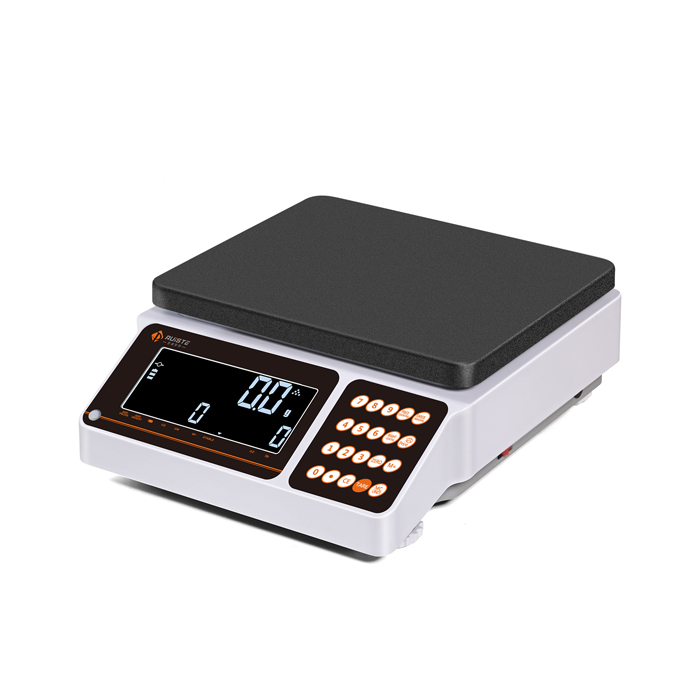
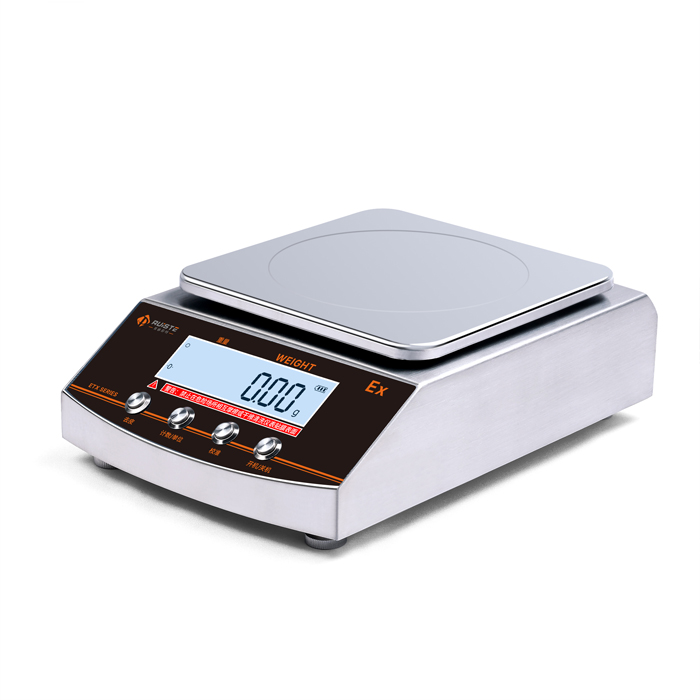
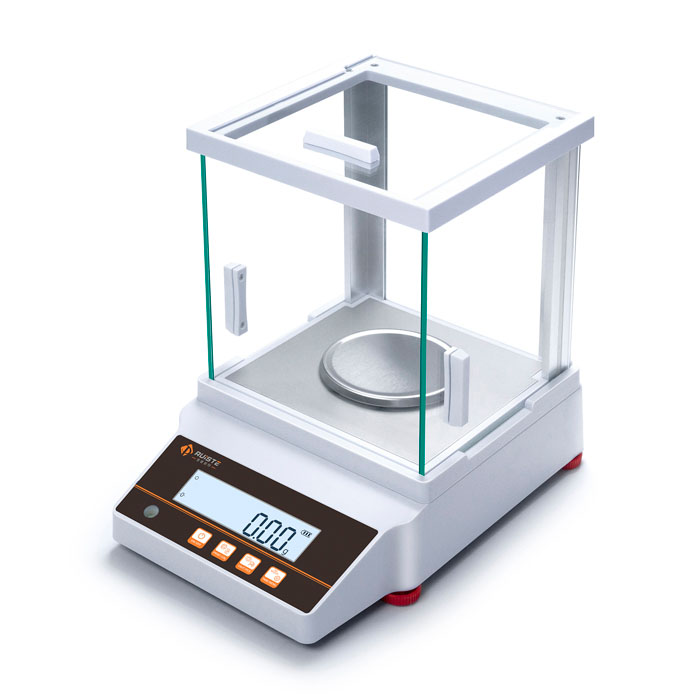
The overall structural design of the electronic counting scale is reasonable and practical, focusing on both operational convenience and long-term use stability, with each component designed to match the core counting and weighing functions. The external part of the equipment is mainly composed of a sturdy and durable weighing platform, a stable base support structure, and an integrated display and operation panel. The weighing platform is usually made of wear-resistant and corrosion-resistant metal materials, with a flat and smooth surface to ensure that items can be placed stably without tilting or sliding during weighing and counting processes, avoiding measurement errors caused by unstable placement. The base is designed with anti-slip and shockproof structures, which can effectively reduce the impact of external ground vibration and accidental external collision on internal sensing components, ensuring that weight signal collection remains stable even in busy workshop or warehouse working environments with frequent personnel movement and equipment operation. The display and operation panel is arranged in a position convenient for users to observe and operate, with simple and clear function keys and a clear digital display area, allowing operators to complete sample weighing, parameter setting, data clearing, and data resetting operations through simple key presses without complicated professional training. The internal core structure includes high-precision weighing sensors, intelligent data processing microprocessors, signal amplification and stabilization circuits, and data storage modules. The sensors are the core perception components responsible for capturing original weight data, while the microprocessors undertake all data calculation, conversion, and instruction execution work. The signal stabilization circuits can filter out interference signals generated by external environmental factors such as electromagnetic interference and slight temperature changes, ensuring that the final output weight and quantity data maintain good stability and anti-interference ability in different working environments.
The basic operation process of the electronic counting scale is simple and intuitive, with standardized and easy-to-follow steps, which is one of the important reasons why it can be widely used in various working scenarios with different operator groups. Before formal counting and weighing work, users need to place the equipment on a flat and solid horizontal ground, adjust the supporting feet of the base to keep the weighing platform in a horizontal state, and perform zero setting calibration on the equipment. The zero setting operation can eliminate the influence of the weight of auxiliary containers such as trays and packaging boxes placed on the weighing platform, ensuring that all subsequent weighing data only correspond to the weight of the measured items themselves and avoiding basic measurement deviations caused by tare weight interference. After completing zero setting calibration, the next key step is sample sampling and single piece weight calibration, which directly determines the accuracy of the final counting results. Users need to select a certain number of representative sample items from the bulk items to be counted, place these samples on the weighing platform, and input the actual quantity of the samples through the operation keys. The equipment will automatically weigh the total weight of the samples and calculate the average single piece weight of the items through internal algorithms, and automatically store this average weight data in the built-in storage module. Once the average single piece weight parameter is successfully set, the equipment enters the formal counting working state. Users only need to place any number of bulk items of the same type on the weighing platform, and the electronic counting scale will instantly display the real-time total weight of the items and the accurate calculated quantity. In the subsequent continuous counting process, there is no need to repeat sampling and parameter setting for the same batch of items, and the equipment can continuously complete rapid counting work, greatly improving the overall working efficiency of quantity statistics.
Compared with traditional manual counting and pure mechanical weighing equipment, the electronic counting scale has obvious comprehensive advantages in working efficiency, measurement accuracy, long-term use cost, and operational practicability. Manual counting of small items such as electronic accessories, hardware fasteners, small pharmaceutical particles, and miniature plastic parts is not only time-consuming and labor-intensive, but also extremely prone to counting errors caused by visual fatigue, distracted attention, and repetitive work fatigue. Especially in the scenario of counting large quantities of tiny items, manual work often requires multiple repeated checks, which consumes a lot of working time and human resources, and cannot guarantee the consistency of counting results in each batch. Pure mechanical weighing equipment can only provide simple total weight data, and users need to manually calculate the corresponding quantity based on the weight, which not only increases additional manual calculation work but also easily produces calculation errors in the conversion process, affecting the accuracy of quantity statistics. The electronic counting scale completely avoids these shortcomings. It realizes the integration of automatic weighing and automatic counting, with the whole process completed by intelligent equipment operation, reducing manual participation links to a minimum. The equipment can complete the whole process from weighing to quantity display in a short time, realizing rapid batch counting of items, and the internal high-precision sensors and stable algorithm system ensure that each measurement and counting result maintains high consistency, effectively avoiding data deviations caused by human factors. In addition, the equipment has low long-term maintenance cost, stable performance after long-term continuous use, no easy wear and tear of core components, and no need for frequent professional debugging and maintenance, which can meet the needs of long-term uninterrupted work in industrial production and warehouse management scenarios.
The application scope of the electronic counting scale covers multiple industries and diversified working scenarios, showing strong practical adaptability and application value. In the electronic manufacturing and electronic component processing industry, a large number of tiny precision parts such as resistors, capacitors, connectors, and small circuit board accessories need to be counted and batched before assembly, packaging, and warehousing. These parts are small in size and large in quantity, making manual counting extremely difficult and inefficient. The electronic counting scale can quickly and accurately complete the counting and batching of these precision parts, ensuring that the quantity of parts in each production batch and each packaging unit meets the production and packaging standards, avoiding production delays and assembly quality problems caused by insufficient or excessive parts quantity. In the hardware and mechanical parts processing industry, small hardware fasteners such as screws, nuts, bolts, and gaskets are produced and sold in bulk batches, and accurate quantity counting is required for factory delivery, warehouse inventory, and customer order delivery. The electronic counting scale can efficiently complete the quantity statistics of these hardware parts, realizing standardized management of incoming and outgoing goods and accurate docking of order quantity, reducing the error rate of goods delivery and inventory sorting work.
In the food processing and packaging industry, many small packaged food raw materials, granular food accessories, and small portioned finished food products need to be quantitatively counted and inspected during the production and packaging process. Relevant production links require that the quantity of each packaged product remains consistent to maintain standardized product specifications and stable product quality. The electronic counting scale can be used for real-time counting and inspection on the production packaging line, detecting whether the quantity of items in each packaging bag or packaging box meets the set standard, avoiding product quality problems such as insufficient quantity affecting product market reputation or excessive quantity causing production material waste. In the pharmaceutical production and medical supplies management industry, both pharmaceutical granule packaging and medical small consumables management require high-precision quantity control and accurate data records. The electronic counting scale can complete accurate counting of pharmaceutical particles and small medical supplies, ensuring that the dosage of pharmaceutical products and the quantity of medical consumables in each batch meet relevant management requirements, realizing traceable and standardized management of medical and pharmaceutical materials. In warehouse inventory and logistics distribution management scenarios, regular inventory counting of various bulk small materials and spare parts is an important daily management work. Traditional inventory methods take a long time and have large data errors. The electronic counting scale can quickly complete inventory quantity statistics of various materials and parts, improve inventory work efficiency, ensure the accuracy of inventory data, help enterprises grasp the actual stock quantity of materials in a timely manner, and provide reliable data support for material procurement, production planning arrangement, and inventory cost control.
In laboratory scientific research and precious small material management scenarios, the electronic counting scale also plays an important role. Many scientific research experiments need to use a fixed number of small experimental samples and experimental reagents, and the accuracy of sample quantity directly affects the authenticity and accuracy of experimental results. The electronic counting scale can provide high-precision counting data for experimental sample preparation, ensuring that the quantity of experimental samples used in each group of comparative experiments remains consistent, reducing experimental data errors caused by sample quantity deviations. For the management of precious small materials such as rare metal particles and precision experimental accessories, accurate quantity counting and regular quantity checking are required to avoid material loss and management confusion. The electronic counting scale can complete accurate counting and quantity record statistics of these precious materials, realizing refined management of precious materials and ensuring the safety and standardized use of materials.
To maintain the long-term stable working performance and continuous measurement accuracy of the electronic counting scale, daily standardized use and regular simple maintenance work are essential, and good usage habits can effectively extend the service life of the equipment and maintain stable working effects. In daily use, users should avoid placing excessive heavy items beyond the equipment's bearing range on the weighing platform for a long time, preventing long-term pressure from causing deformation of internal sensors and structural components, which would affect measurement accuracy and equipment stability. It is also necessary to keep the weighing platform and the internal working environment of the equipment clean and tidy, regularly cleaning dust, debris, and residual stains on the weighing platform surface, avoiding dust accumulation affecting the sensitive perception of the sensors and preventing corrosive stains from damaging the equipment surface and internal circuits. During the placement and use of the equipment, avoid placing it in an environment with severe vibration, strong electromagnetic interference, excessive humidity, or extreme temperature changes, as harsh external environmental factors will interfere with the normal operation of internal sensing components and data processing systems, resulting in unstable weighing and counting data. After each day's work, users should timely clear the residual items on the weighing platform, turn off the equipment power supply, and complete simple finishing work to avoid the equipment being in a long-term standby working state causing unnecessary power consumption and component aging.
Regular calibration and parameter inspection are also important parts of the daily maintenance of electronic counting scales. After long-term use or when the equipment is moved and placed in a new working environment, users need to re-calibrate the zero point and recheck the single piece weight measurement accuracy to ensure that the equipment can adapt to the new working environment and maintain accurate counting and weighing effects. In the process of use, if abnormal data fluctuation or inconsistent counting results are found, the equipment should be stopped in time for inspection and simple troubleshooting, and professional maintenance personnel should be contacted for processing if necessary, avoiding continued use leading to a large number of inaccurate data and affecting normal production and management work. In addition, different types of electronic counting scales have different bearing ranges and accuracy parameters, and users need to select appropriate equipment models according to their actual counting and weighing needs, choosing equipment with matching bearing capacity and accuracy level according to the weight and quantity characteristics of the measured items, so as to ensure that the equipment can meet actual work requirements and give full play to its counting and weighing advantages.
With the continuous development of industrial intelligent manufacturing and refined enterprise management concepts, the market demand for efficient, accurate, and convenient measuring and counting equipment is constantly upgrading, and the electronic counting scale is also constantly optimized and upgraded in functional design and technical performance. Modern electronic counting scales are gradually adding more practical auxiliary functions on the basis of maintaining basic counting and weighing functions, such as data automatic storage, simple data statistics, convenient data clearing and resetting, and stable anti-interference performance, making the equipment more adaptable to complex and changeable working scenarios. In the future, as digital management and intelligent production modes become more popular in various industries, the electronic counting scale will continue to be an important basic measuring equipment, helping all walks of life improve the efficiency of quantity management, reduce manual work costs, ensure the accuracy of measurement data, and lay a solid foundation for the standardized, refined, and intelligent development of production, inventory, and experimental management work. Whether in large-scale industrial production workshops, daily commercial circulation links, or professional laboratory scientific research work, the electronic counting scale will rely on its stable performance, simple operation, and accurate measurement characteristics to continuously meet the diversified counting and weighing needs of different users, bringing reliable and convenient quantitative management support for various operational work.
Electronic Counting Scale
https://www.pruiste.com/counting-scale.html
Post Date: May 6, 2026
https://www.supplier-manufacturer.com/counting-scale/electronic-counting-scale.html

![Industrial Laboratory Balance]()
Industrial Laboratory Balance
Industrial laboratory balances serve as foundational precision measuring instruments in modern industrial production, scientific research, and quality inspection workflows…![Types of Analytical Balance]()
Types of Analytical Balance
Analytical balances are essential precision measuring instruments widely applied in chemical laboratories, pharmaceutical research, food testing, geological analysis and o…![Calibrated Analytical Balance]()
Calibrated Analytical Balance
A calibrated analytical balance stands as an essential precision measuring instrument widely utilized in scientific laboratories, industrial production sectors, and academ…![Semi-micro Precision Balance]()
Semi-micro Precision Balance
In modern laboratory environments that pursue rigorous data accuracy, semi-micro precision balance stands as an indispensable weighing instrument for handling tiny and tra…![Precision Balance Wholesale]()
Precision Balance Wholesale
In modern industrial production, scientific research experimentation, and daily quality inspection workflows, precision measuring instruments serve as the fundamental corn…