What is Analytical Balance
In the fields of precision experimental testing, sophisticated production processing, and scientific research and development, accurate mass weighing is the primary prerequisite for reliable data. As high-precision core metering and weighing instruments, analytical balances rely on high resolution and stable weighing performance to become indispensable basic equipment for quantitative analysis, sample proportioning, and mass calibration. Unlike ordinary commercial and industrial rough weighing devices, analytical balances are designed for micro and constant-level high-precision weighing, capable of capturing subtle changes in mass values and providing accurate metering support for various professional operations. They play an irreplaceable fundamental role in reagent proportioning in chemical laboratories, biological and pharmaceutical sample testing, new material research and development batching, and quality inspection sampling. An in-depth understanding of the classification, functional characteristics, manufacturing materials, structural composition and applicable scenarios of analytical balances is the core foundation for standardizing instrument operation, ensuring accurate weighing data, and extending equipment service life.
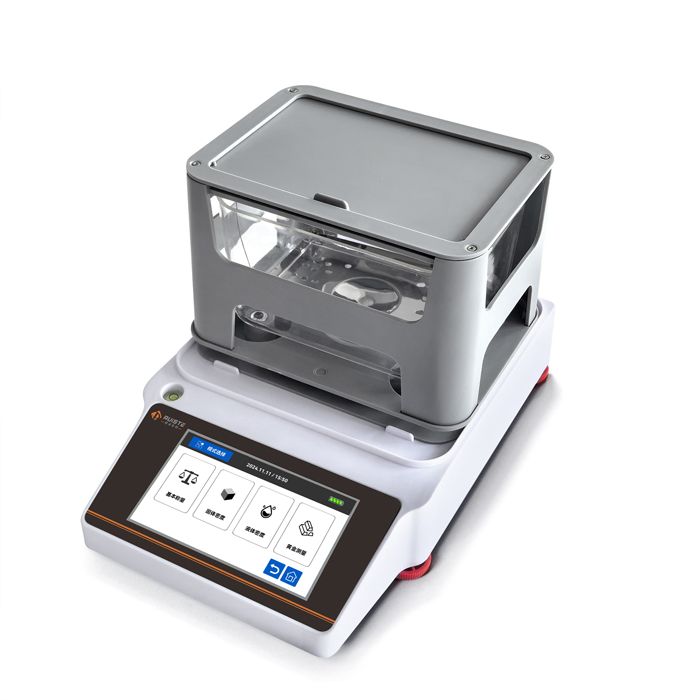
Classification System of Analytical Balances
Analytical balances are classified by multiple dimensions, mainly based on working principle, range specification and accuracy level, with each type adapting to distinct working conditions and weighing accuracy requirements. According to the core weighing principle, analytical balances are divided into two major categories: mechanical and electronic. Mechanical analytical balances operate based on the traditional physical principle of lever balance and rely on weight counterweight adjustment for mass calibration. As early-stage precision weighing equipment, they have pure mechanical structures without electronic components and high operational stability. However, their operation process is cumbersome, weighing takes a long time, and readings depend on manual visual observation, which is prone to human reading errors. Electronic analytical balances adopt the core electromagnetic force balance sensing technology, converting physical mass signals of samples into digital electronic signals for automatic display. Requiring no manual weight matching, they feature simple operation and intuitive readings, making them the mainstream type applied in various industries at present.
Classified by maximum weighing range and precision graduation value, analytical balances are categorized into ultra-micro, micro, semi-micro and constant types. Ultra-micro analytical balances have an extremely small range, suitable only for weighing trace samples at milligram and microgram levels with microgram-level graduation values for ultra-high precision micro detection. Micro analytical balances have a slightly larger range, ideal for trace experiment sample weighing and high-end scientific research precision proportioning. Semi-micro analytical balances balance accuracy and basic range, fitting for basic analytical experiments in scientific research and educational institutions. Constant analytical balances have the largest range, suitable for conventional laboratory quantitative analysis and industrial fine batching, ranking as the most widely used basic type. By accuracy grade, they are divided into special high-precision models and conventional high-accuracy models, adapted for top-level scientific research metrology verification and routine professional testing respectively.
Core Functional Characteristics
The core characteristics of analytical balances focus on ultra-high weighing accuracy and numerical stability, which are the key advantages distinguishing them from ordinary weighing equipment. Both mechanical and electronic analytical balances are equipped with low graduation values, accurately capturing subtle mass changes of samples and meeting stringent metering demands such as micro sample proportioning, impurity content detection and trace substance calibration in quantitative analysis experiments. Electronic analytical balances are additionally equipped with intelligent functions including automatic calibration, self-diagnosis and overload protection, which can automatically correct weighing errors caused by slight environmental interference, prevent damage to core sensing components from overload operation, and ensure long-term stable equipment operation.
Meanwhile, modern analytical balances have excellent anti-interference performance, resisting external influences such as ambient air flow, slight vibration and small temperature fluctuations to guarantee repeatability and consistency of weighing data with minimal numerical deviations for repeated weighing of the same sample. Some models support dual-range switching, flexibly adjusting accuracy and range modes according to sample weighing needs to adapt to different working conditions. In addition, the weighing data can be externally transmitted for retention, recording and printing, avoiding manual recording errors and meeting the requirements of experimental data traceability and account management for standardized professional operations. Compared with ordinary weighing equipment, analytical balances feature fast weighing response, accurate value locking and no long static waiting, greatly improving the overall efficiency of precision weighing work.
Core Manufacturing Materials
The material selection of analytical balances follows four core principles: corrosion resistance, deformation resistance, high precision and stable center of gravity, with special materials matched for different key components to ensure structural stability and long-term durability. The weighing pan, the core bearing part, is mostly made of high-strength stainless steel, featuring high hardness, oxidation resistance, acid and alkali corrosion resistance and wear resistance. It can be in direct contact with various chemical reagents and experimental samples without deformation or rust after long-term use, preventing weighing accuracy deviation caused by material corrosion and deformation. The outer shell is made of thickened engineering plastic or light alloy, which is lightweight, compression and impact resistant. It protects internal precision components from dust and moisture intrusion and maintains a stable placement position against slight external collision and displacement.
The internal precision sensing and mechanical transmission components are made of special alloy and high-precision metal processing materials with extremely low thermal expansion coefficients. They will not deform due to temperature changes, avoiding weighing data drift fundamentally. The matching wind shield adopts thickened tempered glass with high light transmittance for easy weighing observation and strong airtightness to block air flow interference, featuring impact resistance, shatterproof performance and convenient disassembly and cleaning. The bottom support feet are made of anti-slip and shock-absorbing soft materials, providing anti-slip fixation and buffering vibration to reduce the impact of ground slight vibration on weighing and ensure a stable weighing environment in all aspects.
Overall Core Structural Composition
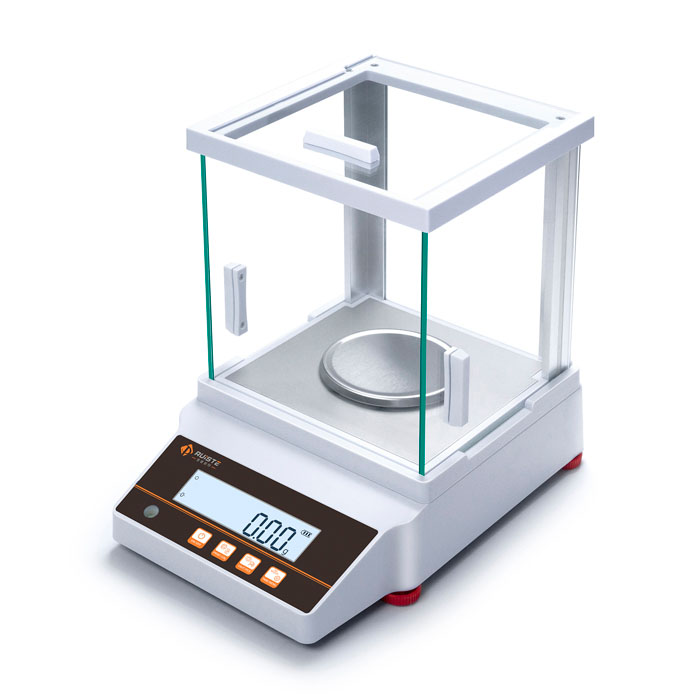
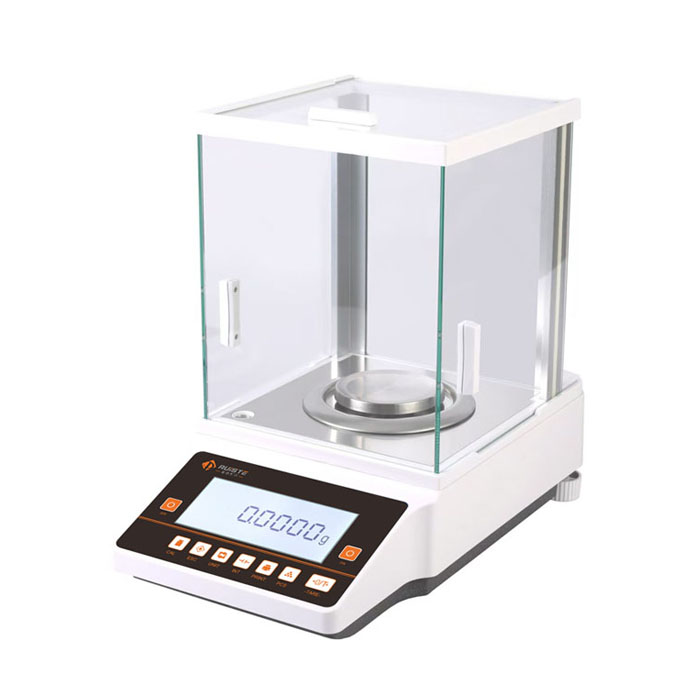
Analytical balances adopt a compact and precise structural design with coordinated components to ensure high-precision weighing. The overall structure is divided into four core modules: weighing bearing, precision sensing and measurement, wind protection, and support adjustment. The weighing bearing module is centered on the weighing pan where samples are placed directly, with built-in load-bearing transmission parts to accurately transmit sample mass to the core sensing or mechanical balance components. The precision sensing and measurement module is the core part of the equipment. For electronic balances, it consists of an electromagnetic force balance sensor, digital display panel and built-in control mainboard for signal conversion, numerical calculation and data display. For mechanical balances, it includes a lever balance mechanism, scale reading components and matching weights to achieve mass weighing through mechanical balance.
The wind protection module is mainly composed of a fully enclosed transparent wind shield surrounding the weighing pan, which isolates external interferences such as indoor air flow, dust and breathing airflow, an essential structure for ensuring micro weighing accuracy. The wind shield is equipped with flexible sliding doors for convenient sample access and daily cleaning. The support adjustment module includes a base, horizontal adjustment knobs, level bubbles and shockproof non-slip feet. The base ensures overall stability, while the knobs and level bubbles are used for precise leveling to avoid weighing errors caused by tilting, and the feet reduce external vibration impact. In addition, electronic analytical balances are equipped with data transmission interfaces and calibration keys for equipment calibration and external data storage, balancing structural precision and operational practicality.
Main Applicable Scenarios
With high-precision weighing performance, analytical balances are widely used in professional fields with strict metering requirements, covering scientific research, university teaching, production quality control and quality inspection. In the chemical and chemical engineering industry, they are used for accurate proportioning of chemical raw materials, titration experiment sample weighing, reagent purity testing and quantitative calculation of chemical reaction products, ensuring the proportioning accuracy of chemical experiments and fine chemical production. In the biomedical industry, they are applied to pharmaceutical research and development batching, pharmaceutical quality sampling inspection, traditional Chinese medicine content detection and biological reagent micro weighing, directly related to drug quality and biological experiment data reliability, serving as core basic equipment for pharmaceutical quality control.
In university teaching and scientific research laboratories, analytical balances are essential for basic chemistry teaching experiments, new material research and development, and trace substance analysis, meeting the dual needs of teaching practice and scientific research precision metering. In food testing and environmental monitoring, they are used for food additive content detection, pollutant trace analysis and precise sample pretreatment weighing, providing accurate data support for food safety management and environmental quality monitoring. They are also applied in fine chemical industry, jewelry testing and metrology calibration for fine product batching, valuable material weighing and basic metrology equipment calibration, fully meeting various high-precision standardized weighing operations and consolidating the foundation of precision metrology in all industries.
What is Analytical Balance
https://www.pruiste.com/analytical-balance.html
Post Date: May 5, 2026
https://www.supplier-manufacturer.com/analytical-balance/what-is-analytical-balance.html

![Portable Precision Balance]()
Portable Precision Balance
In modern measurement science, the demand for accurate and convenient mass detection continues to grow across diverse industrial, academic, and daily application scenarios…![Medical Electronic Balance]()
Medical Electronic Balance
In the modern medical industry, precise measurement serves as the fundamental foundation for medical research, clinical diagnosis, pharmaceutical preparation and biologica…![Portable Electronic Balance]()
Portable Electronic Balance
With the continuous advancement of modern measurement technology, weighing instruments have gradually evolved from bulky mechanical structures to compact electronic design…![Weighing Scale Vender In China]()
Weighing Scale Vender In China
China has established a solid and influential position in the global weighing scale manufacturing sector, with numerous dedicated vendors covering diverse production scale…![Weighing Scale Manufacturer]()
Weighing Scale Manufacturer
The weighing scale manufacturing sector stands as an indispensable segment within the global industrial and consumer manufacturing landscape, quietly supporting the operat…