Digital Analytical Balance
In the modern landscape of scientific research, industrial production, and material quality inspection, precise mass measurement stands as an indispensable foundational link that underpins the accuracy and reliability of all subsequent experimental data and production detection results. Among all precision weighing instruments available for laboratory and industrial fine measurement scenarios, the digital analytical balance has gradually replaced traditional mechanical analytical weighing equipment and become a mainstream basic tool relied on by professional practitioners in various industries. Unlike conventional weighing devices that are only suitable for rough mass estimation and daily bulk material metering, this type of precision instrument is designed specifically for micro and trace substance weighing scenarios, where even subtle changes in sample mass can directly alter the final conclusion of experimental analysis and product performance evaluation. The evolution of digital analytical weighing technology has never stopped advancing along with the progress of electronic sensing technology, microprocessor control systems, and structural optimization design, constantly adapting to increasingly stringent measurement requirements in emerging research fields and refined production processes, and maintaining stable and consistent weighing performance in complex application environments through continuous technical iteration and structural improvement.
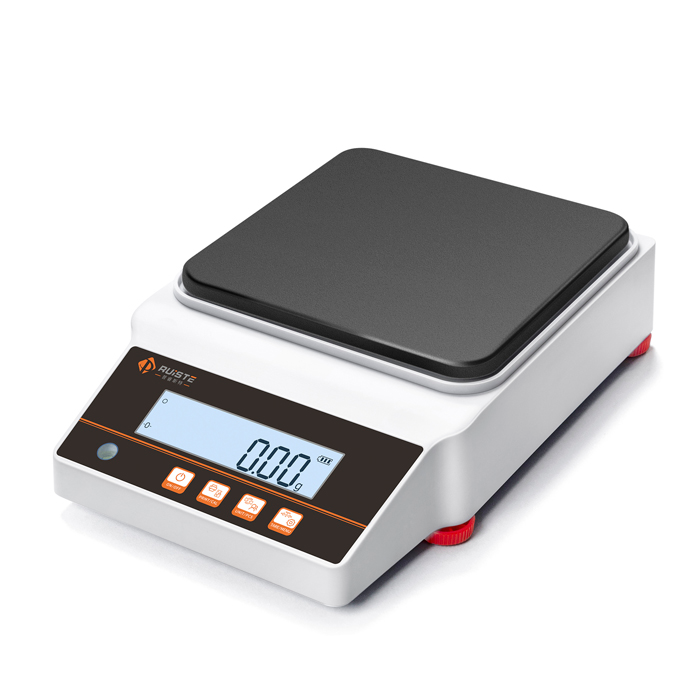
The core working mechanism of the digital analytical balance relies entirely on the electromagnetic force balance compensation principle, a mature and reliable technical logic that has become the fundamental guarantee for its stable and accurate weighing output. The internal structure of the instrument is equipped with a sophisticated magnetic field generation component and a precision coil structure connected integrally with the weighing pan load-bearing mechanism. When the balance is in an unloaded standby state, the internal displacement detection sensor maintains a stable initial equilibrium position, and the electromagnetic force generated by the coil in the magnetic field is in a natural matching state with the inherent gravity of the weighing pan and connecting structural parts, with no additional current signal required for balance adjustment. Once a sample is placed on the surface of the weighing pan, the gravity generated by the sample mass acts downward on the load-bearing connecting structure, causing a tiny and almost imperceptible displacement of the weighing pan and the connected coil component. The high-sensitivity displacement sensor inside the instrument can immediately capture this subtle position change and convert the mechanical displacement signal into a measurable electrical signal, which is then transmitted to the built-in microprocessor for real-time processing and calculation. The control system quickly adjusts the current intensity passing through the precision coil according to the detected displacement data, generating a corresponding electromagnetic force that counteracts the total gravity of the sample and the load-bearing structure, gradually pulling the entire weighing system back to the initial equilibrium position. In this working process, the current intensity required to restore the balance of the system maintains a stable proportional relationship with the mass of the measured sample. The microprocessor converts the collected current data into accurate mass values through internal algorithm conversion and digital processing, and finally presents clear and intuitive digital reading results on the display interface, realizing the whole process of automatic induction, automatic balance adjustment and automatic digital display of weighing.
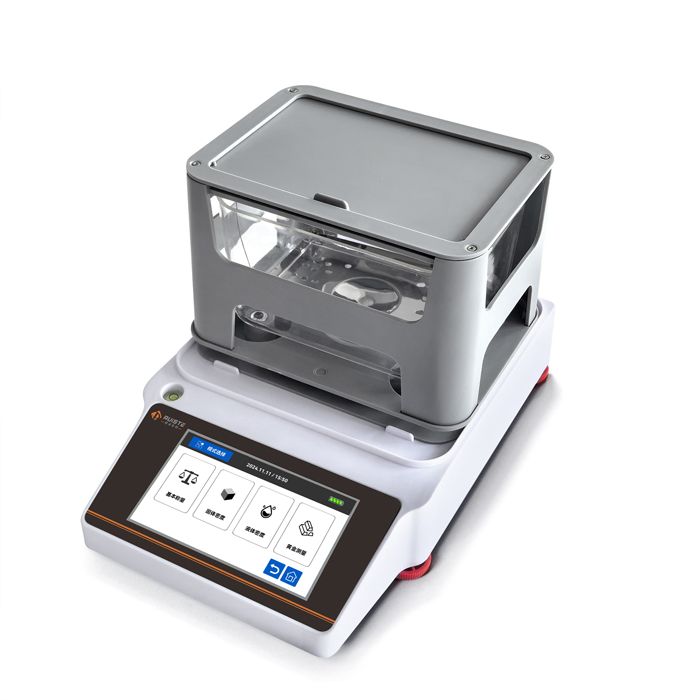
The overall structural design of the digital analytical balance is systematically optimized around the core goal of ensuring weighing stability and minimizing external interference, with every component and structural detail designed to reduce the impact of environmental factors and human operation on measurement results. The external part of the instrument is equipped with a closed protective windshield structure, which is an essential configuration for normal use rather than an optional auxiliary part. The main function of the windshield is to isolate the influence of indoor air convection, natural wind flow and tiny dust floating in the air on the weighing pan and the measured sample. Especially when weighing trace samples with small mass and light weight, even slight air flow can cause continuous fluctuation of the weighing pan, making it impossible for the reading to stabilize and leading to large deviation in final measurement data. The transparent material selected for the windshield not only ensures good airtight isolation effect, but also allows operators to clearly observe the placement state of the sample on the weighing pan and the real-time change of digital readings during the weighing process, facilitating standardized operation and timely state adjustment. The weighing pan, as the direct bearing part for placing samples and weighing containers, is made of high-hardness, corrosion-resistant and stable physical and chemical properties materials, which can avoid mass change caused by oxidation, corrosion or long-term use wear, and ensure the long-term flatness and stable bearing performance of the pan surface. The bottom of the instrument is equipped with adjustable horizontal supporting feet and a horizontal bubble indicator device, which together form the horizontal calibration structure of the balance. Keeping the main body of the balance in a strict horizontal working state is a basic prerequisite for accurate weighing, because any tilt of the instrument body will cause the offset of the stress direction of the internal load-bearing structure and the magnetic field coil, affecting the normal matching of electromagnetic force and gravity, resulting in systematic deviation of weighing data. The internal circuit and sensor components are equipped with special shock absorption and anti-interference shielding structures, which can reduce the impact of external ground vibration and electromagnetic signal interference on the internal signal detection and current regulation process, ensuring that the instrument can maintain stable working performance in conventional laboratory and production workshop environments.
Standardized and standardized operation procedures are key to giving full play to the precise measurement performance of the digital analytical balance, and any irregular operation detail may lead to unnecessary weighing errors and affect the credibility of experimental and detection data. Before starting each batch of formal weighing work, operators need to complete a series of pre-use preparation and inspection work to ensure that the instrument is in a good working state. First, it is necessary to check the horizontal state of the balance body in advance, carefully observing the position of the liquid in the horizontal bubble indicator, and slowly adjusting the height of the supporting feet at the bottom until the liquid bubble is centered, confirming that the instrument is placed horizontally and stably. After completing the horizontal calibration, the instrument needs to be connected to the power supply and preheated for a certain period of time. Sufficient preheating can make the internal circuit system, sensor components and microprocessor of the balance reach a stable working temperature state, avoiding inaccurate signal conversion and unstable reading caused by temperature changes of internal electronic components just after power-on. After the preheating work is completed, the zero-point reset operation should be carried out first to ensure that the display reading returns to the initial zero state when the weighing pan is unloaded and the windshield is closed. If it is necessary to use weighing bottles, clean beakers or other containers to hold samples for weighing, the tare weight clearing operation should be completed after placing the empty container on the weighing pan, so that the subsequent measured reading only reflects the net mass of the sample, eliminating the interference of container mass on weighing results.
In the actual sample weighing process, operators need to abide by fine operation specifications and avoid all improper operation behaviors that may affect weighing accuracy. It is strictly forbidden to directly touch the surface of the weighing pan and the sample container with hands during the whole operation process, because the sweat, oil and tiny impurities on the surface of human fingers will adhere to the container and the weighing pan, causing subtle mass changes and leading to weighing errors. For solid particulate samples, special clean sampling tools should be used to slowly add or reduce samples inside the closed windshield, and the windshield door should be closed in time after each sample adjustment to prevent air convection from affecting reading stability. For special samples with strong hygroscopicity, easy volatilization or slight corrosiveness, all weighing operations must be completed in a sealed weighing container, effectively preventing sample mass change caused by moisture absorption from air, volatilization loss or corrosion damage to the weighing pan structure. After placing the sample and closing the windshield, the operator should wait patiently for the internal balancing system to complete the dynamic adjustment and the display reading to stabilize completely before recording the weighing data. It is not allowed to record data during the continuous fluctuation of the reading, nor should the instrument be touched or the placement position of the sample be adjusted at will during the stabilization process. After the weighing work of all samples is completed, the weighing pan and the inside of the windshield should be cleaned in time to remove residual sample particles and dust, keeping the internal environment of the instrument clean and tidy for the next use.
Environmental condition control is an important factor that cannot be ignored in the use of digital analytical balances, and the ambient temperature, humidity, air flow and placement environment will all have varying degrees of impact on weighing accuracy and instrument service life. The instrument is suitable for working in a room temperature environment with mild and stable temperature, and sudden large temperature changes should be avoided as much as possible. Too high or too low ambient temperature will affect the working performance of the internal electronic sensor and circuit components, change the sensitivity of signal detection and the stability of current regulation, and then cause deviation of weighing results. Excessively high air humidity will easily lead to moisture condensation inside the instrument, which may not only affect the normal operation of electronic components, but also cause moisture adhesion on the surface of the weighing pan and samples, resulting in unstable weighing data. Too dry environment may produce static electricity accumulation on the surface of the instrument and samples, and static interference will also affect the accuracy of tiny mass measurement. Therefore, the working environment of the balance needs to maintain moderate and stable humidity conditions, and avoid placing the instrument near air conditioners, fans, doors and windows and other positions prone to air convection and temperature sudden changes. At the same time, the placement position of the balance should be far away from mechanical equipment that generates vibration and electrical equipment that produces strong electromagnetic radiation, preventing vibration impact and electromagnetic signal interference from affecting the internal balance adjustment and signal conversion process of the instrument. Keeping the working environment clean and dust-free can also reduce the number of dust particles falling on the weighing pan, avoiding long-term dust accumulation affecting the flatness of the weighing pan and the accuracy of subsequent weighing.
Digital analytical balances have a wide range of application scenarios, covering multiple professional fields such as chemical analysis, biological research, pharmaceutical preparation, food testing, new material development and industrial quality inspection, and providing reliable mass measurement basic support for various fine research and production work. In chemical laboratory conventional analysis experiments, the accurate preparation of standard solutions, the precise weighing of chemical reagents and the quantitative analysis of reaction products all rely on the stable measurement performance of digital analytical balances. The accurate mass data of reagents directly affects the concentration accuracy of prepared solutions and the authenticity of chemical reaction experimental results, and is the basic guarantee for the repeatability and comparability of chemical analysis experiments. In biological and medical research, the weighing of trace biological samples, experimental drugs and culture medium raw materials requires high-precision weighing instruments. Many biological experiments involve micro-sample research, and tiny mass changes will affect the activity of biological samples and the effectiveness of experimental drugs, thus determining the success or failure of the whole research experiment. In the pharmaceutical production and testing industry, the weighing of raw and auxiliary materials for drug production and the sampling inspection of finished drug products need to use digital analytical balances to ensure the accurate proportion of various drug components, meet the production quality requirements of drugs, and ensure the safety and effectiveness of drug use. In food safety testing and nutritional component analysis, the accurate weighing of food samples and detection reagents is the premise for detecting harmful residues and nutritional content in food, providing accurate data basis for food quality evaluation and safety supervision work.
In the research and development and performance testing of new materials, digital analytical balances play an important role in the precise proportioning of new material formulas and the quality change detection of materials before and after performance experiments. The development of many new functional materials requires precise proportioning of various raw material components according to mass ratio, and subtle proportion deviation will directly change the physical and chemical properties of the final material, affecting the application effect and promotion value of new materials. By weighing the mass of material samples before and after corrosion resistance, high temperature resistance and wear resistance experiments, researchers can accurately calculate the mass change rate of materials, evaluate the durability and stability of new materials, and provide reliable data support for optimizing material formulas and improving material performance. In industrial product quality inspection and raw material incoming inspection, many high-precision manufacturing industries need to carry out sampling weighing inspection of production raw materials and finished parts to ensure that the product quality meets the set production standards and avoid unqualified raw materials and finished products from flowing into the production and sales link.
Daily maintenance and long-term maintenance work are crucial to maintaining the long-term stable performance and extending the service life of digital analytical balances. Good maintenance habits can not only keep the instrument in a high-precision working state for a long time, reduce the frequency of weighing data deviation, but also avoid abnormal damage to internal components and reduce unnecessary maintenance and replacement costs. Daily maintenance work mainly includes regular cleaning, environmental maintenance and power supply management. After each use, the residual samples and dust inside the windshield and on the weighing pan should be cleaned with soft cleaning tools. It is forbidden to use corrosive cleaning liquids and hard cleaning tools to wipe the instrument surface and internal components, so as to prevent surface corrosion and structural scratch damage. When the balance is not used for a long time, the power supply should be cut off in time, and the windshield should be closed to prevent dust and moisture from entering the interior of the instrument. Regular comprehensive inspection and maintenance should be carried out regularly, including checking the flexibility of the horizontal adjustment structure, the stability of the power supply circuit, the sensitivity of the internal sensor and the normal display of the display interface. If the instrument is not used for a long time or is moved and placed again, horizontal calibration and preheating reset must be carried out again before reuse to ensure that the weighing state returns to normal.
In the process of long-term use, even if the operation and maintenance are standardized, the digital analytical balance will still produce tiny systematic errors and occasional accidental errors due to the influence of environmental changes and component aging. Understanding the source of various errors and mastering reasonable error control methods can further improve the accuracy of weighing data and ensure the reliability of experimental and detection results. Systematic errors mainly come from subtle changes in internal component performance, long-term slight deformation of structural parts and environmental temperature and humidity changes. This type of error can be effectively reduced by regular calibration, maintaining a stable use environment and standardized daily maintenance. Accidental errors are mostly caused by irregular human operation, accidental air flow impact and accidental vibration interference. This type of error can be avoided by strictly abiding by operation specifications, closing the windshield in time during weighing and placing the instrument in a stable working position. Operators should always keep a rigorous working attitude in the use process, standardize every operation link, pay attention to environmental condition control and daily maintenance, and minimize the occurrence of various weighing errors.
With the continuous progress of scientific and technological level and the continuous upgrading of precision measurement requirements in various industries, the digital analytical balance will continue to carry out technical optimization and structural innovation on the basis of existing electromagnetic force balance principle and digital control technology. The future development direction of this type of precision weighing instrument will focus on improving anti-interference performance, optimizing intelligent control functions, simplifying operation steps and adapting to more complex working environments. No matter how the technology and structure are upgraded and changed, the core positioning of digital analytical balance as the basic precision weighing tool for scientific research and industrial detection will never change. It will continue to provide accurate, stable and reliable mass measurement data support for all links of scientific research experiments, product research and development and quality inspection, and lay a solid foundation for the smooth development of various precision scientific research and refined production work. For all operators engaged in related professional fields, attaching importance to the standardized use, scientific maintenance and error control of digital analytical balances is not only the basic requirement of daily work, but also an important prerequisite to ensure the authenticity and validity of all research and detection results.
Digital Analytical Balance
https://www.pruiste.com/analytical-balance.html
Post Date: May 5, 2026
https://www.supplier-manufacturer.com/analytical-balance/digital-analytical-balance.html

![Crane Weighing Scale]()
Crane Weighing Scale
In the modern landscape of industrial production, logistics transportation, heavy material handling, and engineering construction, the integration of safe lifting operatio…![Portable Digital Counting Scale]()
Portable Digital Counting Scale
In modern daily life, small business operations, light industrial production, warehouse inventory management, and personal hobby organization, the need for accurate and co…![Electronic Laboratory Balance]()
Electronic Laboratory Balance
In every modern laboratory setting, whether focused on chemical research, biological experimentation, material development, or routine quality inspection work, accurate an…![High-precision Balance]()
High-precision Balance
In every corner of modern scientific research, industrial production, environmental monitoring, and pharmaceutical development, the pursuit of accurate mass measurement ha…![Analytical Electronic Balance]()
Analytical Electronic Balance
In every modern scientific laboratory that relies on accurate quantitative data and rigorous experimental outcomes, the analytical electronic balance stands as an indispen…