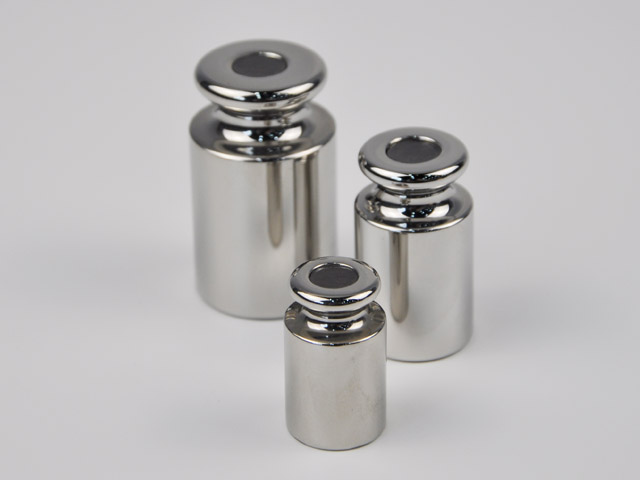
Stainless Steel Calibration Weight
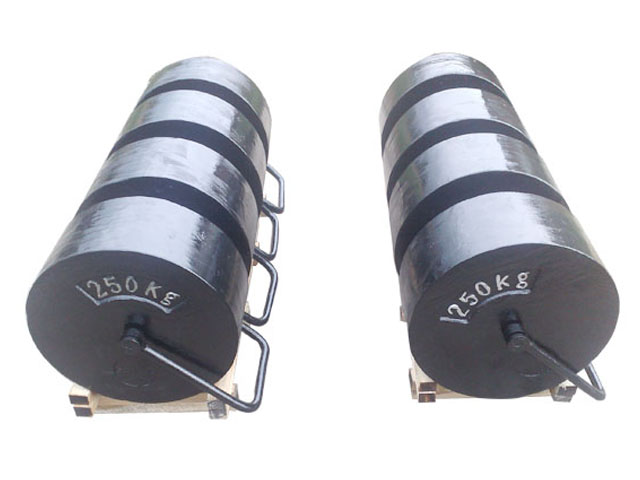
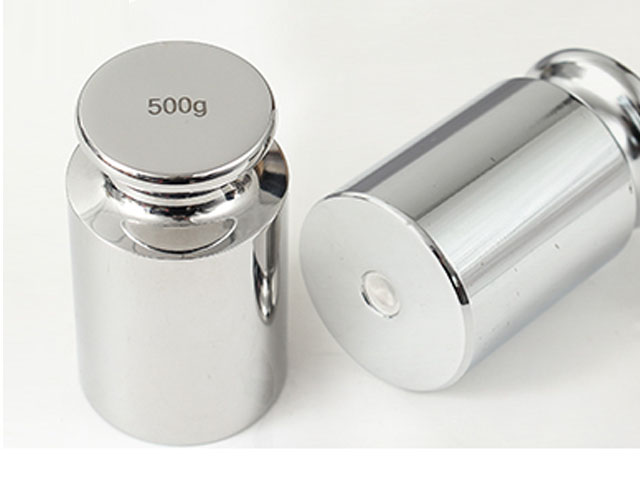
In every field that relies on consistent and trustworthy mass measurement, the role of stainless steel calibration weights remains irreplaceable, serving as the fundamental physical reference that bridges theoretical metrological standards and practical daily weighing operations. All forms of weighing equipment, from delicate laboratory analytical instruments used for microscale substance testing to robust industrial platform scales deployed for bulk material counting and heavy goods weighing, depend entirely on these specially manufactured mass references to maintain stable and consistent measurement performance over long-term use. Without reliable calibration weights made from high-quality stainless steel, even the most sophisticated and well-designed weighing devices will gradually produce inconsistent and deviated readings under the influence of environmental changes, continuous mechanical operation, and long-term component wear, leading to unreliable data results that affect every subsequent production link, experimental conclusion, and quality judgment. The essence of a stainless steel calibration weight lies in its ability to maintain a stable and unchanging mass state for an extended period, adapt to various complex use and storage environments, and provide a unified and credible mass benchmark for all types of weighing equipment calibration, routine verification, and daily accuracy inspection work, making it an indispensable basic component in modern metrology, industrial manufacturing, scientific research experimentation, and commercial quality control fields.
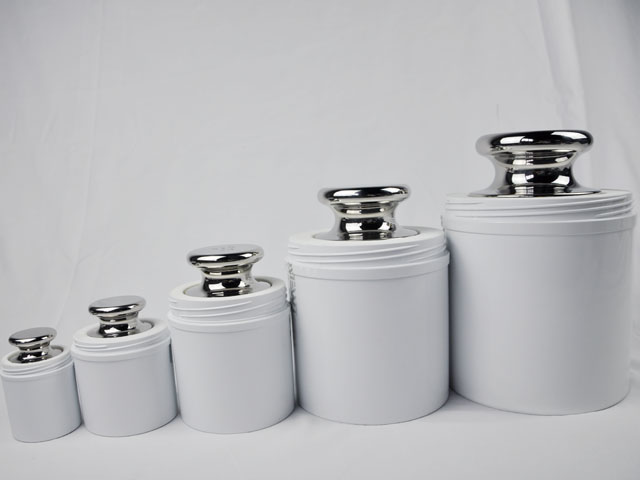
The selection of stainless steel as the core manufacturing material for calibration weights is not a random choice but a scientific decision formed after long-term practical verification and comparison of various metal and alloy materials used in mass reference production. Different from ordinary cast iron, pure aluminum, brass, and other materials occasionally used to make low-demand weighing test tools, stainless steel possesses a unique combination of physical and chemical properties that perfectly match the core requirements of calibration weights for long-term mass stability and environmental adaptability. First and foremost, stainless steel features excellent corrosion and oxidation resistance, a key characteristic that prevents the surface and internal structure of the weight from undergoing chemical changes when exposed to air, humid conditions, or trace corrosive substances present in industrial production workshops and laboratory environments. Many common metal materials are prone to rust, surface oxidation peeling, or chemical reaction corrosion after prolonged contact with moisture, dust, and industrial volatile substances, and these subtle surface changes will directly alter the actual mass of the weight, resulting in inaccurate calibration references and completely invalidating subsequent weighing equipment adjustment work. Stainless steel effectively avoids such problems through its stable internal molecular structure and special surface protection characteristics, ensuring that the overall mass of the calibration weight does not fluctuate due to external chemical erosion over years of use and storage. In addition to chemical stability, stainless steel also has ideal density characteristics, allowing calibration weights of standard mass specifications to maintain a reasonable and compact volume size, which is convenient for operators to carry, place, and use in different working scenarios without excessive bulk or excessive volume that affects normal calibration operations. At the same time, the material has good structural rigidity and wear resistance, resisting slight surface friction, accidental light collisions during handling, and subtle abrasion caused by long-term placement and repeated use, avoiding surface deformation, material loss, or structural damage that may cause mass changes. Another important advantage of stainless steel is its non-magnetic property, which prevents the weight from being affected by surrounding magnetic fields in complex working environments; magnetic interference can cause subtle changes in the internal stress and surface adsorption state of metal weights, interfering with the sensitivity and accuracy of high-precision weighing equipment during calibration, and stainless steel effectively eliminates this hidden danger, ensuring that the mass reference value is always pure and unaffected by external magnetic factors.
The production and manufacturing process of stainless steel calibration weight follows rigorous and standardized processing steps, with every link strictly controlled to ensure that each finished weight can meet the basic requirements of stable mass, accurate geometric size, and smooth surface state. The entire production process starts with the selection of high-quality stainless steel raw materials, where raw steel materials are screened and inspected for internal structural uniformity, density consistency, and chemical composition stability to eliminate raw materials with internal impurities, structural defects, or uneven density distribution. Raw materials with unqualified internal quality will cause inconsistent mass distribution inside the finished weight, leading to subtle mass deviations in different parts and affecting the overall calibration accuracy even if the surface processing meets the requirements. After raw material selection, the stainless steel materials undergo preliminary forging and casting treatment, processes designed to further homogenize the internal metal structure of the steel, eliminate internal gaps and structural stress generated during the initial smelting of the raw materials, and lay a solid foundation for the long-term structural stability of the calibration weight. The forged and cast stainless steel blanks then enter the precision CNC machining stage, the core processing link that determines the geometric accuracy of the calibration weight. Professional precision machining equipment is used to cut, polish, and shape the blanks according to standardized size specifications, ensuring that the overall shape, bottom flatness, side verticality, and top contact surface flatness of each weight reach a high level of precision. The flatness of the bottom of the calibration weight is particularly critical because only a fully flat bottom can ensure complete and stable contact with the weighing platform of various weighing devices during calibration work, avoiding measurement errors caused by uneven placement, tilting, or unstable contact. After completing the precision shaping machining, all stainless steel calibration weights undergo fine surface polishing and passivation treatment; the polishing process makes the weight surface smooth and delicate, reducing dust, dirt, and particulate matter adhesion, as rough and uneven surfaces are prone to accumulating tiny impurities that are difficult to clean, and the accumulation of these subtle attachments will slowly change the actual mass of the weight over time. The passivation treatment further enhances the corrosion resistance and oxidation resistance of the stainless steel surface, forming a stable protective layer on the surface without changing the mass of the weight, providing long-term dual protection for the internal structure and external surface of the product.
After the completion of mechanical processing and surface treatment, every stainless steel calibration weight will go through multiple rounds of precise mass debugging and fine adjustment procedures, an essential step to ensure that the actual mass of each weight matches the standard nominal mass value. The fine adjustment work is carried out in a stable indoor environment with constant temperature and low humidity, avoiding mass measurement deviations caused by environmental temperature changes, air humidity fluctuations, and air convection. Professional high-precision mass comparison instruments are used to compare and test the initial mass of each processed stainless steel weight, and according to the subtle deviation data obtained from the tests, micro fine adjustment is carried out through standardized and precise methods. The fine adjustment process only involves tiny material processing on the premise of not changing the overall structural performance and geometric state of the weight, ensuring that the final mass of the weight is within the allowable deviation range required for conventional calibration work. After the completion of mass fine adjustment, all finished weights will undergo appearance inspection, dimensional recheck, and stability preliminary testing; inspectors check whether the weight surface has processing scratches, structural damage, or polishing defects, re-measure the key geometric dimensions to ensure no dimensional deviation after fine adjustment, and place the finished weight in a simulated conventional storage environment for a period of static placement to observe whether there is any subtle mass fluctuation, eliminating unqualified products with unstable initial mass. Only stainless steel calibration weights that pass all multiple rounds of testing and inspection links will be packaged and delivered for subsequent use in various calibration and weighing verification work, ensuring that each product put into use has stable performance and accurate mass reference value.
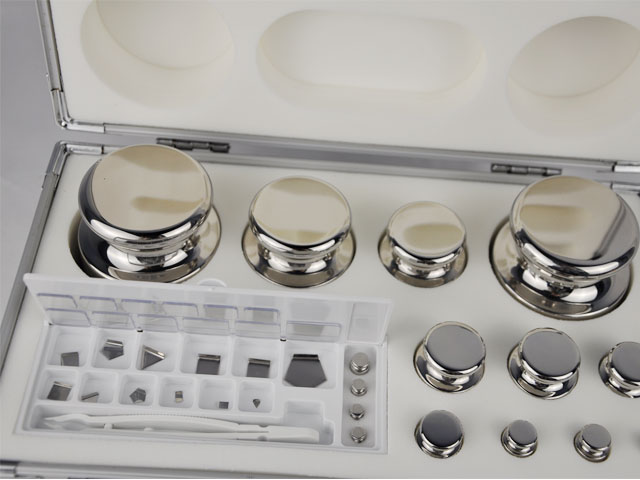
Stainless steel calibration weights are widely used in a variety of working scenarios involving precise weighing and regular equipment calibration, covering laboratory scientific research, industrial production and manufacturing, product quality inspection, commodity circulation and measurement verification, teaching and metrology training, and many other core fields, with different usage methods and application emphasis according to different working environments and weighing accuracy requirements. In professional scientific research and testing laboratories, various high-sensitivity analytical balances and precision electronic balances need regular calibration and daily accuracy checks, and stainless steel calibration weights with high overall stability are the core matching reference tools for such work. Laboratory experimental research involves accurate mass measurement of various chemical reagents, experimental samples, and test materials, and the accuracy of weighing data directly affects the authenticity and credibility of experimental results; any small deviation in weighing data may lead to wrong experimental data, affect the progress of scientific research projects, and even cause wrong research conclusions. Therefore, laboratory operators need to use stainless steel calibration weights to calibrate precision weighing instruments before each batch of experiments or conduct regular daily verification to ensure that the weighing equipment maintains a highly accurate working state during the experimental process, and all experimental mass data is true, effective, and repeatable. In the industrial production and manufacturing industry, many production links require real-time weighing and counting of raw materials, semi-finished products, and finished products, and various electronic platform scales, production line dynamic weighing equipment, and workshop special weighing devices need long-term stable calibration maintenance. Industrial production sites usually have relatively complex environmental conditions, with more dust, certain temperature and humidity changes, and occasional minor vibration and collision situations, and the excellent corrosion resistance and structural stability of stainless steel calibration weights can adapt to such harsh industrial environments, maintaining stable mass performance for a long time. Regular calibration of production weighing equipment with stainless steel calibration weights can ensure accurate weighing of raw material batching in the production process, avoid product quality problems caused by inaccurate batching ratios, ensure consistent quality standards for batch-produced products, and effectively control production costs and product qualification rates.
In product quality inspection and commodity circulation measurement links, stainless steel calibration weights play an important role in maintaining fair transaction standards and standardized quality testing work. All kinds of finished product quality inspection work requires weighing finished products to check whether their weight specifications meet the preset production standards, and circulation commodity trading relies on various commercial weighing devices to complete weight measurement and settlement transactions. If commercial weighing scales and quality inspection weighing equipment lack regular calibration with standard stainless steel calibration weights, weighing data deviation may occur, leading to unfair commodity transactions and unqualified product quality inspection results, affecting the standardized operation of the entire market circulation link. Quality inspection institutions and market measurement management personnel will regularly use stainless steel calibration weights to spot check and calibrate various commercial weighing tools and quality inspection weighing equipment, ensuring that all weighing measurement work in the circulation link is carried out within a fair and accurate standard range, safeguarding the legitimate rights and interests of both merchants and consumers, and maintaining the standardized and orderly development of the commodity market. In addition, in professional metrology teaching and vocational skills training laboratories in colleges and technical schools, stainless steel calibration weights are important teaching and training tools for cultivating professional metrology and weighing operation talents. Students and vocational trainees need to learn the basic principles of weighing measurement, master the correct operation methods of weighing equipment calibration, and understand the importance of mass reference standards in measurement work through practical operation training with stainless steel calibration weights. Through hands-on calibration practice, learners can deeply understand the impact of weighing equipment deviation on measurement results, master the skills of judging weighing equipment accuracy and completing simple calibration adjustments, laying a solid practical foundation for engaging in metrology measurement, industrial quality control, and related technical work in the future.
The correct handling, daily storage, and regular maintenance of stainless steel calibration weights are crucial to maintaining their long-term mass stability and extending their service life, and standardized operation and scientific management can effectively avoid unnecessary mass deviation and performance attenuation caused by human operation and improper storage. In terms of daily handling, operators should avoid direct contact between their hands and the surface of stainless steel calibration weights as much as possible during use; human hands will secrete sweat, grease, and tiny dirt, and direct contact will leave traces on the weight surface, forming subtle attachments that are not easy to clean, which will gradually affect the accurate mass of the weight over time. In actual operation, special clean gloves or professional weight handling tools should be used to take and place calibration weights, ensuring that the weight surface is always kept clean and free of oil pollution and handprints. During the placement and use of calibration weights, avoid arbitrary throwing, violent collision, and severe extrusion; although stainless steel has good structural rigidity, strong external impact and extrusion may cause subtle deformation of the weight bottom or local surface structure, affecting the flatness and geometric accuracy of the weight, and then leading to unstable placement and calibration errors in subsequent calibration work. In terms of daily storage, stainless steel calibration weights should be placed in a dry, clean, constant-temperature storage cabinet or special storage box, avoiding long-term placement in humid, dusty, high-temperature, or strong corrosive gas environments. A dry and tidy storage environment can effectively prevent moisture erosion and dust accumulation on the weight surface, avoid chemical corrosion and surface dirt adhesion, and maintain the long-term stable state of the weight surface and internal structure. The storage position should be fixed, and weights of different specifications should be placed separately to avoid mutual friction and collision between weights during storage and handling, reducing unnecessary surface wear.
In addition to daily handling and storage management, stainless steel calibration weights also need regular cleaning and periodic performance inspection work to ensure long-term reliable use. For daily surface cleaning, use soft, clean, lint-free cotton cloth or professional non-corrosive cleaning tools to gently wipe the weight surface, removing surface floating dust and tiny attachments; do not use strong corrosive chemical cleaning agents, hard brushes, or rough cleaning cloths for cleaning, to avoid chemical corrosion on the stainless steel surface or scratch damage to the polished surface, which would affect the surface finish and structural stability. After cleaning, the calibration weights should be placed in a ventilated and dry place to stand naturally, and put back into the special storage box after completely dry, avoiding residual moisture on the surface leading to subtle oxidation and moisture adhesion. In terms of periodic performance inspection, according to the frequency of use and working environment conditions, stainless steel calibration weights should be regularly sent to a stable measurement environment for mass recheck and performance testing. For calibration weights used frequently in industrial sites and laboratory high-frequency calibration work, the inspection cycle can be appropriately shortened; for weights used less frequently and stored in good environmental conditions, the inspection cycle can be reasonably extended. Through regular mass recheck, subtle mass changes of calibration weights caused by long-term use can be detected in a timely manner, and corresponding fine adjustment and maintenance measures can be taken to ensure that the mass reference value of each calibration weight is always within the normal available range. Once structural deformation, surface permanent damage, or excessive mass deviation that cannot be adjusted is found during the inspection, the unqualified calibration weights should be stopped in time to avoid continued use affecting the accuracy of weighing equipment calibration and leading to wrong measurement data.
With the continuous progress of modern manufacturing technology and metrology measurement level, the performance and manufacturing process of stainless steel calibration weights are also constantly optimized and upgraded, and their application scope and application importance in various industries are becoming more prominent. Modern industrial production is developing towards refined production and precise quality control, and all production links have higher and higher requirements for the accuracy and stability of weighing measurement data; any subtle weighing deviation may affect the overall production quality and operational efficiency of the enterprise. Scientific research and experimental work are also moving towards micro-precision measurement and high-precision data research, putting forward more stringent requirements for the stability and accuracy of mass reference tools. As the most basic and core mass reference standard tool, stainless steel calibration weights will always be the key guarantee for all weighing measurement work, and their stable performance and accurate quality are the primary prerequisites for realizing unified and standardized measurement work in all walks of life. In the future, with the continuous optimization of stainless steel material formulas and the continuous upgrading of precision manufacturing and processing technology, the structural stability, surface durability, and long-term mass retention performance of stainless steel calibration weights will be further improved, adapting to the higher precision measurement needs of emerging industries and new scientific research fields.
Whether in sophisticated laboratory scientific research, complex industrial production workshops, standardized commodity quality inspection links, or professional metrology teaching and training scenarios, stainless steel calibration weights always maintain a stable and reliable state, silently providing accurate mass reference benchmarks for all weighing measurement work. It is not only a simple metal weighing tool, but also an important cornerstone of modern metrology and measurement work, connecting every link from basic metrological standards to practical application and implementation. Only by attaching importance to the selection of high-quality stainless steel calibration weights, standardizing their use and storage management, and doing a good job in regular maintenance and inspection, can we ensure that all weighing equipment maintains accurate and stable working performance for a long time, make all weighing measurement data true and reliable, and provide solid and effective measurement support for industrial production quality improvement, scientific research achievement accuracy, and market commodity transaction fairness. The long-term value of stainless steel calibration weights lies in their unchanging stability and reliable accuracy, supporting the stable operation and standardized development of all industries that rely on precise weighing measurement, and becoming an indispensable basic guarantee for the orderly progress of modern social production and scientific research activities.
Stainless Steel Calibration Weight
https://www.veidtweighing.com/calibration-weights.html
Post Date: Apr 28, 2026
https://www.supplier-manufacturer.com/calibration-weight/stainless-steel-calibration-weight.html

![M1 Class Test Weight]()
M1 Class Test Weight
Understanding the relationship between physical load, bodily adaptation, and consistent movement practice stands as one of the most foundational yet deeply nuanced aspects…![50kg Cast Iron Weight]()
50kg Cast Iron Weight
Cast iron has long stood as one of the most dependable and widely utilized foundational materials for producing solid weight blocks across industrial, commercial, and prac…![Laboratory Test Weight]()
Laboratory Test Weight
Within every professional laboratory environment, regardless of whether the core work focuses on scientific research, material analysis, experimental formulation, or routi…![Scale Calibration Weight Set]()
Scale Calibration Weight Set
In every sector that relies on numerical weighing data to guide operations, make decisions, or maintain consistent output, the stability and accuracy of weighing equipment…![Class 1 Calibration Weight]()
Class 1 Calibration Weight
In the entire system of modern measurement and metrology work, mass measurement stands as one of the most fundamental and indispensable basic measurement links, running th…