Dustproof Counting Scale
In modern industrial production, laboratory research, and daily material sorting operations, counting and weighing small bulk materials have become an indispensable basic link. A dustproof counting scale stands out among various weighing and counting devices due to its unique structural optimization and environmental adaptability, serving as a reliable auxiliary tool for material quantity statistics and weight detection in complex working spaces. Unlike ordinary counting scales that are suitable for clean and stable environments, this type of equipment is specially optimized to cope with dusty working conditions, effectively reducing the adverse effects of floating particles on internal components, and maintaining stable counting and weighing performance during long-term continuous operation. Its rational structural design and practical functional attributes make it widely applied in multiple industries involving granular, flaky and small block materials.
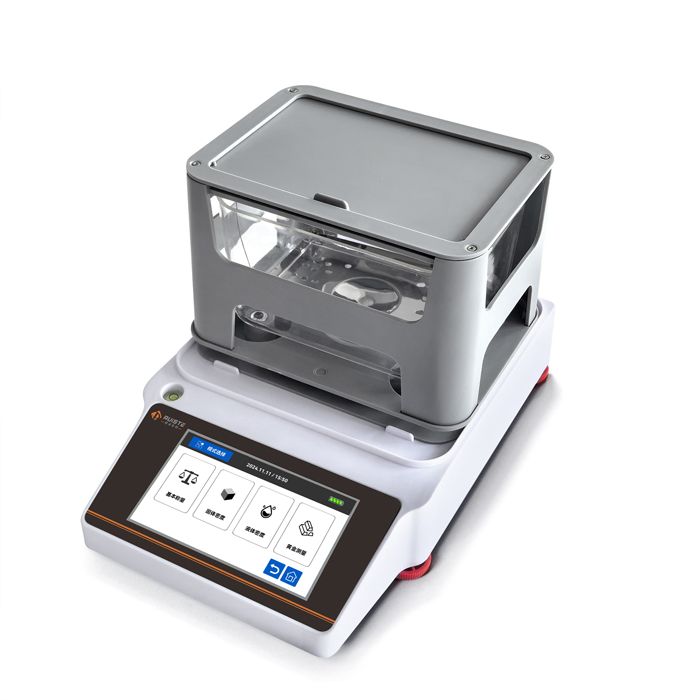
The internal structural design of a dustproof counting scale is the core basis for its anti-dust capability and counting accuracy. The whole machine adopts a compact and enclosed framework, and the gaps between the shell components are filled with dense sealing materials. This structural arrangement can effectively block external dust, fine debris and suspended particles from entering the internal precision sensing area. The weighing sensor, which acts as the core detection component, is placed in an independent closed bin. The bin wall is made of durable dense materials that are not easy to accumulate dust, avoiding direct contact between dust particles and high-sensitivity induction elements. In addition, the feeding and bearing part of the scale body adopts a smooth and non-stick surface treatment process. This design not only prevents fine materials from adhering to the surface to cause counting errors, but also reduces the residual dust in the gaps during material blanking, simplifying the daily cleaning work of the equipment. The key moving parts inside the equipment are also equipped with dust-proof baffles, which can slow down the wear of mechanical structures caused by long-term dust erosion and extend the service life of internal components.
The working logic of the dustproof counting scale follows the linkage principle of weight sensing and data conversion. When a batch of materials is placed on the bearing table, the high-sensitivity sensor inside the equipment can capture subtle weight changes in real time and convert the collected weight data into electrical signals. After that, the built-in data processing module analyzes the average single weight of materials through internal algorithm calculation, and quickly calculates the total quantity of the placed materials by combining the total weight. In order to adapt to dusty environments, the equipment is equipped with an intelligent anti-interference program. Floating dust in the air may produce tiny pressure changes on the scale surface, and this program can identify and eliminate such invalid interference data, ensuring that the counting results will not deviate due to environmental dust pollution. For materials with slight weight differences among individual items, the system can also complete data correction through repeated sampling and averaging, maintaining stable counting performance for heterogeneous small materials.
The excellent environmental adaptability enables the dustproof counting scale to operate stably in various harsh working conditions. It can maintain normal working performance within a wide temperature range, and the internal circuit and sensing components will not have signal distortion caused by extreme temperature changes. In terms of humidity resistance, the equipment can adapt to moderately humid working spaces. The sealed structure can prevent moisture and dust from mixing to form sticky dirt, which would otherwise corrode internal circuits. In workshops with large amounts of suspended dust such as grain processing, hardware production and chemical raw material sorting, the equipment can run continuously for a long time without frequent shutdowns for dust removal. Compared with ordinary counting scales that are prone to sensor blockage and data drift in dusty environments, this optimized equipment effectively reduces the frequency of equipment failure and maintenance downtime, improving the continuity of industrial operation.
The application scenarios of dustproof counting scales cover a variety of industries that require precise counting and dusty operating environments. In the hardware processing industry, it is used for counting small metal accessories such as screws, nuts and gaskets. A large amount of metal dust and processing debris will be generated during hardware production and processing. The dustproof structure can protect internal precision parts from metal particle erosion, ensuring that the quantity statistics of bulk accessories are efficient and accurate. In the grain and agricultural product processing industry, the equipment is applied to the counting and sorting of grains, seeds and dried granular agricultural products. Dust and chaff fragments are inevitably generated in grain processing workshops, and the smooth dust-resistant surface of the scale body is convenient for cleaning residual grain dust, avoiding mildew and bacterial growth caused by long-term dust accumulation. In the chemical industry, it is suitable for counting small granular chemical raw materials and auxiliary materials. Some chemical dust has slight corrosiveness, and the special shell material of the equipment can resist weak chemical corrosion while blocking dust, maintaining the stability of internal components.
In addition to industrial production, dustproof counting scales also play an important role in laboratory research and small-batch material distribution. Some material laboratories need to count granular experimental samples, and the experimental environment may produce floating powder dust during sample preparation. The dustproof design can prevent sample dust from contaminating the internal circuit of the equipment and avoid cross-interference between different experimental samples. In commodity packaging and warehousing links, the equipment is used for quantity inspection of small packaged parts. Warehousing and packaging workshops often have floating dust generated by packaging paper scraps and raw material debris. The stable counting function can help staff complete batch quantity verification quickly, reducing the error rate of inventory statistics. For manual sorting scenarios of small materials, the simple operation panel of the equipment lowers the use threshold. Workers can complete material placement, data viewing and data clearing through simple keys, which is friendly to operators with different proficiency levels.
Daily maintenance and scientific use methods are crucial to prolong the service life of dustproof counting scales and maintain detection accuracy. In daily use, the surface of the scale body should be cleaned regularly with soft cleaning tools to remove surface accumulated dust and residual materials. It is not advisable to use corrosive cleaning liquids to avoid damaging the surface anti-dust coating and sealing structure. During the placement of the equipment, it is necessary to choose a flat and stable placement platform to prevent the internal sensor from being affected by vibration and inclination. Although the equipment has excellent dust resistance, it should still avoid long-term exposure to extremely dusty environments without necessary protective measures. Regular inspection of the internal sealing strips and dust baffles is required. If aging or deformation of the sealing components is found, timely replacement should be carried out to ensure the continuous effectiveness of the dustproof performance. In addition, the equipment should be placed in a dry and ventilated space when not in use, to prevent dust from accumulating in the gaps for a long time and causing structural aging.
With the continuous upgrading of industrial production automation, the functional configuration of dustproof counting scales is also constantly optimized. Many improved models are equipped with data storage and export functions, which can record the counting data of each batch of materials. The stored data is convenient for subsequent production traceability and statistical analysis, helping enterprises sort out production rules and optimize material management plans. Some equipment is also embedded with intelligent alarm mechanisms. When the counting data exceeds the preset error range or the internal dust accumulation reaches the warning threshold, the system will send out prompt signals to remind staff to check and maintain the equipment. In terms of energy consumption, most dustproof counting scales adopt low-power circuit design, which can reduce energy consumption during long-term continuous operation and meet the energy-saving needs of modern production enterprises.
In the entire weighing and counting equipment industry, the emergence of dustproof counting scales fills the market gap of counting equipment suitable for dusty environments. Traditional counting equipment is mostly designed for clean indoor environments, and it is difficult to adapt to the complex dust pollution conditions in industrial production. The structural optimization and performance improvement of dustproof counting scales make up for this deficiency. It balances the advantages of compact volume, simple operation and stable performance, and can meet the counting needs of different types of granular materials. For small and medium-sized production enterprises with limited working environment conditions, this type of equipment provides a cost-effective material counting solution, reducing the extra investment caused by equipment damage and frequent replacement.
Looking at the long-term development trend, dustproof counting scales will further develop towards intelligent integration and diversified adaptation. With the continuous progress of sensing technology and algorithm optimization, the counting accuracy and anti-interference ability of the equipment will be further improved, and it can cope with materials with more complex particle shapes and weight differences. The shell materials will also be upgraded to be more wear-resistant, corrosion-resistant and dust-adsorbent resistant, adapting to more extreme industrial working conditions. At the same time, the equipment will be more compatible with automated production lines. Through connection with transmission equipment, it can realize uninterrupted automatic feeding, counting and blanking, reducing manual intervention in the production process. While maintaining the basic dustproof and counting functions, the equipment will optimize the human-computer interaction interface to make the data display more intuitive and the operation logic more concise.
In conclusion, the dustproof counting scale is a practical and environment-adaptive weighing and counting device. Its unique dustproof structure, stable data processing capability and wide application range make it an important auxiliary tool in industrial production, laboratory research and warehousing management. Through reasonable structural design and technical optimization, it solves many pain points such as easy dust pollution, unstable data and short service life of traditional counting scales in dusty environments. With the continuous development of the manufacturing industry and the improvement of material management refinement requirements, dustproof counting scales will gain broader application space. By combining intelligent technology and environmental protection design, this type of equipment will continuously optimize its performance, provide reliable quantity detection services for various industries, and contribute to the standardized and efficient development of material management work in all fields.
Dustproof Counting Scale
https://www.pruiste.com/counting-scale.html
Post Date: May 7, 2026
https://www.supplier-manufacturer.com/counting-scale/dustproof-counting-scale.html

![Electronic Balance Price]()
Electronic Balance Price
In modern industrial production, scientific research, and daily analytical work, electronic balances have become indispensable measuring instruments that underpin the accu…![Laboratory Electronic Balance]()
Laboratory Electronic Balance
In modern scientific research and industrial analytical processes, precise mass measurement serves as an indispensable foundational step for numerous experimental and prod…![Lightweight Weighing Scale]()
Lightweight Weighing Scale
In modern daily life, people pursue a convenient and minimalist lifestyle, and compact functional tools gradually become indispensable supplies in living spaces. A lightwe…![High Precision Weighing Scale]()
High Precision Weighing Scale
In modern measurement systems, high precision weighing scales stand as essential instrumental devices that deliver meticulous mass detection for various objects ranging fr…![Explosion Proof Weighing Scale]()
Explosion Proof Weighing Scale
In modern industrial production, many operational scenarios involve flammable and combustible substances, including volatile chemical liquids, suspended organic dust, and …