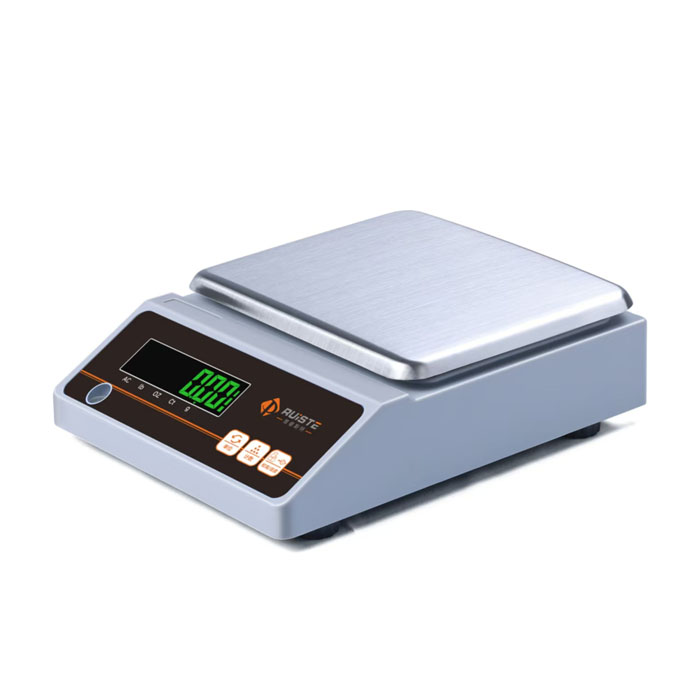
Weighing Balance RSB-W SERIES
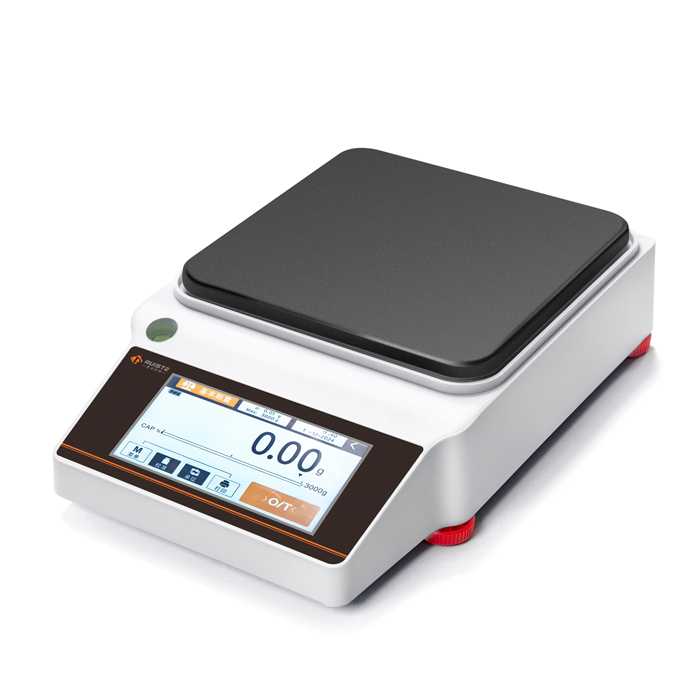
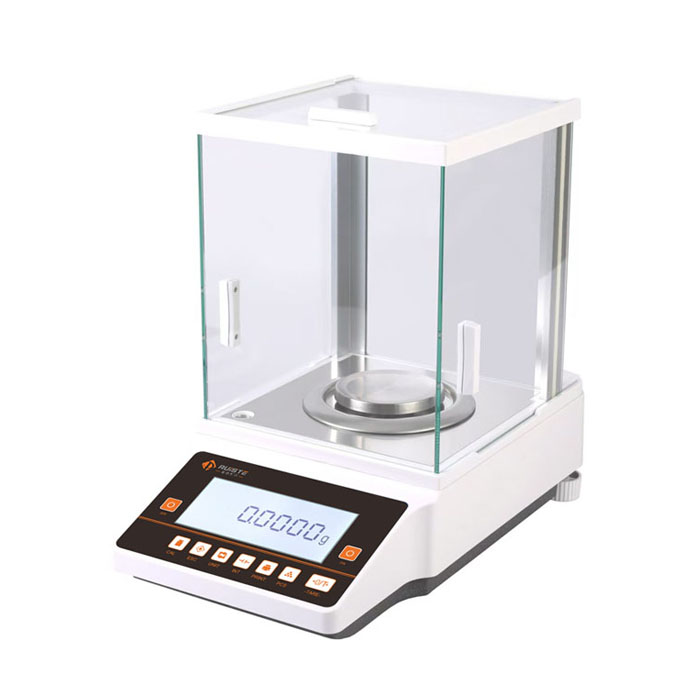
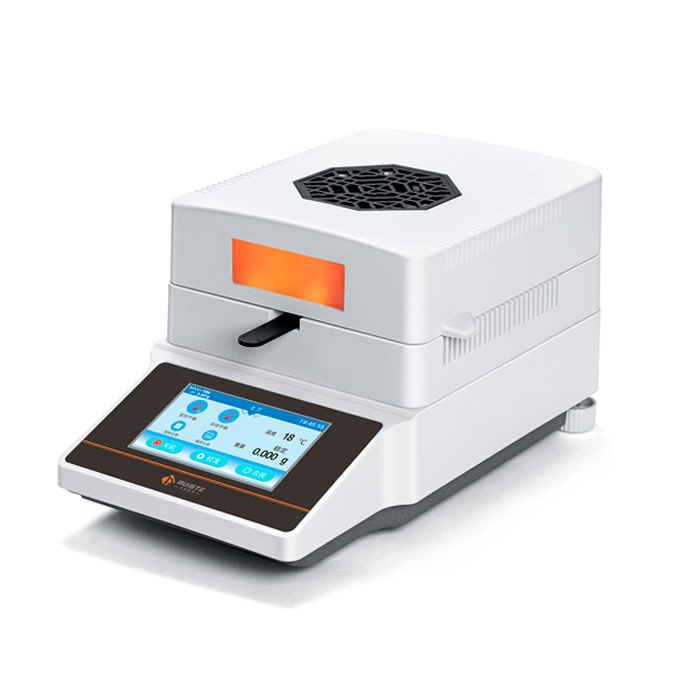
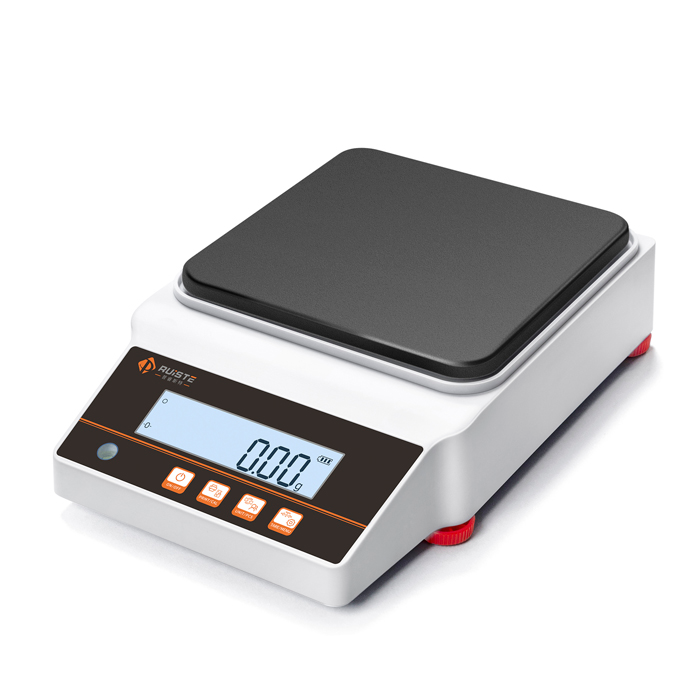
The RSB-W series adopts high-definition keys, which is economical. The entire series of balances adopt Nuosheng sensors, brand sensors, and aluminum alloy structure to ensure high accuracy and stability of weighing results. This series of precision casting ABS Environmental protection materials are designed, with one-key switching mode of Chinese and English interface, high-efficiency die-cast aluminum alloy base, stable and solid bearing base, clear and visible samples of fully transparent glass windshield, stainless steel table panel and stainless steel frosted large plate 29*23cm, resolution as high as 1.2 million, high-speed 24bitsad, anti-interference ability, anti-radiation, anti-static high-efficiency, etc., with weighing, counting, counting mode.
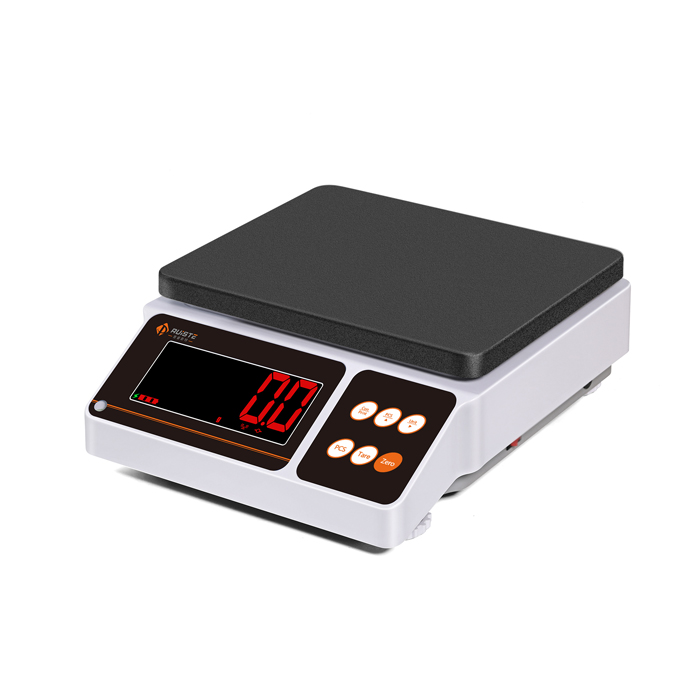
The weighing balance stands as one of the most fundamental and indispensable measuring instruments in human production, scientific research, and daily life. Rooted in the basic physical law of force equilibrium, this device has accompanied the progress of human civilization for thousands of years, evolving from simple manual mechanical structures to sophisticated intelligent measuring equipment. Its core function lies in comparing and measuring the mass of objects, providing reliable quantitative data for various scenarios that require accurate mass judgment. Unlike intuitive visual estimation or rough measuring methods, the weighing balance eliminates subjective judgment errors and unifies the standard of mass measurement, laying a solid foundation for the development of trade exchange, experimental research, industrial manufacturing, and quality detection across all fields.
The earliest prototype of the weighing balance originated from ancient human exploration of force balance principles. In primitive trading and daily material measurement scenarios, people discovered that a horizontal beam supported at the midpoint could maintain a stable horizontal state when bearing equal gravity at both ends. Based on this simple observation, the original mechanical balance was created, consisting of a straight beam, a central fulcrum, and two suspended bearing pans. In use, unknown objects were placed on one pan, and standard reference masses were gradually added to the other pan until the beam returned to a horizontal equilibrium position. This structural design cleverly applies the lever principle, where equal arm lengths on both sides of the fulcrum ensure that balanced gravity corresponds to equal mass, realizing the most primitive standardized mass measurement. Although the structure of early balances was simple and affected by manual operation and environmental interference, they established the core logic of mass measurement based on force equilibrium, which has continued to influence the design and iteration of subsequent weighing equipment.
With the continuous progress of industrial technology and scientific cognition, the structure and working mode of weighing balances have undergone profound changes, gradually breaking through the limitations of traditional pure mechanical structures. Modern weighing balances are mainly divided into mechanical precision balances and electronic weighing balances, each with unique structural characteristics and application advantages. The optimized mechanical balance retains the classic lever and fulcrum structure but adds refined auxiliary components such as knife-edge bearings and damping devices. The high-precision knife-edge design reduces friction resistance during beam oscillation, enabling the beam to reach an equilibrium state more stably and quickly. The damping structure weakens the left-right swing amplitude of the beam, shortening the waiting time for measurement stabilization and effectively improving the stability and repeatability of each weighing operation. Such balances rely entirely on physical mechanical equilibrium for measurement, without the need for external power supply, and can maintain stable working performance in various conventional environments, showing strong practicability and durability.
Electronic weighing balances represent the modern upgraded form of weighing equipment, abandoning the traditional pure mechanical comparison mode and adopting advanced physical sensing and signal conversion technologies. Most mainstream electronic balances rely on strain gauge sensing or electromagnetic force compensation principles to complete mass measurement. When an object is placed on the weighing platform, the gravity of the object acts on the internal sensing unit of the balance. The strain gauge structure will produce tiny elastic deformation under force, causing regular changes in internal resistance. The unbalanced state of the strain gauge circuit generates a corresponding electrical signal, and the microprocessor inside the device converts the collected electrical signal into accurate mass data through built-in algorithms. The electromagnetic force compensation structure works in a similar logical framework, offsetting the gravity of the object through generated electromagnetic force to restore the balance system to a steady state, and calculating the mass of the object according to the magnitude of the required electromagnetic force. This electromechanical integration design greatly improves the sensitivity and response speed of weighing, realizing rapid and real-time acquisition of measurement data.
In practical application scenarios, the performance of a weighing balance is affected by a variety of environmental and operational factors, and standardized use and maintenance are key to ensuring long-term stable measurement accuracy. Environmental conditions such as ambient temperature, air flow, and ground vibration will produce subtle interference with weighing results. Severe temperature changes will affect the elastic performance of mechanical components and the electrical performance of sensing units, leading to slight deviations in measurement data. Continuous air flow will generate additional acting force on the weighing platform and the measured object, while ground vibration will destroy the stable state of the balance system, both of which will reduce the consistency of weighing data. Therefore, daily use of the weighing balance requires a relatively stable indoor environment, avoiding placement near ventilation openings, direct sunlight, or vibrating mechanical equipment.
Operational standardization also plays a vital role in maintaining measurement stability. Before each use, it is necessary to check the horizontal state of the balance. Most balances are equipped with a horizontal calibration component, and adjusting the foot pads to keep the instrument in a horizontal state can avoid eccentric load errors caused by tilting of the weighing structure. The weighing platform should be kept clean and dry at all times, with no residual dust, debris, or liquid stains, because foreign matters attached to the platform will directly affect the basic zero position of the balance and lead to inaccurate measurement. When placing the measured object, it should be gently placed in the center of the weighing platform to prevent impact force from damaging the internal sensing components and avoid measurement errors caused by eccentric stress. In addition, it is necessary to preheat the equipment appropriately according to the structural characteristics before formal measurement, so that the internal electronic components and mechanical structures can reach a stable working state, ensuring the consistency of each measurement result.
Weighing balances cover a wide range of application fields, penetrating every link that requires accurate mass measurement. In laboratory scientific research, high-precision weighing balances are essential basic equipment for chemical analysis, pharmaceutical research, material testing, and biological experiments. In chemical reagent preparation, researchers need to accurately weigh trace solid powders and liquid raw materials, and the accurate mass data provided by the balance ensures the precise proportion of experimental formulas, making experimental results repeatable and reliable. In new material research, weighing balances are used to measure the mass changes of materials before and after stress, temperature change, and chemical reaction, providing key data support for analyzing material performance changes and structural characteristics.
In industrial production and manufacturing, weighing balances undertake the important tasks of raw material batching, product quality inspection, and production process monitoring. In fine chemical, food processing, and pharmaceutical production industries, the precise batching of raw materials directly determines the quality and performance of finished products. The weighing balance can accurately control the dosage of each raw material, ensuring the stability of product formula and consistent product quality in batch production. In the finished product inspection link, the balance is used to detect whether the net content of products meets the unified specification standards, screening out unqualified products with insufficient or excessive content, and standardizing product production specifications. At the same time, in the processing and manufacturing of precision parts, small precision balances are used to detect the mass uniformity of parts, effectively controlling production errors and improving the assembly accuracy and service performance of mechanical equipment.
In commercial trade and daily life, weighing balances maintain the fairness and order of material transaction. Bulk commodity transactions in agricultural markets, supermarkets, and wholesale markets rely on weighing equipment to complete mass measurement, realizing equivalent value exchange based on unified measurement standards. In logistics and warehousing industries, balances are used to weigh goods, providing basic data for freight calculation and inventory statistics. Compared with manual estimation, standardized weighing data eliminates transaction disputes caused by subjective judgment, ensuring the fairness and transparency of commercial transactions. In addition, household small weighing balances are widely used in daily diet matching, baking production, and health management, bringing convenience to refined daily life.
The long-term service life and stable performance of weighing balances depend on scientific daily maintenance and regular inspection. After daily use, the surface of the equipment and the weighing platform should be cleaned in time to avoid long-term adhesion of corrosive substances, dust, and stains that damage internal components. For mechanical balances, it is necessary to regularly check the flexibility of the fulcrum, knife-edge, and suspension structure, and apply a small amount of lubricating oil to the movable parts to ensure flexible operation and reduce friction loss. For electronic balances, avoid long-term overload use, because long-term overload pressure will cause irreversible fatigue deformation of the internal sensing unit, permanently reducing measurement accuracy. In addition, the equipment should be placed in a dry and ventilated storage environment to avoid moisture and dust accumulation leading to circuit failure or mechanical structure rust.
With the continuous development of modern intelligent technology, weighing balances are constantly evolving in the direction of intelligence, integration and high efficiency. Traditional single weighing function is gradually expanded, and modern balances can realize data automatic recording, real-time data transmission, and data statistics and analysis by connecting with peripheral equipment and system platforms. This intelligent transformation avoids data recording errors caused by manual operation, improves the efficiency and traceability of measurement work, and adapts to the needs of large-scale, standardized and intelligent modern production and scientific research. At the same time, the volume of weighing equipment is more optimized, the operation interface is more concise and user-friendly, and the threshold of equipment use is reduced, enabling high-precision weighing technology to be better popularized and applied in various fields.
Throughout the development history of weighing balances, from simple mechanical lever structures to modern intelligent electronic measuring equipment, every technological iteration is based on the pursuit of higher measurement stability and better use experience. As a basic measuring instrument, it does not provide gorgeous functional expansion, but provides the most basic and core quantitative support for all walks of life. All scientific experiments, industrial production and commercial transactions that rely on mass measurement cannot be separated from the support of weighing balances. In the future, with the continuous innovation of sensing technology, artificial intelligence algorithm and material technology, weighing balances will further improve their anti-interference ability, measurement precision and intelligent level, adapt to more complex application scenarios, and continue to play an irreplaceable basic role in the progress of human society and the development of various industries.
Weighing Balance RSB-W SERIES
https://www.pruiste.com/qtxl/dzjztprsbw
Post Date: Jun 7, 2026
https://www.supplier-manufacturer.com/counting-weighing-balance/weighing-balance-rsb-w-series.html

![Laboratory Balance Vender In China]()
Laboratory Balance Vender In China
The laboratory balance industry in China has undergone steady and transformative development over the past decade, evolving from a reliant market on imported equipment to …![Laboratory Balance Exporter]()
Laboratory Balance Exporter
Laboratory balances stand as foundational measuring instruments in modern scientific research, industrial production, and quality inspection sectors, serving as core equip…![Analytical Balance Exporter]()
Analytical Balance Exporter
Analytical balances stand as indispensable precision measuring instruments in modern industrial and scientific scenarios, serving as fundamental equipment for accurate mas…![Moisture Analytical Balance]()
Moisture Analytical Balance
Moisture content stands as one of the most fundamental physical attributes for countless raw materials, semi-finished goods, and finished products across diverse industria…![Material of Precision Balance]()
Material of Precision Balance
A precision balance stands as an essential measuring instrument widely applied in laboratory analysis, industrial production, pharmaceutical research, and chemical testing…