Counting Balance RSB-C SERIES
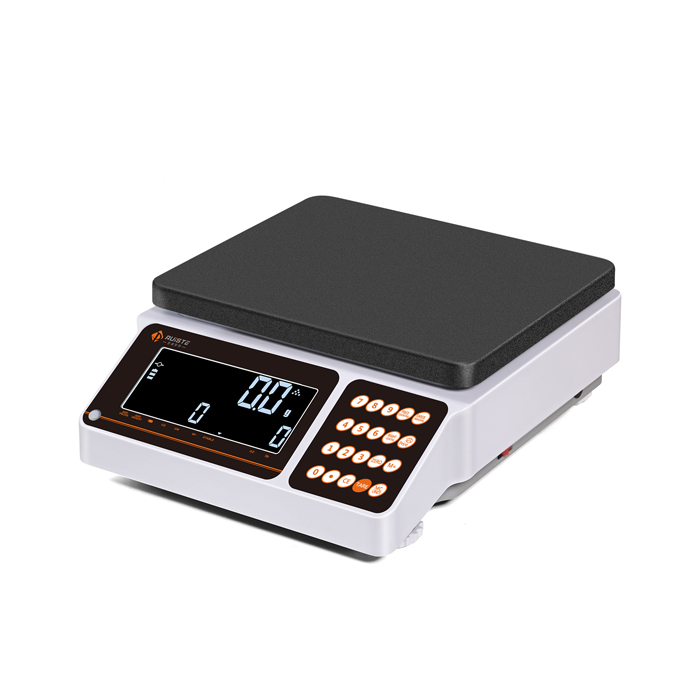
The RSB-C series adopts high-definition keys, which is economical. The entire series of balances adopt Nuosheng sensors, brand sensors, and aluminum alloy structure to ensure high accuracy and stability of weighing results. This series of precision casting ABS environmental protection materials are designed, with one-key switching mode of Chinese and English interface, high-efficiency die-cast aluminum alloy base, stable and solid bearing base, clear and visible samples of fully transparent glass windshield, stainless steel table panel and stainless steel frosted large plate 29*23cm, resolution as high as 1.2 million, high-speed 24bitsad, anti-interference ability, anti-radiation, anti-static high-efficiency, etc., with weighing, counting, counting mode.
To count balance is to live with deliberate awareness, to pause amid the constant flow of life and measure the quiet equilibrium that shapes our days. It is not a mechanical act of tallying gains and losses, nor a rigid attempt to make every part of life identical and uniform. Instead, it is a gentle, ongoing practice of evaluation, adjustment, and acceptance that anchors human existence amid chaos, change, and uncertainty. Every day brings countless transactions of time, energy, emotion, and focus, and each small choice tips the invisible scales that define our personal balance. Learning to count this balance well is learning to live intentionally, to recognize what nourishes us and what drains us, and to cultivate a life that feels steady, harmonious, and complete.
The concept of balance stretches far beyond the tangible calculations of daily affairs. In its simplest physical form, balance describes a state of stability where opposing forces hold one another in check, preventing tilt and collapse. A body standing upright, a tree rooted against wind, a stream flowing without overwhelming its banks—all embody this natural state of equilibrium. Human life follows the same quiet rule. We exist not in static perfection, but in a continuous process of adjusting and recalibrating. To count balance is to acknowledge this dynamic truth, to understand that stability is not something we find once and keep forever, but something we rebuild through small, consistent choices each day.
In daily life, we often overlook how many areas require balanced attention until we feel the subtle strain of imbalance. We pour excessive energy into one pursuit, letting other vital parts of life fade into neglect. We might immerse ourselves in endless work tasks, chasing progress and productivity, while overlooking rest, connection, and personal growth. or we might indulge in idle comfort, avoiding meaningful effort and responsibility, only to feel unfulfilled and adrift in the long run. These shifts rarely happen overnight. They accumulate slowly, through unexamined habits and repeated small decisions, until the scales of life tip noticeably off center. Counting balance means staying mindful of these gradual shifts, noticing early signs of strain, and making gentle corrections before minor imbalance grows into deeper unrest.
Emotional balance is one of the most intimate and vital forms of this practice. Human feelings are inherently fluid; joy and sorrow, excitement and weariness, calm and restlessness all rise and fall in natural cycles. To count emotional balance is not to suppress intense emotion or force constant cheerfulness, but to maintain a steady inner core that can weather emotional tides. It means allowing oneself to feel deeply without being consumed by fleeting moods, to acknowledge frustration or sadness without letting them overshadow gratitude and hope, and to embrace happiness without clinging to it fearfully. When we fail to count this inner balance, we become reactive, swept along by every external trigger and passing feeling. We might overinvest in fleeting pleasures to avoid discomfort, or dwell on past regrets to the point of numbing present joy. A balanced emotional state lets us engage with life fully, meeting each experience with clarity and resilience.
The balance of effort and rest is another essential dimension that demands consistent counting and adjustment. Modern life often glorifies constant motion and relentless output, creating a quiet pressure to stay productive at all hours. This mindset distorts natural balance, treating rest as unproductive or indulgent rather than recognizing it as a necessary counterpart to meaningful effort. True progress relies on both focused work and intentional pause. Effort builds skill, creates growth, and brings tangible advancement, while rest restores energy, sharpens perspective, and renews creativity. To count this balance is to honor the rhythm of exertion and renewal, to recognize that sustained growth cannot exist without adequate recovery. It means resisting the urge to overwork in pursuit of hurried gains, and also avoiding the inertia of prolonged inactivity that stifles potential and purpose.
Relationships also require careful balance, a steady counting of give and take that keeps connections genuine and sustainable. Every meaningful bond, whether with family, friends, or community, thrives on mutual care, respect, and reciprocity. Imbalance in relationships emerges when one party gives endlessly without receiving nourishment in return, or when one person takes freely without offering support and consideration. Over time, this uneven dynamic erodes trust and warmth, turning heartfelt connection into obligation or resentment. Counting relational balance does not mean keeping a rigid score of every favor and kindness, nor does it demand perfect equality in every interaction. It means staying attuned to the overall tone of a relationship, ensuring that care flows both ways, that boundaries are respected, and that no person carries the weight of a connection alone. It involves knowing when to offer support, when to seek help, and when to create space to preserve individual well-being alongside shared connection.
Personal growth relies heavily on the balance of acceptance and ambition, two forces that shape every stage of life. Ambition drives us forward, encouraging us to learn, improve, explore new possibilities, and strive for growth. Without it, life becomes stagnant, lacking direction and progress. Acceptance, by contrast, lets us embrace our current selves, honor our limits, and find peace with where we are in the present moment. Without acceptance, ambition turns into restlessness and self-criticism, leaving us perpetually dissatisfied with our efforts and achievements. Counting this balance means nurturing the courage to grow while maintaining kindness toward the present self. It means setting meaningful goals without punishing oneself for slow progress, pursuing improvement without neglecting self-compassion, and dreaming of the future while fully appreciating the value of the now.
The balance of solitude and social engagement further defines the quality of our daily lives. Human beings are inherently social creatures, yet every person also needs quiet, solitary time to reflect, recharge, and reconnect with their inner thoughts. Too much unbroken social interaction can leave people feeling drained, scattered, and disconnected from their own needs and values. Too much isolation, by contrast, can breed loneliness, narrow perspective, and stagnation of thought and emotion. Counting this balance involves tuning into personal energy levels, recognizing when connection with others is needed to expand one’s world, and when quiet solitude is necessary to restore inner clarity. It means participating fully in community and conversation without losing personal autonomy, and embracing quiet reflection without withdrawing from meaningful human connection.
Many people mistake balance for uniformity, believing that a balanced life requires equal time and energy devoted to every area each day. This misunderstanding makes balance feel unattainable and rigid, a standard that can never be consistently met. In truth, balance is dynamic and contextual. Some seasons of life demand greater focus on work or study, while others prioritize healing, family connection, or personal exploration. To count balance wisely is to recognize these seasonal shifts, adjusting focus and energy accordingly rather than adhering to rigid daily rules. A life balanced over weeks, months, and years is far more sustainable than a forced perfect balance in every single day. There are days when effort dominates, and days when rest takes priority, and both have a place in a harmonious life.
Counting balance also involves cultivating awareness of small, everyday imbalances that gradually shape long-term well-being. Unchecked habitual patterns often tilt life off center: excessive screen time that replaces meaningful reflection and conversation, constant busyness that crowds out gratitude and presence, or excessive caution that prevents growth and courage. These small shifts seem trivial in the moment, but they accumulate over time to alter the overall quality of life. Mindfully counting balance means auditing these quiet habits regularly, letting go of patterns that deplete energy and clarity, and nurturing routines that foster stability, joy, and growth. It is a practice of gentle self-reflection, not harsh judgment, aimed at aligning daily actions with long-term personal values.
Gratitude plays a vital role in the practice of counting balance. When we focus only on what we lack or what remains unfinished, we perceive life as unbalanced and incomplete, fixating on deficits while ignoring abundant blessings. Gratitude recalibrates this perspective, helping us recognize the good that already exists alongside areas still needing growth. It allows us to count the full scope of life’s scales—acknowledging challenges and gaps without overlooking strengths, blessings, and progress. This balanced perspective prevents bitterness and dissatisfaction, fostering a grounded sense of peace even amid ongoing struggle. It teaches us that balance is not the absence of difficulty, but the presence of enough good to sustain hope and effort through hard seasons.
Courage is equally essential to counting and maintaining life balance. Adjusting imbalance often requires letting go of comfortable but unsustainable patterns, setting boundaries with others, prioritizing long-term well-being over immediate comfort, and making changes that feel awkward or difficult in the moment. Many people remain in unbalanced states simply because change feels daunting, even when the current pattern drains their energy and joy. Counting balance honestly means facing uncomfortable truths about one’s choices, recognizing when priorities have drifted, and taking intentional action to realign daily life with core values. It requires courage to slow down when the world glorifies speed, to rest when productivity feels mandatory, and to prioritize personal well-being over external expectations.
Over time, the consistent practice of counting balance builds a quiet inner stability that anchors every area of life. It fosters a lifestyle that is neither reckless nor stagnant, neither overly demanding nor complacent. People who cultivate this balance live with greater presence, able to engage deeply in work, relationships, and personal pursuits without burnout or detachment. They navigate change with resilience, because their sense of steady equilibrium comes from internal awareness rather than external circumstances. They understand that life will always contain overlapping demands, unexpected challenges, and shifting priorities, but these do not have to disrupt inner harmony when balanced attention and intentional choice guide daily living.
Counting balance is ultimately a lifelong practice, not a final destination. There is no permanent state of perfect balance that once achieved removes all need for adjustment. Life is constantly evolving, bringing new responsibilities, new emotions, new opportunities, and new challenges that require ongoing recalibration. What feels balanced in one season may feel strained in another, and that natural progression is part of human growth. The value lies not in reaching an unchanging state of equilibrium, but in developing the mindful habit of continuous counting, reflecting, and adjusting. It is this steady, intentional practice that builds a life of sustained harmony, purpose, and peace.
In a world that often pushes people toward extremes—constant hustle or idle comfort, emotional suppression or unbridled reaction, self-neglect or self-indulgence—the quiet discipline of counting balance offers a grounded, humane way to live. It invites us to move through life with thoughtful intention, honoring both effort and rest, both self-development and connection, both ambition and acceptance. It teaches us to see life not as a race to be won or a burden to be endured, but a delicate, dynamic system to be nurtured and balanced each day. To count balance well is to live well, with clarity, kindness, and steady wisdom that turns ordinary days into a harmonious and meaningful life journey.
Counting Balance RSB-C SERIES
https://www.pruiste.com/qtxl/dzjsrsbc
Post Date: Jun 7, 2026
https://www.supplier-manufacturer.com/counting-weighing-balance/counting-balance-rsb-c-series.html

![Hydrostatic Balance JY SERIES]()
Hydrostatic Balance JY SERIES
The entire series of JY balances uses branded sensors to ensure high accuracy and stability of weighing results. This series of precision casting ABS Environmental protect…![Digital Viscometer Exporter]()
Digital Viscometer Exporter
Viscosity stands as one of the most fundamental physical properties of fluid materials, reflecting the internal friction and flow resistance of substances during movement.…![Digital Viscometer For Sale]()
Digital Viscometer For Sale
Viscosity serves as one of the most fundamental physical properties of fluid substances, reflecting the internal friction and flow resistance of liquids during movement. I…![Industrial Digital Viscometer]()
Industrial Digital Viscometer
Viscosity stands as one of the most critical physical properties of fluid materials, reflecting the internal frictional resistance that occurs when a fluid undergoes flow …![Gravimetric Moisture Analyzer]()
Gravimetric Moisture Analyzer
Moisture content stands as one of the most critical physical parameters that define the quality, stability, and processing performance of diverse materials across industri…