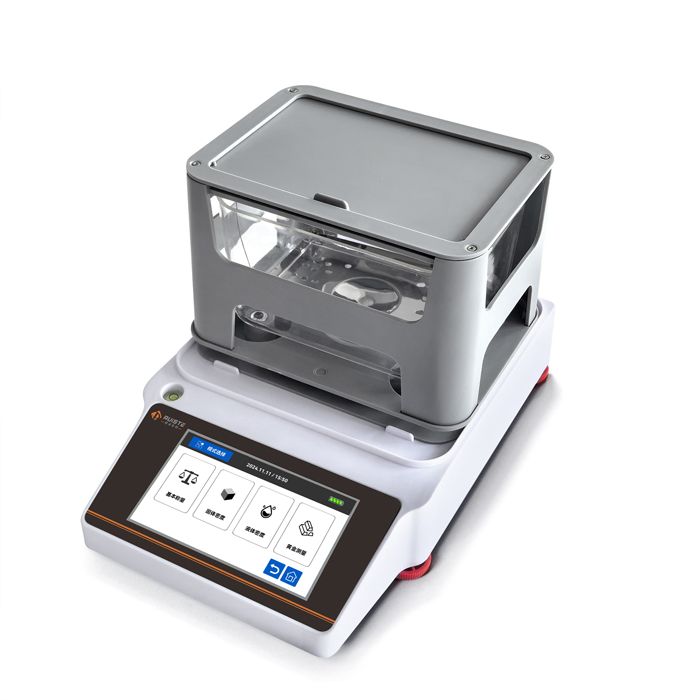
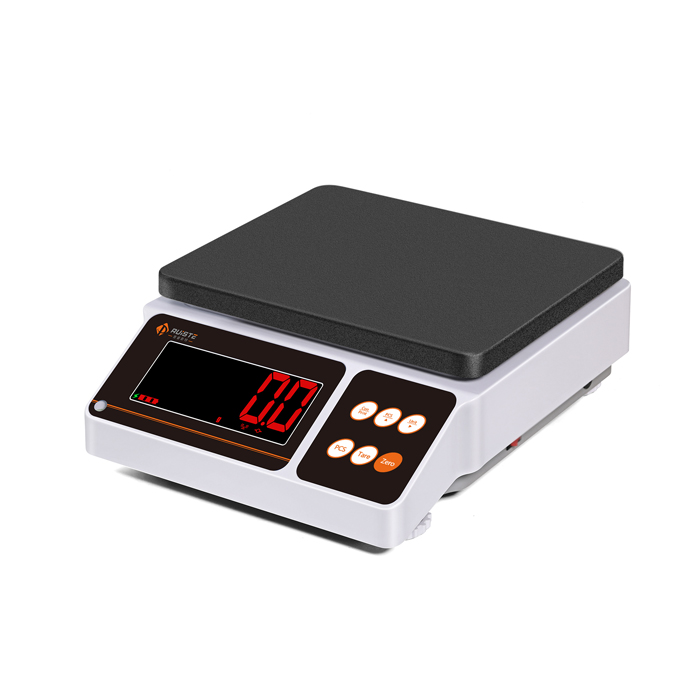
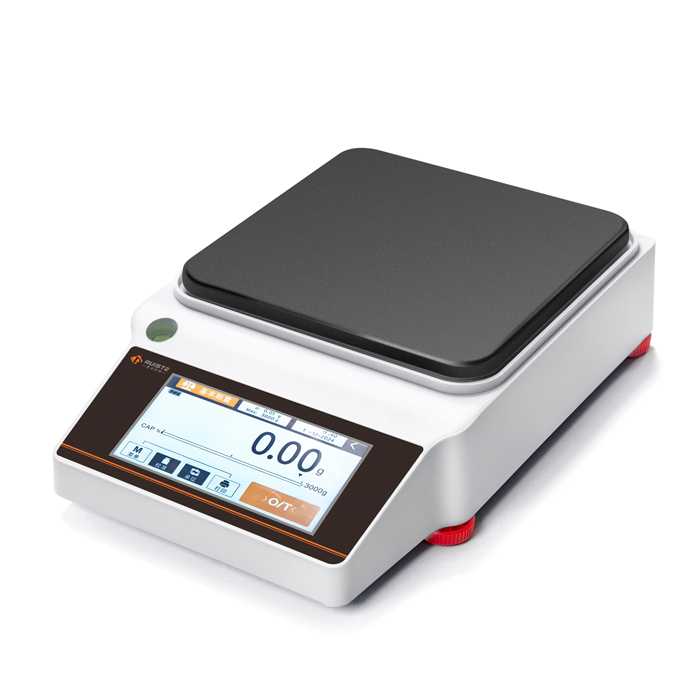
Tablet Electronic Balance
In the modern metering industry, precise weighing equipment has become an indispensable basic tool for various professional scenarios, and tablet electronic balance stands out among numerous weighing instruments due to its flat bearing structure, stable operating performance and convenient human-computer interaction. This type of weighing device adopts a planar tablet bearing platform to replace the traditional narrow weighing pan structure, which effectively expands the bearing area and adapts to the weighing requirements of different shapes and sizes of samples. Different from mechanical balances that rely on lever gravity balance and traditional electronic scales with simple pressure induction, tablet electronic balance integrates mature electromagnetic force balance technology and intelligent data processing modules, realizing stable conversion between physical mass and digital signal. With the continuous progress of industrial manufacturing and laboratory testing technology, this weighing equipment has gradually broken the usage limitations of single scenario, and has been widely applied in experimental research, industrial processing, commodity detection and daily fine metering fields, becoming a key auxiliary equipment to ensure the accuracy of measured data and standardize production detection processes.
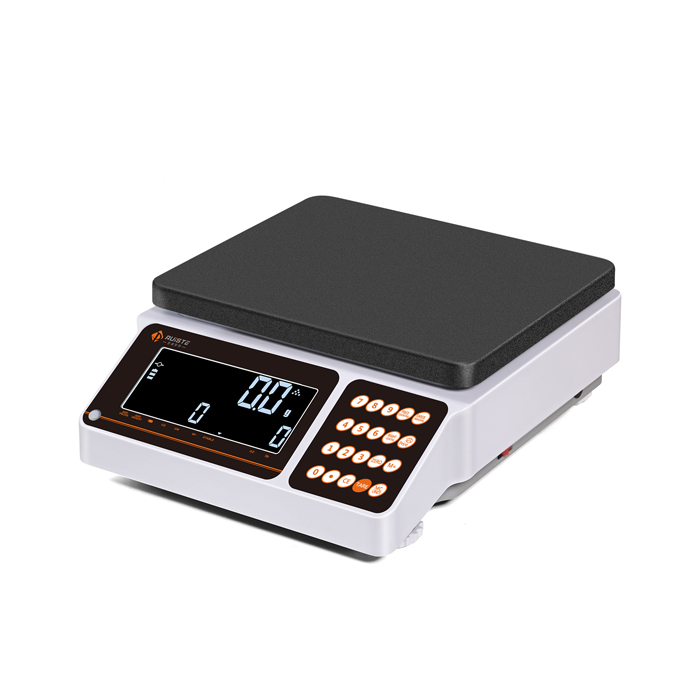
The core operating logic of tablet electronic balance is based on the electromagnetic force balance principle, which is the fundamental technical support for it to maintain stable weighing performance. Under the no-load state, the internal circuit of the equipment will transmit standard steady current to the electromagnetic coil, forming a stable magnetic field inside the sensor structure, and keeping the internal mechanical parts in a horizontal balanced state. When the sample to be measured is stably placed on the flat tablet bearing platform, the gravity generated by the sample will cause tiny displacement of the internal connecting mechanical structure. The high-sensitivity position detection component can instantly capture this subtle position change and convert the mechanical displacement into a weak analog electrical signal. After that, the built-in amplification circuit will optimize and enhance the weak signal, and the current intensity in the electromagnetic coil will be automatically adjusted in real time. The adjusted current generates reverse electromagnetic force in the constant magnetic field to counteract the gravity of the sample, so that the internal mechanical structure returns to the initial horizontal balanced position. In this working process, the current intensity passing through the coil maintains a strict linear proportional relationship with the mass of the loaded sample. The analog current signal will be further converted into a digital signal through the analog-to-digital conversion module, and the built-in microprocessor will complete data calculation, filtering and correction, and finally present the intuitive mass data on the high-definition display screen.
The overall structural design of tablet electronic balance follows the concepts of ergonomics and mechanical stability, and each component is reasonably matched to ensure the continuity and stability of the weighing process. The external bearing part is dominated by a flat tablet platform, which is usually made of smooth and corrosion-resistant metal materials. The flat surface avoids the rolling and tilting of irregular samples, and the seamless integrated structure is convenient for daily cleaning and dust removal. The bottom of the bearing platform is connected with a high-precision sensing sensor, which is the core induction component for bearing pressure and capturing displacement signals. The interior of the equipment is equipped with an electromagnetic driving coil, a permanent magnet group and a position feedback detector, which together form an electromagnetic balance sensing system to complete force balance and signal induction. In terms of circuit structure, it includes signal amplification components, analog-to-digital converters, data processing chips and power supply stabilizing modules. The power supply stabilizing structure can effectively reduce the data fluctuation caused by voltage jitter in the external power supply circuit, ensuring that the equipment maintains consistent sensing sensitivity in different power supply environments. In addition, the shell of the balance is made of high-strength synthetic materials, which can reduce the interference of external vibration and airflow on internal precision components, and also play a role in moisture resistance and dust prevention. Some optimized models are equipped with adjustable supporting foot pads at the bottom, which can adapt to uneven placement surfaces and adjust the horizontal state of the equipment through the built-in level bubble, further optimizing the weighing stability.
Compared with other types of weighing instruments, tablet electronic balance has unique functional characteristics that adapt to modern fine metering needs. Its most prominent feature lies in the flat bearing design, which breaks through the space limitation of circular or narrow weighing pans of traditional balances. It can not only bear small granular and powdery samples, but also stably place large-volume regular and irregular samples, expanding the coverage of applicable samples. In terms of response performance, the optimized internal circuit and sensing structure shorten the signal collection and data processing cycle, enabling the equipment to quickly capture pressure changes and complete data display within a short time. The built-in intelligent temperature compensation module can sense the ambient temperature change in real time and correct the thermal expansion and contraction error of internal metal components, reducing the weighing deviation caused by temperature fluctuation in different seasons and environments. The automatic peeling function is one of the commonly used practical functions. After placing containers such as weighing bottles and culture dishes on the tablet platform, users can clear the container weight with one key, realizing direct weighing of net sample mass and simplifying the weighing operation steps. In addition, this kind of balance has stable anti-interference ability. The internal shielding structure can weaken the influence of external electromagnetic radiation and low-frequency vibration on sensing signals, maintaining stable data output in complex working environments such as industrial workshops and open laboratories.
Tablet electronic balance has diverse application scenarios, covering multiple fields that require precise mass measurement. In scientific research laboratories, it is used for the weighing of chemical reagents, biological samples and experimental raw materials. Many chemical titration experiments and biological culture tests require accurate mass data of samples, and the stable induction performance of the balance can meet the precision requirements of experimental data. The flat tablet platform is convenient for placing experimental vessels of different specifications, and the easy-to-clean surface can avoid cross-contamination between different experimental samples. In industrial production and processing links, this equipment is applied to raw material proportioning, finished product sampling inspection and parts quality screening. Light industrial manufacturing, electronic component processing and building material testing all need to rely on it to control the mass consistency of products, reducing the quality difference between batches of products. In the commodity circulation and detection industry, relevant personnel use it to detect the net content of packaged goods, verify whether the commodity quality meets the uniform metering standards, and standardize the market circulation order.
In addition to professional industrial and laboratory scenarios, tablet electronic balance also has practical application value in daily fine measurement scenarios. In the field of food processing and handmade catering, staff can use it to weigh baking raw materials, condiment proportions and health care ingredients. Accurate mass matching helps stabilize the taste and quality of finished products and standardize production formulas. In agricultural detection, it is used for seed screening, crop sample weighing and soil component testing. By measuring the mass of crop samples before and after drying, researchers can calculate the water content of crops and provide data support for agricultural planting optimization. In teaching and popular science scenarios, middle schools and university laboratories use this intuitive weighing equipment to carry out physics and chemistry teaching experiments. The simple operation logic and clear data display help students understand the basic principles of mass measurement and electromagnetic induction, laying a foundation for the cultivation of scientific experimental thinking.
Standardized operation and daily maintenance are essential to prolong the service life of tablet electronic balance and maintain long-term weighing accuracy. Before formal use, users need to place the equipment on a dry, flat and stable operating table, adjust the bottom supporting foot pads to keep the level bubble in the middle position, and avoid data deviation caused by tilting placement. It is necessary to preheat the equipment for an appropriate time after power on, so that the internal circuit and sensing components can reach a stable working state, reducing the data fluctuation in the initial operation stage. During the weighing process, samples should be placed gently in the middle area of the tablet platform to avoid unilateral stress concentration which may cause pressure deviation of the sensor. Overload placement should be strictly prohibited, because excessive load will cause permanent deformation of internal sensing components and irreversible damage to the induction accuracy. For powdery and corrosive samples, sealed containers should be used for auxiliary weighing to prevent the sample from adhering to the platform or penetrating into the equipment interior to corrode precision parts.
In daily maintenance management, the surface of the tablet platform should be cleaned regularly with soft cleaning tools to remove residual dust and sample residues, keeping the bearing surface smooth and flat. The equipment should be placed in a dry and ventilated storage environment, avoiding long-term exposure to humid, high-temperature and strong corrosive gas environments to prevent circuit aging and metal component oxidation. The power supply should be cut off in time after daily use, and dust covers can be used to shield the equipment to reduce the adhesion of floating dust. In addition, regular manual calibration is required according to the usage frequency. By using standard weights to check the weighing data, tiny system errors can be corrected in time to ensure the long-term stable operation of the equipment. It is worth noting that non-professional personnel should not disassemble the internal structure of the balance at will, because the internal sensing coil and precision circuit components have high assembly accuracy requirements, and random disassembly will destroy the original structural balance and affect the measurement performance.
With the continuous development of metering technology and intelligent manufacturing industry, tablet electronic balance is also undergoing continuous technical optimization and functional upgrading. On the basis of retaining the original flat bearing and electromagnetic balance structure, modern optimized products add data storage and external connection functions, which can record the weighing data within a certain period and transmit the data to external terminal equipment for sorting, archiving and analysis, facilitating the traceability of experimental data and production detection records. Some improved models are equipped with anti-wind shielding structures, which can reduce the interference of air flow on tiny samples and further improve the stability of micro-weighing data. In terms of material optimization, new wear-resistant and anti-static materials are applied to the tablet platform and shell, enhancing the durability and environmental adaptability of the equipment.
As a mature and practical metering instrument, tablet electronic balance connects basic physical principles with industrial and daily application scenarios. Its simple and reasonable structural design, stable and reliable weighing performance and diverse application functions make it occupy an important position in the field of precision weighing. From laboratory scientific research to industrial production detection, from agricultural sample analysis to daily fine processing, this kind of balance provides accurate and effective mass data support for various industries. In the future, with the continuous innovation of sensing technology and intelligent control technology, tablet electronic balance will develop towards higher sensitivity, stronger anti-interference performance and more intelligent data processing mode. While maintaining the advantages of flat bearing and convenient operation, it will adapt to more complex high-precision metering scenarios, continuously meet the growing refined measurement needs of all walks of life, and provide solid technical guarantee for the standardized development of modern metering industry.
Tablet Electronic Balance
https://www.pruiste.com/electronic-balance.html
Post Date: May 13, 2026
https://www.supplier-manufacturer.com/electronic-balance/tablet-electronic-balance.html

![Portable Digital Counting Scale]()
Portable Digital Counting Scale
In modern daily life, small business operations, light industrial production, warehouse inventory management, and personal hobby organization, the need for accurate and co…![Electronic Laboratory Balance]()
Electronic Laboratory Balance
In every modern laboratory setting, whether focused on chemical research, biological experimentation, material development, or routine quality inspection work, accurate an…![High-precision Balance]()
High-precision Balance
In every corner of modern scientific research, industrial production, environmental monitoring, and pharmaceutical development, the pursuit of accurate mass measurement ha…![Analytical Electronic Balance]()
Analytical Electronic Balance
In every modern scientific laboratory that relies on accurate quantitative data and rigorous experimental outcomes, the analytical electronic balance stands as an indispen…![What is Electronic Balance]()
What is Electronic Balance
In the fields of modern metrology detection, industrial production, scientific research experiments and daily precision processing, electronic balances have become indispe…