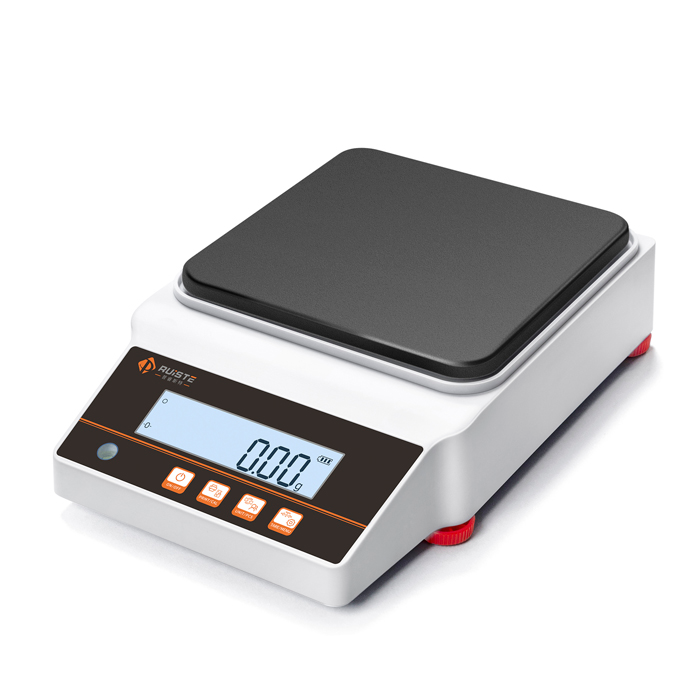
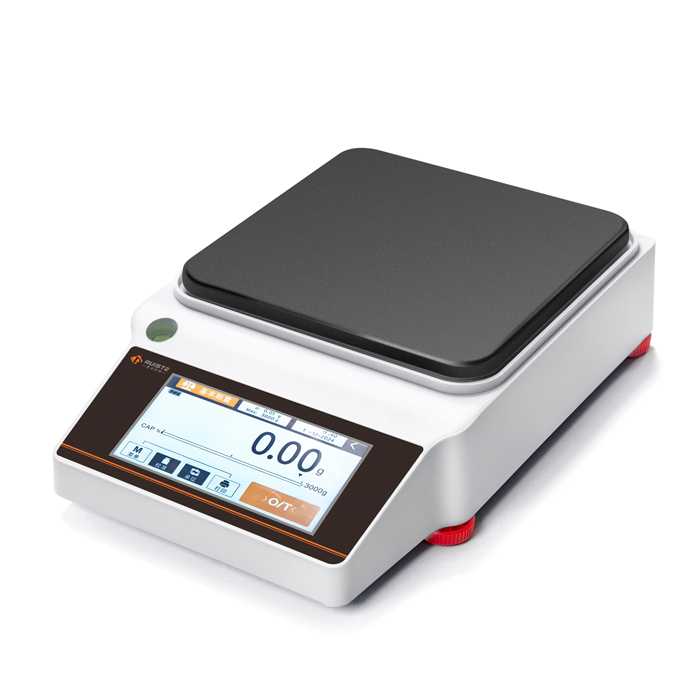
Multi-functional Laboratory Balance
In modern scientific research, industrial testing, educational experimentation, and quality inspection fields, accurate mass measurement serves as the fundamental foundation for all quantitative analysis and experimental data recording. The multi-functional laboratory balance stands out as an essential precision measuring instrument in laboratory environments, integrating diverse weighing and detection functions to meet the complex and variable measurement demands of different experimental scenarios. Unlike traditional single-function weighing equipment that only completes basic mass reading, this type of balance combines advanced sensor technology, microprocessor control systems, and optimized mechanical structural design, realizing diversified measurement modes and intelligent data processing capabilities, which greatly improves the efficiency and accuracy of laboratory weighing work.
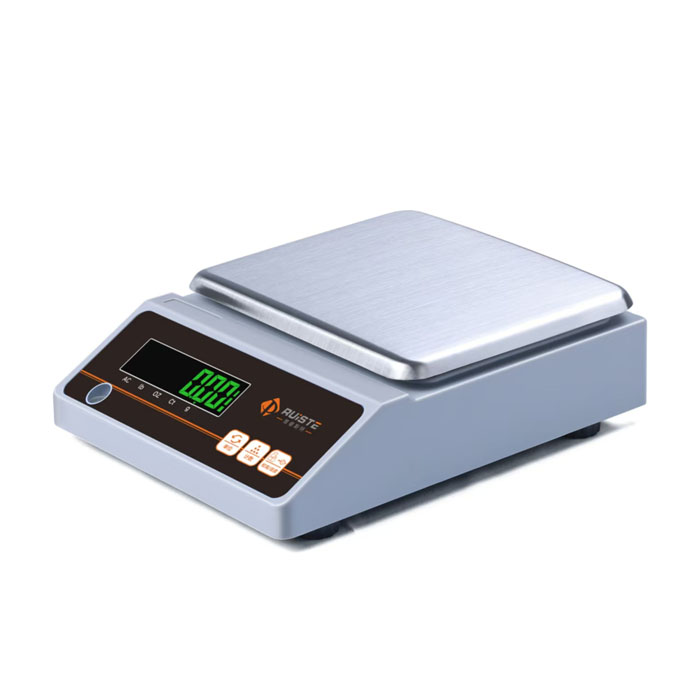
The core working principle of the multi-functional laboratory balance relies on electromagnetic force restoration technology, a mature and reliable measurement mechanism widely adopted in modern precision weighing equipment. The internal structure of the balance includes a precision weighing pan, a suspended coil component, a stable magnetic field system, and a high-sensitivity signal processing module. When a sample is placed on the horizontal weighing pan, the gravity generated by the sample mass causes slight displacement of the pan and the connected mechanical structure. The built-in sensor immediately captures this tiny displacement signal and transmits it to the microprocessor. The system then outputs corresponding current to the coil in the magnetic field, generating reverse electromagnetic force to offset the gravity of the sample and restore the mechanical structure to its initial balanced state. The microprocessor converts the current value required to maintain balance into a standard mass signal, which is further calculated, corrected, and converted to display intuitive mass data on the instrument’s display screen. This working method avoids the mechanical error and manual operation deviation existing in traditional lever-type balances, ensuring stable and consistent measurement results during long-term use.
What distinguishes the multi-functional laboratory balance from ordinary precision weighing equipment lies in its rich and expandable functional modules, which adapt to diversified laboratory measurement needs beyond basic weighing. Basic weighing functions cover conventional mass detection of solid samples in different weight ranges, with sensitive response and stable data output, suitable for routine sample weighing in daily experiments. The tare weighing function is one of the most commonly used practical functions, allowing users to zero out the mass of containers such as weighing papers, beakers, and culture dishes. This function effectively eliminates the interference of container weight on sample measurement, enabling direct acquisition of net sample mass and simplifying the experimental operation process. In repeated weighing experiments, the zero-tracking function can automatically correct minor zero drift caused by environmental subtle changes, ensuring that each measurement is based on a unified zero benchmark and reducing systematic errors.
In addition to basic weighing modes, the multi-functional laboratory balance is equipped with multiple extended measurement functions to support professional experimental analysis. The percentage weighing function is widely applied in ingredient proportion detection and sample component analysis. By setting a standard sample mass as the benchmark value, the system can automatically calculate the mass percentage ratio of the measured sample to the standard sample, helping researchers quickly judge the consistency and compliance of sample proportions. The piece counting function caters to the counting and statistics needs of small-sized, uniform-quality granular samples. After calibrating the mass of a single sample through sampling weighing, the balance can automatically calculate the total number of samples according to the total mass of the placed samples, which is efficient and labor-saving for batch counting of small experimental particles, chemical reagents, and electronic accessories.
Density measurement is another valuable extended function of the multi-functional laboratory balance, which completes accurate density detection of solid and liquid samples based on Archimedes’ principle. With the support of a matched auxiliary density measuring kit, the instrument can measure the mass of solid samples in air and in standard liquid media respectively, and calculate the sample density through the internal algorithm. For liquid samples, the density value can be obtained by weighing standard sinkers in air and in the tested liquid. This integrated density measurement function integrates two experimental steps of weighing and data calculation, avoiding errors caused by manual formula calculation, and is widely used in material performance testing, chemical component analysis, and food ingredient detection experiments.
Modern multi-functional laboratory balances also have intelligent data processing and peripheral connection functions, realizing the digital and standardized management of experimental data. The built-in high-performance microprocessor can automatically store, sort, and filter real-time measurement data, and support unit conversion among multiple measurement units to adapt to different experimental standard requirements. Standard data transmission interfaces are reserved on the equipment, which can be stably connected with computers, printers, and other terminal devices. Experimental data can be synchronously transmitted to terminal equipment for real-time recording, batch sorting, and data analysis, and can also generate printable experimental reports. This function avoids data loss and recording errors caused by manual transcription, improves the standardization of laboratory experimental records, and provides reliable data support for experimental result verification and subsequent academic research and industrial analysis.
The application scenarios of multi-functional laboratory balances cover numerous professional fields, showing strong environmental adaptability and functional compatibility. In chemical laboratories, the instrument is used for accurate weighing of chemical reagents, proportioning of experimental formulas, and mass monitoring of reaction products. The high-precision measurement capability ensures the accuracy of chemical reaction proportioning, effectively avoiding experimental failure and result deviation caused by inaccurate reagent dosage. In biological and medical laboratories, it is applied to the weighing of biological samples, culture medium preparation, and drug ingredient proportioning. The stable measurement performance can meet the strict precision requirements of biological experiments and pharmaceutical testing, and avoid the impact of tiny mass errors on biological activity and drug efficacy detection results.
In the field of material science testing, researchers rely on the multi-functional characteristics of the balance to complete solid density detection, material component proportion analysis, and lightweight material mass testing. The diversified measurement functions of the instrument can meet the multi-dimensional detection needs of material performance research, providing effective data support for material modification and performance optimization. In food testing and agricultural research laboratories, the equipment is used for nutritional component detection, food additive content analysis, and crop sample quality measurement. Its percentage weighing and batch counting functions improve the efficiency of large-batch sample screening and detection, and ensure the objectivity and accuracy of food safety and agricultural product quality detection data.
Educational laboratories at all levels also widely adopt multi-functional laboratory balances for teaching experiments and student practical training. The equipment has simple and intuitive operation logic and complete functions, which can meet the basic weighing teaching needs of middle school physics and chemistry experiments, as well as the comprehensive experimental training needs of college students in chemistry, biology, and material majors. Students can master basic weighing operation skills, understand the principles of precision measurement, and learn the application of diversified measurement modes in scientific experiments through practical operation, laying a solid foundation for subsequent scientific research and experimental work.
To maintain the long-term stable performance and accurate measurement state of the multi-functional laboratory balance, standardized daily operation and scientific maintenance management are essential. The installation environment of the balance needs to keep the desktop flat and stable, avoiding placement in positions with obvious vibration, direct sunlight, and strong airflow. Severe vibration and airflow disturbance will affect the balance of the internal mechanical structure and the stability of sensor signals, leading to fluctuation of measurement data. Meanwhile, the laboratory environment should maintain appropriate temperature and humidity, avoiding extreme temperature changes and excessive humidity that may cause aging of internal electronic components and structural rust, which affects the service life and measurement accuracy of the equipment.
In daily operation, users need to complete pre-operation inspection and zero calibration work. Before formal measurement, it is necessary to check whether the weighing pan is placed horizontally and whether there is residual dirt on the surface, and perform zero clearing operation to ensure that the initial state of the instrument meets the measurement standards. During sample placement, samples should be placed gently in the center of the weighing pan to avoid eccentric placement and impact force, which may cause structural displacement and temporary measurement deviation. For volatile, corrosive, or easily oxidized samples, sealed containers should be used for holding and weighing to prevent sample loss from affecting measurement accuracy and avoid corrosion damage to the weighing pan and internal components.
Regular maintenance and calibration are key measures to ensure the long-term accuracy of the multi-functional laboratory balance. Daily cleaning should keep the instrument surface and internal weighing cavity clean, remove residual samples and dust in time, and prevent dirt accumulation from affecting the flexibility of mechanical structures and the sensitivity of sensors. Periodic calibration should be carried out in accordance with laboratory operation specifications to correct minor systematic errors generated by long-term operation of the equipment. When the instrument is not in use for a long time, it should be placed in a dry and dust-proof environment, and regular power-on inspection should be carried out to ensure the normal operation of electronic components.
With the continuous development of laboratory testing technology and the improvement of experimental precision requirements, the performance and functional design of multi-functional laboratory balances are also constantly optimized and upgraded. Modern products are gradually developing towards higher measurement stability, more intelligent data processing, and more convenient operation experience. The optimization of internal structural design reduces the interference of environmental factors on measurement results, and the upgraded microprocessor system improves the response speed and data processing capability of the instrument. At the same time, the humanized operation interface and simplified operation steps reduce the operation threshold, enabling operators with different experience levels to complete accurate measurement work efficiently.
In the entire laboratory testing system, the multi-functional laboratory balance is not only a basic weighing tool, but also a key guarantee for the authenticity, accuracy, and repeatability of experimental data. All quantitative scientific experiments and quality detection work are based on accurate mass measurement data, and the diversified functions and stable performance of the multi-functional laboratory balance can fully meet the refined and multi-scenario measurement needs of modern laboratories. It effectively reduces experimental operation steps, lowers manual operation errors, improves laboratory work efficiency, and provides solid technical support for scientific research innovation, industrial quality control, and educational experiment development. In the future, with the continuous progress of precision manufacturing and intelligent technology, multi-functional laboratory balances will have more abundant expanded functions and stronger environmental adaptability, and play a more important role in various professional laboratory fields.
Multi-functional Laboratory Balance
https://www.pruiste.com/laboratory-balance.html
Post Date: May 22, 2026
https://www.supplier-manufacturer.com/laboratory-balance/multi-functional-laboratory-balance.html

![Stainless Steel Counting Scale]()
Stainless Steel Counting Scale
In modern industrial production, commercial circulation and daily material management processes, accurate counting and weighing of bulk small items have become an indispen…![Professional Counting Scale]()
Professional Counting Scale
In modern industrial production, warehouse management, manufacturing processing, and daily business operational workflows, the need to quantify small parts, bulk component…![Industrial Counting Scale]()
Industrial Counting Scale
In the complex and interconnected landscape of modern industrial manufacturing, warehousing logistics, and supply chain operation, the accurate quantification of small par…![Precision Analytical Balance]()
Precision Analytical Balance
In every modern laboratory setting, whether dedicated to chemical research, biological experimentation, pharmaceutical formulation development, material science exploratio…![Electronic Precision Balance]()
Electronic Precision Balance
In modern experimental research, industrial production processing, material performance testing, and fine chemical preparation work, accurate and reliable mass measurement…