What is Weighing Scale
A weighing scale is an essential basic measuring instrument widely used in daily life, commercial operations, scientific research and laboratory work. Its core function is to accurately measure the actual weight of objects, providing reliable data support for quantitative management, transaction settlement and material proportioning in various scenarios. From simple early weighing tools to modern intelligent and high-precision weighing equipment, weighing scales have undergone continuous upgrading and iteration. A variety of types and specifications have been derived to adapt to different weighing ranges, accuracy requirements and operating environments. Different weighing scales vary greatly in functional focus, manufacturing materials and internal structure. A clear understanding of the core attributes and applicable scope of each type of weighing scale enables targeted equipment selection and ensures efficient, accurate and stable weighing operations.
Core Classification of Weighing Scales
The weighing scale industry mainly adopts two core classification criteria based on working principle and application conditions, covering all product categories with clear classification logic. According to the working principle, weighing scales are divided into two basic types: mechanical weighing scales and electronic weighing scales, which constitute the most fundamental classification. Mechanical weighing scales operate based on the lever balance principle and spring deformation force principle, displaying weight values through the physical reaction of mechanical structures. They require no power supply, feature a simple structure, strong anti-interference capability and excellent durability. Electronic weighing scales capture weight signals through high-precision sensing components and convert physical pressure into digital signals via data conversion modules to directly display weight readings, making them the most widely used mainstream type on the market at present.
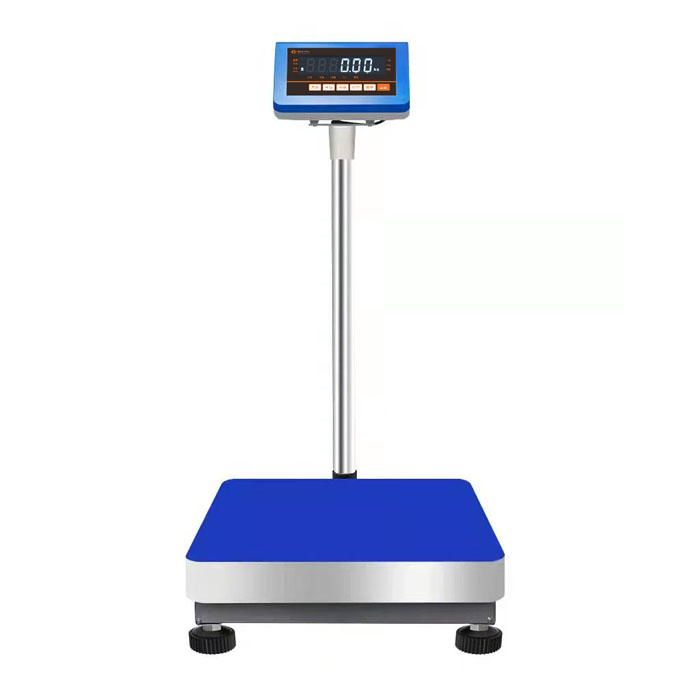
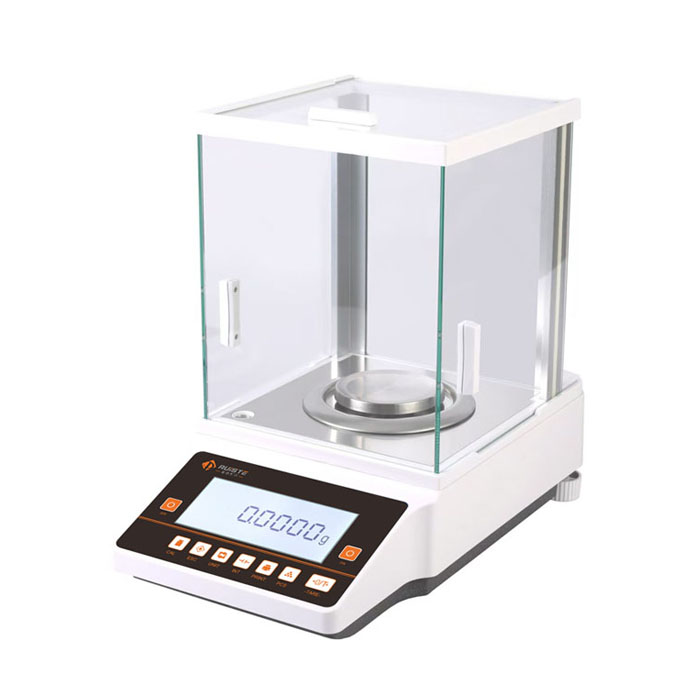
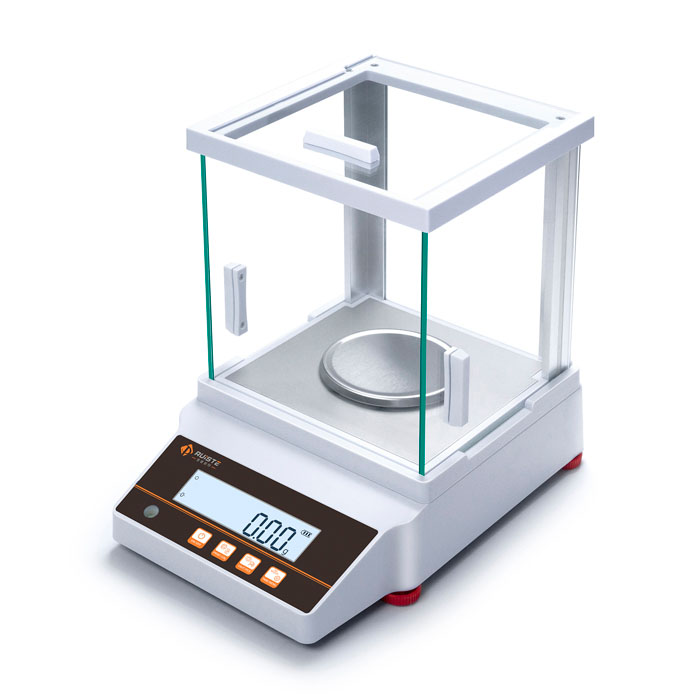
Classified by application conditions and weighing range, weighing scales are subdivided into four categories: household small weighing scales, commercial standard weighing scales, industrial heavy-duty weighing scales and laboratory high-precision weighing scales. Household small weighing scales feature a small range and compact size, suitable for light daily weighing needs. Commercial standard weighing scales balance accuracy and bearing capacity for retail transactions and small-batch goods measurement. Industrial heavy-duty weighing scales focus on large bearing capacity and ruggedness for weighing bulk goods and heavy materials. Laboratory high-precision weighing scales are designed for micro-level accurate measurement, meeting the strict weighing standards of refined scientific research and testing experiments. Each type has its own unique role to meet weighing demands of different levels.
Core Functional Characteristics of Weighing Scales
Different types of weighing scales have distinct functional characteristics, which are tailored to the core usage requirements of corresponding scenarios. Mechanical weighing scales are easy to operate without any learning threshold, requiring no external power supply or subsequent commissioning. They can withstand humid conditions and minor collisions, operate stably with low failure rates and hardly need maintenance in later use. However, they only support basic weight reading with relatively single functions and low weighing accuracy, and manual visual reading may cause slight errors, making them suitable for basic weighing scenarios with low precision requirements and simple use environments.
Electronic weighing scales have more diverse and practical functions, with significantly improved basic weighing accuracy. The digital values are displayed in real time and intuitively without manual reading errors, and most models support one-click unit switching to adapt to different measurement habits. Most electronic scales are equipped with basic additional functions such as tare zeroing, data memory and value accumulation. Some models for commercial and industrial use can realize real-time transmission and retention of weighing data, facilitating account sorting and digital management. Household electronic weighing scales are compact, portable, low-energy consumption and long-lasting with small space occupation. Industrial electronic weighing scales have overload protection, anti-vibration and anti-interference functions, suitable for high-frequency and high-intensity continuous weighing operations. Laboratory special models achieve micro-level precision and strong resistance to environmental airflow and temperature changes, ensuring accurate weighing data of fine materials.
Common Manufacturing Materials for Weighing Scales
The material selection of weighing scales directly determines the service life, corrosion resistance, bearing stability and environmental adaptability of the equipment. Different parts are equipped with targeted materials to balance practicality and durability. The weighing platform, as the core bearing part, is mostly made of stainless steel, which features a smooth surface, rust and corrosion resistance, easy cleaning and maintenance. It can withstand humid environments, slight acid and alkali contact and daily friction and wear, suitable for most conventional scenarios such as food processing, supermarkets and industrial sites. Some simple household small weighing scales adopt high-strength engineering plastic, which is lightweight, cost-effective, drop and wear-resistant, meeting the lightweight basic use needs of families.
The equipment shell and supporting base are mostly made of thickened carbon steel or hard engineering plastic. Carbon steel has high hardness, strong compression resistance and deformation resistance, suitable for industrial heavy-duty weighing scales, avoiding structural bending and collapse under long-term heavy load. Engineering plastic shells are lightweight, well-insulated and anti-aging, ideal for household and small commercial electronic weighing scales to enhance portability and safety. The internal core mechanical transmission components are made of alloy with high hardness and toughness, wear-resistant and durable without jamming during long-term operation. The sensor protection accessories of electronic weighing scales adopt sealed waterproof plastic to protect internal components from moisture, dust and sundry intrusion and ensure stable operation of core parts.
Basic Structural Composition of Weighing Scales
All weighing scales follow four core structures: bearing and load-bearing, signal induction and transmission, value display and output, and support and protection. The basic components are basically the same, with only differences in component precision and specifications among different types. A complete weighing scale consists of four core parts: external bearing structure, core induction transmission structure, numerical display output structure and bottom support stabilization structure, which work together to complete the whole weighing process.
The external bearing structure refers to the weighing platform that directly contacts the objects to be weighed, bearing the total weight of the objects and evenly transmitting the pressure to the internal core components. The core induction transmission structure is the core part of the weighing scale. For mechanical scales, it consists of lever combinations, spring transmission and cursor adjustment components to transmit weight force through physical mechanical reaction. For electronic scales, it includes high-precision weighing sensors, signal conversion modules and circuit transmission components to capture pressure signals and complete data conversion. The numerical display output structure is used to directly present weighing results: mechanical scales adopt dial scales and cursor identification for reading, while electronic scales are equipped with digital display screens to synchronize real-time accurate weighing values. The bottom support stabilization structure includes the base, anti-slip foot pads and reinforced support legs, ensuring the weighing scale is placed stably without shaking or offsetting during operation, preventing weighing data deviation caused by equipment tilting and improving weighing stability and accuracy.
Diverse Application Scenarios of Weighing Scales
Relying on the differentiated attributes of weighing scales of various types, precision levels and specifications, the equipment is widely applied in four core scenarios: family life, commercial retail, industrial production and scientific research experiments, covering weighing needs of all industries. Small lightweight household weighing scales are mostly used in family life for kitchen ingredient proportioning, personal weight monitoring and simple weighing of small parcels. They are compact, space-saving and easy to operate, meeting daily basic measurement needs.
Commercial retail scenarios mainly adopt standard commercial electronic weighing scales, which are widely used in fruit and vegetable stalls, supermarket retail stores and grocery shops for goods transaction pricing and small-batch goods sub-packaging weighing. They balance weighing accuracy and efficiency to adapt to high-frequency daily transaction operations. Logistics express stations and warehousing sorting sites use medium-range platform scales for weighing and statistics of parcels and bulk goods, supporting logistics receiving and delivery as well as inventory management. Industrial production and processing scenarios mainly use industrial heavy-duty weighing scales and special waterproof and anti-corrosion weighing scales for factory material batching, warehouse inbound and outbound weighing, and bulk goods loading and unloading weighing. The equipment is rugged and durable with strong bearing capacity for high-intensity continuous operation. Special chemical and food processing working conditions adopt waterproof and anti-corrosion models to adapt to special operating environments. Scientific research experiments, jewelry identification and precision testing scenarios are equipped with high-precision laboratory weighing scales for micro sample proportioning in experiments and accurate measurement of small valuable items, strictly controlling weighing accuracy to ensure accurate experimental data and correct measurement of valuable goods.
In conclusion, as basic measuring instruments, weighing scales have rich varieties and strong adaptability. Products of different types match differentiated functional needs and application scenarios through professional material and structural design. In actual selection, reasonable selection based on weighing range, accuracy requirements and operating environment characteristics can give full play to the core role of weighing scales and provide stable and reliable guarantee for various measurement work.
What is Weighing Scale
https://www.pruiste.com/weighing-scale.html
Post Date: May 5, 2026
https://www.supplier-manufacturer.com/weighing-scale/what-is-weighing-scale.html

![Platform Scale TCS SERIES]()
Platform Scale TCS SERIES
TCS platform scale series adopts steel strong tube double-layer carbon steel base, and the bearing base is stable and solid. The whole series platform scale adopts foot-st…![Analytical Balance FA Series]()
Analytical Balance FA Series
FA series electromagnetic force balance adopts key structure. The whole series balance adopts high-performance single-chip microprocessor to control high-speed CPU and spe…![Digital Viscometer Vender In China]()
Digital Viscometer Vender In China
The manufacturing and supply of digital viscometers in China have witnessed steady and progressive development over the past decades, forming a complete and mature industr…![High-shear Digital Viscometer]()
High-shear Digital Viscometer
Viscosity serves as one of the most fundamental physical properties of fluid materials, reflecting the internal friction and flow resistance generated during fluid deforma…![Rotational Digital Viscometer]()
Rotational Digital Viscometer
Viscosity stands as one of the most fundamental physical properties of fluid materials, reflecting the internal frictional resistance that occurs when a fluid undergoes de…