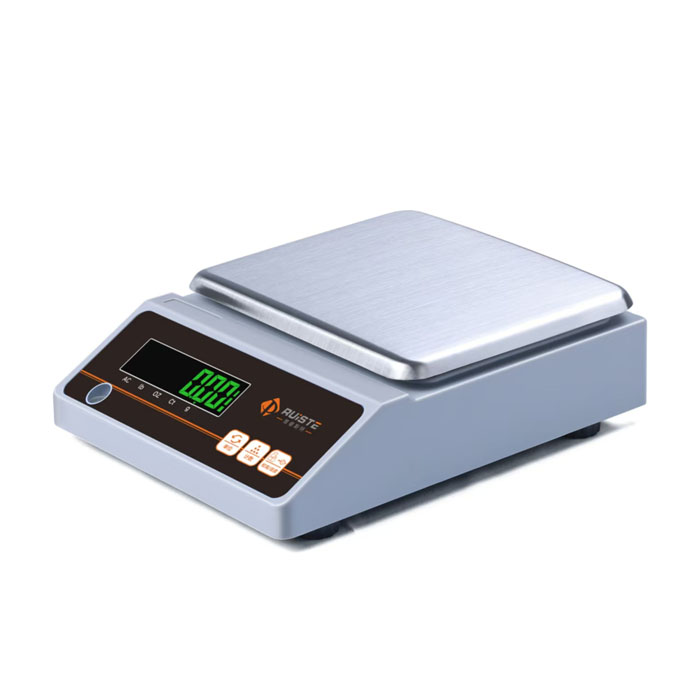
Counting Precision Balance
In modern industrial production, scientific research experimentation, warehouse material management, and quality inspection workflows, the need for accurate quantitative management of small-sized, uniform-specification parts and granular materials has become increasingly fundamental to maintaining stable operational order and consistent product quality. A counting precision balance stands out as a vital metering instrument specially designed to integrate high-precision weight measurement with intelligent numerical counting functions, breaking the limitations of traditional manual counting and basic weighing equipment that can only obtain single weight data. Unlike ordinary weighing devices that merely display mass readings, this professional instrument combines sophisticated sensor technology, intelligent microprocessor algorithms, and stable mechanical structural design to convert precise weight data of bulk identical items into accurate quantity values, realizing seamless integration of weight detection and quantity statistics in one single operation process. This integrated working mode not only optimizes daily operational procedures for various industries but also effectively reduces human errors caused by manual repetitive counting and rough weighing estimation, laying a solid and reliable metering foundation for standardized production, standardized inventory management, and rigorous experimental data recording across different professional fields.
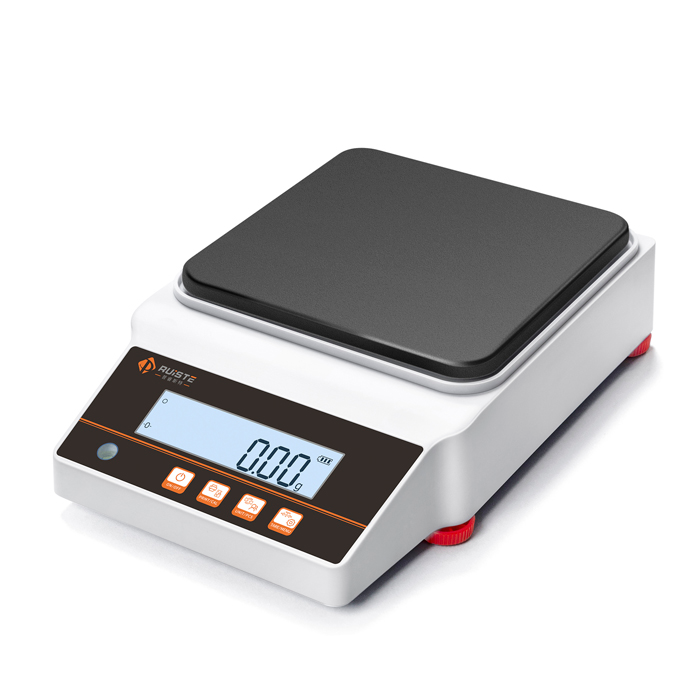
The core operational logic of a counting precision balance originates from the basic physical principle of electromagnetic force balance compensation, which serves as the fundamental technical support for all its accurate measurement and counting functions. The internal structure of the instrument is equipped with high-sensitivity displacement sensing components and precision stress induction modules, which can capture the tiny pressure changes generated when items are placed on the weighing platform in real time and with high sensitivity. When a batch of items to be counted is placed on the dedicated weighing pan, the gravity generated by the items acts on the internal load-bearing and sensing structure of the balance, causing a slight and subtle displacement of the internal mechanical balance components. The high-resolution photoelectric displacement sensor immediately captures this minimal displacement signal and converts the physical displacement change into a continuous and stable electrical signal, which is then transmitted to the built-in high-performance microprocessor for real-time processing and calculation. The core counting function does not rely on any direct mechanical counting or visual identification technology but adopts the mature average single weight calculation method that has been verified by long-term practical application. Before formal batch counting work, users only need to place a small number of representative sample items on the weighing platform for sampling calibration. The balance automatically records the total weight of the sampled items, calculates the average single weight of each individual item through internal intelligent algorithms, and stores this average weight data in the internal memory module for subsequent batch counting and data comparison work. After completing the simple sampling and calibration process, placing any number of the same items on the weighing pan will allow the equipment to quickly calculate the total weight of the placed items and automatically divide the total weight by the pre-stored average single weight, finally presenting accurate quantity data on the high-definition display screen synchronously with the weight information.
The overall structural design of a counting precision balance fully takes into account the dual demands of high measurement accuracy and long-term operational stability in complex working environments, with every component optimized and adjusted for precision metering and continuous counting scenarios. The external weighing pan is usually made of sturdy, corrosion-resistant, and wear-resistant metal materials, with a smooth and flat surface design to ensure that items can be placed stably without tilting or slipping, avoiding measurement errors caused by unstable placement of measured objects. The internal mechanical support structure adopts an integrated reinforced design, which can effectively resist slight vibration interference generated by surrounding equipment operation and daily personnel activities, ensuring that the internal sensing components are always in a relatively stable working state during the weighing and counting process. In view of the common interference factors that affect precision measurement in actual use, such as static electricity adhesion, air convection impact, and temperature subtle changes, the balance is equipped with targeted anti-interference optimization designs. The surface of the internal and external key structural parts is treated with conductive coating to reduce the impact of static electricity accumulation on the surface of granular items and small parts on measurement accuracy, especially suitable for counting and weighing lightweight plastic accessories, tiny electronic components, and dry powder granular materials that are prone to static electricity generation. The body is also designed with a sealed buffer structure to reduce the influence of external air convection on the tiny weighing data, ensuring that the reading data can reach a stable state in a short time even in open working spaces with slight air flow changes. The built-in temperature compensation module can automatically sense the ambient temperature changes in real time and adjust the internal measurement parameters synchronously, offsetting the impact of thermal expansion and contraction of mechanical components and temperature drift of electronic components on measurement results, so that the balance can maintain consistent and reliable counting and weighing accuracy in different seasonal environments and different indoor and outdoor working spaces.
In industrial manufacturing and production quality control links, counting precision balances have become an indispensable basic equipment for refined production management and parts quantity control. Many manufacturing processes involve the assembly and processing of a large number of small standardized parts, including hardware fasteners, miniature electronic connectors, precision hardware stamping parts, and small plastic structural parts. These parts are small in size, uniform in specification, and large in daily usage quantity. Relying on manual counting not only consumes a lot of human resources and time costs but also is prone to missing counting, repeated counting, and counting errors due to human fatigue and visual fatigue, which may lead to insufficient parts supply in the assembly workshop, affect the normal progress of the production line, or cause excess parts inventory and waste of production costs. By using a counting precision balance, production management personnel can complete the quantity statistics of thousands of small parts in a short time. Whether it is the quantitative distribution of parts before the production line assembly, the quantity inspection of finished small parts after processing, or the quantity confirmation of semi-finished products in each production process, the balance can provide accurate and reliable quantity data. At the same time, the equipment supports real-time data accumulation and recording, which can track the usage and inventory changes of various parts in the production process, helping production managers optimize parts procurement plans and production scheduling arrangements, and realizing refined digital management of production auxiliary materials and spare parts. In the quality inspection stage of industrial products, the balance can also be used for sampling and counting inspection of batch products. By randomly selecting a certain number of finished products for weighing and counting verification, inspectors can judge whether the overall product quantity packaging and batch quantity standards meet the preset production requirements, effectively controlling the quality consistency of batch products and avoiding unqualified products from flowing into the subsequent market sales and product delivery links.
Laboratory scientific research and experimental sample management are also important application scenarios for counting precision balances, putting forward higher requirements for the stability and data accuracy of the equipment. In chemical analysis experiments, many experimental projects need to quantitatively configure granular chemical reagents and standard sample particles, and the accurate quantity of experimental raw materials directly affects the final experimental data results and the repeatability of experimental conclusions. Traditional manual counting of tiny experimental particles is not only inefficient but also easy to cause sample contamination and particle loss during the counting process, affecting the accuracy of the experiment. The counting precision balance can quickly and accurately complete the quantitative counting of experimental granular samples while ensuring that the samples are placed in a closed and stable measurement space, reducing sample loss and external pollution. In biological research and agricultural seed breeding experiments, researchers often need to count and weigh a large number of plant seeds, microbial culture particles, and small biological experimental samples to carry out subsequent growth observation and data comparison experiments. The efficient counting and accurate weighing functions of the balance can provide precise basic quantity data for experimental grouping and sample configuration, ensuring that the quantity specifications of each experimental group remain consistent, making the experimental data comparison more scientific and the experimental research conclusions more credible. In environmental monitoring and material testing laboratories, the equipment is also used for quantity statistics and weight detection of various filter membrane samples, particulate matter samples, and experimental standard parts, providing reliable basic metering support for various environmental data monitoring and material performance testing work.
Warehouse inventory management and logistics distribution sorting work is another key field where counting precision balances play an important role, helping various enterprises realize efficient and accurate inventory counting and goods quantity management. Many enterprises have a large number of high-value small commodities, spare parts, and bulk standardized materials in warehouse storage. These stored items are small in size and numerous in quantity. Regular manual inventory counting takes a long time and has low accuracy, which easily leads to inconsistent actual inventory and account data, affecting the enterprise's capital scheduling and material turnover efficiency. By using a counting precision balance, warehouse managers can quickly complete the inventory counting of various small materials and parts. For bulk items with uniform specifications, the sampling calibration and batch counting mode can be used to complete the inventory statistics of large quantities of goods in a short time, greatly shortening the time required for regular inventory work. For goods that need to be distributed and sorted in fixed quantities in logistics and distribution links, the balance can realize accurate quantitative distribution work, ensuring that the quantity of goods in each distribution unit meets the unified standard requirements, avoiding quantity differences in goods distribution, and improving the standardization level of logistics distribution work. In addition, most counting precision balances are equipped with convenient data transmission interfaces, which can realize real-time connection and data synchronization with warehouse management systems and enterprise inventory digital management platforms. The counting and weighing data obtained each time can be automatically uploaded to the digital management system, realizing real-time updating of inventory data, facilitating enterprise managers to check inventory dynamics at any time, optimizing material procurement and inventory replenishment plans, and reducing the capital occupation and storage waste caused by excessive inventory or insufficient stock of materials.
Daily maintenance and standardized operational management are crucial to maintaining the long-term measurement accuracy and service life of a counting precision balance, and good usage habits can effectively reduce equipment failure rates and ensure the stability of metering data for a long time. During daily use, the equipment should be placed on a solid, horizontal, and stable working platform, avoiding placement in positions with severe vibration, direct sunlight, or large humidity changes, so as to prevent external environmental factors from affecting the internal sensing structure and measurement accuracy. Before each formal use, it is necessary to carry out simple zero-point calibration and horizontal adjustment work to ensure that the balance is in a standard horizontal working state and the initial weighing reading returns to zero, eliminating systematic errors caused by long-term placement and position movement. The weighing pan and the internal working area of the balance should be kept clean and tidy at all times. After each use, the residual materials and dust on the surface should be cleaned up in time to prevent dust accumulation and material residue from affecting the sensitivity of the sensing components and the stability of the weighing contact surface. It is necessary to avoid placing overweight items beyond the equipment's bearing range on the weighing pan for a long time, so as to prevent long-term pressure from causing fatigue deformation of the internal sensing structure and mechanical components, which would affect the long-term measurement and counting accuracy. In terms of storage, if the balance is not used for a long time, it should be placed in a dry and ventilated environment, covered with a dust cover to prevent dust and moisture from eroding the internal electronic components and mechanical structures. Regular professional inspection and parameter calibration should be carried out according to the frequency of use, checking the sensitivity of the sensor, the stability of data transmission, and the accuracy of counting algorithms, and adjusting and correcting the equipment parameters in a timely manner to ensure that the balance always maintains a good working state and provides consistent and accurate metering services for various work links.
With the continuous development of industrial digitalization and refined management concepts, the application value of counting precision balances in various industries is becoming more and more prominent, and the continuous upgrading of related supporting technologies is also making such metering instruments more intelligent and efficient. Modern counting precision balances are no longer simple weighing and counting tools but important basic equipment integrating metering detection, data statistics, and digital management. They effectively connect the front-line operation links of production, experiments, and warehousing with the back-end digital management system, providing accurate and reliable basic data support for enterprise refined management and scientific research data accumulation. Compared with the traditional manual counting and rough weighing management mode, the application of counting precision balances not only improves work efficiency and metering accuracy but also reduces human resource input and management costs, avoiding various management risks and quality problems caused by counting errors and inaccurate weighing data. Whether it is large-scale industrial production enterprises, professional scientific research laboratories, or warehouse logistics and distribution institutions, standardized application and scientific maintenance of counting precision balances can effectively optimize operational management processes, improve the overall work quality and management level, and lay a solid foundation for the stable and long-term development of various professional businesses. In the future, with the continuous progress of sensor technology and intelligent algorithm optimization, counting precision balances will be further improved in anti-interference performance, data processing speed, and intelligent interconnection capability, adapting to more complex working scenarios and higher-precision metering management needs, and playing a more important basic supporting role in more professional fields.
Counting Precision Balance
https://www.pruiste.com/precision-balance.html
Post Date: May 5, 2026
https://www.supplier-manufacturer.com/precision-balance/counting-precision-balance.html

![Electronic Balance RT SERIES]()
Electronic Balance RT SERIES
The RT series adopts high-definition keys, which is economical. The entire series of balances adopt domestic sensors, brand sensors, and aluminum alloy structure to ensure…![Low-shear Digital Viscometer]()
Low-shear Digital Viscometer
Viscosity stands as one of the most critical rheological properties that define the flow behavior of fluid materials, directly influencing the processing performance, stor…![Digital Viscometer Manufacturer]()
Digital Viscometer Manufacturer
Viscosity stands as one of the most fundamental physical properties of fluid materials, directly influencing the flow performance, processing characteristics, and final qu…![Laboratory Digital Viscometer]()
Laboratory Digital Viscometer
Viscosity stands as one of the most fundamental physical properties of fluid substances, reflecting the internal friction and flow resistance that occurs when a liquid or …![Compact Moisture Analyzer]()
Compact Moisture Analyzer
Moisture content detection stands as a fundamental analytical procedure across industrial production, laboratory research, and quality inspection workflows, as the proport…