Laboratory Analytical Balance
Within every professional laboratory setting, whether dedicated to chemical research, biological experimentation, material development, or environmental sample analysis, reliable and consistent mass measurement stands as an indispensable foundation for all experimental work and data recording. The laboratory analytical balance serves as the core precision instrument designed specifically to meet rigorous gravimetric measurement requirements, delivering finely detailed mass readings that far exceed the capabilities of ordinary weighing devices used for general industrial or daily purposes. Every scientific experiment that relies on accurate material ratios, precise sample dosing, quantitative reaction calculations, and reliable result verification depends entirely on the stable performance and accurate output of this essential laboratory device. Without dependable gravimetric data obtained through proper use of an analytical balance, subsequent experimental observations, data analysis, research conclusions, and practical application derivations will lack solid foundational support, leading to inconsistent experimental repetition, unreliable research outcomes, and deviations in follow-up scientific exploration and industrial production processes. Understanding the intrinsic working principles, basic structural composition, correct operational protocols, key environmental adaptation requirements, effective error control methods, and diverse practical application scenarios of the laboratory analytical balance is essential for all laboratory practitioners, scientific researchers, and technical operators who engage in quantitative experimental work on a regular basis.
The core working mechanism behind modern laboratory analytical balances primarily relies on the electromagnetic force compensation balance principle, a sophisticated physical design that has gradually replaced the traditional mechanical lever balance structure widely used in early laboratory environments. In the basic operating process of this electromagnetic force compensation system, when a sample or standard substance is placed on the central position of the weighing pan, the slight gravitational force generated by the mass of the measured object acts directly on the internal load-bearing structure connected rigidly to the weighing pan, causing an extremely tiny downward displacement of the entire load reception assembly. This subtle positional change is imperceptible to the human eye but can be instantly and accurately captured by high-sensitivity displacement sensing components installed inside the instrument, which convert physical displacement changes into continuous electrical signal transmissions. The internal closed-loop control circuit of the analytical balance immediately receives these electrical signals and dynamically adjusts the current flowing through the internal coil components installed within a stable magnetic field environment. As current passes through the coil, a corresponding electromagnetic force is generated, and the continuous adjustment of current intensity enables this electromagnetic force to counteract the gravitational force produced by the measured sample in real time, pushing the load-bearing mechanical structure back to its original balanced zero position maintained during the standby state of the instrument. Once the internal mechanical structure returns to the preset equilibrium position and maintains a stable static state, the current intensity required to generate the balancing electromagnetic force maintains a stable fixed value, and this stable current data has a direct and proportional linear relationship with the actual mass of the object placed on the weighing pan. The internal data processing system of the analytical balance converts the collected current signal data into intuitive mass numerical values through built-in conversion algorithms, finally displaying clear and accurate weighing results on the instrument’s display interface for laboratory staff to record, store, and apply in subsequent experimental work.
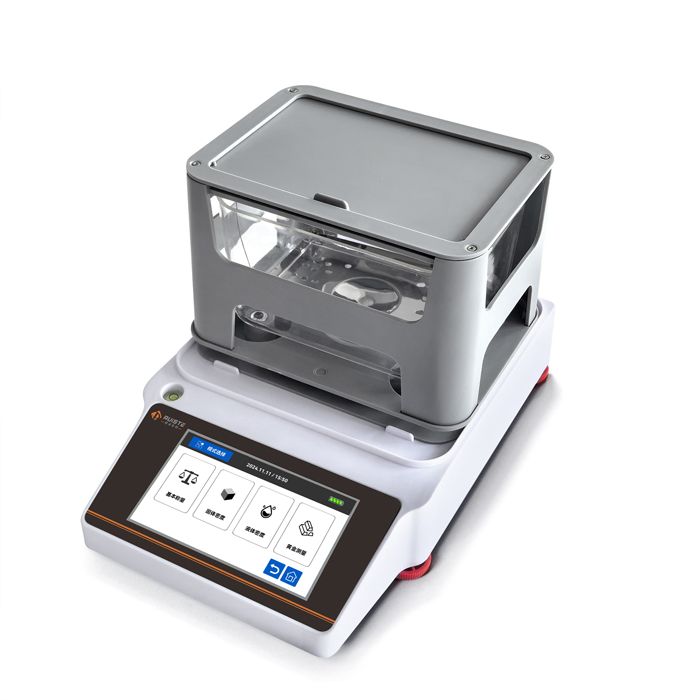
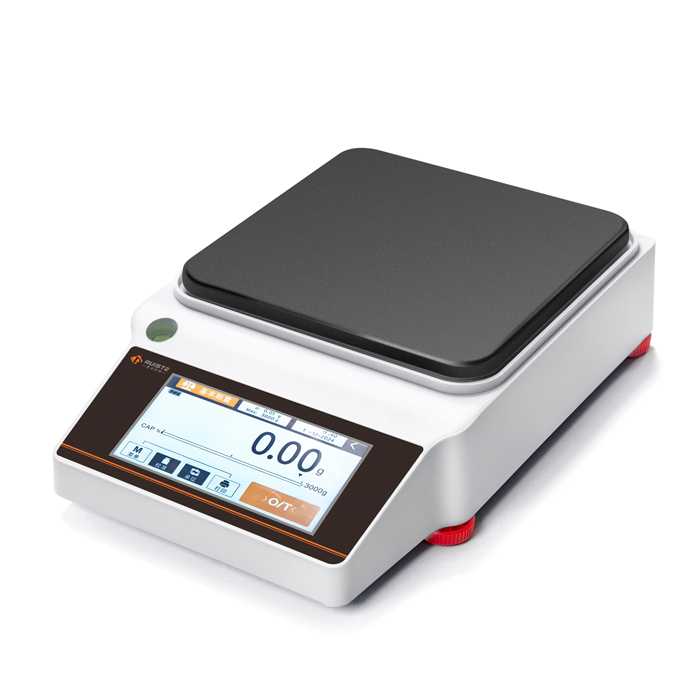
The overall structural design of a standard laboratory analytical balance follows strict precision manufacturing standards, with every component meticulously crafted and reasonably arranged to reduce external interference and internal mechanical friction, ensuring long-term stable weighing performance and consistent measurement repeatability. The external protective shell of the instrument is made of sturdy and anti-corrosion materials, effectively isolating internal precision mechanical and electronic components from external dust, corrosive gases, and accidental physical collisions that may cause structural damage or performance deviation. The core weighing area is equipped with a transparent windproof enclosure composed of glass or high-transparency synthetic material plates, a necessary structural design rather than an optional accessory, because the high sensitivity of the analytical balance makes its weighing process extremely susceptible to the influence of subtle air convection and tiny airflow fluctuations in the laboratory space. Even slight indoor air movement generated by personnel walking, air conditioning operation, or door opening and closing can interfere with the stability of the weighing pan and internal load-bearing structure, resulting in fluctuating display values and unstable final weighing data. The windproof enclosure is designed with flexible sliding doors on multiple sides, allowing laboratory operators to place and take out samples conveniently while maintaining a relatively closed and stable internal weighing environment. Inside the windproof enclosure lies the precision weighing pan, usually made of corrosion-resistant and high-hardness metal materials, with a smooth and flat surface to ensure uniform force bearing of samples and prevent mass measurement errors caused by sample tilting or uneven placement. Below the weighing pan and windproof structure are the core internal functional components, including high-precision displacement sensors, stable magnetic field generating devices, electromagnetic coil assemblies, intelligent closed-loop control circuit systems, high-sensitivity data processing chips, and internal power supply stabilization modules. All these core components are fixed on a shockproof and stable base structure, which can effectively reduce the impact of tiny ground vibrations and mechanical equipment operation vibrations in the laboratory on the weighing accuracy, maintaining the overall structural stability of the instrument during long-term continuous use.
Standardized and standardized operating procedures are critical prerequisites to ensuring the accurate measurement performance and long service life of laboratory analytical balances, and any irregular operation or casual use habit will directly affect weighing results and even cause permanent damage to internal precision components. Before starting any formal weighing work, operators need to conduct a comprehensive pre-use inspection and basic preparation work in accordance with laboratory specifications. First, it is necessary to check the placement state of the analytical balance to ensure the instrument is placed on a solid, horizontal, and stable experimental workbench, with no obvious tilt or shaking of the workbench itself. Most analytical balances are equipped with small horizontal bubble indicators and adjustable foot supports, and operators need to carefully adjust the height of the foot supports to keep the horizontal bubble in the central position, ensuring the entire instrument is in a perfect horizontal working state, as tilting of the instrument will directly change the force-bearing direction of internal mechanical structures and electromagnetic stress balance, leading to systematic deviations in weighing data. After adjusting the horizontal state, the instrument needs to be connected to a stable power supply and preheated for a reasonable period of time. Long-term storage or shutdown of the analytical balance will lead to unstable working states of internal electronic components and magnetic field structures, and sufficient preheating can make all electronic and mechanical parts reach a stable working temperature, avoiding measurement errors caused by temperature drift of components. After preheating is completed, a zero-point reset operation must be carried out to eliminate the influence of slight residual mass on the weighing pan and tiny drift changes of the instrument itself, ensuring the display value returns to zero when there is no sample on the weighing pan.
In the actual sample weighing process, operators need to follow standardized operating norms and maintain gentle and stable operation movements to avoid any unnecessary interference with the instrument. Samples to be weighed should never be directly placed on the surface of the weighing pan; instead, clean and dry weighing containers such as weighing boats, weighing papers, or clean beakers should be used to hold samples, which not only protects the surface of the precision weighing pan from corrosion, contamination, and mechanical wear caused by chemical samples but also facilitates complete sample transfer after weighing and avoids sample residue affecting subsequent weighing work. Before placing the sample container, operators should first place the empty container on the central position of the weighing pan and perform a tare reset operation, so that the instrument automatically deducts the mass of the container and directly displays the net mass of the subsequent added sample, simplifying the weighing calculation process and reducing manual calculation errors. When placing and taking samples, operators need to avoid touching the weighing pan and internal components with their hands directly, as the temperature of human hands and tiny sweat stains will affect the weighing stability and cause subtle mass changes on the pan surface. All sample handling actions should be slow and gentle to prevent impact and vibration on the weighing pan; rapid placement or accidental collision will cause severe fluctuation of the internal balance structure, resulting in unstable display values and prolonged weighing stabilization time. During the weighing waiting period, all doors of the windproof enclosure should be closed tightly to isolate the interference of indoor air convection, and operators should wait patiently for the instrument’s display value to stabilize completely and the numerical reading to remain unchanged for a certain period before recording the final weighing data, avoiding hasty data recording during the fluctuation process.
The environmental conditions of the laboratory where the analytical balance is placed have a decisive impact on measurement accuracy and long-term stable operation, and constant and suitable environmental parameters must be maintained for daily use and storage. Temperature and humidity are two of the most critical environmental factors; drastic temperature changes and excessive or insufficient air humidity will both cause adverse effects on the instrument’s performance. Too high ambient humidity will lead to moisture condensation on internal electronic components and metal structures, easily causing circuit short circuits, component aging, and metal corrosion, affecting the normal operation of electronic control systems and reducing the service life of precision components. Too low humidity will generate static electricity inside the laboratory space, and static adsorption will cause tiny samples to adhere to the weighing container or weighing pan surface, resulting in inaccurate weighing of micro samples and subtle deviations in experimental data. Therefore, the laboratory space where the analytical balance is located needs to maintain a relatively constant room temperature and moderate humidity, avoiding direct sunlight exposure to the instrument, placement near heating or cooling equipment, and positions directly facing air supply outlets of air conditioning and ventilation equipment. In addition to temperature and humidity, the laboratory should also maintain a clean and dust-free environment, reducing the content of suspended particles in the air, because fine dust settling on the weighing pan and internal precision structures will gradually accumulate, causing slow changes in the zero point of the instrument and requiring frequent repeated zero calibration and affecting work efficiency. Meanwhile, the placement position of the analytical balance should be far away from large mechanical operation equipment, vibration-generating devices, and places with frequent personnel activities, to avoid continuous vibration and airflow disturbance affecting the stability of the weighing process.
No laboratory measuring instrument can completely avoid errors in the working process, and the laboratory analytical balance is no exception; effective identification and reasonable control of various types of weighing errors are important guarantees to improve the accuracy and reliability of experimental data. Weighing errors of analytical balances are mainly divided into systematic errors, random errors, and operational errors caused by human factors. Systematic errors are usually caused by long-term slight performance drift of internal components, subtle changes in structural stress, and inaccurate zero position of the instrument, and such errors can be effectively reduced through regular calibration and daily zero reset maintenance. Random errors are mostly derived from tiny fluctuations in laboratory environmental temperature and humidity, subtle air convection interference, and slight vibration changes in the external environment, which cannot be completely eliminated but can be reduced by improving the laboratory environment, standardizing instrument placement, and extending the weighing stabilization waiting time. Human operational errors account for a large proportion of daily weighing work, mainly including inaccurate horizontal adjustment of the instrument before use, failure to preheat sufficiently, irregular sample placement, unstable operation actions, failure to close the windproof enclosure in time, and premature data recording before the reading stabilizes. Most human errors can be completely avoided by strengthening operator training, standardizing daily operating procedures, and developing good experimental operating habits. In addition, for long-term continuous experimental research work, multiple parallel weighing measurements of the same sample can be carried out, and the average value of multiple measurement results can be taken as the final experimental data, which can further reduce the influence of random errors and make the weighing data more in line with actual sample mass.
Laboratory analytical balances have extremely wide and indispensable application scenarios in multiple scientific research disciplines and industrial production detection links, becoming a basic guarantee for the development of various precision experimental and testing work. In chemical analysis laboratories, analytical balances are mainly used for the precise weighing of reference reagents, standard substances, and experimental solid samples, supporting the preparation and concentration calibration of standard solutions required for titration analysis, qualitative and quantitative chemical reaction experiments, and the determination of substance content in complex chemical samples. Accurate weighing data directly determines the accuracy of chemical reaction ratio collocation and final chemical analysis results, and any small weighing deviation will lead to obvious changes in experimental reaction effects and final detection conclusions. In biological and biochemical research laboratories, analytical balances are used for the precise preparation of microbial culture media, accurate weighing of biological samples such as cells, tissues, and biological reagents, and quantitative configuration of biochemical reaction solutions, ensuring the stable progress of microbial culture, biological activity detection, and biochemical experimental reaction processes, and providing accurate basic data for biological mechanism research and biological product development.
In environmental monitoring and ecological protection testing work, analytical balances are used for the precise weighing of environmental samples such as soil sediments, water body filter membranes, and atmospheric dust samples after drying and pretreatment, supporting the detection of harmful substance content and nutrient element content in the ecological environment, providing reliable data support for environmental pollution assessment and ecological environment governance. In material science and new material research and development laboratories, researchers rely on analytical balances to accurately weigh various raw material powders and auxiliary materials for material preparation, control the precise proportion of each component in new material synthesis experiments, and ensure the stability and consistency of the structural properties of prepared new materials, which is crucial for the performance optimization and application promotion of new metal materials, composite materials, and functional polymer materials. In pharmaceutical research and drug testing laboratories, analytical balances are used for the precise weighing of pharmaceutical raw materials, auxiliary materials, and drug test samples, ensuring the accurate proportion of drug formula components and the accuracy of drug content detection, providing basic guarantees for drug research, quality inspection, and safe use of drugs. In food testing and agricultural product quality inspection work, analytical balances are applied to the accurate weighing of food and agricultural product detection samples, supporting the detection of nutritional component content, harmful residue content, and additive content in food and agricultural products, and safeguarding food safety and agricultural product quality.
With the continuous progress of laboratory scientific research technology and the continuous improvement of experimental data accuracy requirements, the performance design and functional configuration of laboratory analytical balances are also constantly optimized and upgraded, adapting to increasingly complex experimental working conditions and diversified experimental testing needs. Modern analytical balances are no longer limited to basic single weighing functions; most devices are equipped with convenient data transmission interfaces, which can be connected to laboratory computers, data printers, and laboratory data management systems, realizing automatic real-time transmission, automatic storage, and unified sorting and management of weighing data, avoiding data recording errors caused by manual transcription and improving the overall efficiency and standardization of laboratory experimental work. At the same time, many analytical balances have added practical auxiliary functions such as automatic timing weighing, cumulative weighing, and unit conversion, which can meet the diversified weighing needs of different experimental projects and different experimental operation processes, making laboratory weighing work more convenient and efficient.
Daily maintenance and long-term reasonable maintenance are essential to maintain the good working performance and extend the service life of laboratory analytical balances, and daily maintenance work needs to be implemented consistently in daily experimental work. After each use of the analytical balance, operators need to clean the weighing pan and the internal space of the windproof enclosure in a timely manner, removing sample residues, dust, and dirt left after weighing to prevent residual chemical samples from corroding the instrument structure and avoid dust accumulation affecting subsequent weighing accuracy. When cleaning, soft and clean cleaning tools should be used; harsh chemical cleaning agents and hard cleaning tools that may scratch the instrument surface and internal components should be avoided. After cleaning, the windproof enclosure should be closed tightly to prevent external dust and sundries from entering the interior. When the analytical balance is not used for a long time, the power supply should be cut off, and the instrument should be covered with a dust cover to isolate dust and moisture, maintaining the internal dry and clean storage environment. Regular professional inspection and calibration work should be arranged periodically to check the working state of internal electronic components and mechanical structures, eliminate potential hidden troubles in time, and ensure that the instrument can always maintain accurate and stable weighing performance during long-term use.
In summary, the laboratory analytical balance, as a core precision weighing instrument in all professional laboratory environments, bears the important responsibility of providing accurate and reliable basic gravimetric data for various scientific research experiments, testing and detection work, and industrial production research and development. Its unique electromagnetic force compensation working principle, precise and reasonable structural design, strict environmental adaptation requirements, standardized operating specifications, and diversified application scenarios all determine its irreplaceable important position in laboratory work. All laboratory operators and scientific researchers should fully understand the working characteristics and performance requirements of the analytical balance, strictly abide by standardized operating procedures, do a good job in daily environmental management and instrument maintenance, effectively control various weighing errors, and give full play to the precision measurement performance of the analytical balance. Only in this way can we ensure that all experimental weighing data is true, accurate, and repeatable, lay a solid foundation for the smooth progress of scientific research experiments and the authenticity and reliability of research results, and continuously support the steady development and technological innovation of various scientific research fields and related industrial sectors.
Laboratory Analytical Balance
https://www.pruiste.com/analytical-balance.html
Post Date: May 5, 2026
https://www.supplier-manufacturer.com/analytical-balance/laboratory-analytical-balance.html

![Portable Digital Counting Scale]()
Portable Digital Counting Scale
In modern daily life, small business operations, light industrial production, warehouse inventory management, and personal hobby organization, the need for accurate and co…![Electronic Laboratory Balance]()
Electronic Laboratory Balance
In every modern laboratory setting, whether focused on chemical research, biological experimentation, material development, or routine quality inspection work, accurate an…![High-precision Balance]()
High-precision Balance
In every corner of modern scientific research, industrial production, environmental monitoring, and pharmaceutical development, the pursuit of accurate mass measurement ha…![Analytical Electronic Balance]()
Analytical Electronic Balance
In every modern scientific laboratory that relies on accurate quantitative data and rigorous experimental outcomes, the analytical electronic balance stands as an indispen…![What is Electronic Balance]()
What is Electronic Balance
In the fields of modern metrology detection, industrial production, scientific research experiments and daily precision processing, electronic balances have become indispe…