Precision Laboratory Balance
In every modern scientific laboratory, industrial research and development workshop, and quality inspection workspace, reliable mass measurement stands as an indispensable foundational link for all experimental research and material performance verification. A precision laboratory balance serves as a core measuring instrument dedicated to capturing subtle changes in the mass of various samples, raw materials, and experimental reagents, providing accurate and repeatable mass data support for all quantitative research work. Unlike ordinary weighing tools used for daily rough measurement and simple industrial bulk weighing, this type of laboratory weighing equipment is designed and manufactured focusing on subtle mass perception, stable long-term operation, and consistent data repeatability, adapting to the rigorous measurement requirements of complex experimental environments and high-precision experimental scenarios. All scientific exploration related to material ratio, component analysis, sample purification, product performance testing, and experimental data verification cannot be carried out smoothly without the accurate data provided by precision laboratory balances, making the equipment an essential basic guarantee for promoting the steady progress of experimental science and industrial quality optimization.
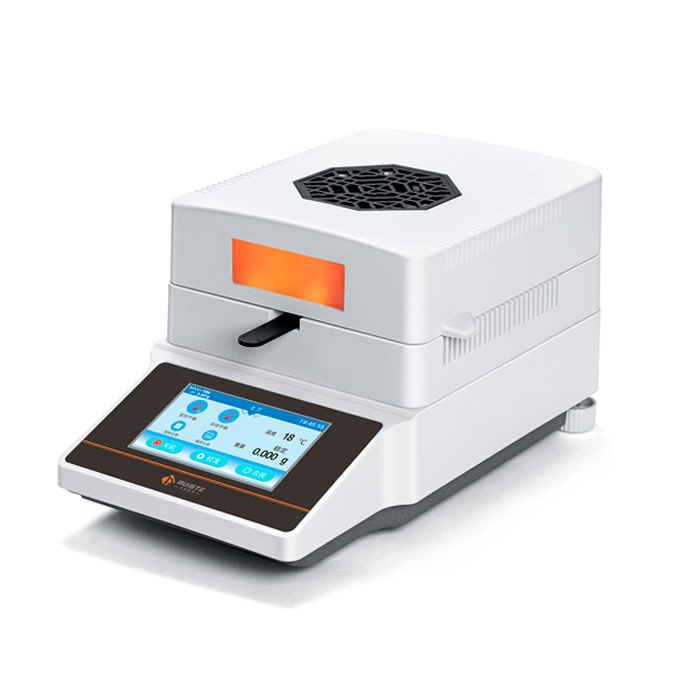
The core operational logic of the precision laboratory balance abandons the traditional mechanical lever weight stacking measurement mode adopted by early weighing equipment, and relies on a mature and stable electromagnetic force balance compensation working mechanism to realize real-time dynamic weighing and accurate mass calculation. When a sample to be measured is steadily placed on the weighing pan of the equipment, the weighing pan and the connected load bearing structure will produce an extremely tiny downward displacement under the action of the sample’s gravity. This subtle displacement, which is almost imperceptible to the human eye, will be quickly captured and identified by a high-sensitivity displacement sensing component built inside the balance. The sensing module immediately converts the detected mechanical displacement signal into a continuous electrical signal, and transmits this signal to the internal intelligent regulation and amplification circuit system for real-time processing and precise adjustment. The processed current signal is fed back to the internal electromagnetic coil device, and the coil generates a corresponding electromagnetic force under the action of the magnetic field inside the equipment. This electromagnetic force will precisely counteract the gravity generated by the sample on the weighing pan, pushing the load bearing structure and the weighing pan back to the initial balanced position before sample placement. In this working state, the magnitude of the current flowing through the electromagnetic coil maintains a stable and direct proportional relationship with the mass of the measured sample. The internal data processing system of the balance converts the real-time current value into intuitive mass data through accurate algorithm calculation, and finally presents the clear and accurate weighing result on the display interface, completing the entire high-precision weighing process.
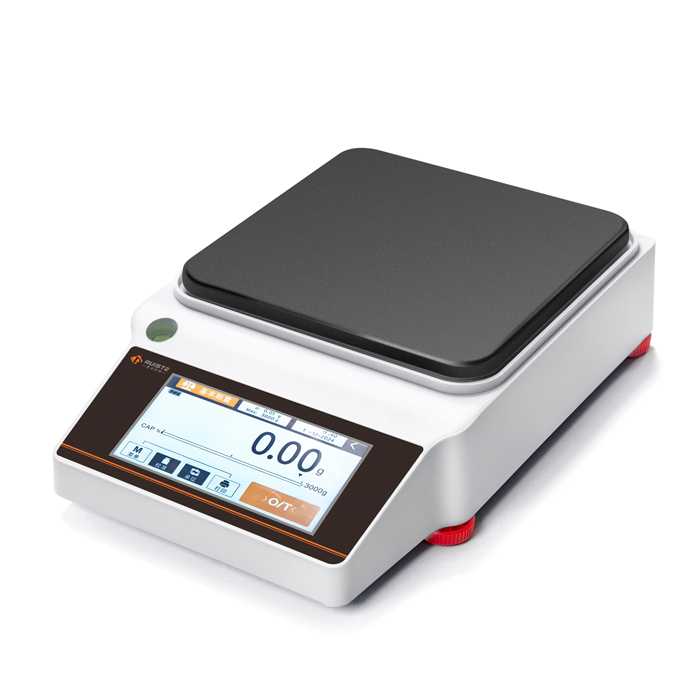
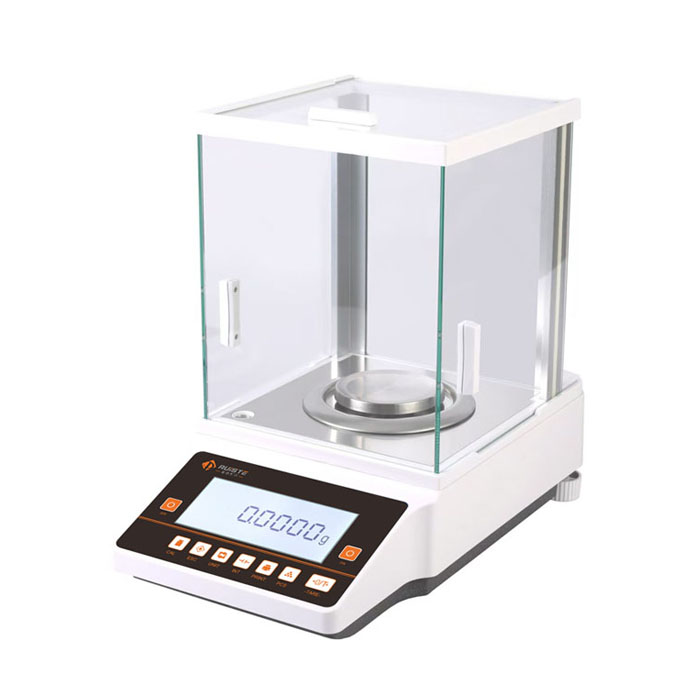
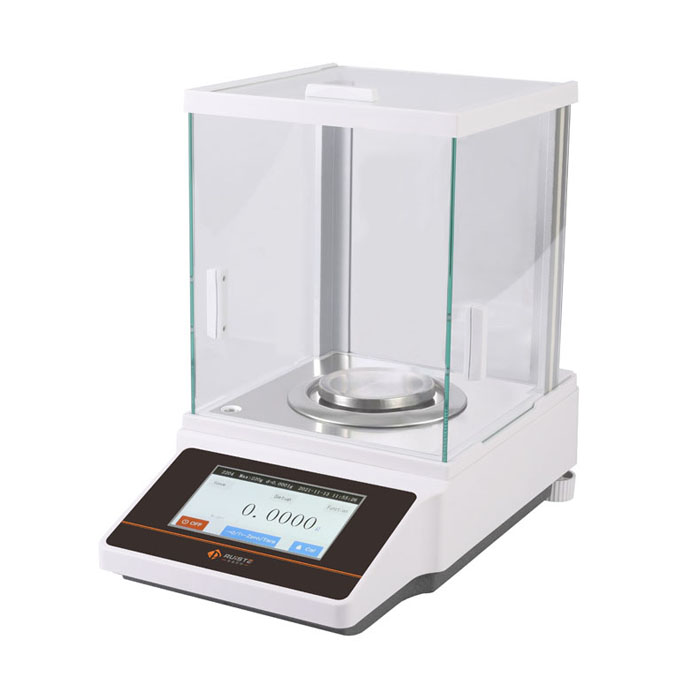
The overall structural design of a qualified precision laboratory balance follows the dual core concepts of mechanical stability and electronic signal accuracy, and every component is carefully optimized to reduce external interference and internal measurement errors. The external shell of the equipment is made of high-strength and anti-corrosion structural materials, which can effectively resist the impact of daily laboratory dust, minor chemical reagent volatilization, and subtle temperature changes on the internal precision components, maintaining the long-term stable working state of the internal sensing and circuit systems. The weighing pan, as the direct bearing part for sample placement, adopts a smooth, wear-resistant, and corrosion-resistant special material, with a flat and uniform surface design to ensure that samples of different shapes and volumes can be placed stably, avoiding weighing deviation caused by sample tilting or uneven stress. The core sensing and electromagnetic balance components are installed in a closed and shockproof internal cavity, isolated from the external operating space, which can reduce the interference of external vibration, airflow fluctuation, and human operation slight shaking on the measurement accuracy. In addition, the equipment is equipped with a professional windproof and heat insulation protection structure for high-precision measurement scenarios. This structure can block the influence of indoor air convection, surface temperature difference of samples, and external light thermal radiation on the subtle mass measurement, effectively reducing random errors in the weighing process and ensuring that each weighing data has good consistency and reproducibility.
The environmental adaptability of precision laboratory balances is a key factor determining the stability and reliability of long-term measurement work, and the performance of the equipment is closely related to the placement environment and working conditions of the laboratory. This type of weighing equipment needs to be placed on a stable and horizontal special experimental workbench, avoiding placement near walls with obvious vibration, experimental equipment with frequent startup and shutdown, and walking passages with large personnel flow, because even tiny vibration transmission will affect the dynamic balance state of the internal electromagnetic system and lead to fluctuations in weighing data. The ambient temperature of the placement space needs to be kept relatively constant, avoiding drastic temperature rise and fall and long-term direct sunlight exposure. Too high or too low temperature will affect the working sensitivity of the internal electronic circuit and sensing components, and also cause slight thermal expansion and contraction of mechanical structures, resulting in measurement deviation. At the same time, the ambient humidity of the laboratory should be maintained within a reasonable range. Excessively high humidity will easily cause moisture adhesion on internal circuit components and metal structures, affecting circuit conduction stability and even causing component corrosion; excessively dry environment will generate static electricity, which will interfere with the transmission of electrical signals and the accurate balance of electromagnetic force. Before daily use, operators need to check the horizontal state of the equipment through the built-in horizontal calibration bubble, and fine-tune the adjustable support feet at the bottom of the balance to ensure that the equipment is always in a horizontal working state, which is the basic prerequisite for obtaining accurate weighing results.
Standardized and standardized operating procedures are crucial to giving full play to the measurement performance of precision laboratory balances and extending the service life of the equipment. Before starting formal weighing work, operators need to preheat the equipment for a certain period of time according to the basic operating requirements. Preheating can make the internal electronic circuit, electromagnetic coil and sensing components reach a stable working temperature state, eliminating the measurement error caused by the unstable operation of components just after startup. After preheating is completed, a blank calibration and zero reset operation must be carried out first to eliminate the influence of the weight of the weighing pan itself, the residual substances left on the pan after previous use, and the subtle changes in the internal structure of the equipment on the zero point, ensuring that the equipment starts formal weighing from an accurate zero position. When placing samples, it is necessary to handle them gently and place them in the center of the weighing pan as much as possible to avoid eccentric load caused by biased placement. Eccentric load will make the stress on the load bearing structure uneven, resulting in deviation between the weighing data and the actual mass of the sample. For samples that are easy to volatilize, absorb moisture, or generate dust during weighing, professional closed weighing containers should be used for auxiliary weighing to prevent sample mass changes caused by volatilization and moisture absorption during the weighing process, and also avoid sample dust contaminating the weighing pan and internal components of the balance.
During the weighing process, operators should keep a safe distance from the equipment and avoid leaning over the balance frequently or breathing directly towards the weighing pan, so as to prevent the airflow generated by human breathing and body movement from interfering with the subtle balance state of the equipment. It is not allowed to place excessive samples beyond the reasonable weighing range of the equipment on the weighing pan, so as to avoid long-term overload operation causing permanent damage to the internal sensing components and electromagnetic balance structure, affecting the subsequent measurement accuracy and service life of the equipment. After each group of sample weighing is completed, the surface of the weighing pan and the surrounding protective structure should be cleaned in time to remove residual sample particles, reagent residues and dust, keeping the equipment surface clean and tidy. After all daily weighing work is finished, the equipment should be turned off in accordance with the standard process, and the dust cover should be covered to isolate external dust and moisture, protecting the internal precision components from long-term environmental erosion. Regular basic maintenance and inspection should be carried out on the equipment in daily work, including checking the sensitivity of the sensing system, the stability of the circuit operation, and the flexibility of the horizontal adjustment structure, so as to discover potential hidden troubles in time and ensure that the equipment is always in good working condition.
Precision laboratory balances have a wide range of application scenarios, covering multiple professional fields such as chemical analysis research, biomedical experiments, food quality detection, environmental monitoring and analysis, new material research and development, and pharmaceutical preparation configuration, becoming an essential measuring tool for all links requiring quantitative mass control. In chemical analysis laboratories, the equipment is mainly used for accurate weighing of benchmark reagents, experimental raw materials and solid samples, providing accurate mass basis for the preparation and calibration of standard solutions, quantitative chemical reaction experiments and sample component content detection. The accurate ratio of chemical experimental materials directly determines the authenticity and validity of experimental reaction results and data, and any subtle weighing error may lead to deviation of experimental conclusions and affect the progress of chemical research and experimental verification work.
In biomedical research and pharmaceutical preparation laboratories, precision laboratory balances are used for the weighing and configuration of biological reagents, culture medium raw materials, experimental drug components and trace biological samples. Biomedical experiments and pharmaceutical preparation work have extremely high requirements for the proportion of various raw materials. Trace changes in the mass of raw materials may affect the activity of biological reagents, the growth state of experimental organisms and the efficacy and safety of prepared drugs. Through the high-precision measurement function of the balance, scientific researchers can accurately control the dosage of each component, ensuring the repeatability of biomedical experimental results and the stability of pharmaceutical preparation quality. In the field of food safety and quality testing, the equipment is used for weighing food samples, food additives and detection pretreatment materials, supporting the quantitative detection of food nutrient composition, harmful substance residues and ingredient proportion compliance inspection, providing accurate data support for food quality safety control and market supervision and management.
In environmental monitoring and ecological environment analysis work, precision laboratory balances are applied to the weighing and detection of environmental samples such as soil sediments, water body filter membrane residues, and atmospheric particulate matter collection samples. Environmental monitoring work needs to accurately measure the trace material content in the environment, and the mass change of tiny samples directly reflects the degree of environmental pollution and the effect of ecological governance. The high-precision weighing data provided by the balance can help environmental researchers accurately analyze the composition and content of pollutants, formulate targeted environmental protection and governance plans, and track and evaluate the improvement effect of the ecological environment. In the research and development and performance testing of new industrial materials, the equipment is used for weighing new material raw materials, coating materials and experimental test samples, supporting the research on material ratio optimization, material performance change before and after processing, and material durability testing. Accurate mass measurement data helps material research personnel optimize material formulas, improve material production processes, and develop new material products with better performance and more stable quality.
With the continuous progress of scientific research technology and the continuous improvement of industrial production quality requirements, the performance optimization and functional upgrading of precision laboratory balances have been advancing steadily. Modern precision laboratory balances are no longer limited to basic single weighing functions, but are gradually combined with intelligent data processing and remote data transmission functions. The equipment can automatically record and store daily weighing data, and realize data connection and synchronous transmission with laboratory data management systems and computer terminal equipment, facilitating laboratory personnel to sort out experimental data, track experimental records, and carry out subsequent data statistical analysis and experimental result summary. This intelligent data management mode not only reduces the error of manual data recording, but also improves the overall work efficiency of the laboratory, realizing the standardized and traceable management of experimental weighing data.
In the long-term laboratory daily work and scientific research exploration, the importance of precision laboratory balances is often reflected in subtle and basic measurement links. All major scientific research discoveries, experimental result innovations and industrial quality improvements are inseparable from the accumulation of accurate basic measurement data. A well-maintained and normally operating precision laboratory balance can provide stable and reliable mass measurement support for long-term experimental research, avoid experimental failure and research deviation caused by weighing errors, and lay a solid foundation for the smooth development of all scientific research and testing work. Both professional laboratory researchers and front-line testing operators need to fully understand the working principle of the precision laboratory balance, strictly abide by standardized operating specifications and daily maintenance management requirements, attach importance to the environmental placement and daily maintenance of the equipment, and give full play to the accurate measurement performance of the equipment. Only in this way can we ensure that every weighing data is true and effective, every experimental research work is carried out in an orderly manner, and continuously promote the continuous development and innovation of various scientific research disciplines and industrial testing fields.
Precision Laboratory Balance
https://www.pruiste.com/laboratory-balance.html
Post Date: May 5, 2026
https://www.supplier-manufacturer.com/laboratory-balance/precision-laboratory-balance.html

![Micro Precision Balance]()
Micro Precision Balance
Micro precision balance stands as an essential measuring instrument designed for detecting subtle mass variations of tiny substances, serving as a fundamental tool in nume…![Precision Balance Manufacturer]()
Precision Balance Manufacturer
Precision balances stand as indispensable measuring instruments across numerous industrial, scientific, and research sectors, serving as fundamental tools for obtaining re…![Types of Electronic Balance]()
Types of Electronic Balance
Electronic balances have become indispensable weighing instruments in modern industrial production, scientific research, and daily analytical work, relying on electronic s…![Tablet Electronic Balance]()
Tablet Electronic Balance
In the modern metering industry, precise weighing equipment has become an indispensable basic tool for various professional scenarios, and tablet electronic balance stands…![Smart Weighing Scale]()
Smart Weighing Scale
In the contemporary era where people pay growing attention to physical wellness and daily body management, simple weighing tools can no longer meet the diverse health moni…