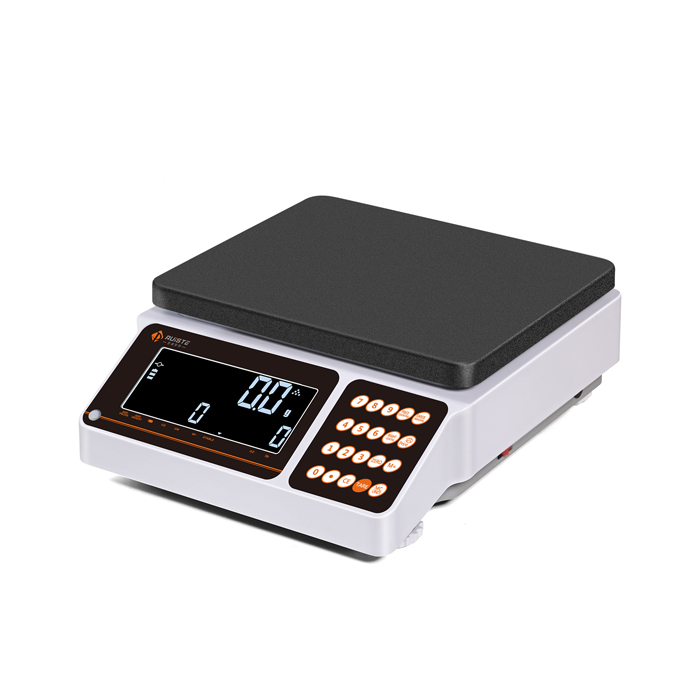
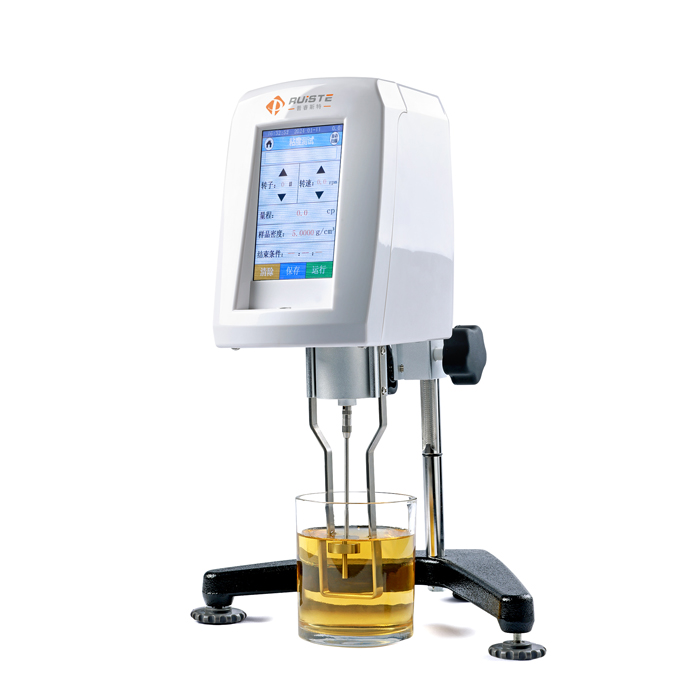
Industrial Analytical Balance
In modern industrial production and material processing sectors, accurate mass measurement serves as the foundational cornerstone for maintaining production consistency, controlling material ratios, optimizing product quality, and meeting standardized operational requirements. Among all precision weighing instruments deployed in industrial frontlines and supporting testing workshops, the industrial analytical balance stands out as an essential precision device tailored for high-precision mass determination tasks that conventional industrial weighing tools cannot accomplish. Unlike general platform scales and floor scales designed for heavy-load and low-precision bulk material weighing scenarios, this type of analytical weighing equipment is engineered to handle small-batch sample measurement, raw material proportioning verification, finished product component testing, and experimental data recording that demand meticulous numerical accuracy and stable long-term operational performance. Its existence bridges the gap between rough industrial bulk weighing and ultra-precise laboratory analytical measurement, enabling industrial production links to achieve refined management and quantitative control at the microscopic mass level, which directly influences the stability of production processes and the overall quality level of manufactured goods across diverse industrial chains.
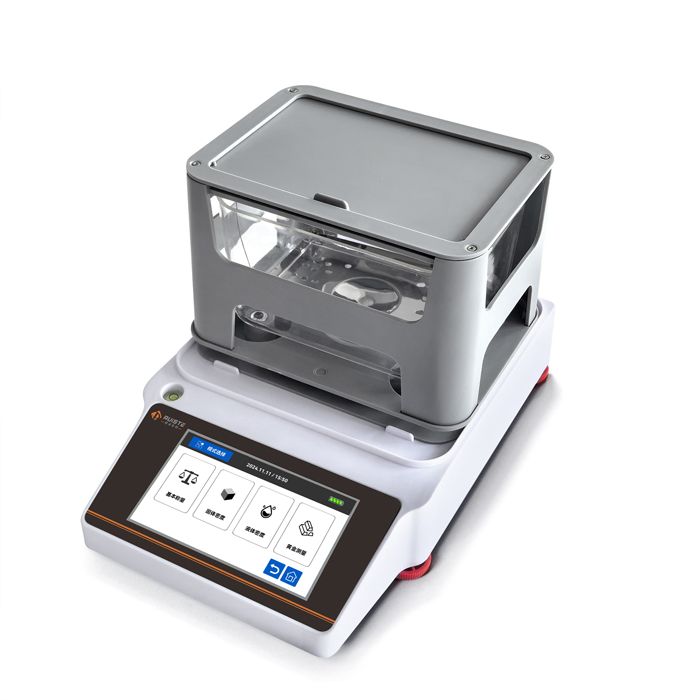
The core working operation of the industrial analytical balance relies on the mature and reliable electromagnetic force compensation balance principle, a scientific mechanism that has become the mainstream technical foundation for modern precision analytical weighing equipment, replacing the traditional mechanical lever balance structure used in early weighing devices. During normal operation, the internal load-bearing and force transmission structure of the balance remains in a preset initial equilibrium state when no object is placed on the weighing pan. Once a sample or material to be measured is stably positioned on the dedicated weighing surface, the gravity generated by the mass of the measured object acts directly on the internal load receiver connected rigidly to the weighing pan, causing an extremely tiny and almost imperceptible displacement of the load-bearing component. This subtle positional change is instantly captured by high-sensitivity displacement sensing components installed inside the equipment, which convert the physical displacement signal into a measurable electrical signal and transmit it to the built-in closed-loop feedback control system of the balance. The control system immediately adjusts the current flowing through the internal electromagnetic coil according to the real-time received signal, generating a corresponding electromagnetic force that counteracts the gravity of the measured object. As the electromagnetic force and the gravity of the sample reach a new state of balance, the current required to maintain this equilibrium state maintains a stable value, and the magnitude of this current presents a direct and linear proportional relationship with the mass of the measured object. After high-precision analog-to-digital signal conversion and internal data algorithm processing, the final accurate mass value is presented on the digital display interface, completing the entire efficient and precise weighing process.
The overall structural design of the industrial analytical balance focuses on both internal precision transmission matching and external environmental interference resistance, fully adapting to the complex and variable on-site working conditions of industrial environments, which is distinctly different from pure laboratory analytical balances that only suit stable indoor environments. The external part of the equipment adopts a sturdy and rigid integrated shell structure, which can effectively resist minor mechanical vibration, accidental external collision, and dust accumulation in industrial workshops, protecting the internal precision sensing and circuit components from physical damage and contamination. The core weighing area is equipped with a specially treated anti-corrosion and wear-resistant weighing pan, which can long-term contact with various industrial raw materials, chemical intermediates, metal powder samples, and finished product test pieces without surface corrosion or deformation, ensuring the long-term stability of the weighing bearing surface. Surrounding the weighing pan, a protective windproof and isolation cover is configured as a standard matching part, a necessary structural design for industrial analytical weighing work. In actual industrial production sites, air convection, surface wind flow, and fine floating dust in the air can easily interfere with tiny mass measurement results, and the windproof cover can isolate the weighing space from the external flowing air and dust environment, eliminating the weighing error caused by air flow impact and dust deposition on the sample surface. The internal core components include high-precision electromagnetic force sensors, stable signal processing circuits, high-sensitivity displacement detectors, and intelligent data processing modules, all of which are assembled and debugged in a dust-free and constant-temperature environment during production to ensure the coordination and response sensitivity of each link, avoiding measurement deviation caused by loose internal structural matching or signal transmission delay.
Environmental adaptability is a key performance advantage of industrial analytical balances in practical industrial scenarios, as industrial production sites often cannot maintain the constant temperature, constant humidity, and static environmental conditions of professional laboratories. Temperature fluctuation is one of the main factors affecting weighing accuracy, and the internal intelligent temperature compensation module of the industrial analytical balance can automatically sense real-time ambient temperature changes and dynamically adjust internal signal parameters and electromagnetic force output values, offsetting the measurement drift caused by thermal expansion and contraction of internal metal structures and electronic components. Humidity resistance design is also fully considered in the equipment manufacturing process; internal circuit boards and sensing components are treated with moisture-proof and insulation protection to prevent short-circuit failure or signal distortion caused by excessive air humidity in industrial workshops, ensuring normal and stable operation even in humid production environments such as chemical processing and food fermentation. In addition, the equipment is designed with anti-vibration optimization for industrial on-site vibration interference. The bottom of the balance is equipped with adjustable stable supporting feet and internal shock-absorbing buffer structures, which can weaken the impact of mechanical vibration generated by surrounding production equipment operation on the weighing structure, ensuring that the weighing data remains stable and does not jitter during the measurement process. This comprehensive environmental adaptation design enables the industrial analytical balance to maintain consistent and reliable weighing performance whether placed in production workshop operation rooms, on-site quality inspection stations, or temporary material batching testing areas.
Standardized daily operation procedures are essential to maintain the long-term accuracy and service life of industrial analytical balances, and all operating steps need to be carried out in strict accordance with scientific specifications to avoid human-induced measurement errors and equipment damage. Before starting each batch of weighing work, operators need to place the balance on a horizontal and stable working platform first, adjust the supporting feet to make the equipment in a horizontal state, which is the basic prerequisite for ensuring accurate weighing, as any tilt of the balance body will cause uneven force on the internal force transmission structure and lead to deviation in measurement results. After turning on the equipment power, a sufficient preheating time should be reserved for the balance, allowing the internal electronic components and sensing system to reach a stable working state and avoiding inaccurate initial weighing data caused by unstable circuit operation just after power-on. Before formal sample weighing, zero calibration operation must be completed to eliminate the influence of the weight of the weighing pan itself, residual dust on the surface, and slight positional changes of the equipment on the zero point, ensuring that the initial measurement baseline is accurate. When placing samples for weighing, operators should handle the samples gently and place them in the center of the weighing pan uniformly, avoiding placing samples on the edge of the weighing pan to prevent eccentric load affecting the force transmission effect and causing weighing errors. It is also necessary to avoid direct contact between hands and the weighing pan and sample surface to prevent sweat, oil stains, and fine impurities on hands from adhering to the weighing pan or sample, which would change the actual mass and affect the accuracy of test data. After the weighing data is stabilized and recorded, the sample should be removed gently, and the weighing pan surface should be cleaned in time to keep the weighing area clean and tidy for subsequent weighing work.
Scientific and regular daily maintenance and upkeep work can effectively extend the service life of industrial analytical balances and maintain long-term consistent weighing accuracy, reducing equipment failure rates and subsequent maintenance costs in industrial production processes. Daily maintenance work mainly focuses on cleaning, dust prevention, and regular calibration inspection. After each daily use, the operator needs to wipe the weighing pan, windproof cover, and the outer surface of the balance shell with a soft, dry and lint-free cloth to remove residual material debris, dust, and stains left by industrial samples; for stubborn stains that are not easy to clean, a small amount of neutral cleaning solution can be used for wiping, and it is necessary to strictly avoid using corrosive chemical solvents to prevent corrosion and damage to the equipment surface and internal components. When the balance is not in use for a long time, the weighing pan should be taken out and cleaned separately, and the equipment should be covered with a special dust cover to prevent long-term accumulation of industrial dust from entering the internal precision structure and affecting the sensitivity of sensing and force transmission components. Regular calibration inspection work should be arranged periodically according to the frequency of equipment use and production process requirements. Routine calibration corrects tiny measurement deviations caused by long-term use, environmental changes, and structural slight wear, ensuring that the weighing data of the balance is always within the required accuracy range of industrial production. During the maintenance process, non-professional personnel are not allowed to disassemble the internal precision structure and circuit components at will, so as to avoid damaging the internal debugging parameters and structural matching accuracy; if equipment failure or abnormal data fluctuation occurs, professional maintenance personnel should be arranged for inspection and debugging to ensure the safety and stability of equipment operation.
Industrial analytical balances are widely applied in multiple core links of various industrial sectors, providing reliable data support for refined production and quality control in different industries. In the chemical and new material manufacturing industry, this equipment is mainly used for precise batching and proportioning of fine chemical raw materials, trace additive weighing, and sampling testing of finished chemical products. The production of chemical reagents, polymer materials, and new functional materials has strict requirements on the proportion of various raw materials, and tiny deviations in material mass will directly affect the chemical reaction effect and the final performance of products. The industrial analytical balance can accurately control the dosage of each raw material, ensuring the consistency of material proportioning in each production batch and stabilizing the chemical production process. In the metal processing and metallurgical industry, the balance is used for weighing metal powder samples, trace alloy components, and finished metal product test pieces, detecting the content of different elements in alloy materials and verifying whether the material composition meets production and manufacturing standards, effectively controlling the quality of metal raw materials and finished products. In the food and pharmaceutical production industry, industrial analytical balances are applied to the precise weighing of food additives, pharmaceutical raw materials, and auxiliary materials, as well as sampling inspection of finished product net content, ensuring that the dosage of additives and pharmaceutical ingredients meets relevant production specifications, and guaranteeing the safety and qualified quality of food and pharmaceutical products. In the environmental protection and new energy industry, the equipment is used for weighing environmental monitoring samples, new energy battery raw materials, and photovoltaic material samples, providing accurate basic data for environmental detection and new energy material research and production optimization.
In the entire modern industrial system that pursues refined management and high-quality development, the industrial analytical balance, as a basic precision measuring instrument, undertakes the important task of accurate mass measurement in key production and testing links. Its stable working performance, reliable measurement accuracy, good environmental adaptability, and convenient operation and maintenance characteristics make it an indispensable supporting device for upgrading industrial production processes and improving product quality levels. Although the equipment is small in volume and belongs to auxiliary production equipment, every accurate weighing data it provides is related to the stability of production batching, the qualification rate of finished products, and the scientific nature of production process optimization. With the continuous advancement of industrial production technology and the continuous improvement of market requirements for product quality, the importance of industrial analytical balances in industrial production links will become more prominent. Continuous standardized operation, scientific daily maintenance, and reasonable application deployment can give full play to the core value of the equipment, provide solid and accurate measurement guarantee for the stable operation and high-quality development of various industrial production activities, and lay a solid foundation for the long-term and healthy development of all industrial sectors.
Industrial Analytical Balance
https://www.pruiste.com/analytical-balance.html
Post Date: May 5, 2026
https://www.supplier-manufacturer.com/analytical-balance/industrial-analytical-balance.html

![Counting Balance RSB-C SERIES]()
Counting Balance RSB-C SERIES
The RSB-C series adopts high-definition keys, which is economical. The entire series of balances adopt Nuosheng sensors, brand sensors, and aluminum alloy structure to ens…![Digital Viscometer Price]()
Digital Viscometer Price
Digital viscometers have become indispensable precision testing instruments across modern industrial production, laboratory research and development, and quality inspectio…![Working Principle of Digital Viscometer]()
Working Principle of Digital Viscometer
Viscosity is an inherent physical property of fluid substances, which characterizes the internal friction and flow resistance generated when a fluid undergoes relative mot…![High-temperature Digital Viscometer]()
High-temperature Digital Viscometer
Viscosity stands as one of the most fundamental physical properties of fluid substances, reflecting the internal friction and flow resistance generated during the movement…![Rapid Moisture Analyzer]()
Rapid Moisture Analyzer
Moisture content stands as one of the most critical physical indicators that determine the quality, stability, and practical performance of various raw materials and finis…