Benchtop Laboratory Balance
In every modern laboratory setting that relies on precise quantitative measurement and accurate experimental data recording, the benchtop laboratory balance stands as an indispensable foundational piece of basic equipment, serving as a reliable cornerstone for all kinds of scientific research, material testing, experimental formulation preparation and quality inspection work across multiple professional fields. Unlike ordinary weighing tools used in daily life or simple industrial scenarios that only require rough weight estimation, this type of benchtop device is specially engineered to meet the rigorous weighing demands of laboratory environments, where even minor deviations in mass measurement can lead to obvious changes in experimental results, affect the accuracy of data analysis, and even cause the failure of entire research projects or material testing processes. The core value of a benchtop laboratory balance lies in its ability to convert subtle gravitational changes of measured samples into stable and readable digital signals through sophisticated internal structural design and precise electronic sensing systems, ensuring that every weighing operation can deliver consistent, repeatable and trustworthy mass data under standardized operating conditions and suitable surrounding environments. Whether in chemical laboratories preparing precise reagent ratios for chemical reaction experiments, biological laboratories conducting sample pretreatment for microbial culture and biomolecular research, pharmaceutical research and development laboratories formulating raw material proportions for new formula trials, or food testing and environmental monitoring laboratories carrying out component content detection and pollutant residue analysis, the reasonable application and proper management of benchtop laboratory balances are always the primary prerequisite for ensuring the authenticity and validity of all subsequent experimental and testing work.
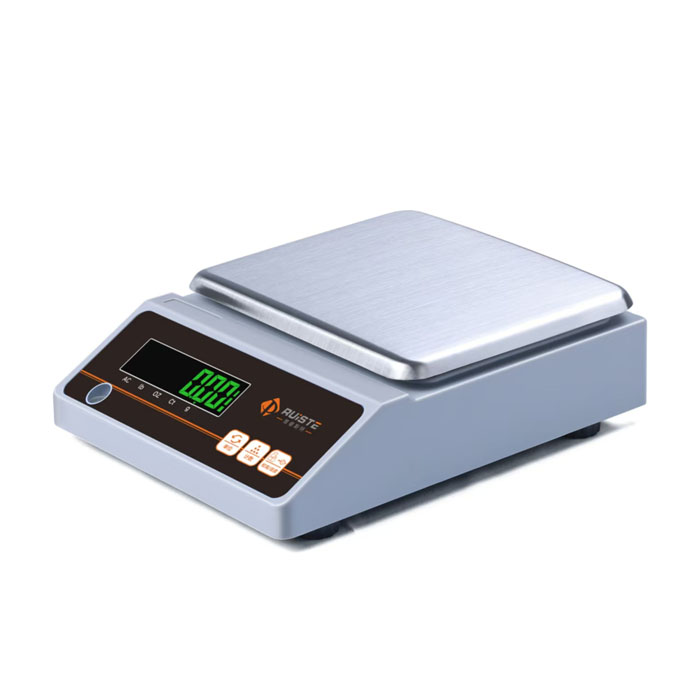
The basic working mechanism of the benchtop laboratory balance follows the electromagnetic force balance compensation principle, a mature and stable technical logic that has been widely adopted in precision weighing equipment for laboratory scenarios for many years, delivering steady and reliable measurement performance for long-term daily use. When a sample requiring mass measurement is steadily placed on the central position of the balance’s weighing pan, the gravity generated by the sample’s physical mass acts directly on the load-bearing structure connected firmly to the weighing pan, causing a tiny and almost imperceptible downward displacement of the load receiver and the matching internal coil and support components. This subtle displacement cannot be observed by the naked eye, but it can be accurately and instantly captured by a high-sensitivity position detection component, usually a photoelectric sensor designed to perceive micro-displacement changes with high precision. After detecting the displacement signal, the internal circuit system of the balance immediately converts the optical displacement signal into a measurable electrical signal, which is then transmitted to the built-in microprocessor and control adjustment module for real-time processing and calculation. The control system will automatically adjust the current passing through the internal electromagnetic coil according to the real-time processed signal data, and the coil generates a corresponding electromagnetic force under the action of the internal magnetic steel and magnetic pole shoe structure inside the balance. This electromagnetic force acts in the opposite direction to the gravity of the measured sample, continuously offsetting the downward pressure brought by the sample’s mass, and gradually pulls the load-bearing structure back to its original initial balance position to achieve dynamic force balance between gravity and electromagnetic force. In this whole closed-loop adjustment process, the magnitude of the current required to maintain the balance state maintains a stable proportional relationship with the actual mass of the measured sample. The microprocessor collects and calculates the current data in real time, converts the electrical signal value into an intuitive mass value through built-in algorithm processing, and finally presents the clear and stable weighing result on the digital display screen of the balance, completing the entire precise weighing process efficiently and accurately.
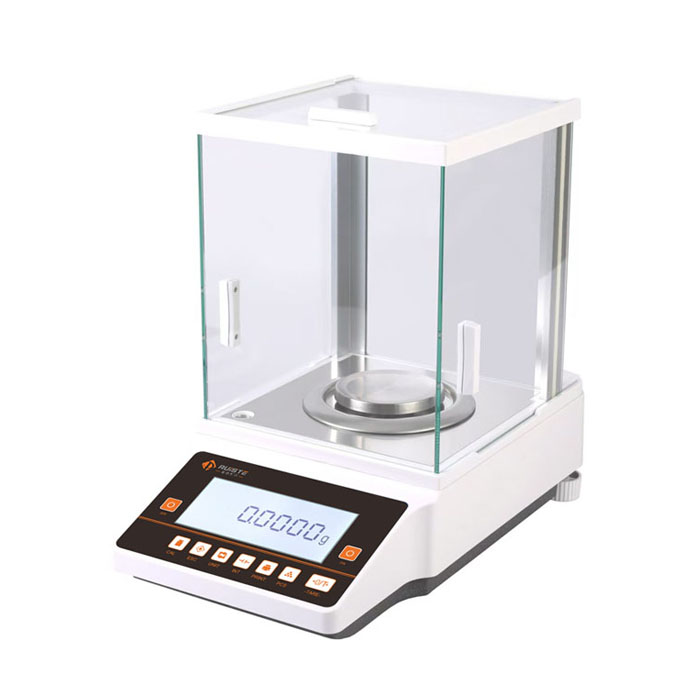
The overall structural design of the benchtop laboratory balance is compact and reasonable, with every component carefully configured to focus on ensuring weighing stability, structural durability and anti-interference ability in complex laboratory working environments, and each internal and external part undertakes an irreplaceable functional role in the weighing process. The external visible part mainly includes a stable base that plays a fundamental supporting role, a flat and smooth weighing pan for placing samples to be tested, a protective windshield structure for blocking external air flow interference, and a digital display and operation control panel for viewing data and setting basic functions. The base is usually made of high-density and high-stability metal materials, with a solid overall structure that can effectively reduce the vibration influence transmitted from the laboratory desktop and external surrounding environment, ensuring that the main body of the balance remains in a stable horizontal state during all weighing operations. The weighing pan adopts corrosion-resistant and high-hardness material processing, with a regular geometric shape and smooth surface, which is convenient for placing samples of different shapes and specifications, and also facilitates daily cleaning and residue removal to avoid sample residue from affecting subsequent weighing accuracy. The windshield structure assembled on the outer side of the weighing pan is an essential configuration for improving weighing stability, especially suitable for environments with frequent air flow changes or when weighing tiny samples with small mass values; it can block the impact of external natural wind, air conditioner convection wind and other air flows on the weighing pan and samples, preventing data fluctuation and unstable numerical jumping caused by air flow disturbance. The internal core components mainly cover high-precision displacement sensors, electromagnetic coil and magnetic steel combination modules, signal processing circuit boards, intelligent microprocessors and power supply stabilization modules, all of which are installed in a sealed and protected inner cavity of the balance to avoid direct contact with external dust, moisture and corrosive gases, effectively protecting the precision core structures from external environmental damage and ensuring long-term stable operation of the equipment.
Benchtop laboratory balances have extremely wide application coverage in various laboratory work scenarios, and their accurate weighing capabilities provide basic data support for different types of experimental research and testing work, adapting to the diversified weighing needs of different industries and professional research directions. In chemical laboratory daily work, researchers often need to weigh various solid chemical reagents and prepare precise concentration solution configurations, and the accurate mass ratio of different reagents directly determines the smooth progress of chemical reactions and the accuracy of experimental reaction result data. Many chemical quantitative analysis experiments, such as titration analysis experiments, solution standard curve drawing and chemical composition quantitative detection, require accurate weighing of standard samples and experimental raw materials, and only with the precise data provided by benchtop laboratory balances can the prepared experimental solutions meet the experimental standard requirements and ensure the repeatability and comparability of chemical experiment data. In biological and biochemical laboratory research work, the balance is used for weighing biological samples, culture medium raw materials, microbial culture additives and biological reagents used in molecular experiments. The precise weighing of these materials is crucial for the normal growth and reproduction of microbial strains, the smooth progress of cell culture experiments and the accurate extraction and detection of biological macromolecules; any slight error in sample weighing may lead to changes in microbial growth status, failure of cell culture experiments or deviation of biological detection data, affecting the progress and conclusion of biological research projects.
In pharmaceutical research and development and pharmaceutical testing laboratories, benchtop laboratory balances are used for the proportional weighing of various pharmaceutical raw materials, auxiliary materials and experimental drug samples in new drug formula development, pharmaceutical preparation process optimization and finished drug quality testing work. The accurate proportion of pharmaceutical ingredients is directly related to the safety and effectiveness of pharmaceutical products, and precise weighing data ensures that each batch of experimental preparations and tested samples meets the set formula standards and quality control requirements, providing reliable data basis for pharmaceutical formula screening, process parameter adjustment and drug quality safety evaluation. In food safety testing and food production research laboratories, the balance is responsible for weighing food raw material samples, food additive detection samples and food component analysis test samples, used for detecting nutrient content, harmful residue limits and food ingredient proportion compliance testing in various foods, helping relevant institutions complete food quality safety assessment and ensure that food products meet relevant production and safety specifications. In environmental monitoring laboratories, staff use benchtop laboratory balances to weigh environmental samples such as soil sediments, water body filter membrane residues and atmospheric dust fall samples, conducting quantitative analysis of environmental pollutants and harmful substances, providing accurate basic data for environmental quality assessment, pollution source investigation and environmental governance effect detection, and supporting the formulation and implementation of targeted environmental protection and governance measures.
Standardized operating specifications are key to maintaining the good working performance and long service life of benchtop laboratory balances, and every operator who uses the equipment regularly needs to master correct operation steps and standardized use habits to avoid inaccurate weighing data and equipment component wear caused by irregular operations. Before starting any weighing work, the operator first needs to check the placement state of the balance, ensuring that the equipment is placed on a horizontal, stable and vibration-free laboratory workbench, adjusting the horizontal correction device matched with the balance to keep the equipment in a standard horizontal working state, because tilting placement will directly affect the stress balance of the internal load-bearing structure, leading to continuous deviation of weighing data. After confirming the horizontal state, it is necessary to carry out zero setting pretreatment of the balance, clearing the residual weight data caused by the weighing pan itself or accidental placement of sundries, ensuring that the display data returns to the zero baseline state before sample weighing, which is the basic premise to ensure the accuracy of each weighing result. During the sample placing process, operators should handle samples gently and place them steadily in the center of the weighing pan, avoiding placing samples on the edge of the weighing pan or throwing samples heavily onto the pan; eccentric placement will cause uneven stress on the load-bearing structure, and violent impact will cause irreversible damage to internal precision sensors and coil components, affecting the long-term measurement stability of the balance.
In the process of weighing special samples, targeted standardized operation management is also required according to the physical and chemical characteristics of the samples. For samples that are easy to absorb moisture, volatile or corrosive, operators need to use special weighing containers for auxiliary weighing, avoiding direct contact between the samples and the weighing pan to prevent corrosion and damage to the surface of the weighing pan and internal components, and also reducing the weighing error caused by sample moisture absorption and volatilization during the weighing process. It is not allowed to weigh excessive heavy samples that exceed the maximum weighing range of the balance, and long-term overload use will cause permanent deformation of the internal load-bearing structure and sensor fatigue damage, resulting in a continuous decline in balance accuracy that is difficult to repair. After each weighing operation is completed, the operator should record the weighing data in a timely and standardized manner, then remove the sample and clean up the tiny sample residues scattered on the weighing pan and the inner wall of the windshield in time to prevent the residues from accumulating and affecting the subsequent weighing work. In addition, frequent frequent start-stop and repeated zero-setting operations should be avoided during continuous use, and the balance should be kept in a continuous stable working state, which helps maintain the stability of internal circuit signals and ensures the consistency of repeated weighing data of multiple samples.
The external working environment has a profound and direct impact on the measurement performance and service life of benchtop laboratory balances, and maintaining a suitable and stable working environment is an important part of ensuring the long-term stable operation of the equipment. Temperature change is one of the main environmental factors affecting weighing accuracy; excessive high temperature, low temperature or frequent sudden temperature changes will cause thermal expansion and contraction of internal metal components and circuit structures, leading to signal drift of electromagnetic sensors and affecting the proportional balance relationship between electromagnetic force and sample gravity, resulting in unstable weighing data and large repeated measurement errors. It is necessary to place the balance in a laboratory space with constant ambient temperature as much as possible, avoiding placing the equipment near heating equipment, air conditioner air outlets, doors and windows and other positions susceptible to temperature sudden changes, allowing the balance to be placed in the working environment for a period of time before formal use to adapt to the ambient temperature and achieve internal thermal balance. Humidity control is also very important for the normal operation of the balance; too high air humidity will cause moisture accumulation inside the equipment, easily leading to circuit short circuit, component oxidation and corrosion, and affecting the normal signal transmission of internal circuits; too low humidity is easy to generate static electricity, causing interference to electronic signal processing and resulting in unstable display data. The laboratory space where the balance is located needs to maintain moderate and stable air humidity, avoiding long-term damp or excessively dry working conditions.
In addition, the balance working position needs to stay away from vibration sources such as mechanical equipment and power equipment that generate continuous vibration, and also avoid direct sunlight and strong corrosive gas erosion. Long-term vibration interference will make the internal load-bearing structure unable to maintain a stable balance state, resulting in continuous jumping of weighing data and inability to read stable numerical values; direct sunlight will cause local temperature difference changes of the balance body and accelerate the aging of external and internal components; corrosive gases will slowly corrode internal precision parts and circuit boards, reducing the service life of the equipment and affecting measurement accuracy for a long time. Keeping the laboratory environment clean and tidy, reducing dust accumulation around the balance, and avoiding dust falling into the internal gap of the equipment are also basic environmental management requirements, because excessive dust accumulation will affect the normal operation of movable parts and sensors, leading to increased equipment failure rates.
Scientific daily maintenance and regular performance maintenance are essential to maintain the stable weighing performance of benchtop laboratory balances, delay equipment aging, extend service life and reduce failure occurrence, and formulating a standardized daily maintenance management plan is a necessary part of laboratory equipment management work. Daily maintenance work mainly focuses on daily cleaning and daily inspection after each use and daily before use. After each weighing operation, the weighing pan, windshield inner wall and balance surface should be cleaned with a soft, dry and non-corrosive cleaning tool to wipe away sample residues, dust and stains, ensuring that no sundries remain on the contact parts of the balance; it is forbidden to use corrosive chemical cleaning agents and hard cleaning tools to scrub the balance, so as to avoid scratching the weighing pan surface and corroding the balance shell and internal components. Before daily use, operators need to simply check whether the balance placement is stable, whether the power supply connection is normal, whether the zero setting function is sensitive and effective, and whether the display screen displays normally; if abnormal phenomena such as unstable data display and unresponsive keys are found, the equipment should be stopped in time for inspection and troubleshooting, and it is not allowed to operate with faults to avoid expanding equipment damage.
Regular maintenance work needs to be carried out according to the frequency of equipment use and laboratory working conditions, including regular calibration performance detection, internal dust removal and component operation status inspection. Regular calibration can effectively eliminate the weighing data drift caused by long-term use, component aging and environmental change, restore the balance to a good measurement accuracy state, and ensure that the weighing data always meets laboratory experimental and testing work requirements. For internal dust removal work, professional maintenance personnel should be arranged to disassemble and clean the internal sealed structure regularly, remove the accumulated dust inside the equipment, and check the operation status of core components such as sensors, coils and circuit boards to see if there is aging, loosening or corrosion, and timely adjust and replace aging and damaged parts. During long-term idle periods of the balance, the power supply should be cut off in time, the weighing pan should be removed and cleaned separately, and the whole balance should be covered with a dust cover to avoid long-term accumulation of dust and moisture erosion, keeping the equipment in a good standby state. Through standardized daily maintenance and regular professional maintenance, the failure rate of benchtop laboratory balances can be effectively reduced, the stability and accuracy of long-term use can be maintained, and reliable basic measurement support can be continuously provided for various laboratory scientific research and testing work.In every modern laboratory setting that relies on precise quantitative measurement and accurate experimental data recording, the benchtop laboratory balance stands as an indispensable foundational piece of basic equipment, serving as a reliable cornerstone for all kinds of scientific research, material testing, experimental formulation preparation and quality inspection work across multiple professional fields. Unlike ordinary weighing tools used in daily life or simple industrial scenarios that only require rough weight estimation, this type of benchtop device is specially engineered to meet the rigorous weighing demands of laboratory environments, where even minor deviations in mass measurement can lead to obvious changes in experimental results, affect the accuracy of data analysis, and even cause the failure of entire research projects or material testing processes. The core value of a benchtop laboratory balance lies in its ability to convert subtle gravitational changes of measured samples into stable and readable digital signals through sophisticated internal structural design and precise electronic sensing systems, ensuring that every weighing operation can deliver consistent, repeatable and trustworthy mass data under standardized operating conditions and suitable surrounding environments. Whether in chemical laboratories preparing precise reagent ratios for chemical reaction experiments, biological laboratories conducting sample pretreatment for microbial culture and biomolecular research, pharmaceutical research and development laboratories formulating raw material proportions for new formula trials, or food testing and environmental monitoring laboratories carrying out component content detection and pollutant residue analysis, the reasonable application and proper management of benchtop laboratory balances are always the primary prerequisite for ensuring the authenticity and validity of all subsequent experimental and testing work.
The basic working mechanism of the benchtop laboratory balance follows the electromagnetic force balance compensation principle, a mature and stable technical logic that has been widely adopted in precision weighing equipment for laboratory scenarios for many years, delivering steady and reliable measurement performance for long-term daily use. When a sample requiring mass measurement is steadily placed on the central position of the balance’s weighing pan, the gravity generated by the sample’s physical mass acts directly on the load-bearing structure connected firmly to the weighing pan, causing a tiny and almost imperceptible downward displacement of the load receiver and the matching internal coil and support components. This subtle displacement cannot be observed by the naked eye, but it can be accurately and instantly captured by a high-sensitivity position detection component, usually a photoelectric sensor designed to perceive micro-displacement changes with high precision. After detecting the displacement signal, the internal circuit system of the balance immediately converts the optical displacement signal into a measurable electrical signal, which is then transmitted to the built-in microprocessor and control adjustment module for real-time processing and calculation. The control system will automatically adjust the current passing through the internal electromagnetic coil according to the real-time processed signal data, and the coil generates a corresponding electromagnetic force under the action of the internal magnetic steel and magnetic pole shoe structure inside the balance. This electromagnetic force acts in the opposite direction to the gravity of the measured sample, continuously offsetting the downward pressure brought by the sample’s mass, and gradually pulls the load-bearing structure back to its original initial balance position to achieve dynamic force balance between gravity and electromagnetic force. In this whole closed-loop adjustment process, the magnitude of the current required to maintain the balance state maintains a stable proportional relationship with the actual mass of the measured sample. The microprocessor collects and calculates the current data in real time, converts the electrical signal value into an intuitive mass value through built-in algorithm processing, and finally presents the clear and stable weighing result on the digital display screen of the balance, completing the entire precise weighing process efficiently and accurately.
The overall structural design of the benchtop laboratory balance is compact and reasonable, with every component carefully configured to focus on ensuring weighing stability, structural durability and anti-interference ability in complex laboratory working environments, and each internal and external part undertakes an irreplaceable functional role in the weighing process. The external visible part mainly includes a stable base that plays a fundamental supporting role, a flat and smooth weighing pan for placing samples to be tested, a protective windshield structure for blocking external air flow interference, and a digital display and operation control panel for viewing data and setting basic functions. The base is usually made of high-density and high-stability metal materials, with a solid overall structure that can effectively reduce the vibration influence transmitted from the laboratory desktop and external surrounding environment, ensuring that the main body of the balance remains in a stable horizontal state during all weighing operations. The weighing pan adopts corrosion-resistant and high-hardness material processing, with a regular geometric shape and smooth surface, which is convenient for placing samples of different shapes and specifications, and also facilitates daily cleaning and residue removal to avoid sample residue from affecting subsequent weighing accuracy. The windshield structure assembled on the outer side of the weighing pan is an essential configuration for improving weighing stability, especially suitable for environments with frequent air flow changes or when weighing tiny samples with small mass values; it can block the impact of external natural wind, air conditioner convection wind and other air flows on the weighing pan and samples, preventing data fluctuation and unstable numerical jumping caused by air flow disturbance. The internal core components mainly cover high-precision displacement sensors, electromagnetic coil and magnetic steel combination modules, signal processing circuit boards, intelligent microprocessors and power supply stabilization modules, all of which are installed in a sealed and protected inner cavity of the balance to avoid direct contact with external dust, moisture and corrosive gases, effectively protecting the precision core structures from external environmental damage and ensuring long-term stable operation of the equipment.
Benchtop laboratory balances have extremely wide application coverage in various laboratory work scenarios, and their accurate weighing capabilities provide basic data support for different types of experimental research and testing work, adapting to the diversified weighing needs of different industries and professional research directions. In chemical laboratory daily work, researchers often need to weigh various solid chemical reagents and prepare precise concentration solution configurations, and the accurate mass ratio of different reagents directly determines the smooth progress of chemical reactions and the accuracy of experimental reaction result data. Many chemical quantitative analysis experiments, such as titration analysis experiments, solution standard curve drawing and chemical composition quantitative detection, require accurate weighing of standard samples and experimental raw materials, and only with the precise data provided by benchtop laboratory balances can the prepared experimental solutions meet the experimental standard requirements and ensure the repeatability and comparability of chemical experiment data. In biological and biochemical laboratory research work, the balance is used for weighing biological samples, culture medium raw materials, microbial culture additives and biological reagents used in molecular experiments. The precise weighing of these materials is crucial for the normal growth and reproduction of microbial strains, the smooth progress of cell culture experiments and the accurate extraction and detection of biological macromolecules; any slight error in sample weighing may lead to changes in microbial growth status, failure of cell culture experiments or deviation of biological detection data, affecting the progress and conclusion of biological research projects.
In pharmaceutical research and development and pharmaceutical testing laboratories, benchtop laboratory balances are used for the proportional weighing of various pharmaceutical raw materials, auxiliary materials and experimental drug samples in new drug formula development, pharmaceutical preparation process optimization and finished drug quality testing work. The accurate proportion of pharmaceutical ingredients is directly related to the safety and effectiveness of pharmaceutical products, and precise weighing data ensures that each batch of experimental preparations and tested samples meets the set formula standards and quality control requirements, providing reliable data basis for pharmaceutical formula screening, process parameter adjustment and drug quality safety evaluation. In food safety testing and food production research laboratories, the balance is responsible for weighing food raw material samples, food additive detection samples and food component analysis test samples, used for detecting nutrient content, harmful residue limits and food ingredient proportion compliance testing in various foods, helping relevant institutions complete food quality safety assessment and ensure that food products meet relevant production and safety specifications. In environmental monitoring laboratories, staff use benchtop laboratory balances to weigh environmental samples such as soil sediments, water body filter membrane residues and atmospheric dust fall samples, conducting quantitative analysis of environmental pollutants and harmful substances, providing accurate basic data for environmental quality assessment, pollution source investigation and environmental governance effect detection, and supporting the formulation and implementation of targeted environmental protection and governance measures.
Standardized operating specifications are key to maintaining the good working performance and long service life of benchtop laboratory balances, and every operator who uses the equipment regularly needs to master correct operation steps and standardized use habits to avoid inaccurate weighing data and equipment component wear caused by irregular operations. Before starting any weighing work, the operator first needs to check the placement state of the balance, ensuring that the equipment is placed on a horizontal, stable and vibration-free laboratory workbench, adjusting the horizontal correction device matched with the balance to keep the equipment in a standard horizontal working state, because tilting placement will directly affect the stress balance of the internal load-bearing structure, leading to continuous deviation of weighing data. After confirming the horizontal state, it is necessary to carry out zero setting pretreatment of the balance, clearing the residual weight data caused by the weighing pan itself or accidental placement of sundries, ensuring that the display data returns to the zero baseline state before sample weighing, which is the basic premise to ensure the accuracy of each weighing result. During the sample placing process, operators should handle samples gently and place them steadily in the center of the weighing pan, avoiding placing samples on the edge of the weighing pan or throwing samples heavily onto the pan; eccentric placement will cause uneven stress on the load-bearing structure, and violent impact will cause irreversible damage to internal precision sensors and coil components, affecting the long-term measurement stability of the balance.
In the process of weighing special samples, targeted standardized operation management is also required according to the physical and chemical characteristics of the samples. For samples that are easy to absorb moisture, volatile or corrosive, operators need to use special weighing containers for auxiliary weighing, avoiding direct contact between the samples and the weighing pan to prevent corrosion and damage to the surface of the weighing pan and internal components, and also reducing the weighing error caused by sample moisture absorption and volatilization during the weighing process. It is not allowed to weigh excessive heavy samples that exceed the maximum weighing range of the balance, and long-term overload use will cause permanent deformation of the internal load-bearing structure and sensor fatigue damage, resulting in a continuous decline in balance accuracy that is difficult to repair. After each weighing operation is completed, the operator should record the weighing data in a timely and standardized manner, then remove the sample and clean up the tiny sample residues scattered on the weighing pan and the inner wall of the windshield in time to prevent the residues from accumulating and affecting the subsequent weighing work. In addition, frequent frequent start-stop and repeated zero-setting operations should be avoided during continuous use, and the balance should be kept in a continuous stable working state, which helps maintain the stability of internal circuit signals and ensures the consistency of repeated weighing data of multiple samples.
The external working environment has a profound and direct impact on the measurement performance and service life of benchtop laboratory balances, and maintaining a suitable and stable working environment is an important part of ensuring the long-term stable operation of the equipment. Temperature change is one of the main environmental factors affecting weighing accuracy; excessive high temperature, low temperature or frequent sudden temperature changes will cause thermal expansion and contraction of internal metal components and circuit structures, leading to signal drift of electromagnetic sensors and affecting the proportional balance relationship between electromagnetic force and sample gravity, resulting in unstable weighing data and large repeated measurement errors. It is necessary to place the balance in a laboratory space with constant ambient temperature as much as possible, avoiding placing the equipment near heating equipment, air conditioner air outlets, doors and windows and other positions susceptible to temperature sudden changes, allowing the balance to be placed in the working environment for a period of time before formal use to adapt to the ambient temperature and achieve internal thermal balance. Humidity control is also very important for the normal operation of the balance; too high air humidity will cause moisture accumulation inside the equipment, easily leading to circuit short circuit, component oxidation and corrosion, and affecting the normal signal transmission of internal circuits; too low humidity is easy to generate static electricity, causing interference to electronic signal processing and resulting in unstable display data. The laboratory space where the balance is located needs to maintain moderate and stable air humidity, avoiding long-term damp or excessively dry working conditions.
In addition, the balance working position needs to stay away from vibration sources such as mechanical equipment and power equipment that generate continuous vibration, and also avoid direct sunlight and strong corrosive gas erosion. Long-term vibration interference will make the internal load-bearing structure unable to maintain a stable balance state, resulting in continuous jumping of weighing data and inability to read stable numerical values; direct sunlight will cause local temperature difference changes of the balance body and accelerate the aging of external and internal components; corrosive gases will slowly corrode internal precision parts and circuit boards, reducing the service life of the equipment and affecting measurement accuracy for a long time. Keeping the laboratory environment clean and tidy, reducing dust accumulation around the balance, and avoiding dust falling into the internal gap of the equipment are also basic environmental management requirements, because excessive dust accumulation will affect the normal operation of movable parts and sensors, leading to increased equipment failure rates.
Scientific daily maintenance and regular performance maintenance are essential to maintain the stable weighing performance of benchtop laboratory balances, delay equipment aging, extend service life and reduce failure occurrence, and formulating a standardized daily maintenance management plan is a necessary part of laboratory equipment management work. Daily maintenance work mainly focuses on daily cleaning and daily inspection after each use and daily before use. After each weighing operation, the weighing pan, windshield inner wall and balance surface should be cleaned with a soft, dry and non-corrosive cleaning tool to wipe away sample residues, dust and stains, ensuring that no sundries remain on the contact parts of the balance; it is forbidden to use corrosive chemical cleaning agents and hard cleaning tools to scrub the balance, so as to avoid scratching the weighing pan surface and corroding the balance shell and internal components. Before daily use, operators need to simply check whether the balance placement is stable, whether the power supply connection is normal, whether the zero setting function is sensitive and effective, and whether the display screen displays normally; if abnormal phenomena such as unstable data display and unresponsive keys are found, the equipment should be stopped in time for inspection and troubleshooting, and it is not allowed to operate with faults to avoid expanding equipment damage.
Regular maintenance work needs to be carried out according to the frequency of equipment use and laboratory working conditions, including regular calibration performance detection, internal dust removal and component operation status inspection. Regular calibration can effectively eliminate the weighing data drift caused by long-term use, component aging and environmental change, restore the balance to a good measurement accuracy state, and ensure that the weighing data always meets laboratory experimental and testing work requirements. For internal dust removal work, professional maintenance personnel should be arranged to disassemble and clean the internal sealed structure regularly, remove the accumulated dust inside the equipment, and check the operation status of core components such as sensors, coils and circuit boards to see if there is aging, loosening or corrosion, and timely adjust and replace aging and damaged parts. During long-term idle periods of the balance, the power supply should be cut off in time, the weighing pan should be removed and cleaned separately, and the whole balance should be covered with a dust cover to avoid long-term accumulation of dust and moisture erosion, keeping the equipment in a good standby state. Through standardized daily maintenance and regular professional maintenance, the failure rate of benchtop laboratory balances can be effectively reduced, the stability and accuracy of long-term use can be maintained, and reliable basic measurement support can be continuously provided for various laboratory scientific research and testing work.
Benchtop Laboratory Balance
https://www.pruiste.com/laboratory-balance.html
Post Date: May 5, 2026
https://www.supplier-manufacturer.com/laboratory-balance/benchtop-laboratory-balance.html

![Platform Scale TCS SERIES]()
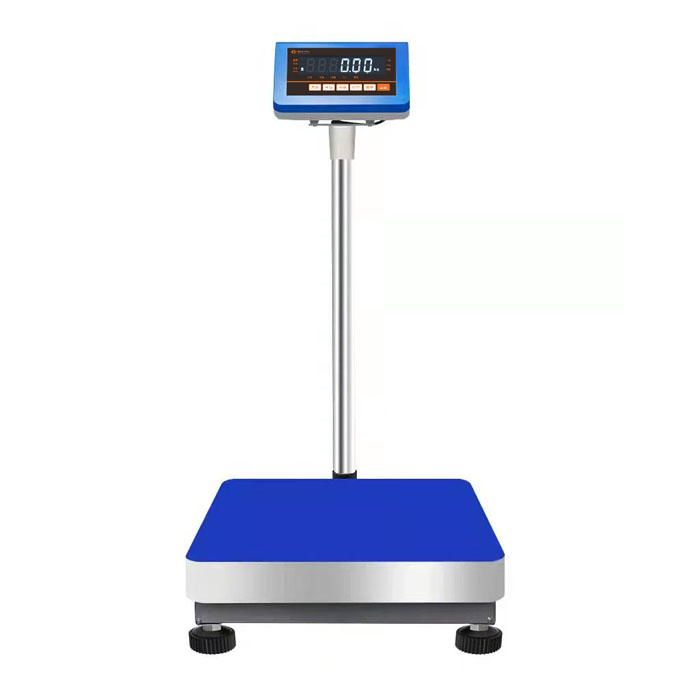
Platform Scale TCS SERIES
TCS platform scale series adopts steel strong tube double-layer carbon steel base, and the bearing base is stable and solid. The whole series platform scale adopts foot-st…![Analytical Balance FA Series]()
Analytical Balance FA Series
FA series electromagnetic force balance adopts key structure. The whole series balance adopts high-performance single-chip microprocessor to control high-speed CPU and spe…![Digital Viscometer Vender In China]()
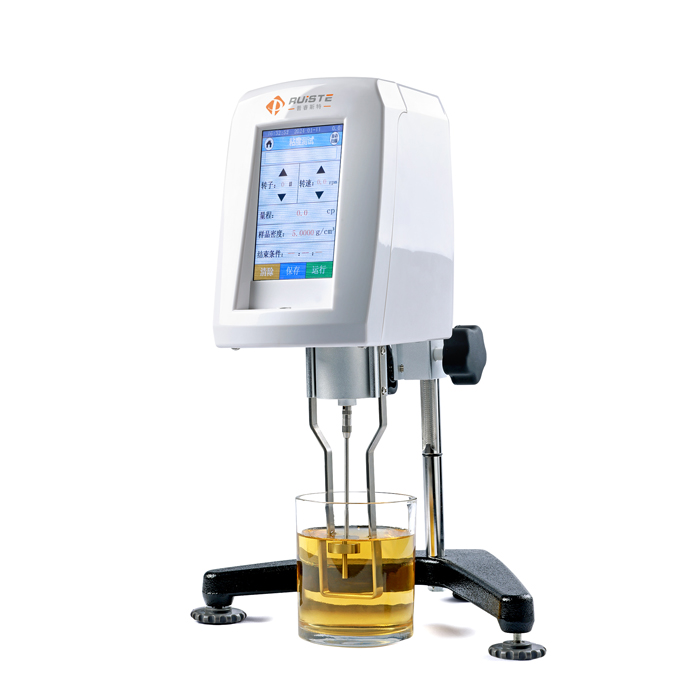
Digital Viscometer Vender In China
The manufacturing and supply of digital viscometers in China have witnessed steady and progressive development over the past decades, forming a complete and mature industr…![High-shear Digital Viscometer]()
High-shear Digital Viscometer
Viscosity serves as one of the most fundamental physical properties of fluid materials, reflecting the internal friction and flow resistance generated during fluid deforma…![Rotational Digital Viscometer]()
Rotational Digital Viscometer
Viscosity stands as one of the most fundamental physical properties of fluid materials, reflecting the internal frictional resistance that occurs when a fluid undergoes de…