Laboratory Calibration Weight Kit
Laboratory calibration weight kits serve as foundational metrological tools in all sectors that rely on precise mass measurement, forming an indispensable part of daily laboratory operation, experimental verification, and quality control workflows. Designed to provide standardized mass references, these kits consist of a series of precisely fabricated metal masses of varying specifications, paired with dedicated storage and handling accessories, to support the calibration, verification, and performance testing of various weighing instruments. In any environment where accurate mass data is required, from scientific research laboratories and educational institutions to industrial testing and pharmaceutical analysis settings, the consistent application of calibration weight kits helps stabilize measurement accuracy, reduce systematic errors, and ensure the reproducibility and credibility of all weighing-related experimental and production data.
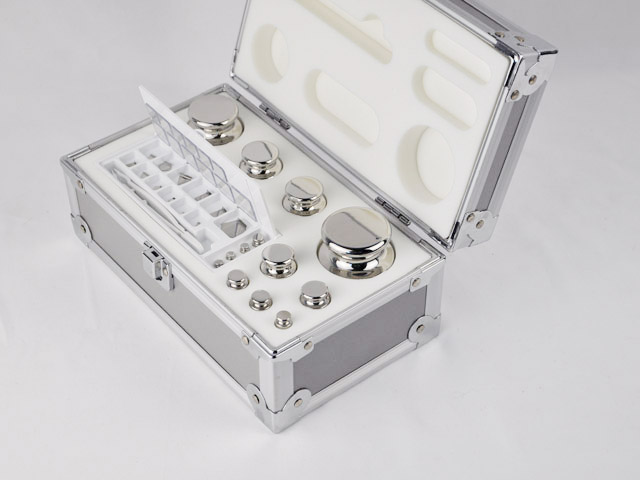
The core value of a laboratory calibration weight kit lies in its ability to deliver stable, uniform mass references for weighing equipment. All mechanical and electronic weighing instruments, including analytical balances, precision scales, and semi-micro balances, are prone to gradual performance deviation after long-term use. Multiple external factors contribute to such changes, including fluctuations in ambient temperature and humidity, accumulation of fine dust and contaminants on weighing surfaces, minor mechanical vibration during equipment operation, and subtle wear of internal structural components over time. Without regular calibration and verification using standardized reference masses, these small deviations will continue to accumulate, leading to inaccurate measurement readings that affect the entire experimental data set, compromise the validity of research conclusions, or cause inconsistencies in product quality testing. A well-matched calibration weight kit effectively eliminates such hidden risks by providing traceable mass references to correct instrument drift and restore weighing accuracy.
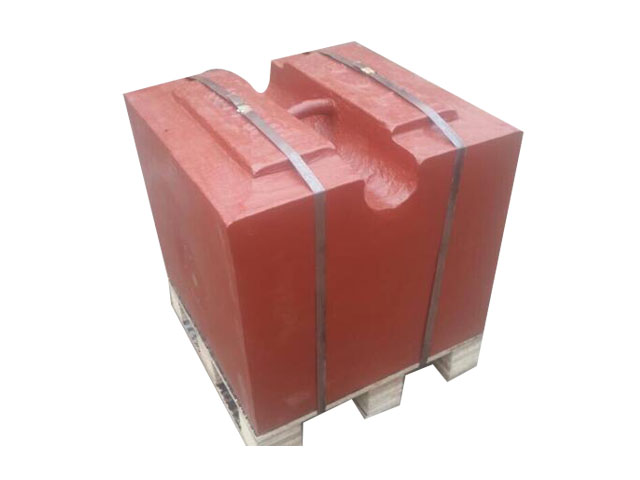
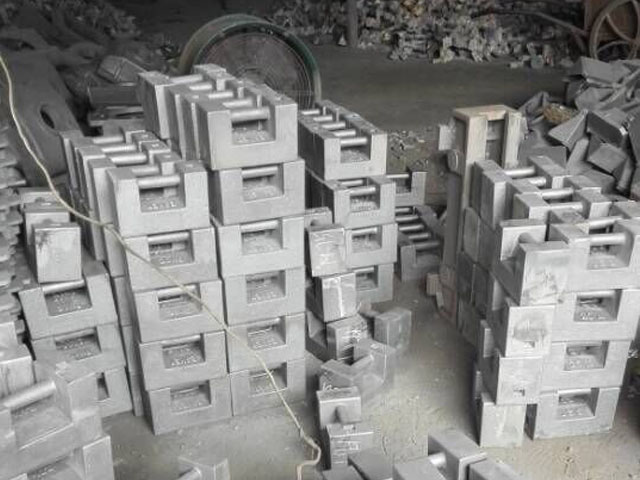
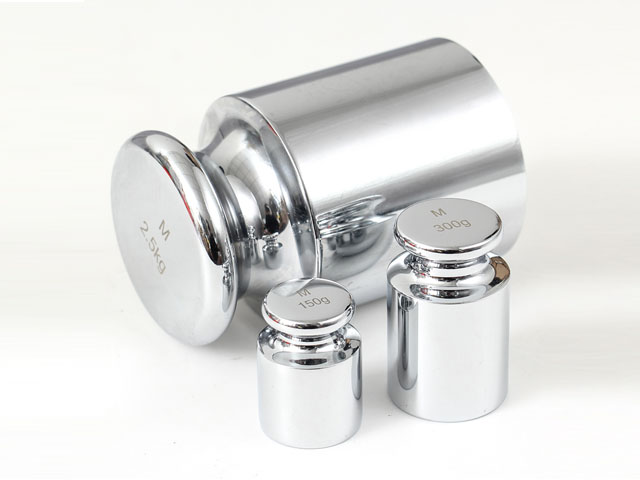
The material selection of calibration weights directly determines their stability, service life, and adaptability to laboratory environments, with common manufacturing materials including stainless steel, brass, and cast iron, each suited for different precision scenarios. Stainless steel is the most widely used material for high-precision laboratory calibration weights, featuring excellent resistance to oxidation, corrosion, and chemical erosion. This material maintains stable surface quality and mass consistency even in laboratory environments with trace volatile chemical gases, humid air, or frequent cleaning operations, avoiding mass changes caused by rusting or surface deterioration. Brass weights are often applied in general-precision calibration scenarios, with good processing performance and uniform density, ensuring relatively stable mass output under conventional indoor conditions. Cast iron materials are typically used for larger-mass calibration weights in routine industrial and laboratory auxiliary testing, offering reliable structural stability and strong pressure resistance for low-precision weighing verification work. All materials undergo refined processing and surface treatment to reduce surface roughness, minimize adhesion of dust and moisture, and further guarantee long-term mass stability.
A complete laboratory calibration weight kit features a scientific and hierarchical specification configuration, covering fractional milligram-level masses to large gram-level masses to adapt to the full-range calibration requirements of different weighing instruments. Most kits adopt a gradient mass combination design, with reasonably spaced mass gradients that support multi-point verification of weighing equipment, including zero-point verification, low-range precision testing, mid-range linearity detection, and full-load performance confirmation. This comprehensive testing method effectively assesses the overall working state of weighing instruments, rather than merely verifying single-point accuracy. In addition to individual weights of different specifications, standard kits are equipped with professional supporting accessories to standardize operation and protect equipment. Common accessories include non-magnetic tweezers for weight handling, soft cleaning brushes for surface dust removal, and dedicated storage boxes with shockproof and moisture-proof structures. The matched tools avoid direct hand contact with weights, which can leave sweat, oil stains and fingerprints that cause local corrosion and mass deviation, while the structured storage box classifies and stores each weight independently to prevent collision, friction and extrusion during placement and movement.
Standardized operation procedures are critical to maximizing the performance and service life of calibration weight kits, as improper use is a primary cause of premature mass deviation and surface damage. Before each calibration operation, users need to place the weight kit and weighing instrument in the same stable indoor environment for a period of time to achieve temperature balance, eliminating measurement errors caused by temperature differences between weights and ambient air. Sudden temperature changes can cause subtle thermal expansion and contraction of metal materials, leading to temporary mass indication deviations that affect calibration accuracy. During the operation process, all weights must be picked and placed with dedicated tweezers, and sliding, dropping or collision between weights is strictly prohibited. Weights should be gently placed on the center of the weighing pan to avoid eccentric load, which may affect instrument reading stability and cause local wear on the weight surface. After completing each calibration task, all weights need to be inspected for surface stains, dust or foreign matter, cleaned with professional soft cleaning materials if necessary, and placed back into the fixed positions of the storage box in order.
Reasonable daily maintenance and scientific storage management are essential to maintain the long-term accuracy and stability of calibration weight kits. The storage environment should be kept dry, clean, and well-ventilated, avoiding long-term exposure to humid air, corrosive gases, or direct sunlight. High humidity will accelerate metal oxidation and rust, while corrosive gases in chemical laboratories may cause subtle chemical reactions on the weight surface, changing the original standard mass. The storage box should be placed on a flat, stable shelf, away from mechanical vibration sources and heavy-pressure extrusion to prevent structural deformation of weights or damage to internal precision structures. Regular manual inspection is also required in daily management, including checking the surface integrity of each weight for scratches, dents, rust spots or coating peeling, verifying the completeness of supporting tools, and confirming the tightness and moisture-proof performance of the storage box. For kits used in high-frequency testing scenarios, periodic performance inspection should be arranged to track mass stability over time and identify potential subtle deviations early.
Laboratory calibration weight kits are widely applied across multiple professional fields, covering basic scientific research, academic education, industrial manufacturing quality control, and public health testing. In chemical and pharmaceutical laboratories, accurate mass measurement is the basis for reagent proportioning, sample preparation, and component content detection. Slight errors in reagent weighing will directly affect the progress of chemical reactions, the purity of synthetic products, and the accuracy of drug component testing. Regular calibration of analytical balances with standard weight kits ensures the reliability of experimental data and provides stable technical support for pharmaceutical research and chemical analysis. In biological and environmental laboratories, the kits support the calibration of precision weighing equipment used for microbial sample weighing, pollutant residue detection, and experimental specimen preparation, ensuring that all test data meets basic accuracy requirements and improving the comparability of experimental results.
In industrial production and quality inspection fields, calibration weight kits play a key role in standardizing production processes and stabilizing product quality. Many manufacturing processes rely on precise mass proportioning of raw materials, and consistent weighing accuracy directly determines product uniformity and qualified rate. Regular calibration of production line weighing equipment with standard weight kits effectively avoids product quality fluctuations caused by instrument drift. In food testing, material processing, and precision component manufacturing industries, the standardized use of calibration weight kits helps unify measurement standards within the production system, reduce batch differences in products, and provide reliable data support for quality inspection and process optimization. In educational laboratory scenarios, the kits help students understand the basic principles of precision measurement, master standard calibration operation methods, and cultivate standardized experimental habits, laying a solid foundation for subsequent professional experimental research.
It is important to match the appropriate calibration weight kit according to the actual use scenario and precision requirements, as different laboratory weighing equipment has distinct accuracy levels and range parameters that require targeted mass reference tools. Ultra-micro analytical balances used for trace sample testing require weight kits with higher surface finish and more stable mass performance, with stricter control over material density uniformity and surface processing precision. Conventional precision balances for routine experimental testing can be matched with general high-stability kits to meet daily calibration needs. When selecting specifications, users need to comprehensively consider the maximum range and minimum resolution of the weighing instrument, ensuring that the kit covers low, medium and full calibration points of the equipment, so as to comprehensively verify the linearity, repeatability and stability of the weighing instrument. Blindly pursuing excessive precision or mismatched specifications will not only fail to improve calibration effects but also increase unnecessary use and maintenance costs.
Long-term standardized use and maintenance of calibration weight kits can effectively delay performance attenuation and maintain stable measurement accuracy for years. In the actual use process, users should establish a complete use and maintenance record system, recording each use time, calibration scenario, equipment object, daily maintenance situation and periodic inspection results. This systematic management mode can track the service state of the weight kit in real time, timely discover abnormal changes in performance, and provide a basis for subsequent maintenance and replacement. For weights that have been used for a long time or have been accidentally collided and contaminated, targeted inspection and verification should be carried out before continued use to eliminate hidden dangers of inaccurate measurement.
In the entire metrological work system, laboratory calibration weight kits are not only simple auxiliary experimental tools, but also core guarantee tools for maintaining measurement uniformity and accuracy. All scientific experimental conclusions, industrial production data and quality inspection results based on weighing measurement are inseparable from the basic support of standardized mass references. With the continuous improvement of laboratory precision measurement requirements and the gradual standardization of industrial production testing processes, the application scenarios of calibration weight kits are becoming increasingly extensive, and the requirements for their stability, precision and service life are also constantly improving. Adhering to standardized use, scientific maintenance and reasonable selection can maximize the value of calibration weight kits, provide continuous and accurate measurement reference support for various precision measurement work, and effectively ensure the rigor, authenticity and reproducibility of all mass measurement-related work results in laboratories and industrial testing links.
Laboratory Calibration Weight Kit
https://www.veidtweighing.com/calibration-weights.html
Post Date: Jun 19, 2026
https://www.supplier-manufacturer.com/calibration-weight/laboratory-calibration-weight-kit.html

![200kg Test Weight]()
200kg Test Weight
In the complex and interconnected system of modern industrial production, logistics transportation, engineering construction and experimental testing, the stability and re…![250kg Test Weight]()
250kg Test Weight
In the vast and intricate landscape of industrial production, mechanical operation, and metrological verification, the 250kg test weight stands as an indispensable foundat…![E1 Class Test Weight]()
E1 Class Test Weight
In the intricate and interconnected world of modern metrology, the pursuit of reliable and consistent mass measurement forms the foundational backbone of countless profess…![M1 Class Cast Iron Weight]()
M1 Class Cast Iron Weight
In the intricate and interconnected ecosystem of industrial measurement and metrological calibration, M1 class cast iron weight stands as an indispensable foundational com…![Gram Test Weight]()
Gram Test Weight
In the intricate and interconnected world of mass measurement, few tools hold as much quiet significance and foundational importance as the gram test weight. Often overloo…