Forklift Scale Calibration Standard Weight
Forklift scale calibration with standard weights serves as a core operational practice in industrial logistics, manufacturing, and warehouse management, ensuring that onboard weighing systems mounted on forklifts deliver consistent, reliable, and accurate weight readings for daily material handling, inventory recording, and load monitoring. Unlike fixed platform scales, forklift scales operate in dynamic working environments, with frequent mechanical movement, vibration, load changes, and position adjustments that gradually alter the sensitivity and measurement accuracy of internal sensing components over time. Minor deviations in weighing data may seem insignificant in short-term operations, but cumulative errors can lead to inconsistent inventory statistics, inaccurate load judgment, and improper load distribution during forklift operation, which may affect operational efficiency and daily management standardization. The application of standard weight calibration provides a stable and unified measurement reference, eliminating systematic errors caused by equipment fatigue, environmental interference, and mechanical displacement, and maintaining the stability of forklift scale measurement performance in long-term continuous use.
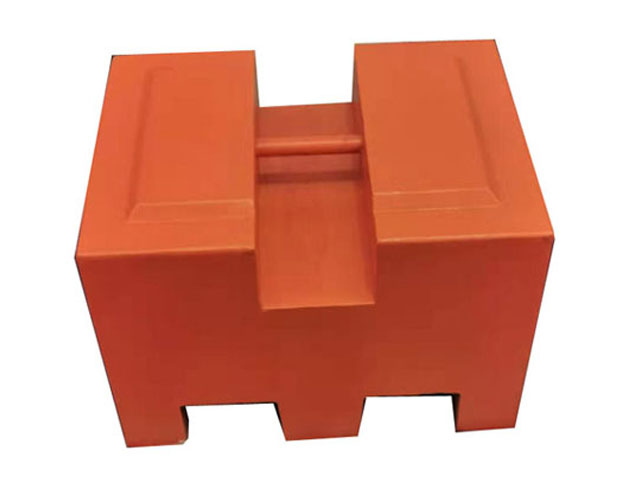
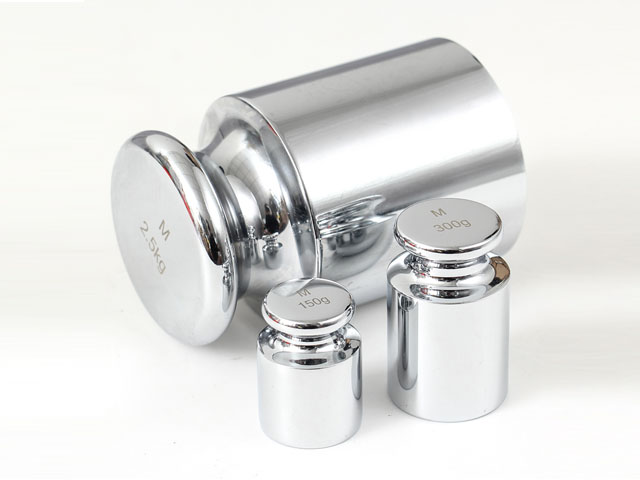
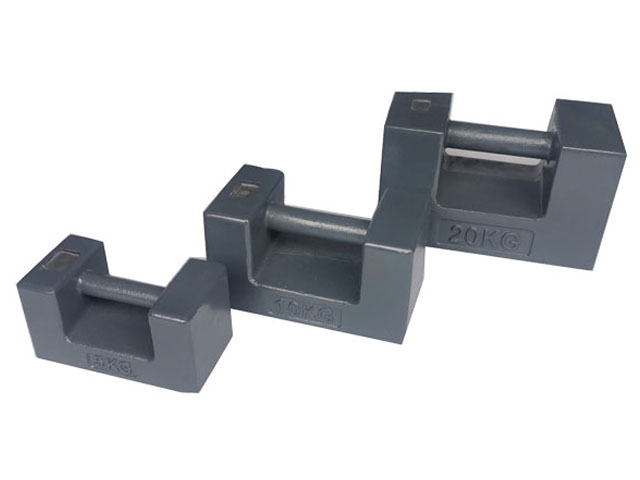
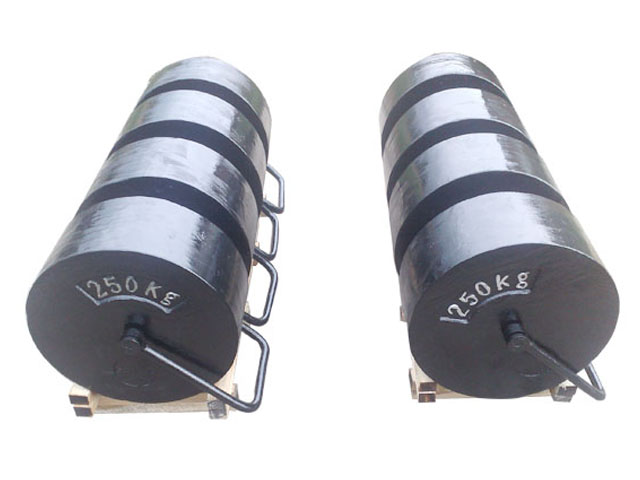
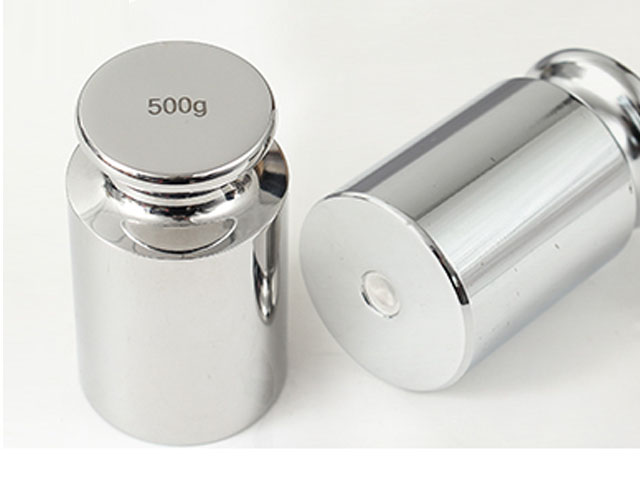
Standard weights used for forklift scale calibration are specially manufactured mass objects with fixed and stable mass values, designed to provide traceable and uniform measurement benchmarks for industrial weighing equipment. These weights are produced with strict attention to mass stability, surface flatness, structural uniformity, and pressure resistance, enabling them to maintain consistent mass parameters under conventional industrial working conditions. They are engineered to resist minor external interference such as slight temperature changes, surface dust accumulation, and short-term mechanical contact friction, ensuring that their mass values remain stable during repeated handling, placement, and calibration operations. In forklift scale calibration scenarios, standard weights cover multiple mass specifications matching the common measuring range of onboard forklift scales, allowing staff to select appropriate weight combinations according to the actual working range of the equipment, so as to complete full-range calibration and error verification.
The necessity of regular forklift scale calibration with standard weights stems from the structural and working characteristics of forklift weighing systems. Forklift scales rely on internal load sensing modules and signal conversion components to convert mechanical pressure generated by cargo weight into readable digital data. During daily forklift operation, frequent lifting, lowering, tilting, and moving actions will produce continuous vibration and mechanical impact on the scale body and sensing components. Long-term cyclic load bearing will cause slight fatigue deformation of internal stress structures, resulting in gradual drift of zero points and linear measurement parameters. In addition, changes in ambient temperature, humidity, and ground flatness in warehouse and workshop environments will also interfere with the signal transmission and stress induction of the weighing system, leading to inconsistent weighing results for the same load. Regular calibration using standard weights can effectively correct these accumulated deviations, restore the original measurement accuracy of the equipment, and ensure that each weighing data can truly reflect the actual mass of the load.
Before conducting formal calibration operations with standard weights, standardized pre-operation preparation is essential to eliminate external interference factors and lay a foundation for accurate calibration results. First, staff need to select a flat, stable, and open working area to avoid uneven ground, slope terrain, or obstacles that may affect the horizontal state of the forklift and the stability of load bearing. Uneven ground will cause unbalanced stress on the forklift forks and scale body, resulting in biased pressure induction and inaccurate calibration data. Second, it is necessary to inspect the overall state of the forklift and the weighing system, including checking the flexibility of the fork movement, the firmness of the scale body installation, the normal display of the instrument panel, and the integrity of signal connection parts. Any loose components, blocked movement, or abnormal display should be adjusted and eliminated before calibration to avoid mechanical failure affecting the calibration process. Meanwhile, the surface of the scale body and standard weights should be cleaned thoroughly to remove dust, debris, oil stains, and other attachments, as foreign matter attached to the contact surface will increase extra load interference and cause calibration errors.
Environmental condition adjustment is also a key part of pre-calibration preparation. Calibration operations should be carried out in stable atmospheric environments, avoiding strong wind, extreme temperature fluctuation, and high humidity conditions. Drastic temperature changes will cause slight thermal expansion and contraction of the scale body and standard weights, bringing tiny mass and structural deviations; excessive humidity may cause surface dampness of equipment and weights, affecting the stability of contact stress. It is recommended to keep the equipment and standard weights placed in the working environment for a period of time before calibration, so that the temperature of the equipment and weights is consistent with the ambient temperature, reducing systematic errors caused by temperature differences. In addition, the forklift should be started and pre-run for a short time to make the hydraulic system and mechanical structure reach a stable working state, eliminating the impact of insufficient hydraulic pressure and unsmooth mechanical operation on load lifting and weighing detection.
The formal calibration process based on standard weights follows standardized step-by-step operation logic, including zero-point calibration, multi-point linear calibration, and repeated verification, covering the full working range of the forklift scale. Zero-point calibration is the basic link of all calibration work, aiming to eliminate zero drift caused by equipment standby and mechanical displacement. After the forklift is parked horizontally and the scale system is started and stabilized, no load is placed on the forks, and the system zero point is reset after the instrument display data is completely stable. This operation ensures that the scale can return to the zero state accurately when there is no load, avoiding basic offset of subsequent weighing data.
After completing zero-point calibration, multi-point linear calibration is carried out with matched standard weights, which is the core link to ensure the accuracy of the full-range measurement. According to the rated measuring range of the forklift scale, standard weights of different masses are selected for segmented calibration, covering low-load, medium-load, and high-load intervals of the equipment’s working range. During operation, the standard weight is stably placed in the center of the forklift forks to ensure uniform stress on the scale body and avoid unbalanced load caused by offset placement, which may lead to local stress deviation. After placing the weight, the forklift slowly lifts the load to the fixed weighing height specified by the system, keeps the load stable without shaking or tilting, and waits for the instrument data to stabilize before recording the displayed value. The system parameters are adjusted according to the difference between the displayed value and the actual mass of the standard weight, so that the measured data is consistent with the standard mass.
To ensure the continuity and linearity of measurement accuracy, the calibration process needs to be carried out from low load to high load in sequence, with each calibration point fully stabilized before proceeding to the next mass interval. Multiple repeated measurements are required for each weight specification to exclude accidental errors caused by manual operation and mechanical jitter. In the process of high-load calibration, special attention should be paid to the stable operation of the forklift hydraulic system to prevent load sliding and jitter, which will affect the stability of weighing signal collection. After the completion of segmented calibration for all weight intervals, full-range cyclic verification is needed, randomly selecting several standard weight specifications in the measuring range for repeated weighing detection to confirm that the equipment has stable and accurate measurement performance in the entire working range without local accuracy deviation.
After the completion of calibration parameter adjustment, standardized post-calibration processing and data recording are required to form traceable calibration records and lay a foundation for subsequent regular maintenance and re-calibration. Staff need to save the calibrated system parameters stably through the equipment operation interface, avoiding parameter loss or automatic reset caused by equipment restart. Then, the calibration time, environmental conditions, weight specifications used, calibration deviation data, and operator information are recorded in detail to form complete calibration files. These records can help staff track the long-term performance change trend of the forklift scale, judge the attenuation cycle of equipment accuracy, and formulate a reasonable regular calibration plan.
Daily maintenance and periodic re-calibration mechanism are important guarantees to maintain the long-term accuracy of forklift scales after standard weight calibration. Although calibration can correct existing measurement deviations, the mechanical fatigue and environmental interference of the equipment are continuous. Therefore, it is necessary to formulate a fixed calibration cycle according to the frequency of equipment use and working environment conditions. Forklift scales used in high-frequency operation, heavy-load working scenarios and dusty, humid environments need shorter calibration cycles, while equipment with low-frequency use and stable working conditions can appropriately extend the calibration interval. In daily use, staff should avoid overloading the forklift scale, violent load impact, and long-term static pressure of heavy objects, so as to reduce the speed of performance attenuation of sensing components and delay the generation of measurement deviation.
Common abnormal problems in calibration work include unstable zero point, inconsistent repeated weighing data, and large deviation of individual load points, which can be solved through targeted inspection and adjustment. Unstable zero point is mostly caused by loose scale installation, residual stress of mechanical structure, or environmental vibration interference, which can be eliminated by re-fixing the equipment, resetting the zero point after mechanical stabilization, and replacing the working environment. Inconsistent repeated weighing data is usually related to unstable load placement, unsmooth hydraulic lifting, or surface contamination of standard weights, which can be improved by standardizing operation actions, cleaning weights, and debugging the hydraulic system. Large deviation of individual load points indicates that the linear parameters of the equipment are partially attenuated, and supplementary calibration of the corresponding load interval can be carried out with matching standard weights to repair local accuracy defects.
The standardized application of standard weight calibration effectively improves the overall operational standardization level of forklift weighing work. Accurate weighing data can help enterprises realize precise statistics of incoming and outgoing materials, accurate accounting of inventory data, and scientific judgment of load limits, avoiding operational risks and data errors caused by inaccurate weighing. At the same time, stable measurement performance can extend the service life of forklift scale equipment, reduce equipment failure rates caused by long-term inaccurate parameter operation, and lower daily maintenance and replacement costs. In modern industrial logistics management, forklift scale calibration with standard weights has become an indispensable basic management link, providing reliable data support for standardized operation, efficient management, and safe production of warehouse and logistics links.
In summary, standard weight calibration is a reliable and fundamental technical means to maintain the measurement accuracy of forklift scales. Through standardized pre-operation preparation, scientific multi-point calibration process, complete post-operation recording and long-term maintenance mechanism, it can effectively eliminate various systematic and accidental errors in the operation of forklift scales, ensure the stability and consistency of weighing data in long-term use. Adhering to regular standard weight calibration can not only optimize the working performance of forklift weighing equipment, but also provide solid technical support for the standardized and efficient development of industrial material handling and warehouse management work, which has important practical value for daily industrial operation and long-term equipment management.
Forklift Scale Calibration Standard Weight
https://www.veidtweighing.com/calibration-weights.html
Post Date: Jun 19, 2026

![Calibration Weight Supplier]()
Calibration Weight Supplier
In every sector that relies on precise mass measurement as the foundation of daily operation and quality control, calibration weights stand as the most fundamental and ind…![5kg Test Weight]()
5kg Test Weight
In the complex and interconnected world of modern measurement operations, standardized physical reference objects form the invisible backbone of all quantitative data coll…![M1 Class Test Weight]()
M1 Class Test Weight
Understanding the relationship between physical load, bodily adaptation, and consistent movement practice stands as one of the most foundational yet deeply nuanced aspects…![50kg Cast Iron Weight]()
50kg Cast Iron Weight
Cast iron has long stood as one of the most dependable and widely utilized foundational materials for producing solid weight blocks across industrial, commercial, and prac…![Laboratory Test Weight]()
Laboratory Test Weight
Within every professional laboratory environment, regardless of whether the core work focuses on scientific research, material analysis, experimental formulation, or routi…