Attribute of Cast Iron Weight
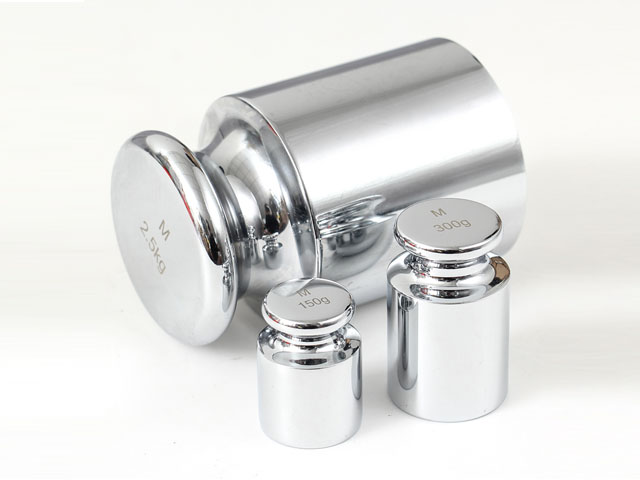
Cast iron weight stands as one of the most widely utilized load-bearing and calibration accessories across industrial production, daily measurement operations, physical training scenarios, and engineering testing environments, favored consistently for its balanced combination of inherent material characteristics, stable structural performance, and adaptable practical applicability. Formed through a mature casting process that melts refined iron-carbon alloy raw materials and pours the molten mixture into customized molds for natural cooling and solidification, this type of weight integrates the natural advantages of cast iron materials and optimized structural design, forming a series of unique and practical attributes that distinguish it from weights made from other metal materials such as aluminum alloy, pure steel, and composite synthetic materials. Every performance trait and structural feature of cast iron weight is closely linked to its internal material composition, microscopic organizational structure, post-processing techniques, and long-term use adaptation characteristics, jointly supporting its reliable performance in various conventional and complex working environments and meeting the basic use needs of different scenarios ranging from simple daily weighing calibration to heavy-duty industrial load matching and long-term physical exercise load bearing.
The fundamental material composition attribute constitutes the core foundation of all performance manifestations of cast iron weight. As a typical iron-carbon alloy material, cast iron used for producing weights contains carbon content ranging from 2.7 percent to 4.0 percent by mass, accompanied by a reasonable proportion of silicon, manganese, and trace amounts of other auxiliary elements that adjust material toughness and organizational stability. This specific carbon content range is far higher than that of ordinary carbon steel, which fundamentally shapes the distinct physical and mechanical properties of cast iron weight. Different from light metal materials with low density and weak pressure resistance, cast iron for weight production presents a stable density range under normal temperature conditions, with gray cast iron, the most commonly used type for weight making, maintaining a density between 7.13 grams per cubic centimeter and 7.20 grams per cubic centimeter, while ductile cast iron and white cast iron used for special scenario weights have slight density fluctuations within a small interval. Such moderate and stable density enables cast iron weight to achieve ideal volume and weight matching, meaning it can reach the required weight standard without excessive overall volume, making it convenient for transportation, placement, and daily handling while avoiding the bulky and cumbersome problems caused by low-density materials requiring oversized structural designs to meet the same weight demand. The internal microscopic structure of cast iron features fine and uniform grain distribution, with graphite phases evenly distributed inside the metal matrix, which not only enhances the overall compactness of the material but also lays a solid foundation for the subsequent processing stability and long-term use reliability of cast iron weight.
Physical stability attribute is a key advantage that makes cast iron weight maintain consistent performance in long-term use and frequent handling. In terms of volume and shape stability, cast iron material has excellent low shrinkage and low deformation characteristics after casting and cooling. Unlike some alloy materials that are prone to internal stress release and local shrinkage deformation after long-term placement or repeated collision and extrusion, cast iron weight can maintain its original casting shape and overall structural integrity for a long time under conventional storage and use conditions. The internal structure does not produce obvious loose pores or structural gaps due to environmental temperature changes or slight external pressure impact, ensuring that the basic volume of the weight remains stable, and further maintaining the stability of its inherent mass state. In terms of temperature adaptability, cast iron weight shows good tolerance to conventional ambient temperature changes. It will not undergo obvious thermal expansion and contraction deformation in the face of normal seasonal temperature differences or slight temperature fluctuations in indoor and outdoor working environments, nor will its internal material structure change due to short-term temperature differences, which effectively avoids the deviation of actual mass effect caused by temperature-induced volume changes. Additionally, the surface and internal material of cast iron weight have good anti-aging physical properties, and will not appear material deterioration, qualitative change, or performance attenuation after years of placement and repeated use, keeping its basic physical attributes in a stable state all the time.
Mechanical performance attributes cover compressive resistance, shock absorption, wear resistance, and impact resistance, all of which are essential for cast iron weight to adapt to various use scenarios and prolong service life. First of all, cast iron weight has outstanding compressive strength, capable of bearing continuous static pressure and certain instantaneous pressure impact without structural damage or local collapse. In industrial calibration and heavy load matching work, weights often need to bear long-term superimposed pressure and fixed load extrusion, and the material characteristics of cast iron enable it to resist external pressure deformation effectively, without permanent depression or structural fracture affecting use accuracy and safety. Secondly, the material has natural excellent shock absorption performance, which is unmatched by many hard and brittle metal materials. When cast iron weight is placed, moved, or accidentally collided during use, the internal graphite structure can absorb most of the vibration and impact force generated by contact, reducing the vibration rebound and surface damage caused by collision. This shock absorption attribute not only protects the integrity of the weight itself but also avoids severe vibration interference to surrounding weighing equipment and working platforms, ensuring the smooth progress of calibration and load testing work. In terms of wear resistance, the surface and internal hardness of cast iron weight reach a moderate and stable level, and long-term friction contact with the ground, weighing equipment surfaces, or other matching parts will not cause rapid surface wear, edge abrasion, or size reduction. Even after frequent handling, stacking, and repeated placement, the overall dimensional accuracy and surface integrity of the weight can be well maintained, avoiding mass changes caused by excessive wear.
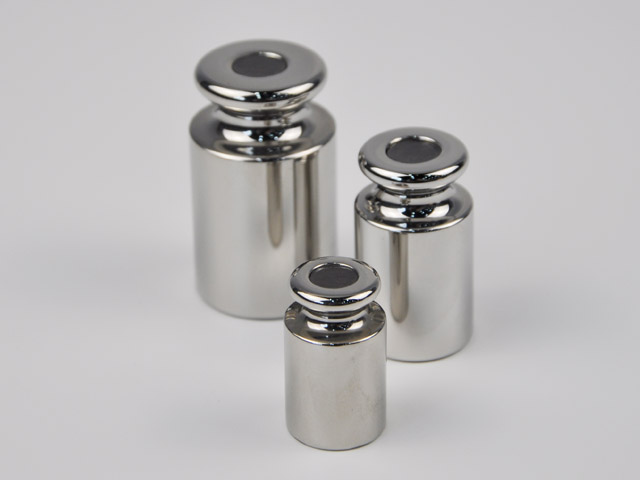
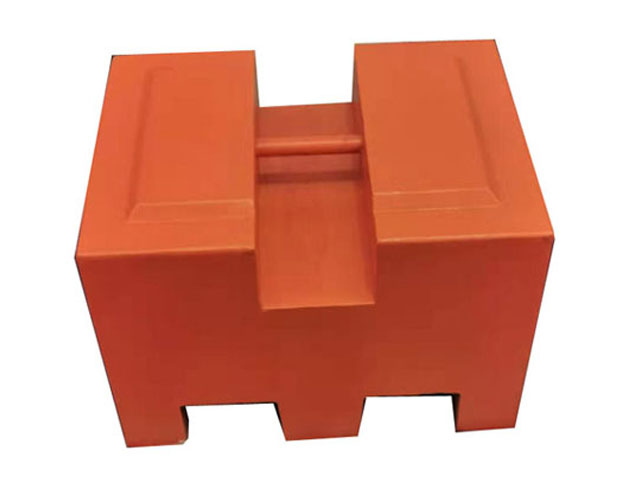
Structural design matching attributes endow cast iron weight with strong flexibility and practical operability in actual use. According to different use needs, cast iron weight can be cast into various conventional shapes including cylindrical, square, rectangular, and plate-like structures, as well as special customized structures with hanging lugs and slotted designs, adapting to different placement methods, handling requirements, and equipment matching standards. Most cast iron weights are designed with reserved adjustment cavities inside during the casting process, which is a practical structural attribute formed according to actual use demands. After the initial casting and forming of the weight, staff can fine-tune the actual mass by filling appropriate auxiliary filling materials into the internal adjustment cavity, ensuring that the final mass of the weight meets the actual use requirements. This adjustable structural design makes up for the tiny mass deviation inevitably produced in the casting process, improving the overall applicability of cast iron weight without changing the overall structural strength and basic appearance of the product. At the same time, the overall structural thickness and edge radian of cast iron weight are optimized in the casting design process, with smooth and rounded edge treatments to avoid sharp corners and protruding edges. This structural optimization not only prevents users from being scratched during handling and use but also avoids local stress concentration caused by sharp edges leading to structural cracking during collision and stacking, improving the overall safety and durability of the weight in daily operation.
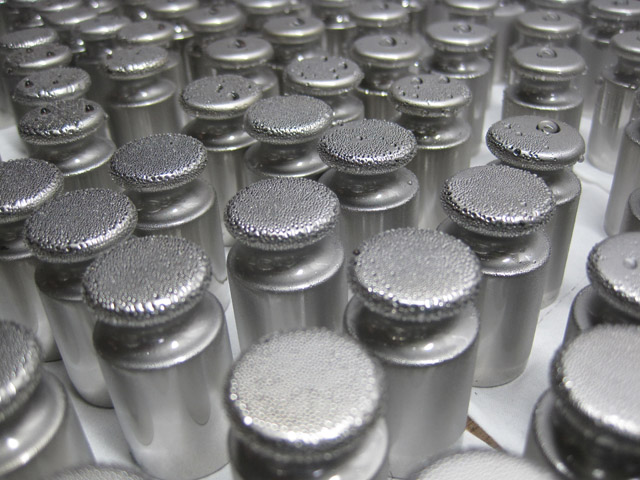
Surface protection and corrosion resistance attributes determine the long-term service cycle and environmental adaptability of cast iron weight. Although cast iron material has good internal structural stability, it is prone to oxidation and rust when exposed to humid air, rainy environments, or corrosive working conditions for a long time, which will affect surface integrity and even cause subtle changes in mass over time. To solve this problem, all cast iron weights will undergo standardized surface anti-rust and anti-corrosion treatment after casting forming and preliminary grinding and polishing. The common treatment method is to coat a uniform and dense protective paint layer on the surface of the weight, which fits closely with the cast iron substrate, forming a stable isolation layer between the internal metal material and the external environment. This protective coating can effectively isolate moisture, air, and trace corrosive substances in the environment, preventing the cast iron matrix from oxidation reaction and rust corrosion. The surface coating also has good adhesion and wear resistance, not easy to fall off or peel off during daily handling, collision, and friction, maintaining long-term protective effect. For cast iron weights used in relatively harsh industrial environments, the surface treatment process will be appropriately optimized to enhance the adhesion and anti-corrosion duration of the protective layer, ensuring that the weight can maintain a smooth surface and stable mass state even in humid, dusty, and slightly corrosive working spaces, reducing the maintenance frequency and replacement cost in the later use process.
Processing and dimensional tolerance attributes reflect the production precision and use accuracy guarantee of cast iron weight. In the production and manufacturing process, cast iron weight is formed by precise mold casting, and followed by fine grinding and trimming treatment on the surface and key contact parts. The combination of casting process and post-processing technology enables the weight to maintain a small dimensional tolerance range in overall size, shape specification, and contact surface flatness. The flatness of the bottom contact surface of the weight is strictly controlled to ensure that it can be closely attached to the surface of weighing equipment, experimental platforms, or load-bearing facilities when placed, without tilting, shaking, or unstable placement caused by uneven contact surfaces. Stable placement state is the premise to ensure the accurate exertion of the weight's mass effect, avoiding weighing deviation and load test errors caused by unstable placement. At the same time, the overall dimensional consistency of cast iron weight of the same specification is well controlled, which is convenient for unified stacking, storage, and matching use, and also facilitates users to quickly combine and use multiple weights according to different load demands, improving the efficiency of calibration and load work. The processing characteristics of cast iron material itself also support fine trimming and adjustment, and tiny dimensional and mass deviations generated in the production process can be corrected through simple manual grinding and cavity filling, without complex processing equipment and tedious operation steps.
Practical application adaptability attributes make cast iron weight widely applicable to multiple fields and diverse working scenarios. In industrial production and measurement work, it can be used for daily calibration of various weighing scales, balancing mechanical equipment, and matching fixed load of engineering testing equipment, relying on its stable mass and reliable compressive performance to ensure the accuracy of industrial measurement and the stability of equipment operation. In physical fitness training and gym use scenarios, plate-type and block-type cast iron weights are used as basic load-bearing equipment for strength training. Their dense material, stable structure, and anti-wear and anti-collision characteristics can adapt to frequent repeated use and daily stacking and handling in gym environments, meeting the basic load-bearing needs of various strength training movements. In engineering construction and infrastructure testing, large-specification cast iron weights are used for load-bearing detection and structural pressure testing of building components, utilizing their high compressive resistance and stable structural performance to complete various engineering test work. Whether in indoor dry office and measurement environments, humid industrial workshop spaces, or open-air temporary construction sites, cast iron weight can adapt to different environmental conditions, maintaining stable use performance without obvious performance attenuation due to scenario changes. This wide environmental and scenario adaptability comes from the comprehensive effect of its material, structure, surface protection, and mechanical properties, making it a versatile and reliable weighing and load-bearing accessory.
Long-term use economy and maintenance simplicity are also important practical attributes of cast iron weight. Compared with weights made of stainless steel and other high-end metal materials, cast iron raw materials are easy to obtain, and the casting production process is mature and simple, without complex production procedures and high processing costs. On the premise of ensuring stable performance and long service life, cast iron weight has obvious advantages in long-term use cost. In terms of daily maintenance, cast iron weight does not need complex and regular maintenance work. Daily use only requires keeping the surface clean and avoiding long-term immersion in strong corrosive liquid environments. The surface protective coating can maintain a good protective effect for a long time, and slight surface dust and stains can be cleaned with simple wiping work. Even if individual parts of the surface coating are slightly worn after long-term use, it will not affect the overall structural performance and mass stability of the weight, and only simple supplementary coating treatment is needed if necessary. The long service life of cast iron weight also reduces the frequency of product replacement, avoiding frequent procurement and replacement costs caused by easy damage and performance attenuation of inferior materials. This simple maintenance and economical use attribute make cast iron weight suitable for long-term continuous use in various industries and daily scenarios, bringing stable and cost-effective use effects to users.
In summary, the various attributes of cast iron weight are interrelated and complementary, forming a comprehensive performance system integrating material stability, mechanical reliability, structural practicability, environmental adaptability, and use economy. Its unique iron-carbon alloy material foundation creates stable physical and mechanical properties, optimized casting structure design brings flexible and convenient use operability, professional surface protection treatment enhances environmental corrosion resistance and service life, and mature processing technology ensures use accuracy and dimensional stability. Whether for precise measurement calibration work requiring high stability, load-bearing training scenarios requiring frequent use, or industrial engineering test environments requiring high compressive resistance, cast iron weight can rely on its excellent comprehensive attributes to meet diverse use demands. With the continuous development of casting technology and surface treatment processes, the various inherent attributes of cast iron weight are constantly optimized and improved, always maintaining its irreplaceable position in the field of weighing and load-bearing accessories, and providing solid and reliable basic support for various production, measurement, training, and testing work.
Attribute of Cast Iron Weight
https://www.veidtweighing.com/cast-iron-weights.html
Post Date: May 4, 2026
https://www.supplier-manufacturer.com/cast-iron-weight/attribute-of-cast-iron-weight.html

![Stainless Steel Flat Test Weight For Platform Scale Calibration]()
Stainless Steel Flat Test Weight For Platform Scale Calibration
Stainless steel flat test weights serve as essential precision tools for the routine calibration and accuracy verification of platform scales across diverse industrial and…![Standard Weight For Platform Scales]()
Standard Weight For Platform Scales
In industrial production, commercial trading, logistics warehousing, and quality inspection industries, platform scales serve as one of the most fundamental and indispensa…![Calibration Weight For Laboratory Instrument Factory Calibration Use]()
Calibration Weight For Laboratory Instrument Factory Calibration Use
In the rigorous operational system of modern laboratory instrument manufacturing and daily calibration practices, calibration weights stand as one of the most fundamental …![Calibration Weight For Mechanical Balance Scale]()
Calibration Weight For Mechanical Balance Scale
Mechanical balance scales remain a foundational tool in precision weighing operations across laboratories, industrial workshops, educational institutions, and quality insp…![200g F2 Precision Calibration Weight Quality Control Lab]()
200g F2 Precision Calibration Weight Quality Control Lab
In modern quality control laboratory operations, accurate and repeatable mass measurement serves as the foundational pillar of reliable experimental data, product testing,…