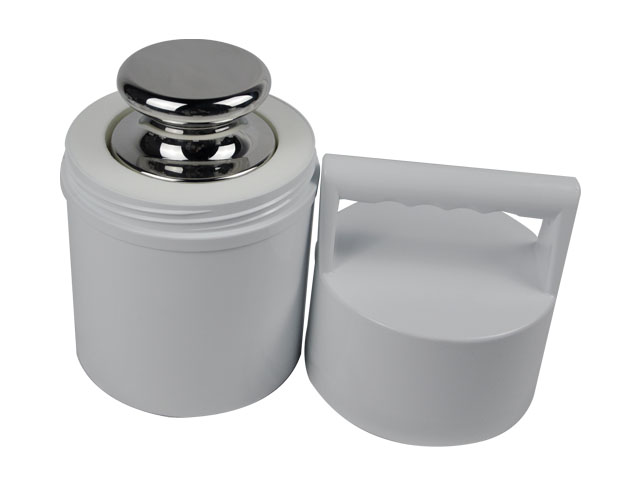
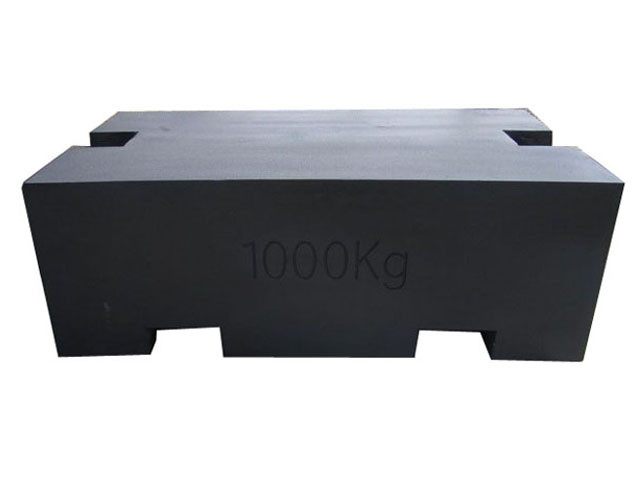
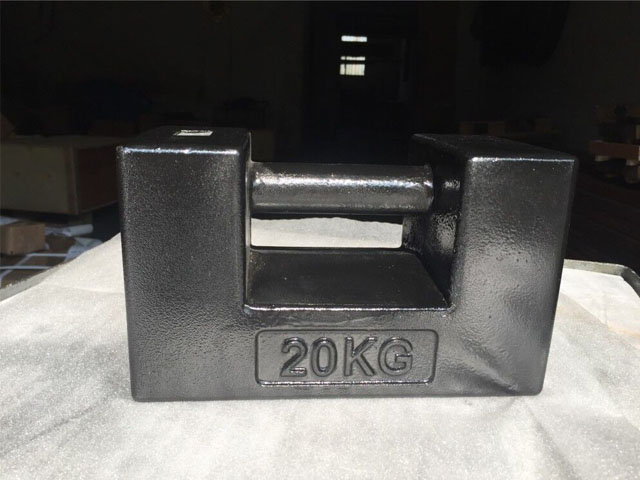
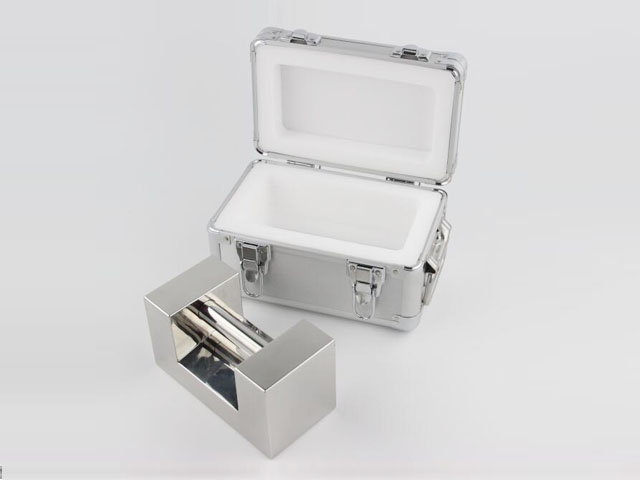
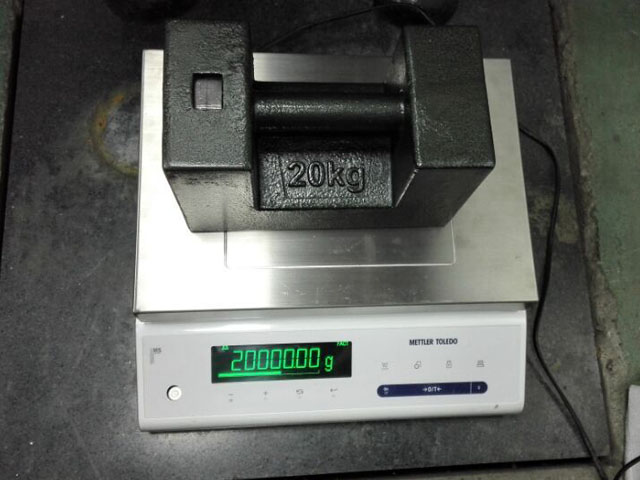
Cast Iron Weight For Crane Scales
In modern industrial operation and heavy-load handling scenarios, crane scales serve as essential measuring equipment for acquiring real-time and reliable weight data of suspended loads, covering core sectors such as construction engineering, port logistics, marine transportation, mining production, and large-scale manufacturing processing. Unlike traditional ground-mounted weighing equipment, crane scales work in suspended working states for a long time, bearing dynamic tension, frequent lifting and lowering impacts, and complex on-site environmental interference, which makes the long-term stability and real-time accuracy of their weighing performance directly related to operational safety, production efficiency, and standardized management of all industrial lifting work. To maintain stable and consistent measuring performance of crane scales in long-term repetitive use, regular and scientific calibration and testing work is indispensable, and cast iron weights tailored specifically for crane scales stand out as the most practical and widely used matching reference tool in this link. These professional cast iron weights are not simple heavy iron blocks, but precision-manufactured industrial measuring accessories designed according to the actual working characteristics of crane scales, with stable physical properties, reasonable structural design, and strong environmental adaptability, providing accurate and reliable weight reference standards for daily testing, periodic calibration, and fault verification of various suspended weighing equipment. Their rational application and standardized management lay a solid foundation for crane scales to maintain good working condition, avoid weighing deviation caused by long-term mechanical fatigue, structural wear, and on-site environmental erosion, and ensure that every lifting and weighing operation can be carried out within a stable and accurate measuring range.
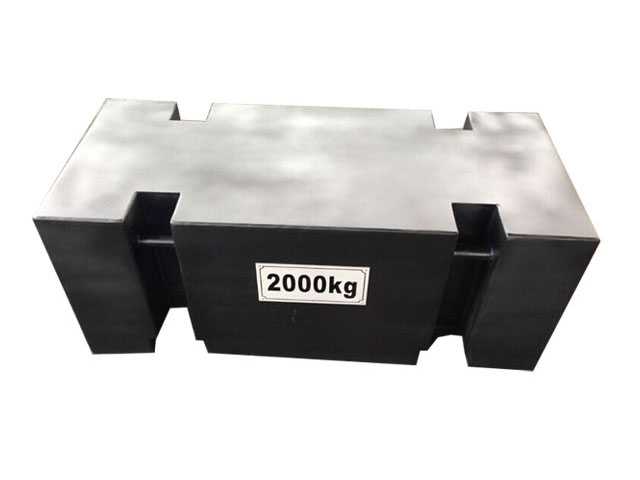
The core value of cast iron weights for crane scales first lies in the inherent material advantages of cast iron itself, which determine the durability, weight stability, and impact resistance required for long-term industrial heavy-duty use. The raw materials used for producing these professional weights adopt fine-grained gray cast iron with optimized carbon and silicon element ratios, which has compact internal molecular structure and uniform density distribution after high-temperature casting and natural aging treatment. This material formula endows the weights with excellent compressive bearing capacity and strong structural rigidity, effectively resisting deformation caused by long-term stacking, frequent handling, and sudden mechanical impact in industrial sites. Different from other metal materials used for making standard weights, gray cast iron has natural shock absorption and wear resistance characteristics; the special flaky graphite structure inside the material can buffer external vibration and friction damage during use, avoiding subtle volume changes and weight drift caused by frequent mechanical extrusion and collision. In addition, cast iron raw materials have good anti-oxidation and anti-corrosion potential after reasonable surface treatment, adapting to harsh working environments such as outdoor wind and rain exposure, high humidity at ports, and dust pollution in mining areas. Compared with other metal weighing accessories, cast iron materials have stable chemical properties, not easy to produce chemical reaction and surface deterioration in complex industrial environments, ensuring that the basic weight value of the weights remains consistent for a long time without frequent correction due to material loss or structural change. This inherent material stability makes cast iron weights the ideal matching choice for long-term repeated calibration and testing of crane scales, meeting the continuous use needs of industrial sites without frequent replacement or complex maintenance.
The structural design of cast iron weights dedicated to crane scales is fully optimized around the suspended weighing working mode and on-site operation convenience of crane scales, fully adapting to the special use requirements of suspended calibration and dynamic load testing. Most of these weights adopt regular geometric shapes with flat and smooth bearing surfaces and symmetrical overall stress structure, ensuring uniform force during hoisting and placement, no tilting or eccentric stress during the calibration process of crane scales, and effectively avoiding additional measuring errors caused by unbalanced load stress distribution. Many weight designs are equipped with integrated lifting and handling structures, which are integrally cast with the main body of the weight without additional welding or assembly parts, preventing structural loosening and weight change caused by long-term hoisting and pulling. The integrated forming process ensures the overall structural integrity of the weights, no gaps or weak links inside, and maintains stable structural performance even under long-term heavy-load hoisting and frequent handling. At the same time, each cast iron weight is designed with a reasonable internal adjustment cavity structure in the production process, which allows fine fine-tuning of the weight value in the later stage according to actual use needs. By adding appropriate filling materials inside the cavity, the weight of the weight can be accurately corrected to meet the precise reference requirements of different types of crane scales for calibration accuracy. The surface of each weight is processed with smooth finishing and uniform anti-rust coating treatment, which not only prevents rust and corrosion caused by long-term exposure to air and humid environment, avoids weight change caused by surface rust falling off, but also reduces surface friction damage during handling and stacking, extending the overall service life of the weights. The surface of the weight is clearly marked with obvious nominal weight identification, making it convenient for on-site operators to quickly identify and select weights of different specifications during calibration work, improving the efficiency of daily testing and calibration operations.
The application scenarios of cast iron weights for crane scales cover the whole life cycle use and daily maintenance management of all types of suspended weighing equipment, covering initial installation debugging, regular periodic calibration, daily routine testing, fault troubleshooting and verification, and production handover inspection of crane scales. In the initial installation and commissioning stage of new crane scales, construction and metrology personnel need to use matched cast iron weights to conduct full-range load testing and calibration of the newly installed equipment. By gradually superimposing weights of different specifications from small load to full load, they check whether the weighing data displayed by the crane scale is consistent with the standard weight value of the cast iron weights, adjust the internal measuring parameters of the equipment, and eliminate measuring deviation caused by installation position deviation, suspension structure stress, and initial equipment commissioning errors. In the daily production and operation stage, crane scales will be affected by long-term suspended tension, frequent lifting impact, mechanical part wear, and on-site environmental changes after long-term use, resulting in subtle changes in internal sensor sensitivity and mechanical structural stress, which gradually lead to weighing deviation. Regular calibration with cast iron weights can timely discover these subtle measuring changes, correct parameter deviations in time, and ensure that the weighing data of crane scales is always accurate and reliable in daily load weighing work. In port and terminal logistics handling work, crane scales need to weigh a large number of container goods and bulk materials every day, and accurate weighing data is related to cargo settlement and shipping safety; regular calibration with cast iron weights can avoid economic disputes and load safety hazards caused by inaccurate weighing. In mining and construction sites, crane scales often work in harsh environments such as dust, vibration, and variable temperature, and the equipment is prone to performance attenuation; the use of cast iron weights for frequent daily testing can ensure that the equipment maintains stable working performance under harsh conditions.
In addition to core calibration and testing work, cast iron weights for crane scales also play an important role in equipment performance detection and safety risk assessment of lifting machinery. Before the hoisting equipment carries out super-large load hoisting and special engineering operation, operators need to use cast iron weights to simulate actual heavy-load working conditions, test the linkage coordination performance of crane scales and hoisting machinery, check whether the equipment has abnormal data fluctuation and signal delay under heavy load state, and eliminate potential safety hazards such as equipment failure and inaccurate weighing during formal hoisting operation. For crane scales that have been repaired and maintained after failure, cast iron weights are also required for re-calibration and verification to confirm that the repaired equipment has restored accurate measuring performance and can be put back into formal production and use safely. In the daily equipment management work of industrial enterprises, the regular use of cast iron weights to complete the calibration and testing records of crane scales is also an important part of standardized production management, helping enterprises form a complete equipment measuring performance management system, ensuring that all hoisting and weighing operations are carried out in accordance with standardized operating procedures, and maintaining the overall safety and order of industrial production operations.
Scientific daily maintenance and standardized storage management are key links to ensure the long-term use effect and weight stability of cast iron weights for crane scales, and reasonable maintenance measures can effectively extend the service life of the weights and maintain long-term accuracy of weight values. In daily use, operators need to avoid violent throwing, collision and violent extrusion of cast iron weights, because although cast iron materials have good hardness and rigidity, violent impact may cause subtle internal structural cracks and local surface damage, leading to weight change and structural instability. During the handling and hoisting of weights, it is necessary to use matched handling tools and follow standardized operating procedures to ensure stable stress on the weights and avoid single-point stress and eccentric collision. After each use, the surface of the cast iron weights should be cleaned in time to remove surface dust, sediment, moisture and other attachments, preventing long-term adhesion of dirt from causing surface coating damage and rust corrosion. For weights used in high-humidity and marine climate environments, regular inspection of surface coating integrity is required, and timely repair and supplementary coating treatment should be carried out for local peeling and damaged parts of the coating to avoid internal metal rust affecting weight stability. In terms of storage, cast iron weights should be placed in dry, ventilated and low-humidity special storage areas, avoiding long-term placement in open-air exposed environments or humid and dusty workshops. The weights should be placed flat and stacked neatly during storage, avoiding excessive stacking height causing long-term compression deformation of the bottom weights, and keeping a certain gap between stacked weights to prevent surface friction and extrusion damage. Regular regular inspection and weight recheck of stored cast iron weights are also needed, timely screening out individual weights with obvious surface damage, rust deformation and weight deviation, and carrying out maintenance and correction treatment to ensure that all put-into-use weights meet the basic reference requirements for calibration and testing work.
With the continuous upgrading of industrial production automation and the continuous improvement of lifting operation safety management requirements, the application importance of cast iron weights for crane scales in industrial weighing management is becoming more and more prominent. Modern industrial production has higher and higher requirements for the accuracy and stability of suspended weighing data, and any small weighing deviation may lead to production operation risks and management problems. As the most basic and reliable weight reference standard, cast iron weights for crane scales provide solid basic support for the stable operation of crane weighing equipment with their stable material performance, reasonable structural design and strong environmental adaptability. They are not only a necessary tool for equipment calibration and testing, but also an important guarantee for industrial lifting operation safety, standardized production management and accurate data statistics. In the future, with the continuous development of heavy industry and logistics transportation industry, crane scales will be more widely used in various fields, and the matching cast iron calibration weights will also be continuously optimized in production technology and structural design, always adapting to the changing industrial use needs, maintaining long-term stable and reliable use performance, and escorting the safe and efficient development of various industrial hoisting and weighing work.
Cast Iron Weight For Crane Scales
https://www.veidtweighing.com/cast-iron-weights.html
Post Date: May 4, 2026
https://www.supplier-manufacturer.com/cast-iron-weight/cast-iron-weight-for-crane-scales.html

![Calibration Weight Wholesale]()
Calibration Weight Wholesale
In the modern global industrial and commercial ecosystem, accurate weight measurement serves as the fundamental cornerstone of every production, trading, quality control, …![1000kg Test Weight]()
1000kg Test Weight
In the complex and interconnected framework of modern industrial production, material circulation, engineering operation, and scientific measurement, the consistency and r…![20kg Test Weight]()
20kg Test Weight
In the modern industrial production system, daily measurement verification and routine equipment performance testing work run through every link of manufacturing, logistic…![Digital Balance Calibration Standard Laboratory Weight]()
Digital Balance Calibration Standard Laboratory Weight
In every modern laboratory setting that relies on quantitative measurement data to support experimental research, material formulation, quality verification, and scientifi…![High Accuracy Test Weight]()
High Accuracy Test Weight
High accuracy test weight stands as a foundational physical reference tool embedded deep within the core of modern measurement and industrial production systems, serving a…