Commercial Counting Scale
In the daily operation of various commercial and industrial business scenarios, accurate quantity management of small parts, bulk packaged goods and standardized components has always been a core link related to operational efficiency, inventory control and cost management. Many enterprises and retail operators have long abandoned the traditional manual counting method which consumes a lot of labor time and is prone to human errors, and turned to rely on professional and practical commercial counting scale to complete daily counting and weighing work. Manual counting not only requires a large amount of repetitive labor from staff, but also easily leads to counting deviations due to fatigue, visual misjudgment and distracted work status, especially when facing a large number of small-sized parts or lightweight homogeneous products. Even experienced employees cannot maintain stable counting accuracy for a long time, and the cumulative errors caused by long-term manual statistics will gradually affect the authenticity of inventory data, the accuracy of production batching and the rationality of capital cost accounting. A commercial counting scale, as a professional device integrating precision weighing and intelligent quantity conversion functions, perfectly solves the pain points of low efficiency and high error rate in manual counting work, and provides reliable digital data support for all links from production and processing to warehouse inventory and sales distribution for various types of businesses.
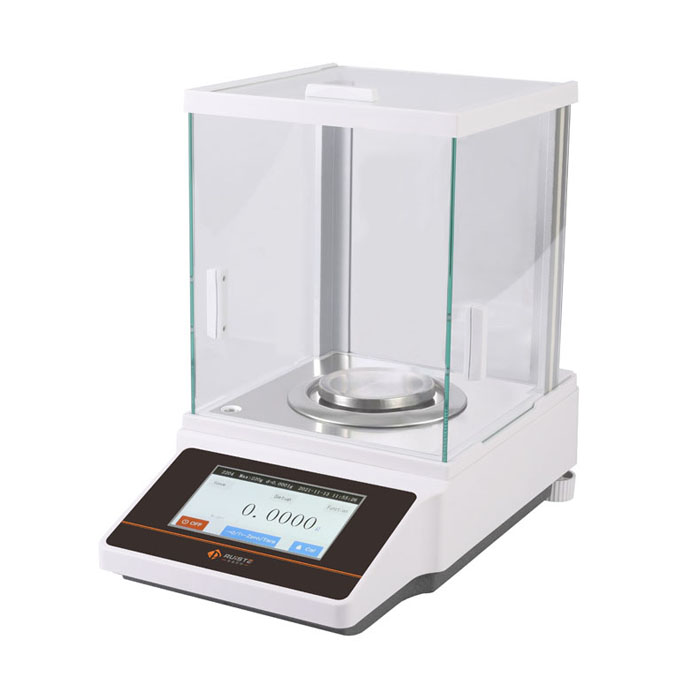
The basic working logic of a commercial counting scale is simple and scientific, built on the accurate correlation between single piece weight and total weight of measured items. Unlike ordinary weighing devices that only focus on displaying the total weight of goods, this type of equipment is designed with a dedicated counting calculation program inside, which can quickly complete the conversion between weight and quantity through accurate weight sensing data. The whole working process follows a clear and intuitive operation logic. Firstly, the user selects a small number of representative sample items from the bulk goods to be counted and places them on the weighing platform of the scale. The internal high-sensitivity sensing component of the equipment will instantly capture the accurate weight data of these samples, and the built-in calculation module will automatically calculate the average single piece weight of the measured items according to the sample weight and the known sample quantity set by the user. After the system successfully records and confirms the single piece weight data, the user can place all the remaining bulk items on the weighing platform in batches or all at once. The equipment will continuously collect real-time total weight data, combine it with the pre-calculated single piece weight, and quickly convert and display the accurate total quantity of the goods on the display screen. This working mode realizes the efficient transformation from weighing data to quantity data, and the whole process does not require manual calculation and statistical work by staff, which greatly simplifies the counting process and shortens the working time required for inventory and counting operations.
The internal structural design of commercial counting scale fully focuses on practicality, stability and long-term use durability in commercial working environments. The core sensing part adopts high-performance weight sensing components, which can sensitively capture subtle weight changes on the weighing platform and effectively avoid data fluctuations and measurement deviations caused by slight external interference. In the actual use process, many commercial operation sites are not in an ideal static environment, and factors such as slight table vibration, air flow disturbance and minor position movement may affect the accuracy of weighing and counting. Therefore, this type of counting scale is equipped with an intelligent digital filtering function inside, which can automatically identify and filter out external interference data, stabilize real-time weighing values, and ensure that the weight and quantity data displayed on the screen remain stable and reliable even in complex working environments. The body shell of the equipment is made of sturdy and wear-resistant composite materials, which can adapt to long-term frequent use in busy commercial scenarios, resist minor collisions, scratches and daily wear and tear in the working process, and maintain the integrity of the equipment structure and the stability of internal components for a long time. The weighing platform is designed with a flat and smooth surface, which is convenient for placing various shapes of items, and it is also very convenient for daily cleaning and maintenance. It can avoid the impact of dust, debris and residual dirt on the weighing accuracy and the service life of the equipment.
The display and operation design of commercial counting scale fully considers the actual operation needs of front-line staff, adhering to the simple and easy-to-operate design concept, and there is no complicated operation process and professional operation threshold. The equipment is equipped with a clear backlit display screen, which can simultaneously show three core key data for users in real time, including total weight of goods, average single piece weight and total converted quantity. The displayed numbers are clear and eye-catching, and staff can quickly read and record required data even in working environments with insufficient light or strong light reflection. The operation buttons on the panel are reasonably arranged with clear functional divisions, covering basic functions such as sample setting, zero clearing, data confirmation and tare weight deduction. The button operation feedback is clear, and staff can get started quickly after simple familiarization without complicated professional training. For the tare weight deduction function commonly used in commercial counting scenarios, the equipment supports one-key quick setting. When items need to be placed in packaging boxes, trays and other containers for counting and weighing, staff can place the empty container on the weighing platform in advance and start the tare weight clearing function. The equipment will automatically deduct the weight of the container, only calculate the net weight of the actual items, and ensure that the final quantity counting data is completely accurate and will not be affected by the weight of external packaging tools. This humanized operation design makes the counting work more convenient and efficient, and effectively reduces operational errors caused by manual data deduction.
Commercial counting scales are widely used in multiple commercial and industrial scenarios, covering production and processing, warehouse inventory, retail sales, material procurement and other key business links, and play an irreplaceable auxiliary management role in different fields. In the small parts processing and manufacturing industry, a large number of standardized parts such as hardware accessories, electronic components and plastic parts need to be counted and batched before production and after finished product processing. The traditional manual counting method not only slows down the production rhythm, but also easily leads to insufficient or excessive material distribution due to counting errors, affecting the normal progress of production processing and the matching degree of finished product assembly. With the help of a commercial counting scale, staff can quickly complete the counting and batching of various parts, ensure that the quantity of materials used in each production link is accurate, maintain the continuity and standardization of production work, and also facilitate the quantity inspection and acceptance of finished parts before leaving the factory, ensuring that the quantity of finished products delivered is consistent with the order requirements.
In the warehouse inventory and material management link of various enterprises, regular inventory of raw materials, spare parts and finished products is an important work to ensure the accuracy of account data and the stability of capital management. Warehouse goods are often stored in bulk, and the quantity of each type of goods is large. Manual inventory counting takes a lot of time and manpower, and it is easy to have missing counting, repeated counting and wrong recording problems, resulting in inconsistent actual inventory and account records. The application of commercial counting scale simplifies the inventory work process greatly. Warehouse managers only need to sample and set parameters according to different types of goods, and then weigh and count the goods in batches. The equipment can quickly feed back the accurate total quantity, and staff can complete the inventory work in a short time and update the inventory account data in a timely manner. This not only improves the efficiency of warehouse inventory, but also ensures the authenticity and accuracy of inventory data, helps enterprises accurately grasp the consumption and storage of various materials, provides reliable basis for subsequent material procurement plan formulation and production scheduling arrangement, and avoids operational risks such as material backlog, shortage and capital occupation caused by inaccurate inventory data.
In retail and bulk commodity sales scenarios, especially for chain stores, specialty stores and daily necessities sales places that sell small commodities and bulk packaged goods, commercial counting scales also play an important role in daily sales and goods sorting work. Many retail commodities are sold in fixed quantity specifications, and goods need to be sorted and packaged according to set quantities before going on sale. Relying on manual sorting and counting is not only inefficient, but also difficult to ensure that the quantity of each packaged commodity is consistent, which may affect the shopping experience of customers and the standardized sales management of stores. By using a commercial counting scale, store staff can quickly complete quantitative packaging and sorting of various bulk commodities, ensure that each packaged goods meet the specified quantity standards, maintain the standardized operation of sales work, and improve customer trust in store commodity management. At the same time, in the daily goods receiving and replenishing work of retail stores, the counting scale can also be used to check the quantity of goods delivered by suppliers, verify whether the actual delivery quantity is consistent with the order quantity, avoid commodity quantity losses caused by insufficient delivery of suppliers, and protect the operational interests of retail stores.
In the catering and food material management industry, commercial counting scales are also suitable for the quantity management of standardized packaged food and bulk ingredients. Many catering enterprises and canteens need to carry out standardized management of purchased packaged ingredients and portioned food materials, and accurate quantity statistics help to control food costs and avoid material waste. In the process of ingredient procurement and warehousing acceptance, staff can use the counting scale to count the purchased packaged ingredients, confirm the actual quantity of ingredients received, and ensure that the procurement funds are reasonably used. In the daily ingredient issuing and meal preparation links, the counting scale can also assist in quantitative distribution of ingredients, make the proportion of food materials used more standardized, control the cost of each meal effectively, and reduce the resource waste caused by random ingredient distribution. This standardized quantity management mode helps catering enterprises realize refined cost control and improve the overall operation and management level of the catering business.
In addition to efficient and accurate counting and weighing functions, commercial counting scales also have good data management and adaptive use performance, meeting the long-term use needs of different businesses. Most equipment supports stable data memory function, which can temporarily store the counting and weighing data of multiple batches of goods, avoiding data loss caused by accidental shutdown or equipment restart during operation, and facilitating staff to view and count historical data at any time. Some equipment can also be connected with external data processing equipment through conventional data transmission interfaces, which can transmit real-time counting and weighing data to enterprise management systems, realizing digital and automated management of quantity data, reducing manual data entry work, and avoiding data recording errors caused by manual input. In terms of power supply mode, the equipment supports dual power supply options of external power connection and built-in rechargeable battery. It can be used by connecting power in fixed working positions such as warehouses and production workshops, and can also rely on built-in battery power supply for mobile counting work in different areas such as on-site goods receiving and outdoor temporary inventory, which has strong use flexibility and adaptability.
Daily maintenance and correct use habits are important premises to maintain the long-term stable performance and accurate measurement of commercial counting scales. Although the equipment is designed with durable and stable structure, regular standardized maintenance and correct operation can effectively prolong the service life of the equipment and keep the weighing and counting accuracy in a stable state. During daily placement and use, the equipment should be placed on a flat and stable working platform, avoiding long-term placement in positions with severe vibration, humid environment or direct strong corrosion interference, so as to prevent the internal sensing components and circuit structures from being affected by external adverse factors and causing measurement deviations or equipment failures. Regular cleaning work should be done well in daily use. The dust, debris and dirt on the weighing platform and the surface of the equipment should be cleaned regularly to prevent sundries from affecting the contact balance of the weighing platform and ensuring the sensitivity of weight sensing. It is also necessary to conduct regular calibration inspection according to the frequency of use. Through simple calibration operations, the weighing baseline of the equipment can be kept accurate, and counting errors caused by long-term use and subtle parameter changes can be avoided.
In the process of use, staff should also standardize operation behaviors to avoid improper operation affecting the service life and working effect of the equipment. It is necessary to avoid placing overweight items beyond the equipment's bearing range on the weighing platform for a long time, so as to prevent the internal sensing components from being damaged by pressure and affecting the subsequent weighing accuracy. When placing items, they should be placed gently in the middle of the weighing platform, avoiding violent impact and long-term eccentric pressure on one side of the weighing platform, so as to keep the stress balance of the equipment and stable data measurement. After the daily counting work is completed, the equipment can be turned off in time according to the use needs, and the surface of the equipment can be kept clean and tidy, ready for the next use. Good use and maintenance habits can not only ensure that the commercial counting scale maintains accurate and efficient working performance for a long time, but also reduce the frequency of equipment failure and subsequent maintenance costs, creating more stable and reliable auxiliary management value for business operation.
With the continuous development of commercial operation management towards refinement and digitization, enterprises and various business operators have higher and higher requirements for the accuracy and efficiency of quantity management in all links. The traditional manual counting method can no longer adapt to the efficient operation rhythm and standardized management needs of modern business. As a practical and professional precision measuring device, commercial counting scale relies on its accurate weighing and counting performance, simple and convenient operation mode, durable structural design and wide application adaptability, and has become an indispensable basic equipment for modern business inventory, production batching, goods acceptance and sales sorting. It not only effectively reduces the labor pressure and time cost brought by manual counting work, reduces counting errors and data deviations, but also provides accurate and reliable digital basis for enterprise cost accounting, inventory management and production scheduling. In the future, with the continuous upgrading of commercial management requirements, commercial counting scales will continue to play an important basic role in various industries, helping all types of businesses realize more standardized, efficient and refined quantity management, and promote the stable and efficient operation and long-term development of commercial business.
Commercial Counting Scale
https://www.pruiste.com/counting-scale.html
Post Date: May 6, 2026
https://www.supplier-manufacturer.com/counting-scale/commercial-counting-scale.html

![Digital Viscometer Exporter]()
Digital Viscometer Exporter
Viscosity stands as one of the most fundamental physical properties of fluid materials, reflecting the internal friction and flow resistance of substances during movement.…![Digital Viscometer For Sale]()
Digital Viscometer For Sale
Viscosity serves as one of the most fundamental physical properties of fluid substances, reflecting the internal friction and flow resistance of liquids during movement. I…![Industrial Digital Viscometer]()
Industrial Digital Viscometer
Viscosity stands as one of the most critical physical properties of fluid materials, reflecting the internal frictional resistance that occurs when a fluid undergoes flow …![Gravimetric Moisture Analyzer]()
Gravimetric Moisture Analyzer
Moisture content stands as one of the most critical physical parameters that define the quality, stability, and processing performance of diverse materials across industri…![Automatic Moisture Analyzer]()
Automatic Moisture Analyzer
Moisture content stands as one of the most critical physical indicators that determine the quality, stability and practical performance of various raw materials and finish…