Laboratory Counting Scale
In modern scientific research, industrial quality control, pharmaceutical formulation development, agricultural material testing, and chemical analysis laboratories, the accurate quantification of small particulate samples, granular materials, tiny solid components, and uniform batch specimens stands as a foundational requirement for reliable experimental results and consistent operational outcomes. Every laboratory undertaking detailed material research, component batch verification, or sample preparation work relies heavily on equipment that can seamlessly combine high-precision weight measurement with intelligent quantity counting functions, and the laboratory counting scale has gradually evolved into an indispensable core device in such professional working environments. Unlike ordinary household weighing tools or basic industrial weighing devices that only focus on simple weight reading, laboratory counting scales are professionally designed and calibrated to meet the rigorous and standardized measurement needs of laboratory scenarios, balancing delicate weight detection sensitivity, stable counting operational logic, and user-friendly daily operation experience, effectively solving the long-standing problems of large error rates, low work efficiency, and heavy manual labor intensity that have plagued traditional manual counting and rough weighing methods for a long time. Whether handling tiny chemical reagent particles used in microscale chemical experiments, small solid raw materials for pharmaceutical compounding trials, seed samples for agricultural crop trait research, or miniature hardware parts for industrial material performance testing, this type of professional counting weighing equipment can maintain stable and consistent working performance, ensuring that every counted quantity data and recorded weight value maintains high consistency and repeatability throughout all experimental testing and batch sorting processes.
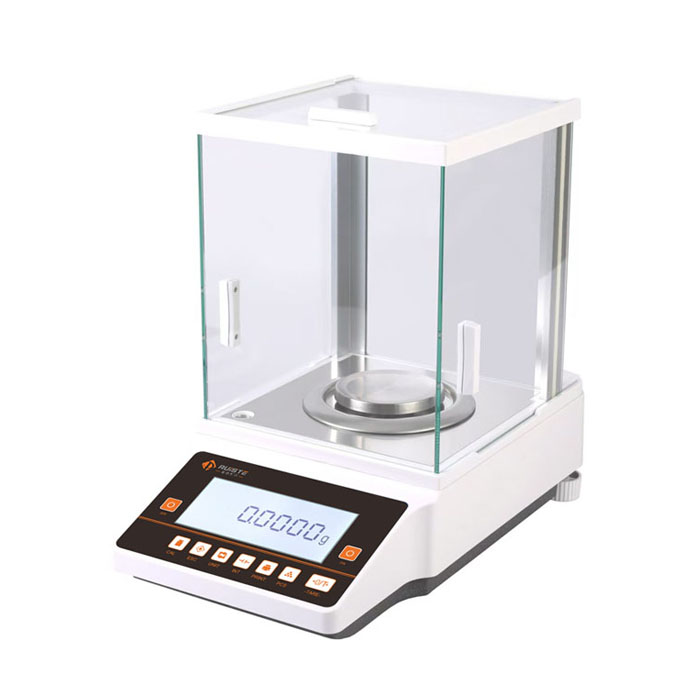
The core working principle of a laboratory counting scale is built on the precise correlation between the unit weight of a single sample item and the total weight of the overall sample batch, a basic physical calculation logic optimized and refined through professional internal program settings and high-sensitivity sensor induction technology. Before formal counting and weighing operations begin, users first place a small number of representative sample pieces on the scale’s weighing pan for sampling calibration, allowing the equipment to accurately calculate the average single weight of each individual sample through internal data processing modules. This sampling calibration step is crucial for subsequent counting accuracy, as it eliminates minor weight differences between individual sample items and ensures that the final calculated total quantity data closely matches the actual number of samples on the weighing pan. Once the unit weight parameter is successfully confirmed and stored in the equipment’s internal system, users can pour the entire batch of samples to be measured onto the weighing pan, and the high-precision sensing components inside the scale will quickly capture the real-time total weight of the placed samples. The internal intelligent program then automatically divides the total weight by the pre-calibrated average single weight, rapidly converting weight data into accurate quantity values and displaying the results clearly on the intuitive display screen for laboratory staff to record, organize, and analyze in a timely manner. The entire working process minimizes manual intervention and human calculation links, greatly reducing data deviation caused by human visual fatigue, counting negligence, or manual arithmetic errors, creating a more accurate and reliable data acquisition environment for all laboratory related work.
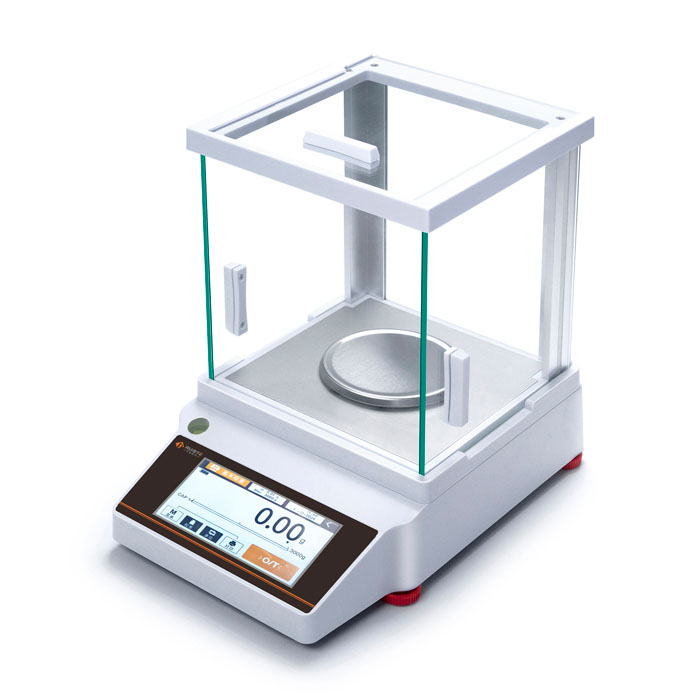
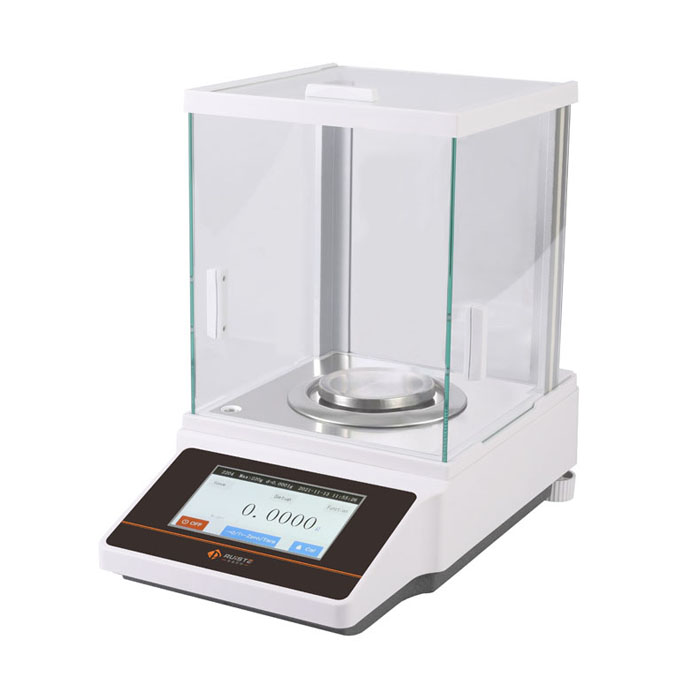
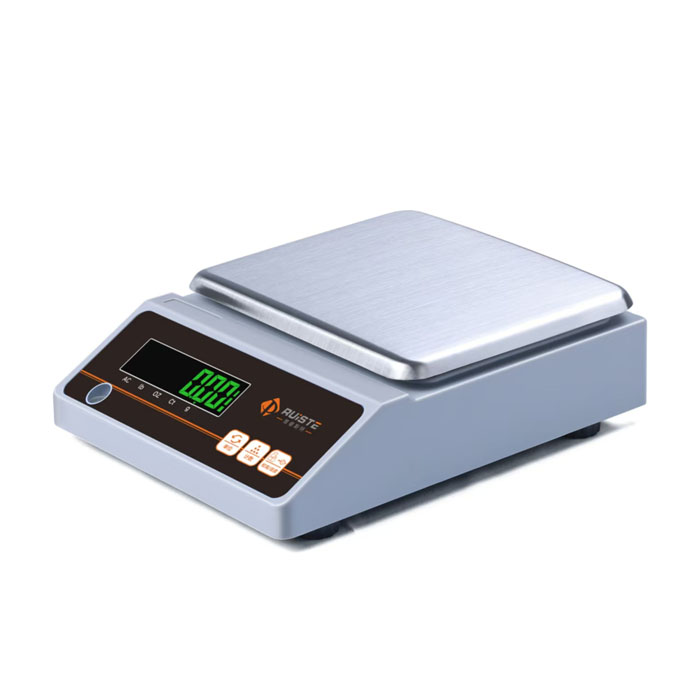
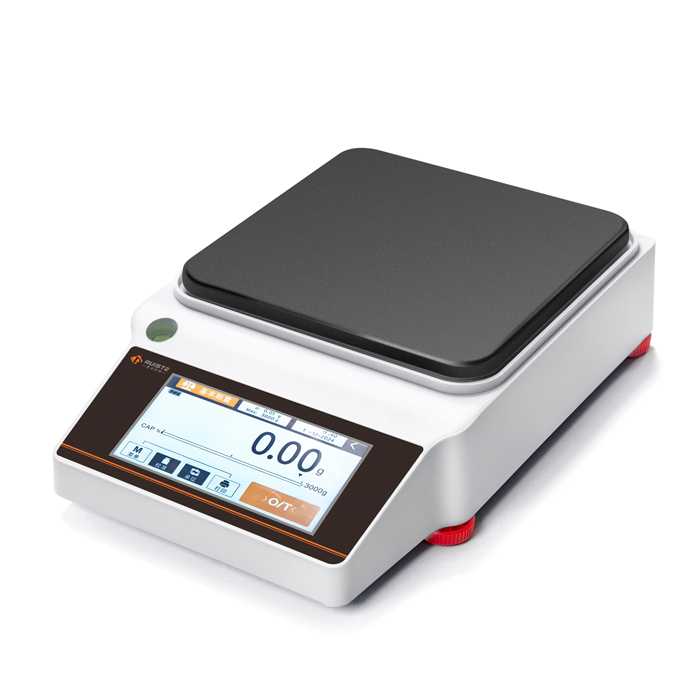
The structural design and internal component configuration of laboratory counting scales are fully tailored to the complex and demanding environmental characteristics and operational requirements of laboratory working spaces. The weighing pan of the equipment is usually made of high-quality anti-corrosion and wear-resistant metal materials, with a smooth and flat surface that prevents tiny particulate samples from sticking or residue accumulation after use, facilitating quick cleaning and daily maintenance while avoiding cross-contamination between different experimental samples that could affect measurement accuracy. The base part of the counting scale adopts a stable and thickened structural design, equipped with adjustable supporting foot pads at the bottom, which can fine-tune the horizontal balance state of the equipment according to the placement conditions of different laboratory workbenches. Maintaining the horizontal level of the scale during operation is a key prerequisite for ensuring weighing and counting stability, as slight tilting of the equipment can cause uneven force on internal sensors, leading to subtle fluctuations in weight induction data and subsequent deviation in final counting results. The internal core sensing components adopt high-sensitivity pressure sensing technology capable of capturing tiny weight changes in real time, effectively sensing even the slight weight differences brought by a single tiny sample particle, ensuring accurate induction and precise data feedback whether measuring a small number of trace samples or a large batch of bulk samples. In addition, the internal circuit and data processing modules are designed with anti-interference performance, which can effectively resist the impact of subtle vibration, slight temperature changes, and weak electromagnetic interference commonly found in laboratory environments, maintaining long-term stable operating state and avoiding frequent data jumping or inaccurate measurement caused by external environmental factors.
Laboratory counting scales have a wide range of application coverage, penetrating almost all professional laboratory fields that require precise counting and weighing of solid samples, showing strong practical value and functional adaptability in different professional scenarios. In chemical research laboratories, researchers often need to count and weigh granular chemical raw materials, solid experimental reagents, and crystalline compound samples for formulation ratio testing and chemical reaction parameter exploration. Accurate control of the quantity and weight of each raw material directly affects the smooth progress of chemical reactions and the accuracy of final experimental data. The use of laboratory counting scales can quickly complete the counting and weighing of various particulate chemical samples, ensuring that the proportion of each raw material in each group of experimental groups remains consistent, providing reliable basic data for comparing reaction effects under different ratio conditions and summarizing chemical reaction rules. In pharmaceutical research and development and pharmaceutical testing laboratories, the preparation of experimental drug samples, the counting of granular auxiliary materials, and the batch sorting of miniature drug test particles all require high-precision counting and weighing work. The precise control of sample quantity and weight in pharmaceutical experiments is closely related to the safety and effectiveness of subsequent drug trials and clinical application research, and laboratory counting scales can meet the strict measurement standards of pharmaceutical research, ensuring that each batch of experimental drug samples maintains uniform specifications and stable quality, laying a solid foundation for drug formula optimization and efficacy testing.
In agricultural science research laboratories, experimental staff need to conduct counting and weighing tests on various crop seeds, improved variety breeding samples, and agricultural granular fertilizer materials, researching the growth characteristics, yield traits, and nutrient absorption effects of different crops. When conducting seed germination rate experiments and crop growth comparison tests, it is necessary to ensure that the number and weight of seeds in each experimental group are kept consistent to avoid experimental result deviation caused by uneven sample dosage. Laboratory counting scales can efficiently complete accurate seed counting and weighing work, helping agricultural researchers quickly complete sample grouping and data recording, improving the efficiency and scientificity of agricultural breeding experiments and crop planting research. In industrial material testing and quality inspection laboratories, a large number of miniature hardware parts, small plastic accessories, granular raw material particles, and electronic component accessories need to be counted and sampled for batch quality inspection and product performance testing. Batch consistency detection of industrial parts is an important link in controlling product production quality, and traditional manual counting methods are not only inefficient but also prone to missed counting and repeated counting problems. The application of laboratory counting scales can realize rapid and accurate counting of industrial small parts, quickly complete batch sampling inspection and quantity verification work, helping enterprises and research institutions timely grasp product batch quality status and ensure that produced parts and materials meet relevant production and use standards.
In biological laboratories and environmental monitoring laboratories, laboratory counting scales also play an irreplaceable important role. Biological experiment research often involves the weighing and counting of tiny biological sample particles, microbial culture medium particles, and biological experimental auxiliary materials, and the accuracy of sample dosage directly affects the growth state of microbial cultures and the accuracy of biological experiment observation results. Environmental monitoring laboratories need to weigh and count particulate matter samples collected from the atmosphere, soil particulate samples, and water body sediment particles, conducting component analysis and pollution degree detection of environmental samples. The high-precision counting and weighing function of laboratory counting scales ensures that the weight and quantity of various environmental monitoring samples are accurately recorded, providing reliable basic data for judging environmental pollution levels and formulating environmental protection and governance measures. In addition, in university teaching laboratories and vocational education practical training laboratories, laboratory counting scales are also important teaching and practical training equipment, allowing students majoring in chemistry, biology, chemical engineering, and materials to master the basic operation methods of precise weighing and counting, cultivate students' rigorous experimental operation habits and accurate data recording awareness, and lay a good practical foundation for students' subsequent professional scientific research and technical work.
Compared with traditional manual counting methods and ordinary simple weighing equipment, laboratory counting scales have obvious comprehensive advantages in operational efficiency, data accuracy, long-term use stability, and labor cost saving benefits. Manual counting of a large number of tiny particulate samples not only takes a lot of working time but also easily leads to counting errors due to long-term visual fatigue and repetitive mechanical operations, requiring repeated counting and verification many times to ensure data accuracy, which greatly reduces the overall work progress of the laboratory. Ordinary weighing equipment can only provide single weight data and cannot directly convert to quantity values, requiring laboratory staff to manually calculate the corresponding number of samples based on weight data, increasing manual calculation links and easily introducing additional human errors in the calculation process. Laboratory counting scales integrate weighing and counting functions into one, realizing automatic conversion from weight to quantity data, with simple and intuitive operation steps that can be quickly mastered by new laboratory staff after simple training. The equipment can complete accurate counting work that manual operation takes tens of minutes to finish in a short time, greatly improving the work efficiency of laboratory sample preparation, batch sorting, and data statistics links, allowing laboratory researchers to focus more energy on core experimental research and data analysis work rather than tedious repetitive counting and weighing operations.
In terms of long-term use and daily maintenance, laboratory counting scales are designed with practicality and durability as core concepts, adapting to long-term continuous use in laboratory working environments without frequent failures or performance attenuation. The equipment is equipped with a simple and clear operation panel and a high-definition digital display screen, with clear data reading and simple function switching, avoiding complex and cumbersome operation procedures that are not conducive to fast laboratory work. Most models have a tare zeroing function, which can automatically deduct the weight of weighing containers such as weighing papers and weighing dishes, ensuring that the measured weight data is only the net weight of the sample itself and further improving the accuracy of counting and weighing results. The internal data storage function can record recent weighing and counting data, facilitating laboratory staff to view historical measurement records, sort out experimental data trends, and ensure the traceability and completeness of experimental work data. Daily maintenance work only requires regular cleaning of the weighing pan surface to remove sample residue and dust, and regular inspection of the equipment’s horizontal state and power supply connection status, without complex professional maintenance procedures or high maintenance costs, meeting the long-term stable use needs of various laboratories.
With the continuous progress of laboratory scientific research technology and the continuous improvement of industrial production quality control standards, the functional performance and application value of laboratory counting scales are constantly being upgraded and expanded, becoming more adaptable to the increasingly refined and professional laboratory work needs. Modern laboratory counting scales are gradually combining more intelligent data management functions, which can be connected with laboratory data recording systems and experimental management software to realize automatic transmission and electronic archiving of weighing and counting data, reducing manual data entry work and avoiding data recording errors. The equipment’s anti-vibration and anti-interference performance are continuously optimized, adapting to more complex laboratory working environments, maintaining stable measurement accuracy even in laboratories with large equipment operation and slight environmental vibration. The appearance design and structural layout are more in line with the ergonomic working needs of laboratory staff, making daily operation more labor-saving and comfortable, further improving the overall laboratory work efficiency and operation experience.
In conclusion, laboratory counting scales serve as vital professional equipment integrating high-precision weighing and intelligent counting functions, running through all links of sample preparation, batch detection, data recording, and experimental analysis in various professional laboratories. Relying on stable structural design, high-sensitivity sensing components, intelligent data processing programs, and simple and convenient operation modes, this type of equipment effectively makes up for the shortcomings of low efficiency and large errors of traditional manual counting and ordinary weighing equipment, providing accurate, reliable, and efficient measurement support for scientific research experiments, industrial quality inspection, agricultural research, environmental monitoring, and teaching and training work. In the continuous development and progress of future laboratory work and scientific research undertakings, laboratory counting scales will continue to play an irreplaceable basic supporting role, continuously optimizing functional performance and application effects with the advancement of technology, helping all laboratory related work carry out more standardized, accurate, and efficient operations, and providing solid basic guarantee for the acquisition of reliable experimental results and the steady improvement of work quality in various professional fields.
Laboratory Counting Scale
https://www.pruiste.com/counting-scale.html
Post Date: May 6, 2026
https://www.supplier-manufacturer.com/counting-scale/laboratory-counting-scale.html

![Purposes of Weighing Scale]()
Purposes of Weighing Scale
Throughout human civilization, the need to measure mass has remained an essential part of daily life and industrial development, and weighing scales have long stood as one…![Analytical Balance Fa-pro Series]()
Analytical Balance Fa-pro Series
The FA-PRO series adopts the Internet of Things 5 inch color TFT control system integrated touch high definition screen. The whole series balance adopts high performance s…![Working Principle of Counting Scale]()
Working Principle of Counting Scale
A counting scale is a common weighing and counting device widely applied in industrial production, warehouse inventory management, electronic component sorting, and daily …![Waterproof Counting Scale]()
Waterproof Counting Scale
In modern industrial production, commercial circulation and daily batch material management, counting and weighing equipment has become an indispensable auxiliary tool for…![Bench Weighing Scale]()
Bench Weighing Scale
Bench weighing scales stand as one of the most essential and widely used measuring instruments across diverse commercial, industrial, and daily operational environments, s…