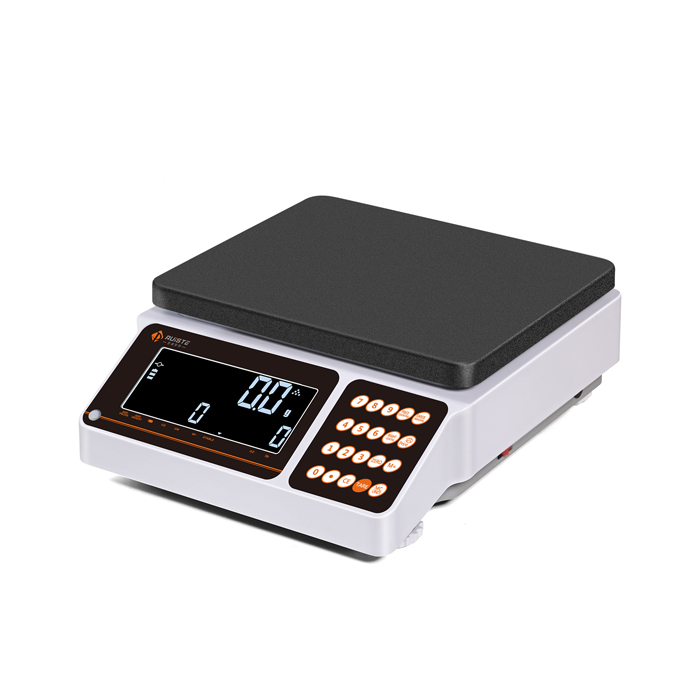
Electronic Balance RT SERIES
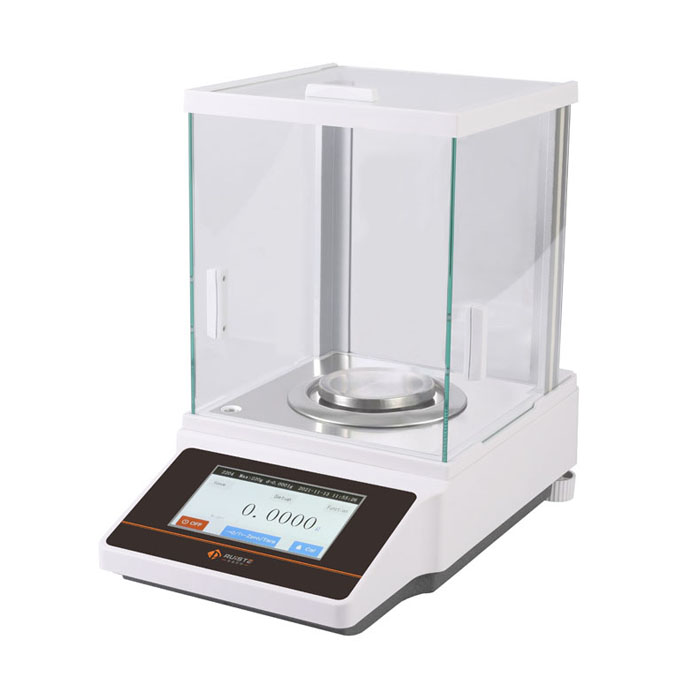
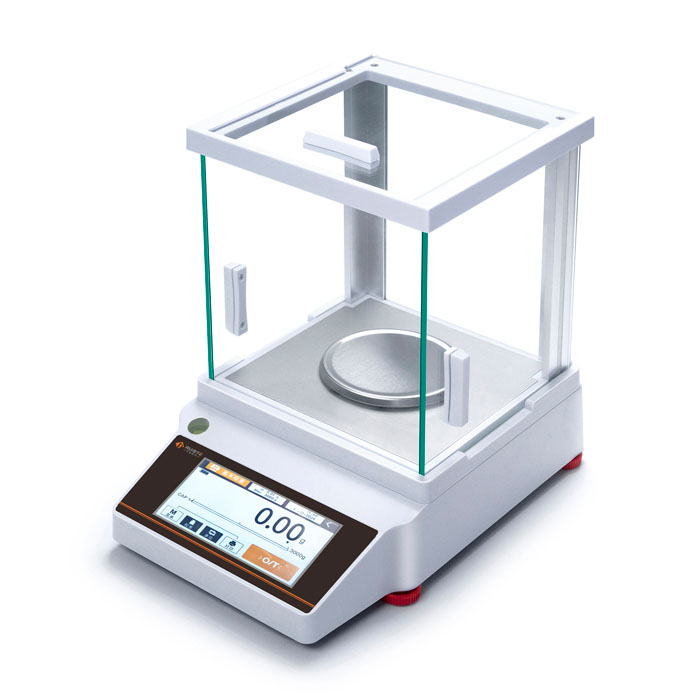
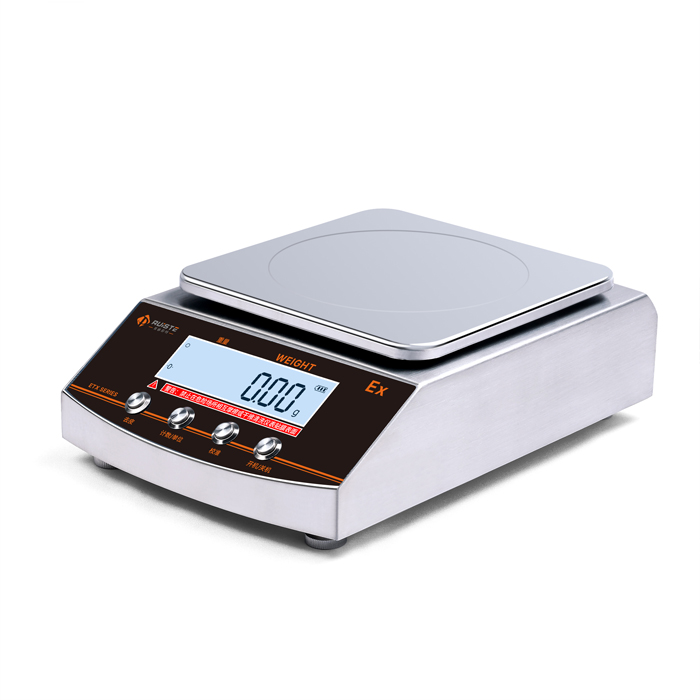
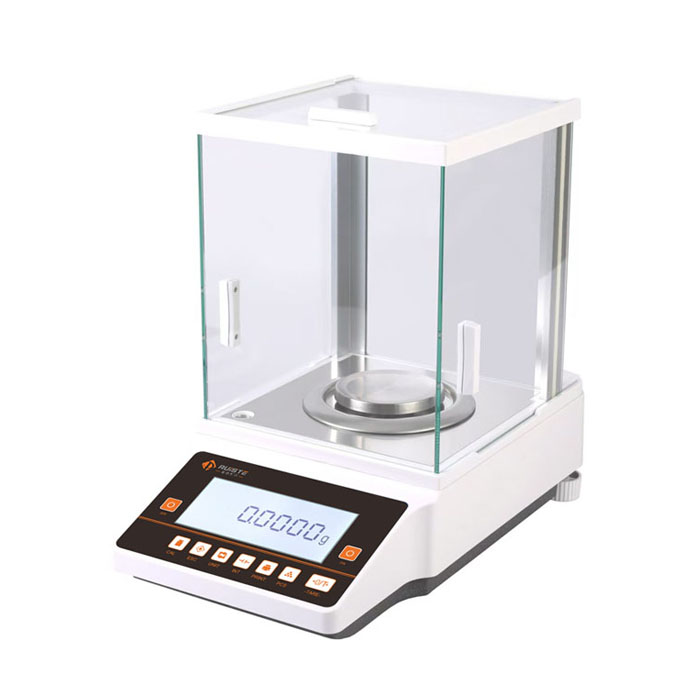
The RT series adopts high-definition keys, which is economical. The entire series of balances adopt domestic sensors, brand sensors, and aluminum alloy structure to ensure high accuracy and stability of weighing results. This series of precision casting ABS Environmental protection materials are designed with one-key switching mode between Chinese and English interfaces. It adopts high-efficiency die-cast aluminum alloy base. The bearing base is stable and solid. The samples of fully transparent glass windshield are clearly visible. The whole machine uses stainless steel table top plate and stainless steel frosted large plate. The resolution is as high as 1.2 million. It adopts high-speed 24bitsad, anti-interference ability, anti-radiation, anti-static and high-static performance, and weighing modes.
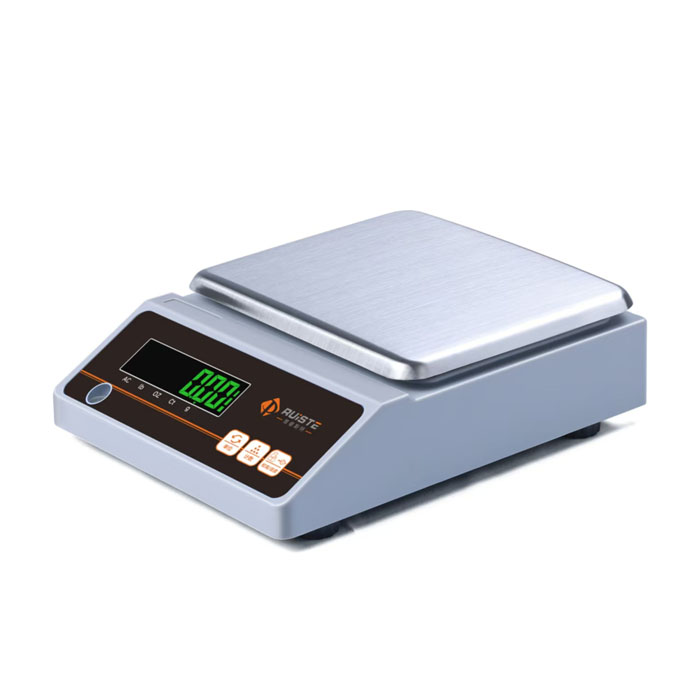
As a core precision measuring instrument in modern scientific research, industrial production and daily analytical work, electronic balance has gradually replaced traditional mechanical weighing equipment with its stable performance, convenient operation and reliable measuring performance. It serves as a fundamental tool for obtaining accurate mass data, supporting the orderly progress of experimental analysis, product testing, ingredient proportioning and many other links in multiple industries. Different from mechanical balances that rely on lever balance and manual calibration, electronic balance realizes the conversion from mechanical force to electrical signal through built-in electronic sensing components, completing automatic measurement, data processing and result display, which greatly optimizes the weighing process and improves the stability of measurement results.
The working logic of electronic balance is built on the basic physical principle of force balance and electrical signal conversion. The core components responsible for sensing weight change include high-sensitivity sensors, which mainly cover strain structure and electromagnetic balance structure in mainstream applications. When a measured object is stably placed on the weighing pan, the gravity generated by the object acts on the sensor structure, causing slight mechanical deformation or displacement. This tiny physical change cannot be identified by human eyes, but it can trigger a corresponding change in electrical parameters inside the sensor. The electrical signal generated by this change is in direct proportion to the mass of the measured object, laying a precise data foundation for subsequent measurement calculation. After the weak electrical signal is generated, it will be transmitted to the built-in microprocessor of the equipment. The microprocessor will amplify, filter and calibrate the signal through internal programs, eliminate interference signals generated by external environment and internal circuit fluctuations, and convert the processed electrical signal into intuitive mass data, which is finally presented through the digital display screen.
Electromagnetic balance type sensors are widely adopted in high-precision electronic balance models, relying on the interaction between magnetic field and current to realize force compensation. When the weighing pan is under pressure and displaced, the system will automatically adjust the current in the internal coil, generate electromagnetic force to offset the gravity of the measured object, and restore the weighing pan to the initial balanced position. The system calculates the mass of the object according to the current value required for balance restoration. This working mode can effectively reduce mechanical friction errors, ensure the sensitivity of tiny mass detection, and maintain good measurement stability in long-term use. Strain-type sensors are more applied in medium and low precision electronic balances. The deformation degree of the internal strain gauge changes with the load, leading to the change of resistance value, and the equipment calculates the weight data through the resistance change. This structure features simple composition and stable operation, meeting the basic weighing needs of conventional scenarios.
The overall structural design of electronic balance follows the principles of stability, sensitivity and anti-interference, and each component cooperates closely to guarantee measuring performance. The external bearing part is the weighing pan, which is usually made of corrosion-resistant and high-hardness metal materials, with a flat and smooth surface to ensure uniform stress of the measured object and avoid measurement deviation caused by uneven placement. The base of the equipment is equipped with adjustable horizontal foot pads and a horizontal bubble indicator. Keeping the equipment in a horizontal state is a key prerequisite for accurate measurement, because tilt will cause unbalanced stress on the internal sensor structure, resulting in systematic errors in data. The internal core circuit system is wrapped with anti-interference structures, which can shield the influence of external electromagnetic signals, air flow and slight vibration on the measurement process. In addition, most electronic balances are equipped with automatic zero-tracking functions, which can automatically correct the zero drift caused by slight changes in ambient temperature and equipment state, ensuring that each measurement starts from a standard zero position.
Compared with traditional mechanical weighing equipment, electronic balance has many prominent advantages in actual use. Mechanical balances require manual weight matching and lever adjustment, which not only complicates the operation steps, but also easily introduces human operation errors. Electronic balance realizes one-key zero clearing and automatic measurement. After placing the object, the equipment can quickly stabilize and display data, shortening the weighing time and reducing the interference of human factors. In terms of data presentation, electronic balance provides clear digital readings, avoiding the visual deviation caused by pointer observation and scale reading of mechanical balances, and improving the consistency of measurement results. Meanwhile, electronic balance has good repeatability. For multiple measurements of the same object, the data fluctuation range is small, which can meet the requirements of experimental data repeatability and industrial production consistency detection. Many models also support basic data functions such as tare subtraction, cumulative weighing and unit conversion, which can adapt to diversified weighing scenarios such as container weighing and multi-sample combined weighing.
Environmental factors have an obvious impact on the measurement accuracy of electronic balance, so standardized use environment and operation methods are essential to maintain its performance. Temperature change is one of the main influencing factors. Too high or too low ambient temperature will affect the sensitivity of the sensor and the stability of the circuit system, causing data drift. It is suitable to place the equipment in a constant temperature environment with mild and stable temperature, avoiding direct sunlight and heat source radiation. Air flow in the environment will also interfere with high-precision weighing. For electronic balances used for trace sample measurement, a closed windproof structure is usually matched to block the influence of indoor air convection. In addition, ground vibration will cause tiny jitter of the equipment, making the data unable to stabilize quickly. Therefore, the equipment should be placed on a stable experimental platform or operating table, away from mechanical operation areas with obvious vibration.
Standard operation steps are crucial to obtain accurate measurement data. Before formal use, it is necessary to check the horizontal state of the equipment first, adjust the foot pads to make the horizontal bubble in the standard position, and then turn on the equipment for preheating. Sufficient preheating can make the internal circuit and sensor reach a stable working state and avoid inaccurate initial measurement data caused by insufficient equipment activation. After preheating, perform zero clearing operation to ensure that the reading is zero when there is no load on the weighing pan. During sample placement, the object should be gently placed in the center of the weighing pan to prevent collision and extrusion on the pan body, and avoid contact between the sample and the windproof cover or external structures, so as not to generate additional stress and affect the measurement result. After the data is stabilized, record the reading. For samples that are easy to absorb moisture, volatilize or corrode, professional containers should be used for holding and weighing, which can not only ensure data accuracy, but also protect the equipment structure from corrosion and damage.
Electronic balances are widely used in multiple professional fields, becoming an indispensable basic measuring tool. In scientific laboratories such as chemistry, biology and materials science, electronic balances are used for precise weighing of experimental reagents, sample preparation and component content detection. Many quantitative experiments require accurate mass ratio of reagents, and tiny weighing errors will affect the final experimental results and conclusion authenticity. The high-precision measurement capability of electronic balances provides reliable data support for experimental research and academic exploration. In the pharmaceutical industry, electronic balances are applied in the weighing of pharmaceutical raw materials and the detection of finished product components. The precise proportioning of raw materials directly affects the efficacy and safety of drugs, and stable weighing equipment ensures the standardization of pharmaceutical production processes.
In industrial production and processing, electronic balances undertake the work of raw material proportioning, product quality inspection and batch sampling detection. In food processing, chemical manufacturing, new material development and other industries, accurate material weighing is the basis for stable product quality and qualified batch indicators. Through continuous and accurate weighing detection, enterprises can control the production process, reduce material waste and ensure the consistency of product quality. In the field of commodity detection and metering, electronic balances are used for sampling verification of commodity net content, providing objective and fair data basis for market standardization. In addition, in teaching and experimental training of schools and scientific research institutions, electronic balances are used for daily teaching demonstration and student operation training, helping learners master the basic methods of precision measurement and cultivate rigorous experimental thinking.
Daily maintenance and regular maintenance can effectively extend the service life of electronic balance and maintain long-term stable measuring performance. In daily use, keep the equipment and the surrounding environment clean, timely clean up the residual samples, dust and stains on the weighing pan and windproof structure, avoid long-term accumulation of dirt affecting the sensitivity of the sensor and the flexibility of the mechanical structure. When cleaning, use soft and dry tools for wiping, avoid liquid infiltration into the internal circuit structure, and prevent circuit short circuit and component aging caused by moisture. The equipment should be placed in a dry and ventilated environment for a long time to avoid mildew and corrosion of internal components caused by humid air.
Regular performance inspection is also an important part of maintenance. Users can conduct repeated weighing tests with standard samples regularly to check the stability and consistency of equipment data. If zero drift, data jitter or large repeated measurement errors are found, stop using the equipment in time and check the placement state, environmental factors and equipment structure, or carry out professional calibration and maintenance. In the process of use, avoid overloading the equipment. Long-term overload weighing will cause irreversible deformation of the internal sensor structure, reduce measurement accuracy, and even damage the core components in serious cases. When the equipment is not used for a long time, cut off the power supply, cover the equipment with a dust cover, and place it in a dry and stable storage environment to prevent dust accumulation and accidental collision damage.
With the continuous progress of electronic technology and sensing technology, the comprehensive performance of electronic balance is also constantly optimized and upgraded. Modern electronic balance products are developing towards higher sensitivity, stronger anti-interference ability and more diversified functions. The optimized sensor structure can capture smaller mass changes, meeting the measurement requirements of micro samples in high-end scientific research. The upgraded intelligent circuit system can adapt to more complex environmental conditions, reduce the impact of temperature, humidity and electromagnetic interference on measurement, and improve the environmental adaptability of the equipment. At the same time, the functional expansion of electronic balance is becoming richer. In addition to basic weighing functions, it can also realize data storage, data transmission, statistical analysis and other functions, which is convenient for users to record experimental data and production detection data, and realize the traceability and management of measurement data.
In the entire precision measurement industry, electronic balance occupies a basic and core position. All links that rely on accurate mass data are inseparable from the support of electronic balance. Its stable performance, convenient operation and accurate measurement characteristics make it a bridge connecting basic physical measurement and practical application. From basic academic research to industrial mass production, from daily experimental detection to professional quality supervision, electronic balances always provide reliable data support for various work. Standardized use and scientific maintenance can maximize the performance of the equipment, ensure the accuracy and stability of long-term measurement work, and create a solid foundation for the smooth progress of scientific research, production and detection work in various fields. With the continuous innovation of technology, electronic balance will continue to iterate and improve, adapt to more diversified and high-precision application scenarios, and play a more important role in the development of modern science and technology and industrial production.
Electronic Balance RT SERIES
https://www.pruiste.com/ajxl/dztprt
Post Date: Jun 7, 2026
https://www.supplier-manufacturer.com/counting-weighing-balance/electronic-balance-rt-series.html

![Weighing Scale For Sale]()
Weighing Scale For Sale
In daily life and various industrial and commercial sectors, weighing instruments have become indispensable auxiliary tools that support standardized measurement and order…![Precision Balance Ja-pro Series]()
Precision Balance Ja-pro Series
The JA-PRO series adopts the Internet of Things 5-inch color TFT control system integrated touch high-definition screen. The entire series of balances adopt Nuosheng senso…![Counting Scale Vender In China]()
Counting Scale Vender In China
The manufacturing and supply ecosystem of counting scales in China has undergone steady and profound evolution over the past decades, forming a complete industrial chain t…![Shockproof Counting Scale]()
Shockproof Counting Scale
In modern industrial production, warehousing management, and small-part processing industries, accurate counting and stable weighing have become basic requirements for dai…![Advanced Counting Scale]()
Advanced Counting Scale
In the modern era of refined manufacturing and standardized material management, accurate counting of small-sized items has become an indispensable link in various industr…